Gas Bans in 2026: How Induction Is Transforming Kitchen Design
Homeowners across various regions face impending restrictions on gas stoves due to evolving building codes. These regulations aim to curb indoor air pollution and lower carbon emissions from residential sources. For those considering a kitchen renovation or appliance replacement, the transition prompts a key inquiry: what option maintains cooking performance and aesthetic appeal without relying on gas?
Induction technology stands as a compelling solution. This method employs electromagnetic fields to heat cookware directly, bypassing the inefficiencies of open flames or resistive elements. As a result, it matches the responsiveness of gas while introducing benefits in safety, energy conservation, and ease of use.
Understanding the Implications of the Shift from Gas
New codes in multiple areas prohibit or limit gas connections in new constructions and major remodels. Existing gas installations remain viable in many cases, yet future replacements could involve additional hurdles, such as updated permits or adjusted insurance policies for gas-dependent appliances.
Traditional electric alternatives, like coil or radiant surfaces, often disappoint users accustomed to gas flames due to slower response times and persistent cleaning challenges. Induction addresses these concerns by generating heat solely within the cookware. This approach ensures precise temperature control, minimizes wasted energy, and keeps the cooktop surface cooler to the touch, thereby enhancing overall safety.
Key Advantages Driving Induction's Popularity
Induction cooking has evolved significantly, with advancements in cost accessibility and aesthetic integration propelling it toward widespread adoption. The following attributes highlight its appeal for everyday use:
- Rapid Heating: Water reaches a boil in approximately half the time required by gas or conventional electric methods, accelerating meal preparation.
- Energy Efficiency: Up to 90 percent of the energy transfers directly to the cookware, far surpassing gas's roughly 40 percent utilization rate.
- Enhanced Safety: The cooktop remains at a lower temperature, lowering the risk of burns; the system deactivates instantly if cookware is removed.
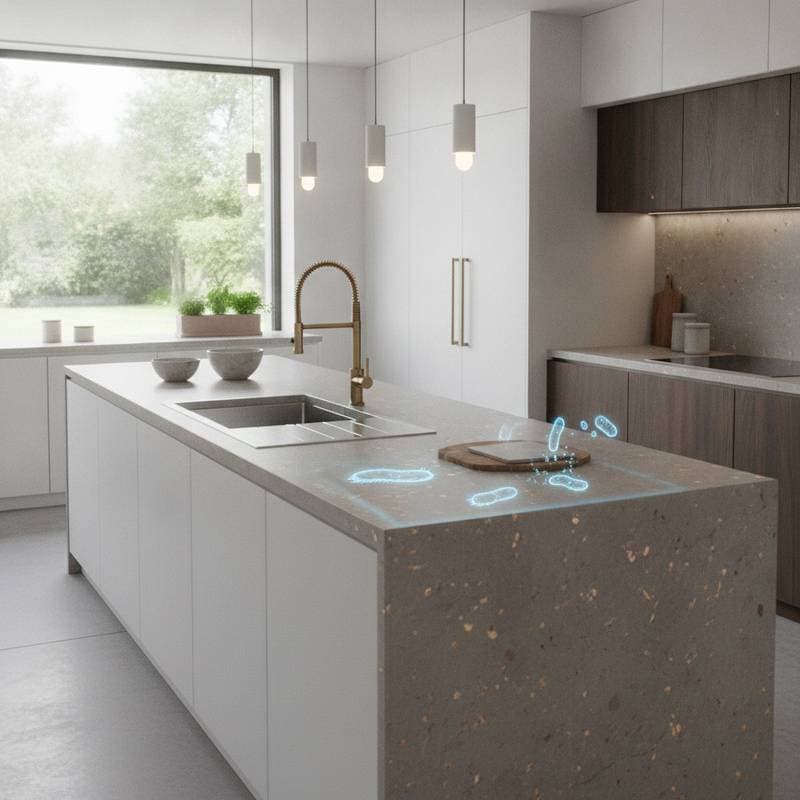
- Simplified Maintenance: Spills stay contained without adhering to a heated surface, allowing quick wiping with a damp cloth.
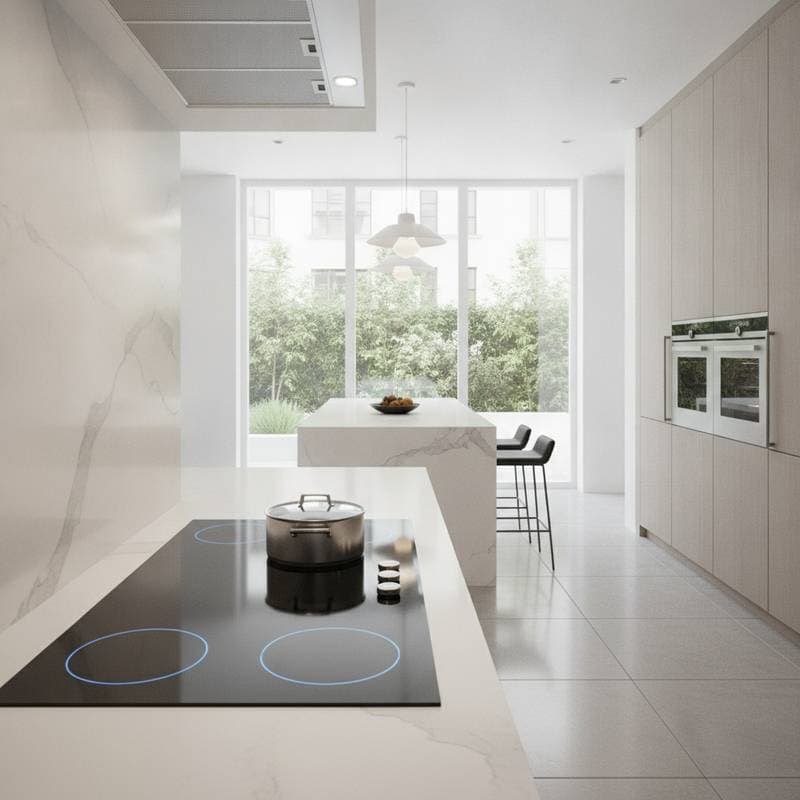
- Versatile Aesthetics: Smooth glass tops and customizable installations complement minimalist and high-end kitchen designs.
These features not only meet practical needs but also align with broader sustainability goals by reducing household energy demands.
Evaluating Costs and Installation Requirements
A standard induction cooktop ranges from $1,000 to $3,000, covering the unit and initial setup. Premium options, particularly those designed for seamless cabinet integration, may exceed $5,000. Homes with existing 240-volt electrical service facilitate straightforward upgrades; older properties might require a new circuit, adding $300 to $700 in electrical work.
Compatible cookware must consist of ferromagnetic materials, such as cast iron or specific stainless steel varieties. Test existing pieces with a magnet: if it adheres, the item works with induction. Budget $150 to $300 for a basic set of induction-ready pots and pans if replacements prove necessary.
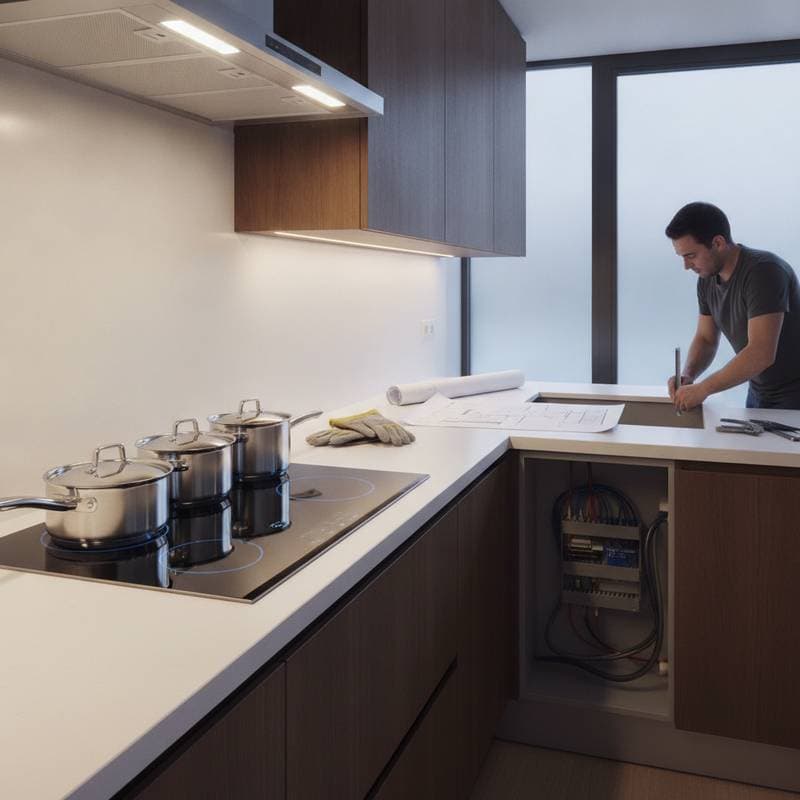
Professional installation ensures compliance with local codes and optimal performance. Consult an electrician early to assess wiring capacity and avoid unexpected expenses during the project.
Integrating Induction into Contemporary Kitchen Layouts
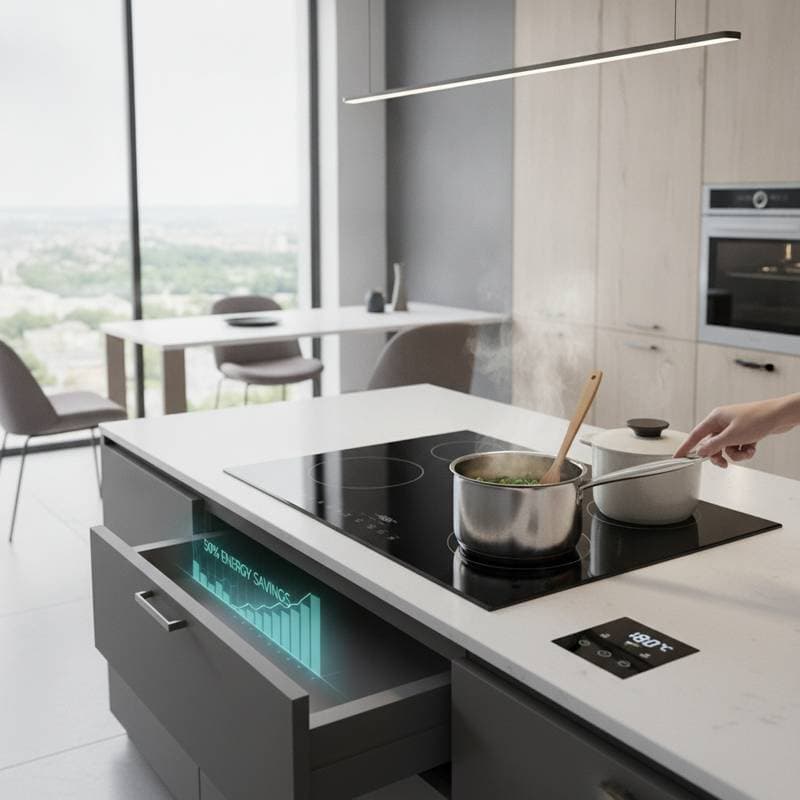
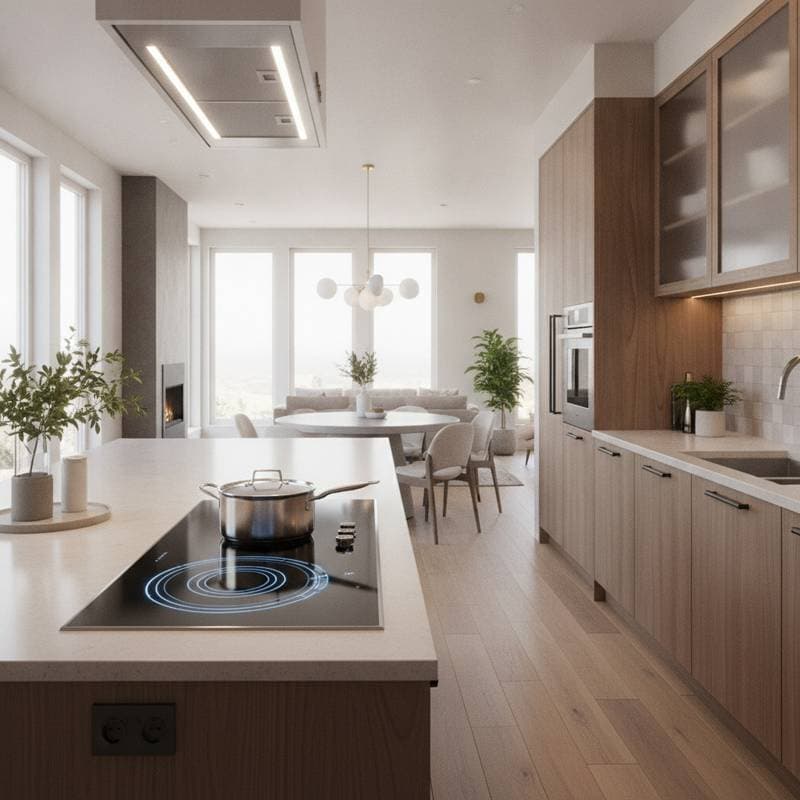
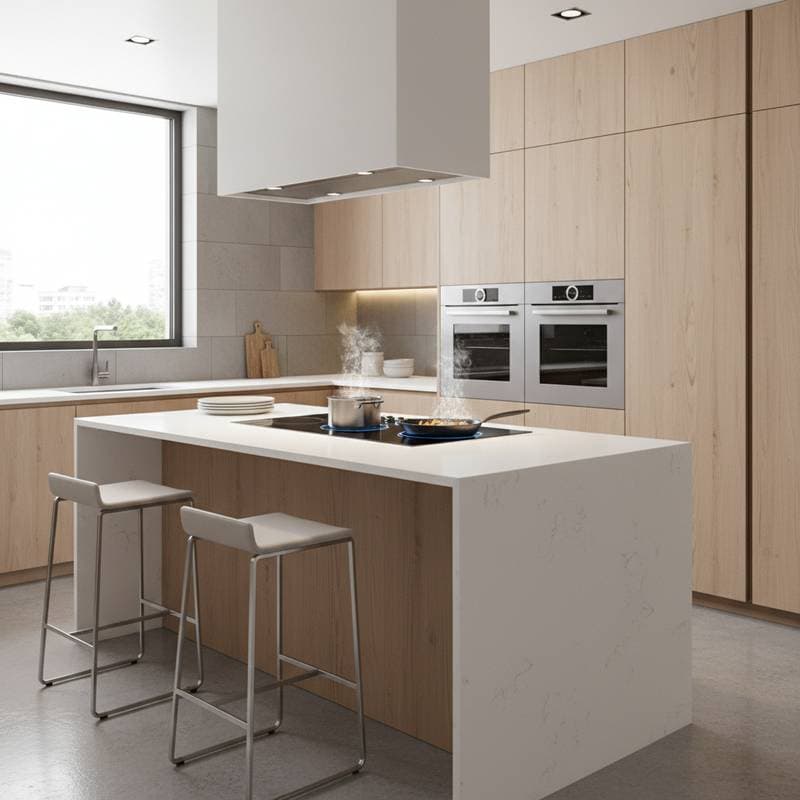
The slim profile of induction units promotes unobstructed views in kitchen islands and peninsulas. Designers frequently embed them within continuous countertop materials, such as quartz or granite, for a monolithic appearance. Pairing with downdraft systems eliminates the need for prominent overhead hoods, freeing space for decorative elements.
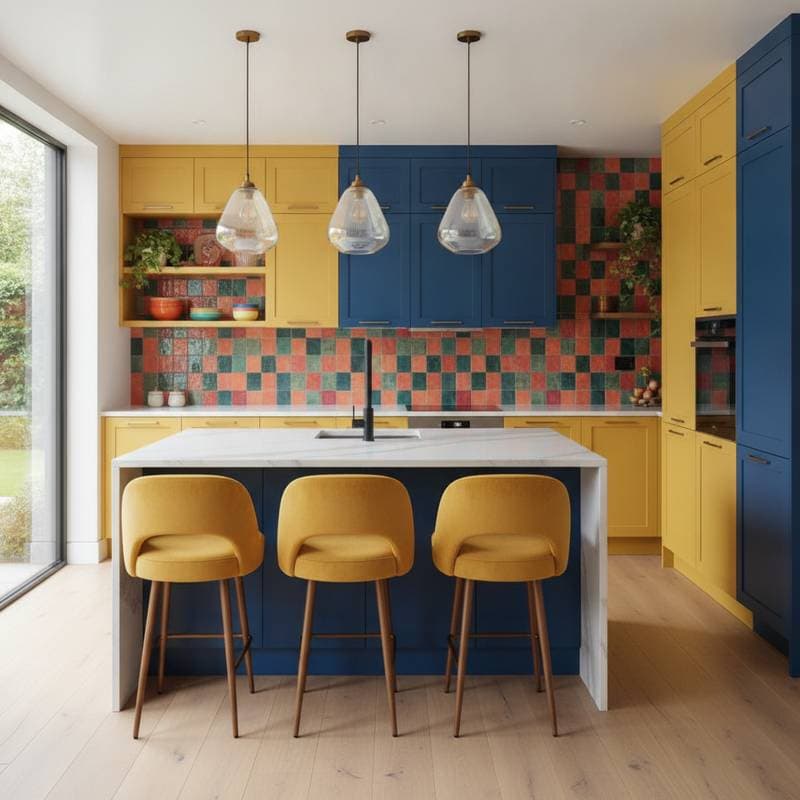
Induction produces less radiant heat than gas, maintaining comfortable temperatures in compact or open-concept areas. This efficiency supports innovative layouts, including the placement of pendant lighting or exposed shelving directly above the cooking area without ventilation interference.
Overall, these adaptations foster kitchens that balance functionality with visual elegance, appealing to homeowners seeking professional-grade capabilities in everyday spaces.
Addressing Safety and Performance Factors
Induction suits most households, provided electrical infrastructure meets the demands of 40 to 50 amps per unit. Verify your home's panel capacity through a licensed electrician to prevent overloads or fire hazards.
Individuals with pacemakers or implantable defibrillators should consult healthcare providers, as the magnetic fields may affect device operation. Maintain a distance of at least two feet from such devices during use to minimize potential interference.
Performance remains consistent across various cooking tasks, from simmering sauces to searing meats. The technology responds instantly to adjustments, offering the precision chefs value without the hazards of open flames.
Steps to Transition to Induction Cooking
Adopting induction represents an opportunity to upgrade beyond regulatory compliance, embracing a system that enhances efficiency and design. Start with an electrical audit to confirm compatibility, then select models based on burner count, power levels, and smart features like Wi-Fi connectivity for remote monitoring.
Coordinate with contractors for countertop modifications, as induction requires exact cutouts for flush installation. Test cookware compatibility during the planning phase to streamline the process.
Upon completion, users experience accelerated cooking times, effortless maintenance, and a more temperate kitchen atmosphere. As gas limitations proliferate, induction demonstrates that superior performance and thoughtful design coexist effectively in forward-thinking homes.