The Rise of Gas Restrictions and the Induction Solution
Cities and states across the United States implement stricter regulations on gas appliances. These measures aim to reduce emissions and improve indoor air quality. Induction cooktops provide a reliable alternative that aligns with these changes while enhancing kitchen functionality.
Health concerns drive many bans, as gas stoves release pollutants like nitrogen dioxide. Environmental goals also play a role, targeting lower carbon footprints in homes. Homeowners face the challenge of adapting without losing cooking performance.
Induction technology addresses these issues directly. It uses electromagnetic fields to heat cookware efficiently. This method eliminates the need for gas lines, making it ideal for restricted areas.
How Induction Cooktops Function
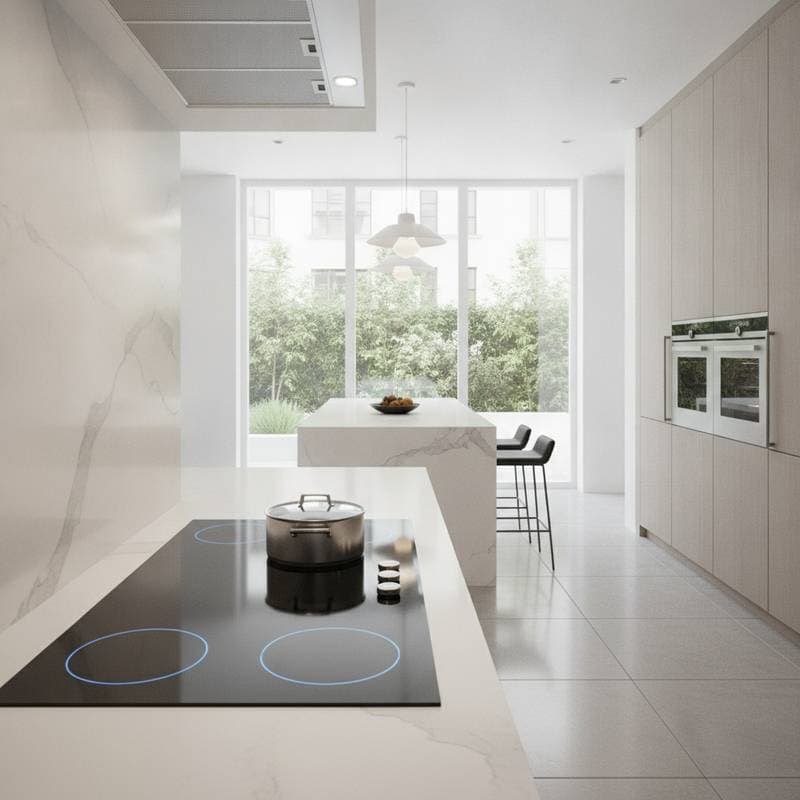
Induction cooktops operate through a coil beneath the surface that generates a magnetic field. When compatible cookware sits on the surface, the field induces heat directly in the pan. The cooktop surface remains relatively cool, preventing burns from hot zones.
This direct heating method boils water faster than gas in most cases. Users experience consistent temperatures without hot spots. Cleaning proves simple, as spills do not bake onto a hot surface.
Power comes from standard electrical outlets in many models. Higher-end units may require a dedicated circuit for full performance. Installation often involves less disruption than gas line modifications.
Key Benefits of Switching to Induction
Induction offers superior speed in heating. A pot reaches boiling point in half the time compared to gas equivalents. This efficiency saves energy and reduces cooking duration.
Precision stands out as another advantage. Temperature settings remain stable, ideal for delicate tasks like simmering sauces. Chefs appreciate the responsive controls that adjust instantly to input.
Safety features enhance everyday use. Without an open flame, risks of fire or gas leaks diminish. The surface cools quickly after use, adding protection in busy households.
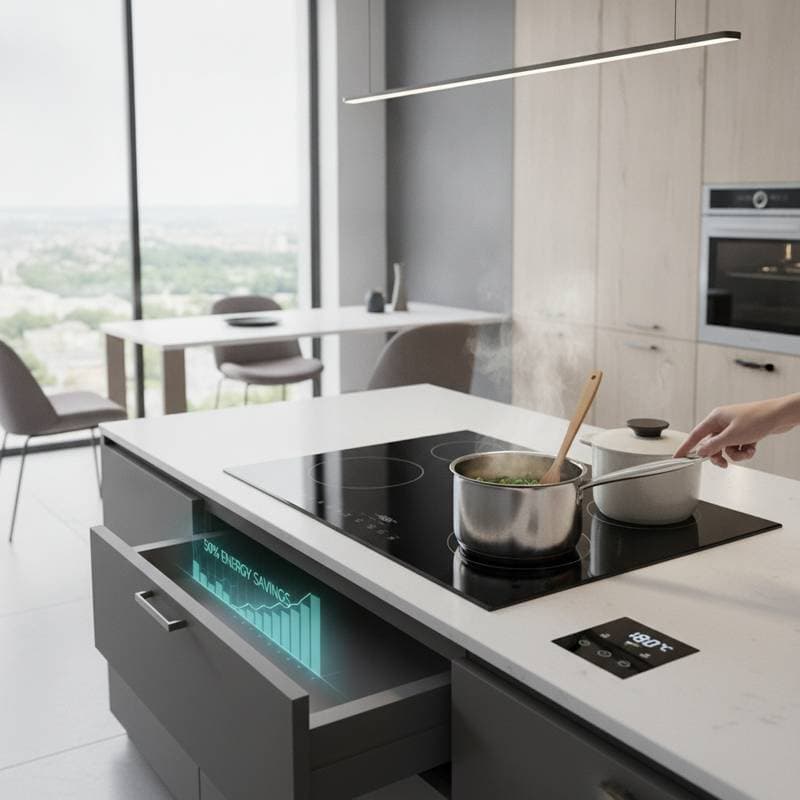
Energy savings accumulate over time. Induction transfers nearly ninety percent of energy to the food, far exceeding gas efficiency. Lower utility bills follow for frequent cooks.
Indoor air quality improves without combustion byproducts. Families breathe easier, especially those with respiratory sensitivities. The kitchen stays cooler, reducing the need for extensive ventilation.
Navigating Gas Bans with Induction
Regulations vary by location, but many prohibit new gas installations in buildings. Existing setups may face phase-outs or upgrades. Induction sidesteps these rules by relying on electricity.
Building codes often favor electric appliances in new constructions. Retrofitting older homes becomes straightforward with induction. Professional electricians handle most installations efficiently.
Rebates and incentives support the transition in several regions. Programs reward energy-efficient choices like induction. Homeowners consult local utilities for available assistance.
Performance matches or exceeds gas in professional tests. Restaurants adopt induction for its reliability. Home users discover similar satisfaction after switching.
Practical Steps for Installation
Assess your kitchen's electrical capacity first. Most homes support basic induction models. For larger units, an electrician verifies wiring adequacy.
Select cookware made of ferromagnetic materials, such as cast iron or stainless steel. Test existing pots with a magnet; if it sticks, the item works. Affordable adapters exist for non-compatible pieces.
Choose a size that fits your space and cooking habits. Portable single-burner options suit small kitchens or rentals. Full-surface models offer flexibility for multiple pots.
Installation typically takes a few hours. Countertop placement requires no modifications. Built-in versions integrate seamlessly with cabinetry.
Maintenance involves wiping the surface after cooling. Avoid abrasive cleaners to preserve the finish. Regular use keeps the unit performing optimally.
Selecting the Ideal Induction Cooktop
Consider burner configuration based on family size. Four-burner models accommodate group meals. Compact two-burner units fit solo or couple needs.
Look for features like power boost for rapid searing. Touch controls provide intuitive operation. Some models include timers and keep-warm settings.
Budget options start under three hundred dollars for basic functionality. Premium versions exceed one thousand, offering smart connectivity and advanced sensors.
Read user reviews for reliability insights. Brands with strong warranties ensure long-term value. Energy Star certification confirms efficiency standards.
Test in-store if possible to gauge responsiveness. Online purchases often include return policies for fit verification.
Embrace Efficiency and Innovation in Your Kitchen
Transitioning to induction positions your home for future regulations. It delivers professional-grade cooking with modern convenience. Families gain safer, cleaner spaces that support healthy lifestyles.
The upgrade pays dividends through savings and performance. Explore options today to transform daily routines. Your kitchen evolves into a hub of efficiency and enjoyment.