Transition to Induction: Upgrade Your Kitchen for Efficiency and Safety
The aesthetic appeal of a gas range often draws admiration, yet the excessive heat generated during cooking and the challenge of cleaning greasy components prompt many to reconsider this option. Homeowners now evaluate whether gas cooking aligns with contemporary needs for cleanliness, safety, and energy conservation. The shift to induction cooking represents more than a passing fad; it constitutes a strategic enhancement that transforms daily kitchen experiences.
For those contemplating a kitchen renovation or seeking to lower household emissions, induction cooking presents an opportune moment for exploration. This article examines the drivers behind this transition, associated expenses, and straightforward methods for implementation.
Core Principles of Induction Technology
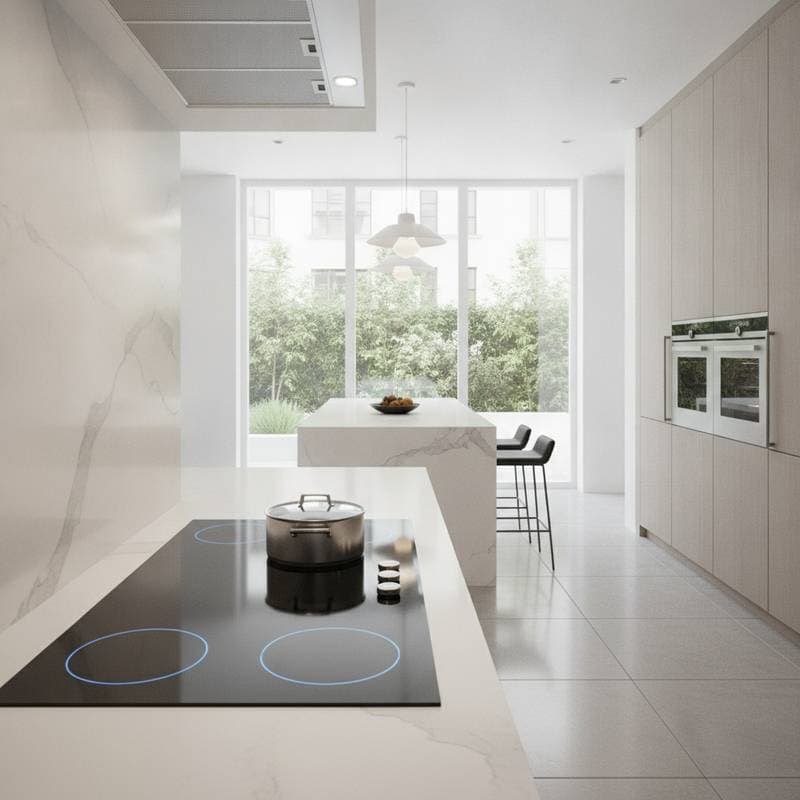
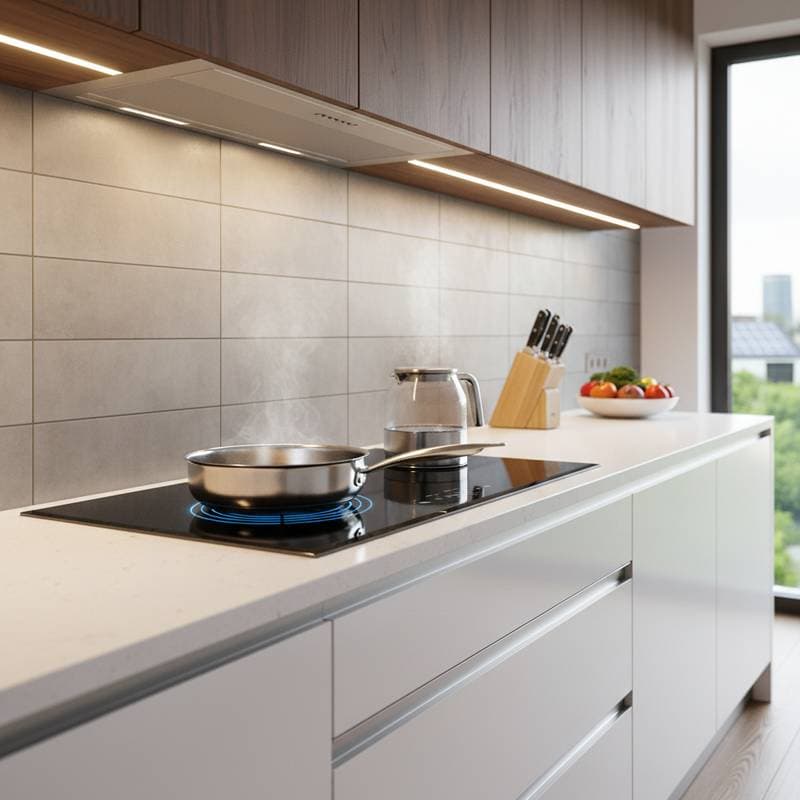
Induction cooking harnesses electromagnetic fields to generate heat directly within compatible cookware, bypassing the need for open flames or resistive heating elements. This process activates a magnetic field beneath the cooktop surface, which induces currents in the pan's base, elevating its temperature while the surrounding area remains comparatively temperate.
Homeowners who adopt induction technology appreciate several key attributes:
- Rapid Heating: Water reaches a boil in approximately half the time required by gas stoves, accelerating meal preparation.
- Exact Temperature Regulation: Adjustments occur instantaneously, enabling precise simmering for delicate sauces or high-heat searing for proteins without fluctuations.
- Enhanced Safety Features: Absence of flames or glowing elements minimizes risks of burns and accidental fires, particularly in homes with children or pets.
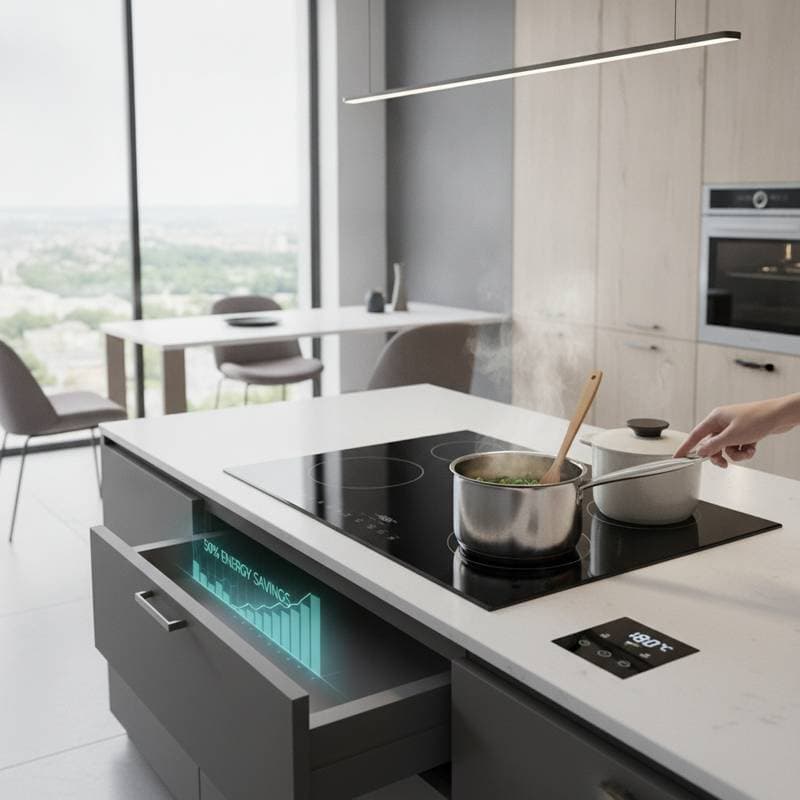
- Superior Energy Utilization: Between 85 and 90 percent of input energy contributes to cooking, far exceeding the 40 percent efficiency of gas systems.
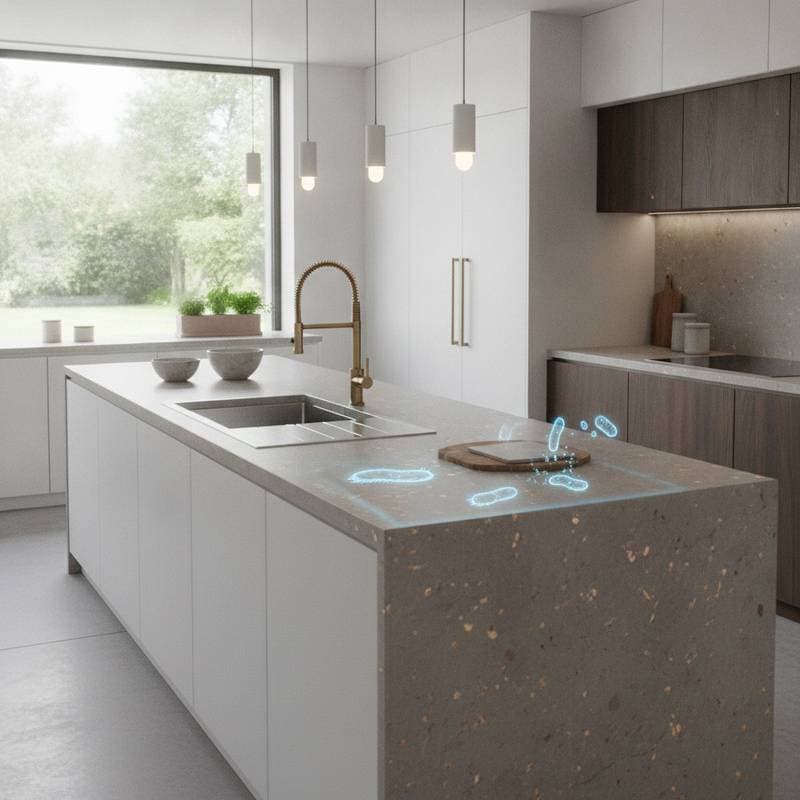
- Simplified Maintenance: The smooth glass surface resists baked-on residues, as spills encounter minimal heat, facilitating quick wipes with a damp cloth.
Advancements in induction design now provide diverse options, including affordable portable units with two burners for small spaces and high-end ranges equipped with smart sensors for professional chefs.
Detailed Cost Analysis and Financial Considerations
Converting to induction involves several components, each with varying price points based on quality and scope. The following table outlines estimates for different budget levels, assuming a standard residential installation:
| Component | Budget Option | Standard Option | Luxury Option |
|---|---|---|---|
| Induction Range or Cooktop | $1,000 | $2,000 | $3,500+ |
| Electrical Upgrades | $300 | $600 | $800 |
| Gas Line Sealing | $100 | $200 | $250 |
| Compatible Cookware Set | $150 | $250 | $400 |
| Professional Installation | $150 | $250 | $300 |
| Total Estimate | $1,700 | $3,300 | $5,250+ |
Initial investments appear substantial, but induction systems yield returns through diminished energy consumption and reduced utility expenses over time. Electric components demand less upkeep, eliminating the need for frequent grate cleaning or igniter repairs common in gas appliances.
To optimize costs, assess existing electrical capacity early; many homes require only a dedicated 240-volt circuit, which qualified electricians can install efficiently. Additionally, rebates from utility providers or government incentives for energy-efficient appliances often offset 10 to 20 percent of expenses.
Broader Impacts on Health and the Environment
Transitioning from gas reduces direct contributions to climate change, as combustion releases carbon dioxide and methane both during operation and throughout the fuel's lifecycle. Induction cooking produces zero on-site emissions, aligning with global efforts to curb greenhouse gases.
Health improvements manifest in multiple ways. Without combustion byproducts, the risk of carbon monoxide exposure diminishes, potentially allowing relocation of detectors elsewhere in the home. Enhanced indoor air quality results from eliminated odors and particulate matter, preserving cabinetry and reducing allergy triggers. Families prioritizing wellness find induction supports a fresher cooking atmosphere without compromising culinary outcomes.
Sustainability enthusiasts value this change as a concrete action; for instance, a household cooking daily might avert hundreds of pounds of CO2 emissions annually, equivalent to planting several trees.
Steps for a Seamless Kitchen Conversion
Electrifying the kitchen delivers enduring benefits in usability, performance, and security. Integrate electrical modifications into broader remodel plans to streamline workflows and contain disruptions.
For standalone projects, proceed methodically:
-
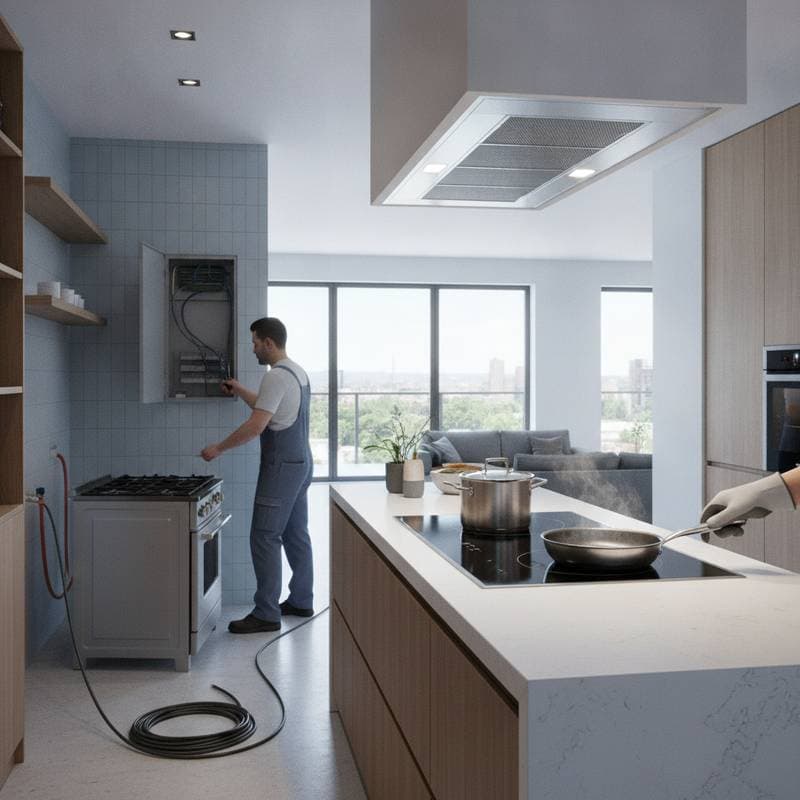
Consult a licensed electrician to evaluate panel capacity and circuit requirements, obtaining quotes for any necessary upgrades.
-
Engage a plumber to safely cap and remove the gas line, ensuring compliance with local codes.
-
Select an induction unit suited to your space—portable models suit renters, while built-in cooktops integrate seamlessly into countertops.
-
Verify cookware compatibility; ferromagnetic materials like cast iron or stainless steel with magnetic bases perform best. Test existing pots by attracting a magnet to their bottoms, or invest in a basic set for versatility.
-
Schedule installation during off-peak hours to minimize inconvenience, typically completing in one day.
Post-installation, the enhancements become evident: cooler ambient temperatures during use, effortless post-meal tidying, and accelerated cooking times that enhance meal enjoyment.
Realizing Everyday Advantages Through Induction
Induction cooking evolves from an elite feature into an essential for discerning home cooks. It fosters a space that prioritizes precision, purity, and practicality, elevating routine tasks into efficient pleasures. Embrace this upgrade to align your kitchen with forward-thinking standards of living.