Understanding Japandi Wabi-Sabi: The Essence of Calm Imperfection
Consider entering a living room where sleek lines and matching furnishings create an overly polished appearance, yet the atmosphere remains distant and uninviting. Now envision that same area transformed with soft, tactile fabrics, asymmetrical ceramics, and subtle irregularities in the wall treatment. This shift toward quiet reassurance captures the core of Japandi Wabi-Sabi, a design movement gaining prominence in contemporary homes.
Japandi Wabi-Sabi integrates the streamlined elegance of Japanese aesthetics with the practical coziness of Scandinavian influences, all underpinned by the Wabi-Sabi principle that true beauty resides in transience and flaw. Originating from ancient Japanese tea ceremonies, Wabi-Sabi celebrates the natural cycle of growth and decay, while Japandi refines this into a modern framework for serene interiors. For those seeking a refreshing update to their living spaces, this style delivers an authentic, grounded sanctuary that evolves with daily life.
The Appeal for Modern Homeowners
In an era dominated by fast-paced digital lives and maximalist decor, many individuals yearn for environments that promote tranquility and focus. Japandi Wabi-Sabi addresses this need by stripping away excess to reveal spaces that feel both inviting and restorative. Beyond aesthetics, the style aligns with broader values of sustainability and mindfulness, making it a practical choice for thoughtful living.
Several factors contribute to its widespread adoption. First, the emphasis on neutral tones and sparse arrangements eases mental clutter, allowing rooms to serve as retreats from external demands. Second, the use of durable, eco-friendly resources like reclaimed wood and organic fibers ensures longevity without frequent replacements. Finally, the acceptance of minor flaws, such as weathered edges or handmade inconsistencies, infuses personality and reduces the pressure for flawless upkeep.
To illustrate, consider a family updating their dining area. They replace glossy tabletops with matte oak surfaces that bear natural grain variations, paired with simple linen runners. The result is a gathering space that encourages unhurried meals and genuine connections, rather than superficial displays.
Key Principles Driving the Style
At its heart, Japandi Wabi-Sabi revolves around balance and restraint. Japanese minimalism contributes clean forms and negative space, preventing visual overload. Scandinavian elements introduce functionality through ergonomic shapes and layered comfort, ensuring usability alongside beauty.
Wabi-Sabi elevates these by honoring impermanence; a vase with a slight chip or a rug showing faint wear becomes a testament to lived experience. This philosophy extends to color choices, favoring earth-inspired hues like soft grays, warm beiges, and muted greens that mimic natural landscapes. Together, these principles create interiors that adapt to seasons and personal stories, fostering a sense of harmony.
Sustainability forms another pillar. Designers source materials from renewable forests or recycled sources, minimizing environmental impact. For instance, bamboo flooring or wool throws not only enhance texture but also support ethical production chains, appealing to eco-conscious residents.
Implementing Japandi Wabi-Sabi Step by Step
Transitioning to this style requires intentional, incremental changes rather than wholesale overhauls. Begin by assessing your current setup to identify opportunities for simplification. This methodical process builds confidence and reveals the style's versatility across room types.
Step 1: Declutter with Purpose
Examine each item in a targeted area, such as the bedroom, and retain only essentials that spark joy or utility. Discard or donate vibrant accents or duplicate pieces that disrupt flow. This editing phase establishes a foundation of openness, often transforming the room's energy without additional spending.
In practice, a homeowner might clear nightstands of ornate lamps, opting instead for a single wooden tray holding a book and candle. The resulting minimalism highlights existing architecture and invites deeper rest.
Step 2: Introduce Organic Textures
Layer in elements that engage the senses through touch, such as a hand-knitted blanket or rattan basket. These additions provide depth without relying on bold patterns or colors. Focus on items crafted from natural fibers to align with the style's organic ethos.
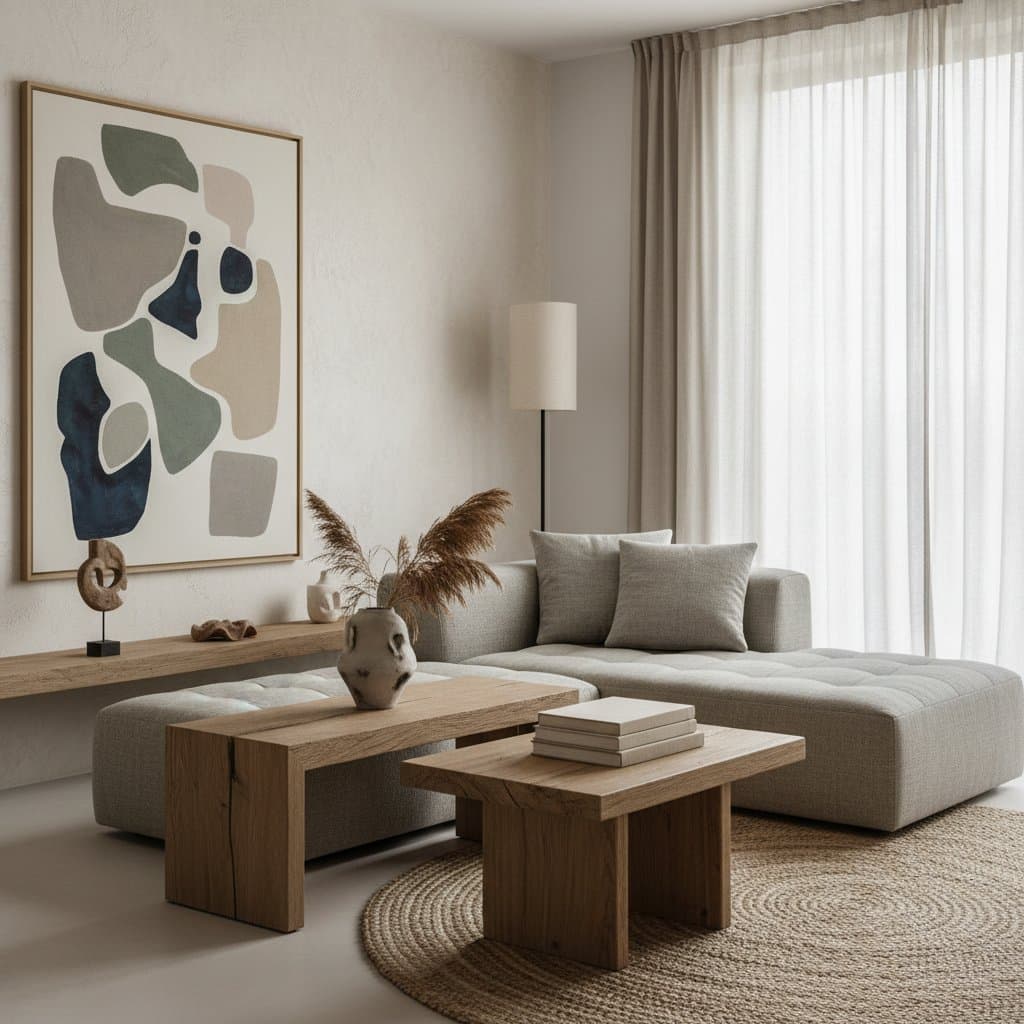
For a living room, drape a jute rug over existing flooring and add linen pillows to the sofa. The subtle variations in weave and dye create visual interest that evolves with light throughout the day.
Step 3: Select a Signature Material
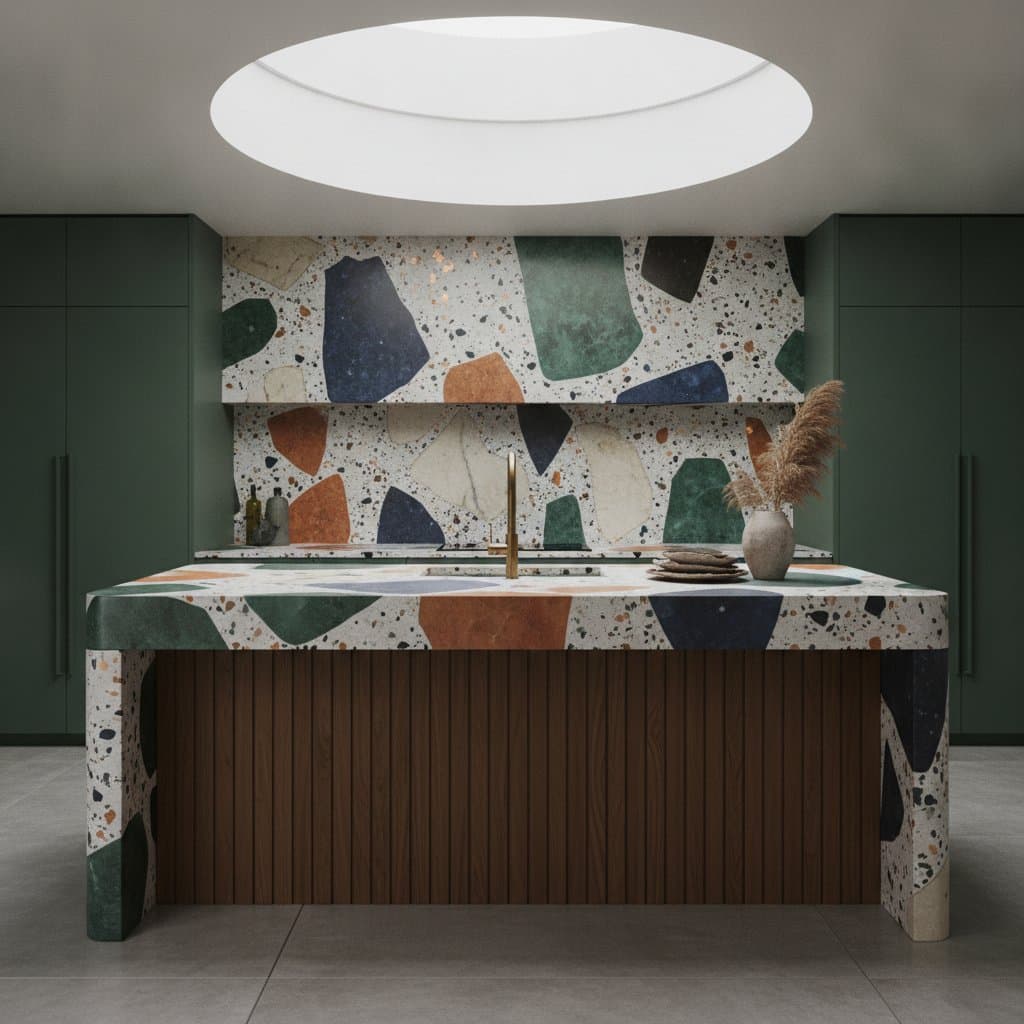
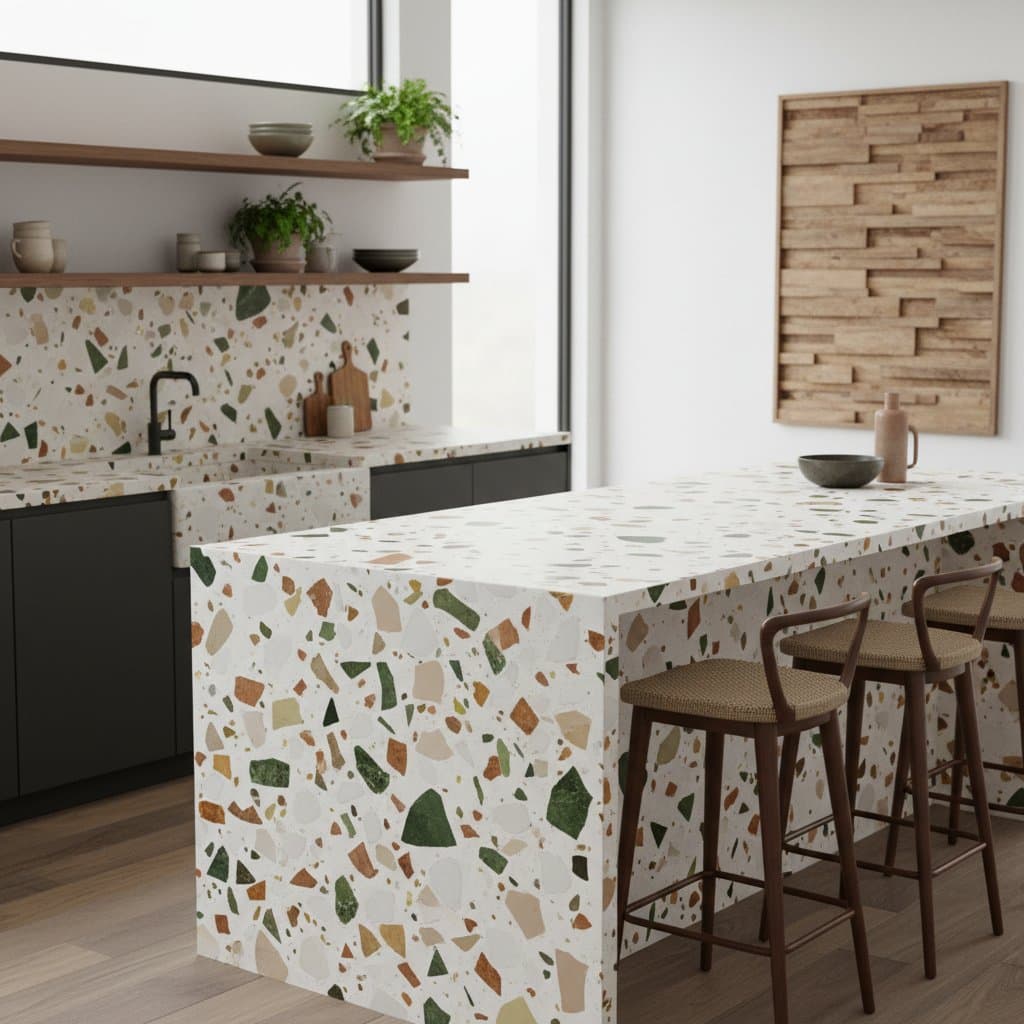
Anchor the design with one primary substance per space, repeating it in furniture, accents, and fixtures for unity. In a kitchen, light ash wood might appear in cabinets, cutting boards, and stools. This repetition fosters cohesion while allowing flexibility in secondary details.
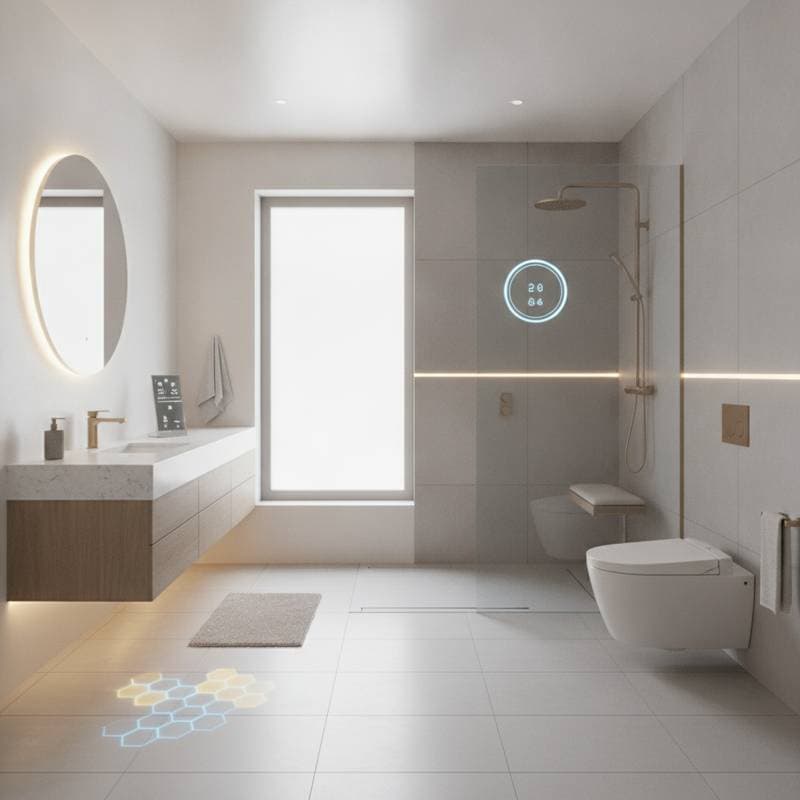
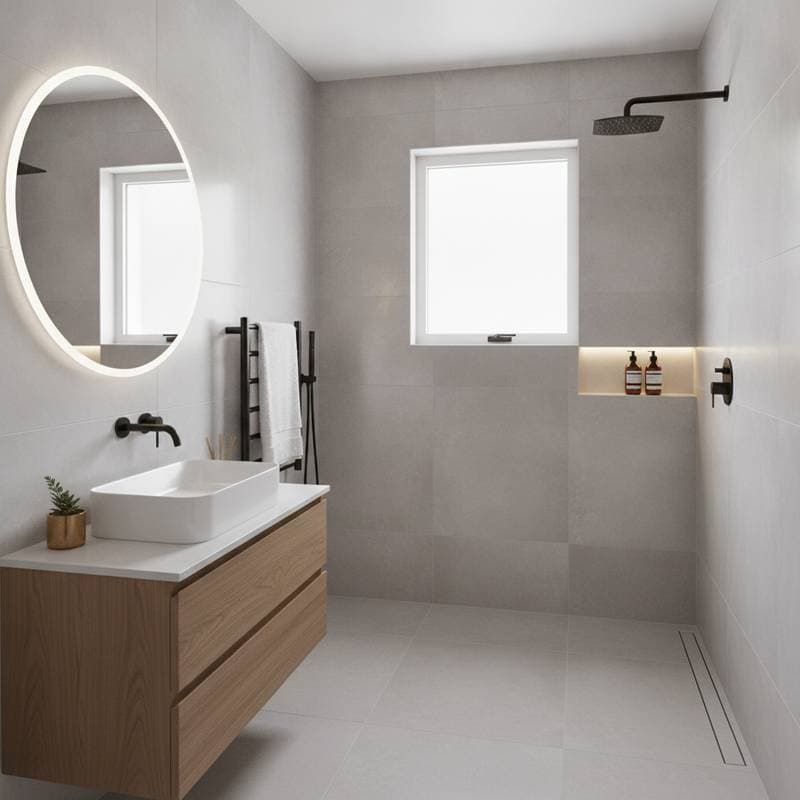
Bathrooms benefit from slate tiles or soapstone counters, their inherent veining adding quiet character. Consistency in material choice prevents fragmentation and enhances the serene mood.
Step 4: Maximize Ambient Lighting
Prioritize diffused natural light by polishing glass panes and installing translucent shades. Artificial sources should mimic daylight with warm LEDs in simple fixtures. Proper illumination accentuates material nuances, such as the soft glow on linen folds or wood grains.
In a home office, position a desk near a window with gauzy curtains to filter harsh rays. This setup not only reduces eye strain but also integrates the outdoors, blurring boundaries for a more expansive feel.
Step 5: Incorporate Intentional Imperfections
Seek out or create subtle asymmetries, like a pottery piece with an uneven rim or a painted wall with visible roller marks. These details humanize the space, countering any risk of sterility. Source from local makers or repurpose family heirlooms to infuse personal narrative.
A hallway might feature a thrifted mirror frame with patina, reflecting light imperfectly to draw the eye gently. Such elements remind inhabitants that beauty thrives in authenticity.
Expert Strategies for Refinement
Professionals emphasize integration over isolation in Japandi Wabi-Sabi applications. Blend contemporary pieces with antiques; a sleek armchair next to a carved wooden chest creates dynamic contrast. Restrict wall decor to focal points, such as a single oversized print in monochromatic tones, to maintain breathing room.
Opt for non-reflective surfaces throughout, as matte paints and finishes absorb light softly. Build depth through textiles by overlapping a seagrass mat with a shearling throw in neutral shades. Conceal storage solutions seamlessly, using built-in shelves or lidded bins that match surrounding palettes.
Sourcing plays a crucial role. Explore farmers' markets for artisanal ceramics or online platforms for upcycled furniture. These avenues yield one-of-a-kind items that embody Wabi-Sabi's handmade spirit while promoting circular economies.
For larger projects, consult color wheels to ensure harmony; pair taupes with sage accents for subtle vibrancy. Test samples in situ, as natural light alters perceptions daily.
Sustaining the Design Over Time
A well-executed Japandi Wabi-Sabi interior demands gentle stewardship to preserve its evolving charm. Seasonally treat wooden elements with natural oils to enhance grain without altering appearance. Clean textiles by hand or on delicate cycles to retain softness and shape.
As items age, view changes as enhancements; a faded cushion cover gains depth, mirroring life's passages. This maintenance routine not only extends piece longevity but also reinforces the philosophy of mindful habitation.
Should circumstances change, such as a relocation, carry forward the core tenets of simplicity and imperfection. Adapt the aesthetic to new contexts, ensuring it remains a reflection of personal values rather than rigid adherence.
Realizing Tranquil Spaces Today
Achieving Japandi Wabi-Sabi involves deliberate choices that prioritize quality over quantity. Begin with accessible updates, like swapping synthetic cushions for cotton ones or introducing a stone sculpture. Each addition cultivates an atmosphere of peace and presence.
Ultimately, this design fosters homes that support well-being and authenticity. Residents report heightened focus, reduced anxiety, and deeper appreciation for surroundings. Embrace the approach to craft environments that endure, nurturing both body and spirit in harmonious imperfection.