Embracing Japandi: Principles for Serene, Organic Interiors in 2026
Consider a living room overwhelmed by mismatched furniture and excessive ornaments. Such spaces often drain energy rather than restore it. Japandi design offers a solution through its seamless integration of Japanese minimalism and Scandinavian comfort, fostering environments that promote tranquility while remaining inviting and practical.
This style transcends fleeting fashions. It provides a structured method to eliminate excess, prioritize sustainable materials, and cultivate interiors that support daily well-being. The following sections outline essential principles and strategies to incorporate Japandi into your home, yielding lasting serenity.
Harmonizing Functionality with Comfort
Japandi draws from two distinct cultural foundations: the Japanese concept of wabi-sabi, which celebrates understated elegance, transient beauty, and inherent flaws, and the Danish hygge, which prioritizes coziness, contentment, and intimate gatherings. This combination yields interiors that achieve minimalism without austerity and utility without constraint.
Every element serves a dual purpose of aesthetics and purpose. Select multifunctional items like ottomans with integrated storage, sleek platform beds, or sheer cotton curtains that filter light softly. Furniture should feature straightforward silhouettes and untreated surfaces, avoiding elaborate details to preserve openness and ease of movement.
Essential Components of Japandi Aesthetics
To integrate Japandi effectively, focus on foundational aspects that unify the design. These components work together to establish a soothing, integrated atmosphere.
Neutral, Earth-Inspired Color Schemes
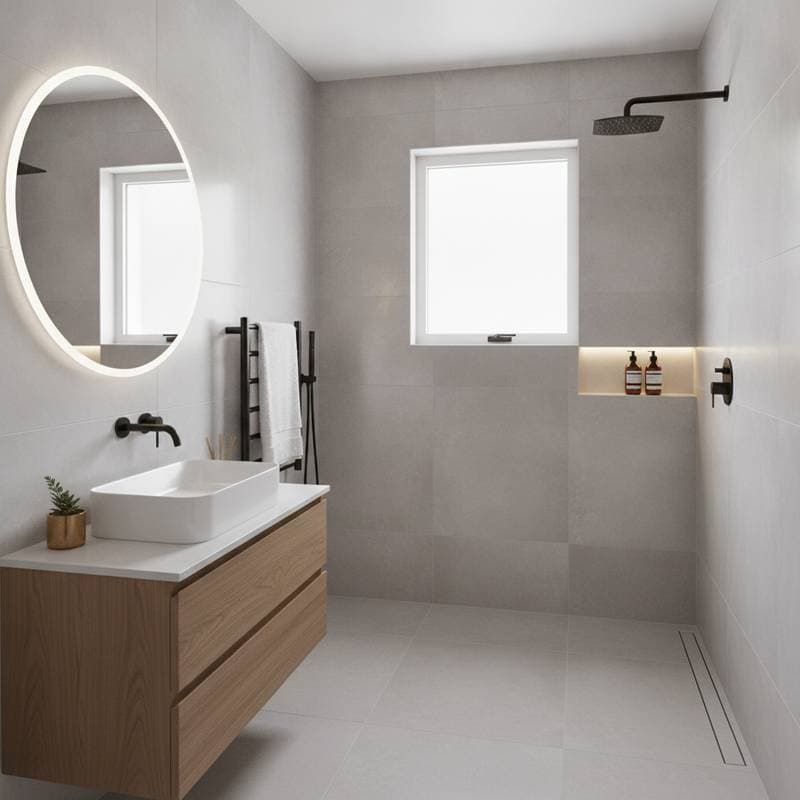
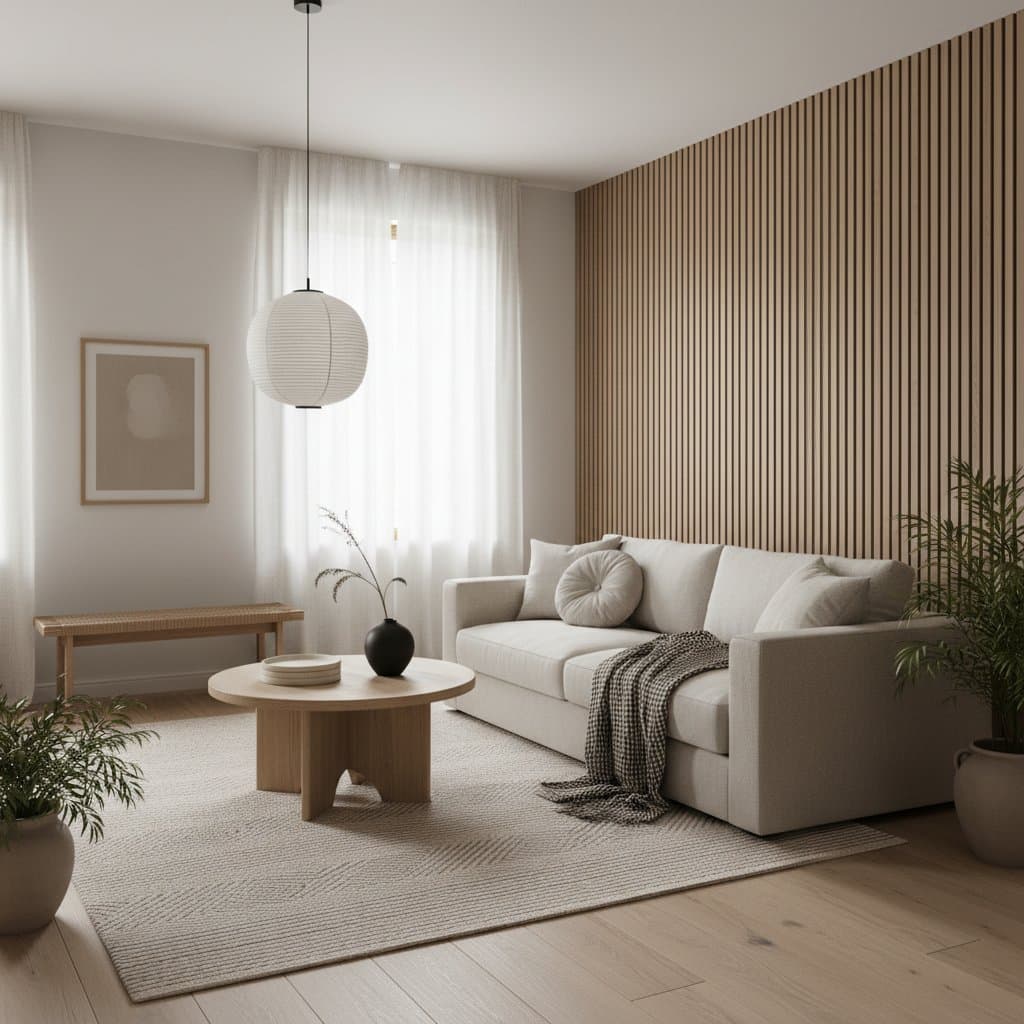
Employ subdued hues such as soft beiges, warm taupes, creamy off-whites, and muted grays to form a serene foundation. Introduce subtle variation with deeper shades like soft charcoal or rich walnut for grounding effects, ensuring transitions remain gentle. This palette echoes natural landscapes, promoting relaxation over dramatic contrasts.
Textural, Sustainable Materials
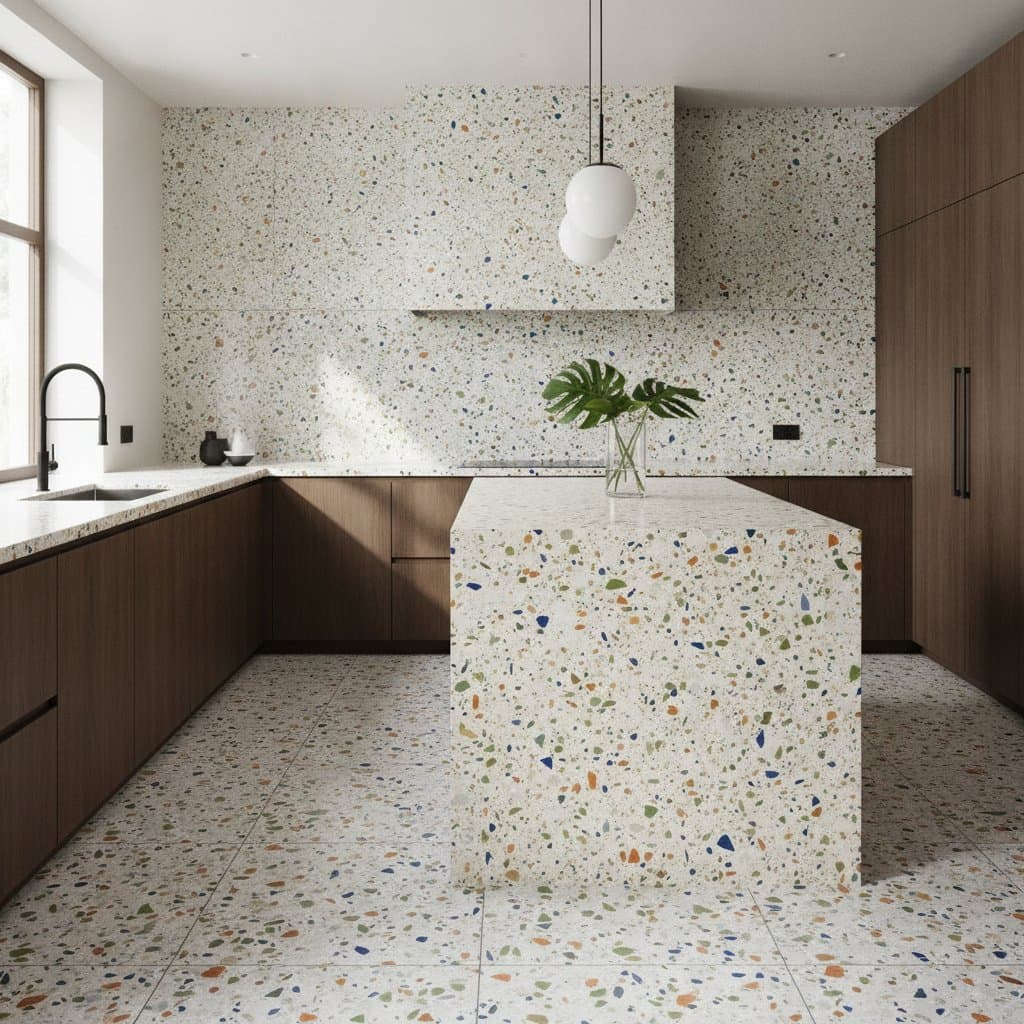
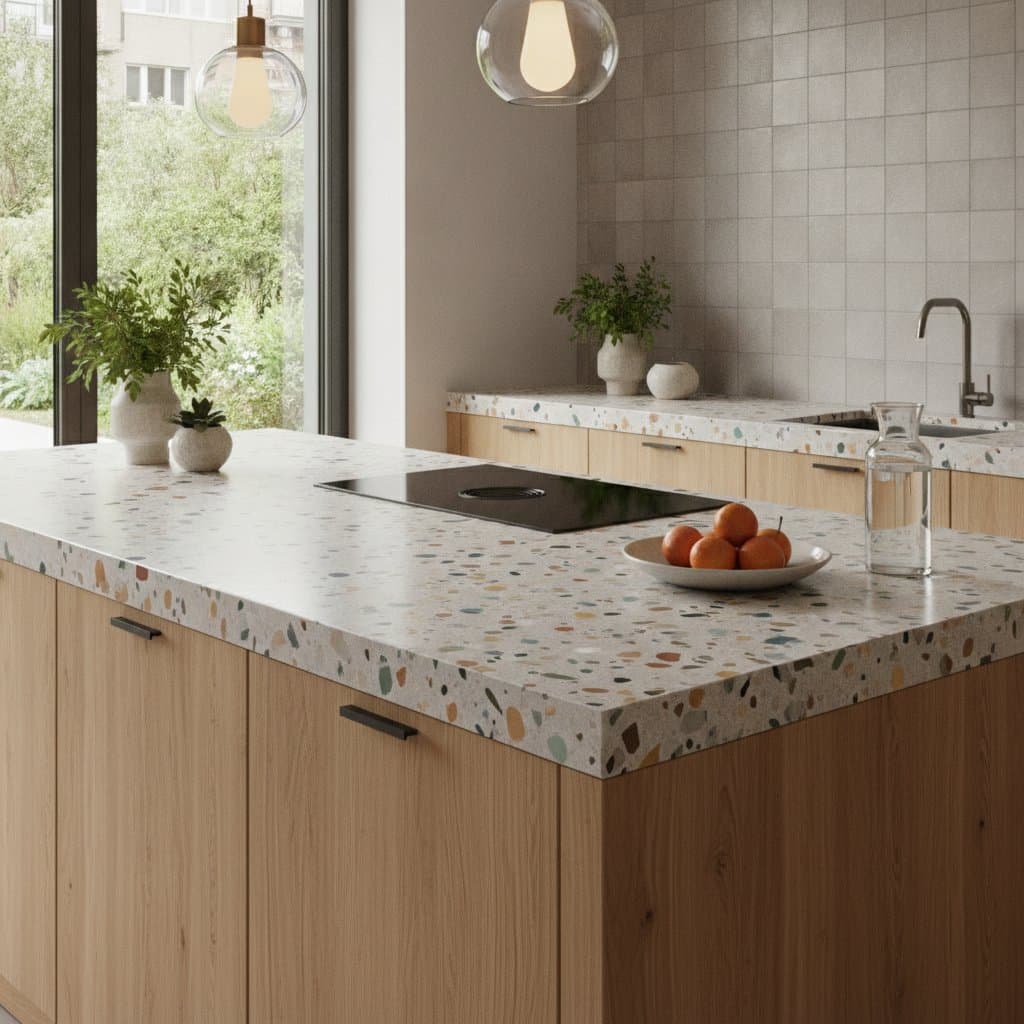
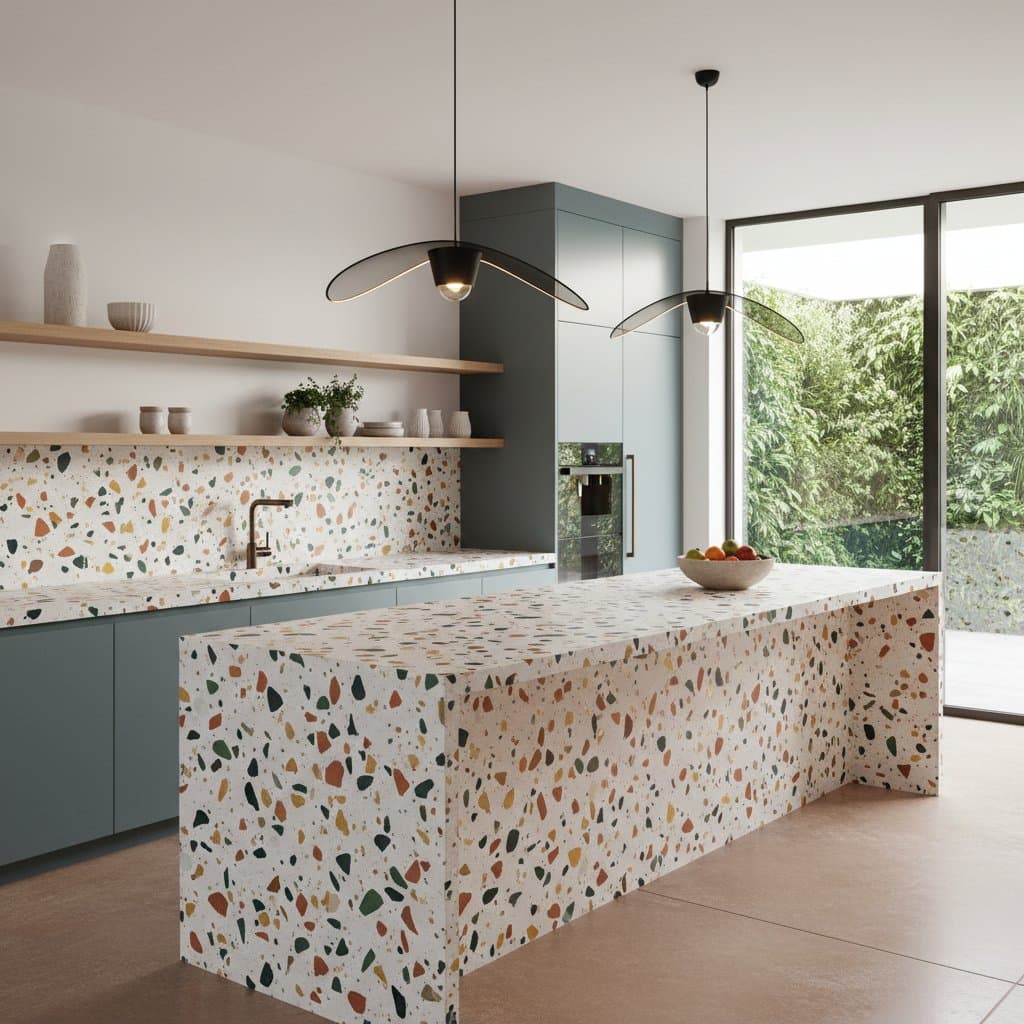
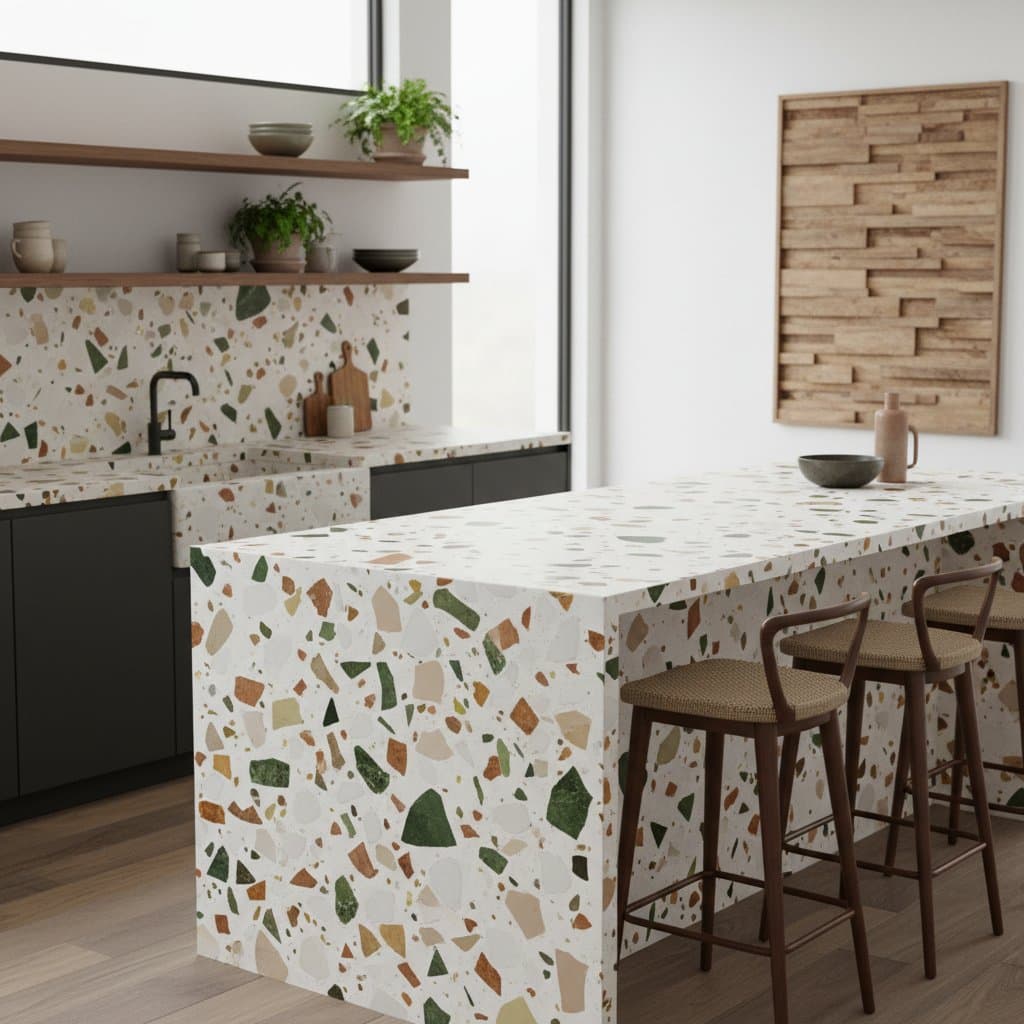
Incorporate elements derived from nature to infuse vitality into sparse arrangements. Opt for solid oak in cabinetry, flexible bamboo for shelving, woven rattan in seating, crisp linen for upholstery, and matte clay for accents. For floors, select wide-plank engineered oak or strand-woven bamboo, both durable and low-maintenance. Layer in breathable fabrics like organic cotton blankets or hand-knotted wool area rugs to enhance tactile comfort without overwhelming the eye. Choose raw stone countertops or unglazed ceramic tiles to highlight organic grains and subtle variations.
Streamlined, Purposeful Furnishings
Prioritize low-profile pieces that emphasize artisanal construction, such as tables joined with traditional dovetail techniques or chairs with woven rush seats. Invest in a curated selection of durable items over abundant, inexpensive alternatives; for instance, a single solid-wood dining set suffices for a family of four. This strategy not only streamlines finances over time but also fosters airy circulation, making rooms feel expansive and restful.
Ambient, Layered Illumination
Illuminate spaces with sources that emit soft, even radiance to amplify the calming ambiance. Favor adjustable floor lamps with rice-paper diffusers, table fixtures shaded in neutral fabrics, or wall-mounted options in etched glass for indirect warmth. Integrate slim LED strips under shelves or within coves for customizable glow. When selecting contemporary pieces, adhere to Japandi by choosing fixtures in reclaimed wood or brushed metal finishes that blend seamlessly.
Integrating Natural Elements Indoors
Enhance the design with live greenery that complements the aesthetic's organic ethos. Select resilient varieties like the resilient monstera, compact Japanese maple bonsai, or upright sansevieria for architectural interest. Arrange them sparingly in ceramic pots or woven baskets to avoid density. Extend this connection via features like live-edge wooden consoles, pebble trays for humidity, or vertical gardens using preserved moss to evoke outdoor tranquility.
Implementation Strategies for Homeowners
Approach Japandi adoption methodically to align with your resources and objectives.
Budgeting Options:
Adapt the style to various financial levels for accessibility.
- Low-Cost Adjustments: Reorganize existing layouts to improve traffic flow and declutter shelves. Introduce affordable updates like thrifted rattan trays or neutral wall art, typically costing less than $150.
- Moderate Investments: Upgrade focal points such as a modular sectional in linen or a extendable teak console, with expenditures ranging from $2,000 to $5,000 based on dimensions and sourcing.
- Luxury Enhancements: Commission bespoke joinery, imported fixtures, or sculptural installations, where budgets exceed $12,000, ensuring heirloom-quality results.
Project Timelines:
Refresh a single area, like a bedroom, over a single weekend by focusing on color and textiles. A comprehensive overhaul across multiple rooms might span one to three months, proceeding room by room to minimize disruption.
Safety and Expertise Needs:
Engage certified contractors for structural changes, including hardwood installation, electrical modifications for lighting, or custom millwork, which may necessitate building approvals. Handle cosmetic tasks, such as wall priming or accessory placement, independently to build confidence.
Long-Term Value:
The enduring appeal of Japandi lies in its versatile neutrality and robust construction. Prospective buyers value the uncluttered presentation, adaptable schemes, and efficient spatial planning, potentially increasing resale prices by 5 to 10 percent without extensive overhauls.
Sustaining Japandi in Daily Life
After implementation, the transformed environment fosters immediate calm and focus. Upkeep proves straightforward due to reduced possessions and resilient choices; dust wooden surfaces weekly with a soft cloth, and vacuum textiles gently to preserve integrity.
Adapt as needs evolve by introducing seasonal layers, such as lightweight hemp throws in summer or shearling pillows in winter. If minimalism feels stark, incorporate artisanal items like wheel-thrown vases in earthy tones or framed botanical prints. The style's adaptability ensures it supports shifting routines while retaining core harmony.
Steps to Initiate Your Japandi Transformation
Begin with a targeted space, such as the entryway, by purging non-essential items and applying a unifying neutral wash. Introduce one or two natural accents, like a jute runner or wooden hook rail, and assess the impact on your sense of arrival. Gradually extend these tactics to adjacent areas, refining based on how they influence relaxation and productivity. Consistent application cultivates a cohesive sanctuary that nurtures well-being over time.
Japandi succeeds through deliberate, incremental decisions that prioritize essence over excess, resulting in homes that soothe the mind and elevate everyday experiences.