Japandi’s Warm Fusion Set to Lead 2026 Designs
Examine your living room and consider why it might feel chaotic or cold despite careful decoration. Trendy colors and modern furniture may dominate, yet a sense of imbalance persists. Japandi style addresses this by blending Japanese simplicity with Scandinavian comfort, resulting in a warm, calm, and highly livable environment.
Homeowners increasingly adopt Japandi for its grounded, intentional, and soothing qualities. This approach honors craftsmanship, uncluttered spaces, and natural materials while avoiding sterility. For those seeking a space that combines minimalism with coziness, Japandi merits serious consideration.
The following sections outline how to incorporate this balanced aesthetic, associated costs, and best practices for implementation.
Why Japandi Leads the Next Design Wave
Homeowners shift from cluttered interiors and bold color schemes toward peaceful, functional areas that facilitate recharging. Japandi aligns seamlessly with this preference, offering an organic, sustainable, and timeless character.
Designers forecast its dominance in upcoming interiors due to the fusion of two influential design traditions, providing emotional comfort alongside clean visual organization. This style adapts readily to diverse climates and financial constraints. Residents of urban apartments or rural homes alike find its principles applicable with ease.
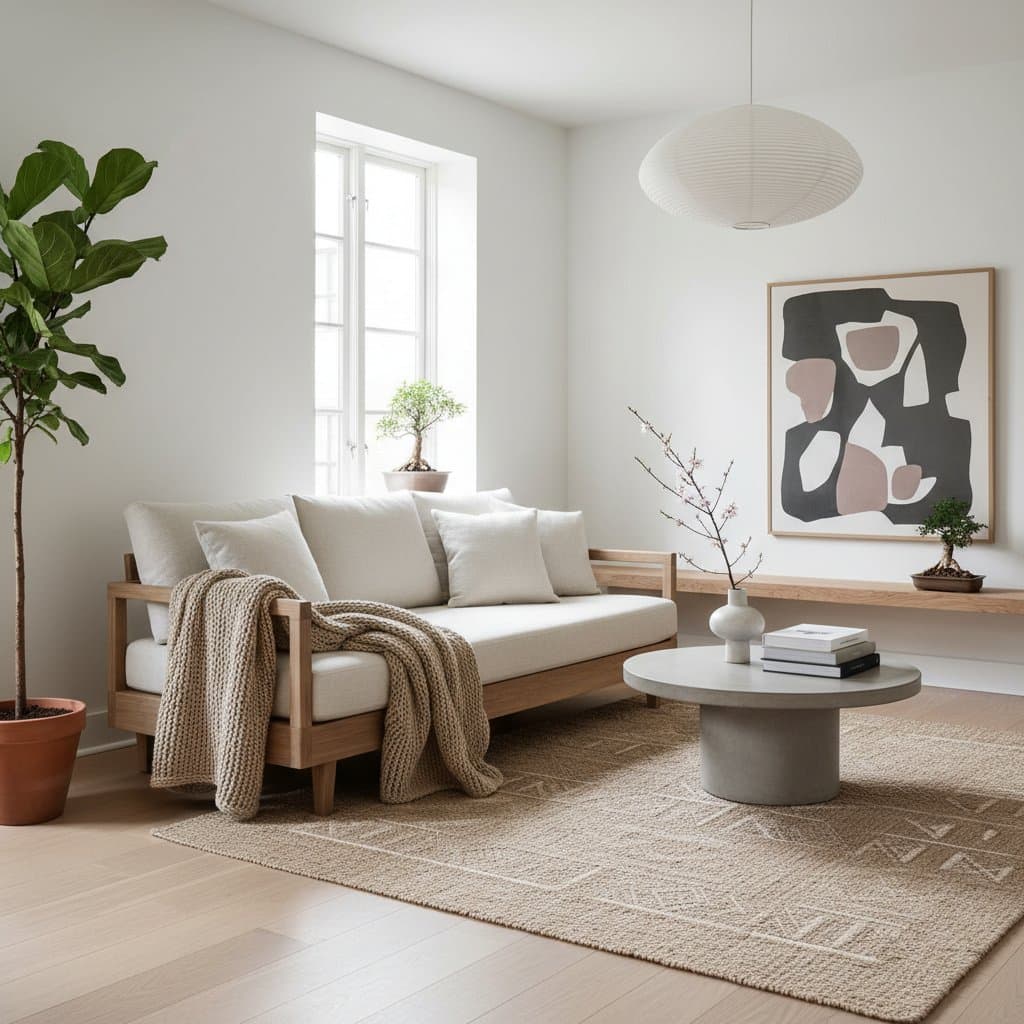
Key elements include neutral palettes such as soft beiges, warm grays, and muted taupes, paired with materials like oak, linen, and wool. These choices evoke tranquility without overwhelming the senses. Sustainability emerges through the use of responsibly sourced woods and durable textiles, appealing to environmentally conscious individuals.
Practical Considerations Before Starting
Budget Planning
Japandi accommodates various budgets by emphasizing investment in select, high-quality items. For a standard living room update, consider these estimates:
- DIY method: 1,000 to 2,500 dollars, covering paint, basic furniture updates, and simple light fixtures.
- Mid-range project: 3,000 to 6,000 dollars, incorporating new furniture, enhanced lighting, and accessories.
- Premium overhaul: 8,000 to 15,000 dollars, featuring custom pieces, artisanal finishes, and expert consultation.
Begin with existing possessions. Repainting walls in earthy tones, reorganizing layouts, and eliminating excess items often yield 60 to 70 percent of the desired Japandi influence prior to new purchases.
Timeline and Skill Requirements
A simple refresh requires only a few weekends, whereas a comprehensive remodel may span several months, influenced by delivery schedules for furnishings. Tasks like painting and decluttering suit most individuals, but custom woodworking or electrical modifications demand professional expertise.
Required skills: Moderate. Surface-level changes fall within reach for many, yet electrical or structural alterations necessitate licensed specialists.
Permits and Regulations
Wall modifications, electrical updates, or integrated cabinetry installations require verification against local building codes. Certain lighting adjustments may also demand inspection. Consult authorities before any demolition or wiring activities.
Safety Guidelines
Ensure adequate ventilation during painting or wood staining processes. Operate power tools with caution and don appropriate protective equipment. Refrain from electrical wiring without proper certification; engage a qualified electrician for such tasks.
Regional Adaptations and Climate Factors
Japandi’s versatility suits varied locales. In cooler regions, prioritize warmth via layered fabrics, thick rugs, and diffused illumination. Warmer areas benefit from lighter hues, breathable textiles, and lighter-toned woods.
High humidity impacts materials such as wood and linen. Apply protective sealants to wooden surfaces and employ dehumidifiers in moist settings to extend durability. For coastal homes, select mold-resistant options like teak or treated cotton to withstand salt air exposure.
In arid climates, incorporate subtle moisture-retaining elements, such as preserved plants or ceramic vases, to soften dry atmospheres without introducing excess.
Integrating Aesthetics with Daily Routines
A frequent question arises regarding minimalism’s compatibility with family life, including children and pets. Japandi succeeds through emphasis on resilience. Opt for removable slipcovers, sturdy wood tops, and dense rugs that withstand use and conceal minor damage more effectively than shiny or artificial alternatives.
Effective storage solutions preserve serenity. Install built-in seating with compartments, wall-hung shelving, and concealed drawers to organize toys, literature, and essentials. The objective centers on achievable order that complements rather than constrains daily activities.
For high-traffic zones, integrate multifunctional items like ottomans with internal storage or extendable tables. These promote fluidity in routines while upholding the style’s serene essence.
Enduring Advantages of Japandi Design
Japandi extends beyond aesthetics to deliver tangible enhancements in home living.
-
Reduced Upkeep
Sparse decor minimizes dusting and maintenance. Natural elements develop patina over time, diminishing the frequency of replacements. -
Enhanced Mental Health
Simplified surroundings lessen sensory overload, fostering relaxation. Residents often describe increased calm and concentration in such settings. -
Eco-Friendly Practices
Quality investments curb waste accumulation. Biodegradable or recyclable naturals support environmental responsibility. -
Lasting Relevance
By eschewing fleeting fads, Japandi endures across years. It accommodates personal evolution, allowing future infusions of color or motif as preferences shift.
Additional benefits include improved air quality from natural fibers and potential energy savings through efficient layouts that optimize natural light.
Steps to Implement Japandi Successfully
If Japandi resonates, initiate modestly. Select a single space, like a bedroom or lounge, and cultivate tranquility via palette and texture choices. Clear clutter, apply a gentle neutral coat, and introduce one or two natural-material accents. Assess the transformation before proceeding.
Expand gradually as familiarity builds. Consult mood boards featuring specific inspirations, such as low-profile sofas in undyed wool or handmade ceramic lamps, to guide selections. Professional input proves invaluable for complex integrations.
Embracing Japandi transcends mere adornment. It cultivates a nurturing space that promotes mindfulness and longevity. Through DIY efforts or expert collaboration, this style fosters warmth and simplicity in a manner that feels contemporary yet profoundly personal.