Imperfect Aesthetics: Japandi's 2025 Interior Trend
Japandi design merges Scandinavian minimalism with Japanese wabi-sabi principles to create spaces that honor imperfection and authenticity. This approach fosters calm functionality through natural materials, subdued color schemes, and intentional layering. The result is an environment that feels both serene and lived-in, accessible across various budgets.
The Beauty of Imperfection
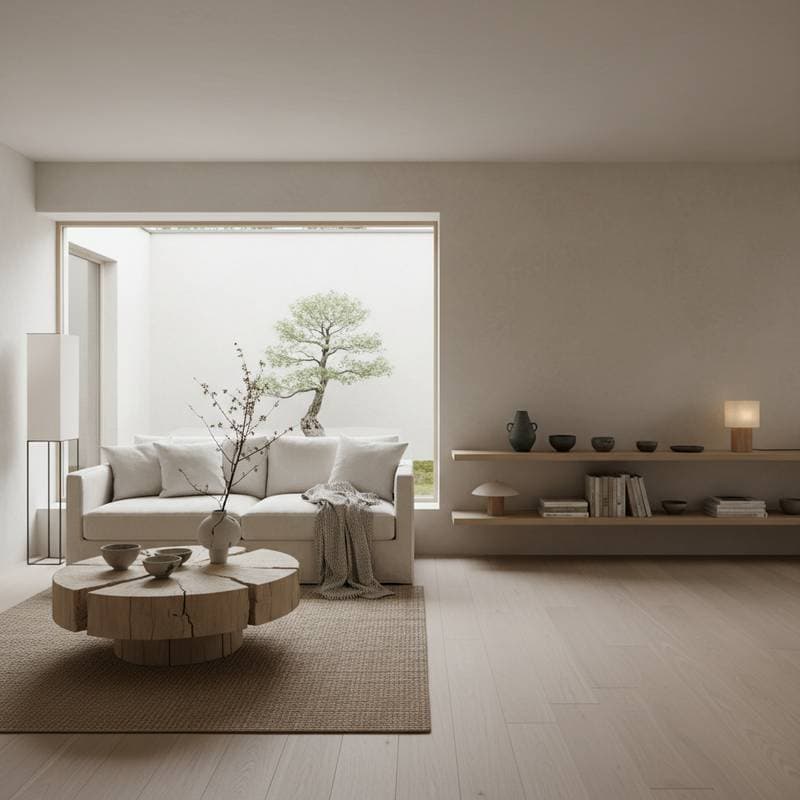
Japandi design centers on the idea that flaws enhance rather than detract from beauty. Wabi-sabi philosophy encourages appreciation for the aged, worn, and asymmetrical, such as a ceramic bowl with an irregular edge or a wooden surface bearing natural marks. These elements convey history and character that polished, uniform items lack.
Scandinavian influences add clean lines and ergonomic comfort, balancing the organic irregularities. Together, they produce interiors that promote tranquility without sterility. Such spaces encourage relaxation and a sense of ease.
Materials That Tell a Story
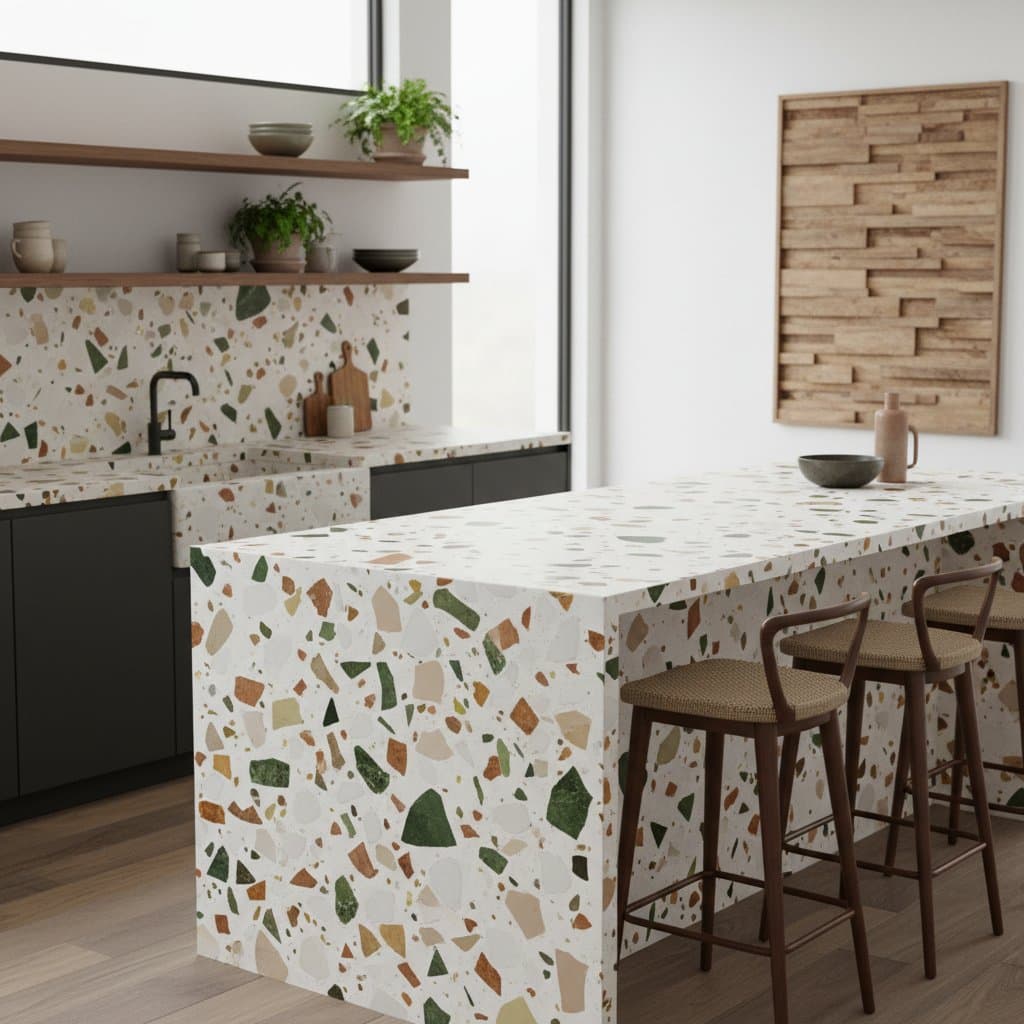
Select materials that emphasize texture and genuineness to embody Japandi style. Natural options like wood, clay, linen, and stone provide a tactile foundation. These choices ground the design in authenticity without requiring high costs.
- Low Budget: Source reclaimed wood from thrift stores, along with woven baskets and simple ceramic vases. Restore a secondhand table by sanding and applying oil to highlight its natural grain.
- Mid-Range: Opt for bamboo window treatments, lightweight cotton curtains, and matte-finished pottery from online artisans.
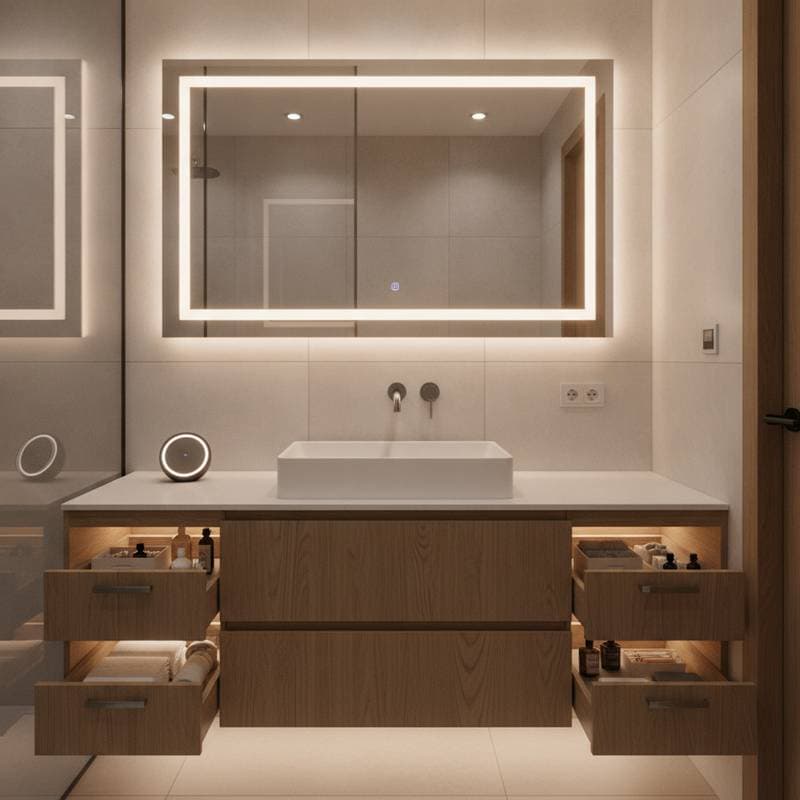
- Higher-End: Choose solid oak furnishings, custom handmade tiles, or lighting fixtures made from raw materials.
Prioritize items that offer honest tactility. A plain linen throw draped casually can rival luxury fabrics in appeal when selected for its natural drape and feel.
Color Palettes That Soothe
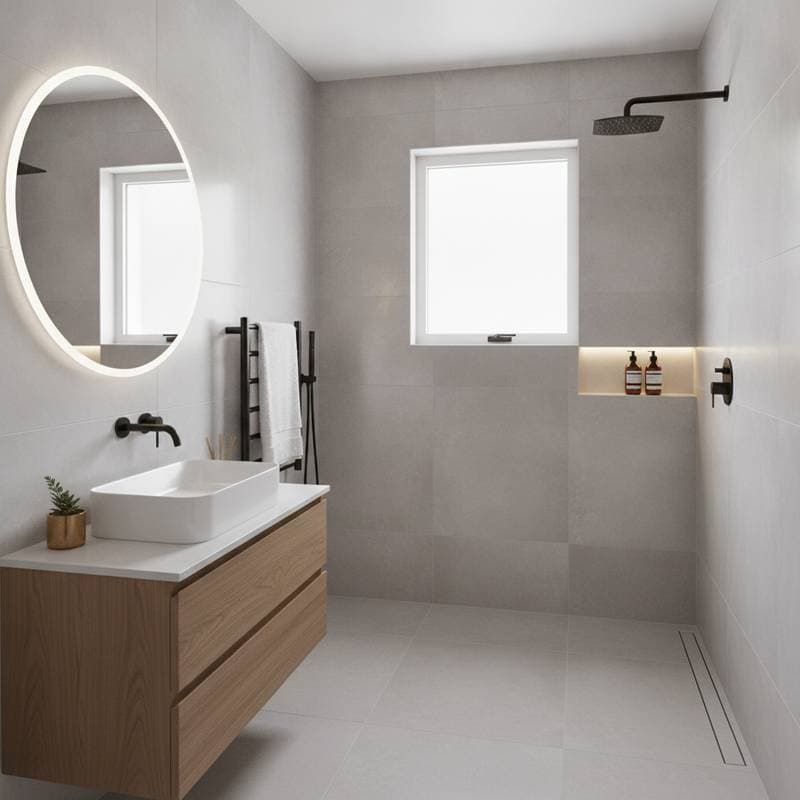
Japandi relies on gentle, nature-inspired colors to cultivate peace. Neutral tones such as soft whites, cool grays, warm browns, and subtle greens mimic the earth's understated harmony.
For economical updates, apply a coat of low-VOC paint in beige or terracotta shades; one gallon suffices for a small room. Renters can use peel-and-stick wallpaper featuring subtle textures like woven grass or faux plaster.
With moderate investment, consider limewash or mineral-based paints that yield a soft, uneven finish. These treatments enhance the wabi-sabi ethos by suggesting subtle age and depth on walls.
Layering Simplicity and Comfort
Scandinavian minimalism informs the layering technique in Japandi, ensuring spaces remain inviting despite their restraint. Combine smooth surfaces with varied textures, such as an oak bench paired with a woolen cushion or a stone tray holding a handcrafted mug.
This method avoids a stark appearance by introducing subtle warmth. Curate elements thoughtfully to evoke a sense of habitation rather than display. The balance creates flow and accessibility in daily use.
Practical Ways to Integrate Imperfection
Incorporate Japandi principles through straightforward, cost-effective adjustments. These steps build authenticity gradually.
- Mix old and new: Combine a contemporary couch with an antique side table to infuse personality.
- Leave space to breathe: Incorporate empty areas to enhance openness and prevent overcrowding.
- Add tactile layers: Introduce linen textiles, unglazed ceramics, and fiber rugs that encourage interaction.
- Embrace patina: Allow metals like brass to develop natural oxidation for added depth.
- Simplify the palette: Limit selections to three or four earth tones, repeating them across elements for unity.
Even without spending, rearrange furnishings to improve circulation or replace synthetic textiles with breathable alternatives like cotton. These changes yield noticeable improvements in atmosphere.
Crafting Spaces That Feel Intentional
Japandi thrives on deliberate selection, where each item serves a purpose. Evaluate possessions by their contribution to serenity versus clutter. Retain only those that align with calm.
This mindset extends to all scales, from full rooms to individual accents. Focus on enduring quality over fleeting trends to sustain the design's integrity over time.
Sustainable and Mindful Choices
Sustainability forms a core aspect of Japandi, promoting fewer but superior purchases to minimize environmental impact. Prioritize durable, ethically sourced pieces that endure.
For limited funds, seek secondhand wood items or products from local craftspeople, which often prove more economical long-term. In transient settings, select modular pieces in neutral finishes for adaptability. These options support evolving lifestyles while upholding the style's values.
Lighting for Mood and Warmth
Effective lighting enhances Japandi's serene quality with diffused, ambient illumination. Steer clear of bright, direct sources; instead, employ multiple layers to build nuance.
- Low Budget: Install warm-toned LED bulbs in basic paper shades or repurposed table lamps.
- Mid-Range: Select pendant fixtures from natural fibers like rattan, which diffuse light softly.
- Higher-End: Choose artisanal wall-mounted lights in textured ceramic or brushed metal.
Such arrangements accentuate material subtleties and foster a nurturing ambiance.
The Emotional Impact of Imperfection
Japandi's strength lies in its psychological benefits, countering societal pressures for flawlessness with genuine expression. It validates the beauty in everyday marks of use, from faded fabrics to seasoned woods.
Homeowners often report greater contentment upon adopting this perspective. The style cultivates a nurturing environment that supports well-being through quiet affirmation.
Evolving Your Japandi Space
As your interior settles, permit natural evolution. Materials will patina, textiles will soften, and tones will deepen, enriching the aesthetic.
Periodically assess and refine: introduce a new plant or relocate an accent to match shifting needs. Maintain the focus on ease and authenticity rather than upkeep. This ongoing process ensures the space remains a true reflection of intentional living.