Why Induction Zones Transform Kitchen Counters
Induction zones integrate cooking functionality directly into countertops, creating a seamless surface that combines preparation and cooking areas. This innovation eliminates the need for separate appliances, resulting in a cooler, more efficient kitchen. Homeowners and designers alike value this technology for its ability to enhance both aesthetics and practicality in various living spaces.
Understanding Induction Zones
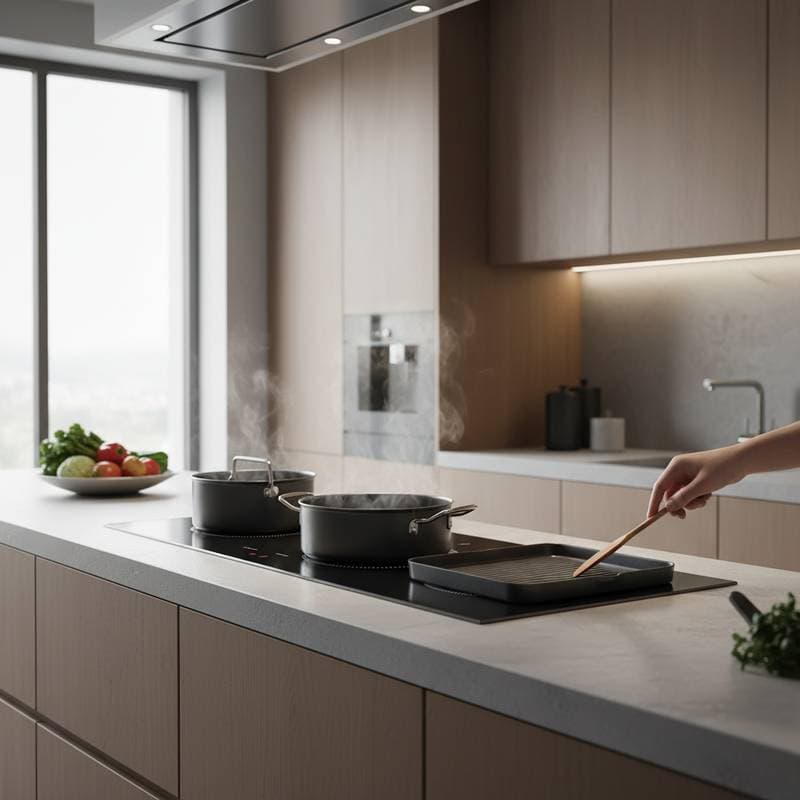
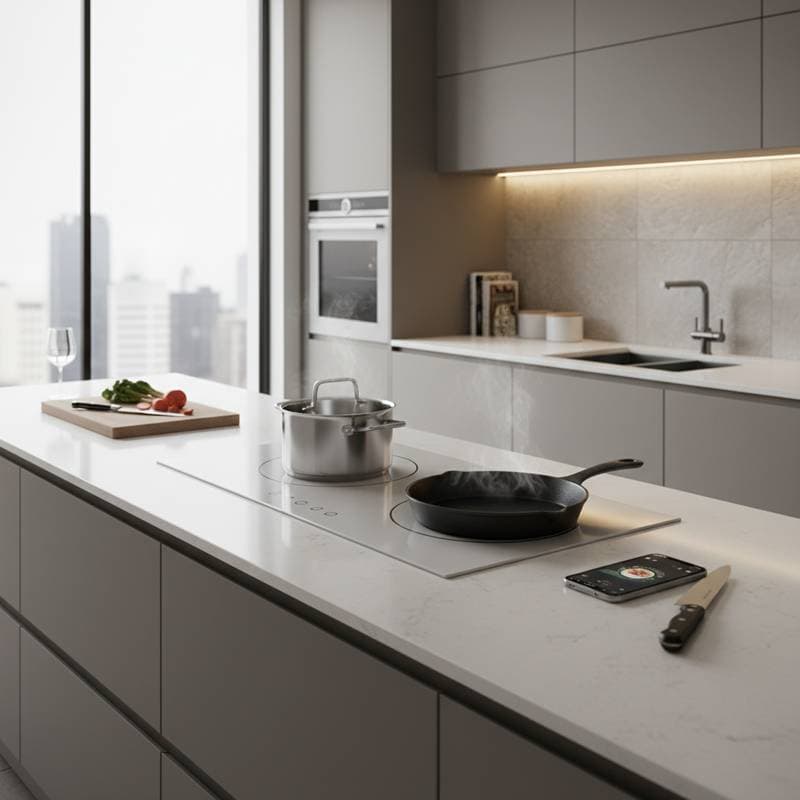
Induction zones consist of heating elements embedded beneath the countertop material, such as porcelain, glass, or engineered stone. When a compatible pan is placed on the surface, electromagnetic fields generate heat directly in the cookware, leaving the surrounding area cool. This design allows the countertop to serve dual purposes without compromising safety or style.
The absence of visible burners reduces visual clutter, enabling a continuous surface ideal for food preparation, serving, or entertaining. Compatibility requires cookware with a magnetic base, which can be verified by testing with a magnet.
Appeal to Designers and Architects
Design professionals appreciate induction zones for their contribution to clean, uninterrupted lines in modern and transitional kitchen designs. These surfaces integrate effortlessly into open-concept layouts, where the kitchen flows into living or dining areas. The technology supports quick transitions from cooking to serving, maintaining an elegant appearance throughout.
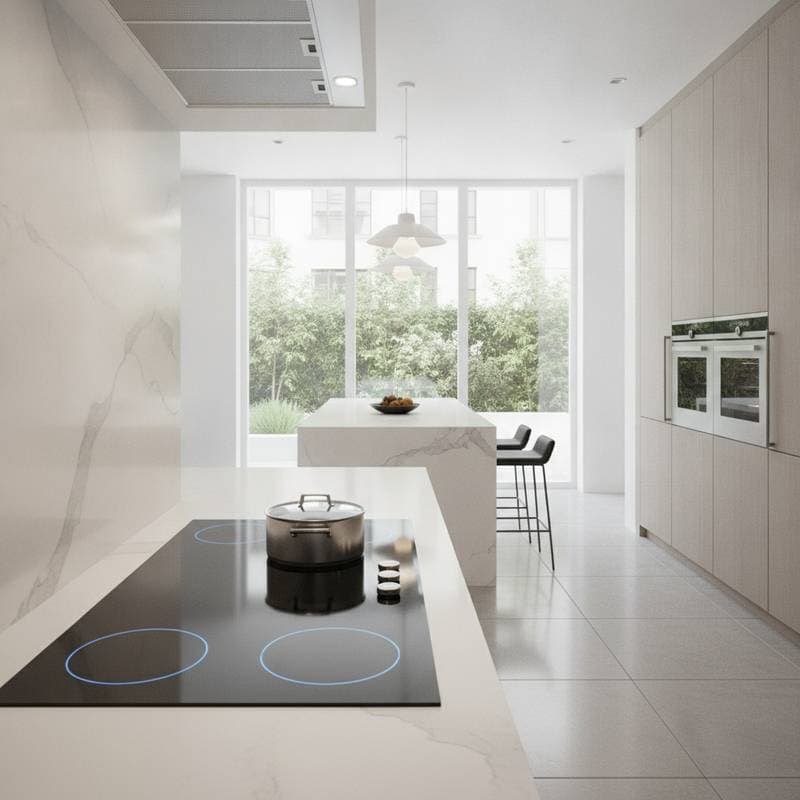
In high-end projects, induction zones pair with premium materials like matte porcelain slabs for a sophisticated finish. Even in budget-conscious renovations, portable units provide similar benefits without extensive modifications.
Maximizing Space in Compact Kitchens
For residents of studios, condos, or small homes, induction zones optimize limited counter space. Unlike traditional cooktops that occupy fixed areas, these integrated surfaces free up the entire countertop for other uses when not cooking. The rapid cooling after use ensures immediate availability for tasks like rolling dough or assembling meals.
Renters benefit from portable induction modules that align flush with existing counters and store easily. Prices for basic units begin at affordable levels, while built-in options scale with customization needs.
Enhancing Safety Features
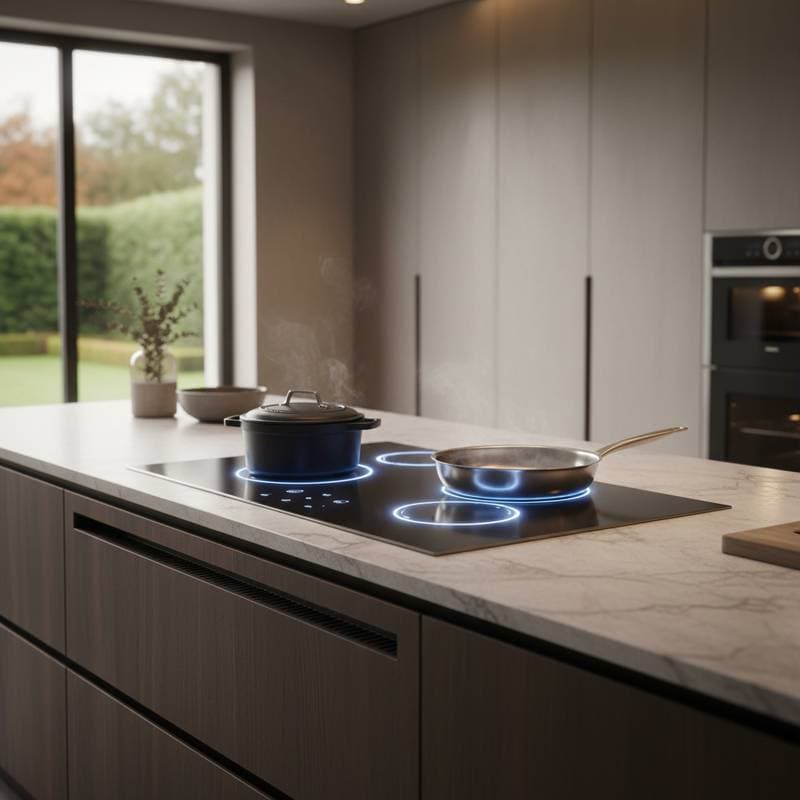
Safety stands out as a primary advantage of induction zones. The countertop remains at a safe temperature, minimizing risks of burns, especially in households with children or frequent guests. Heating activates only when compatible cookware is detected, and it deactivates automatically if the pan is removed.
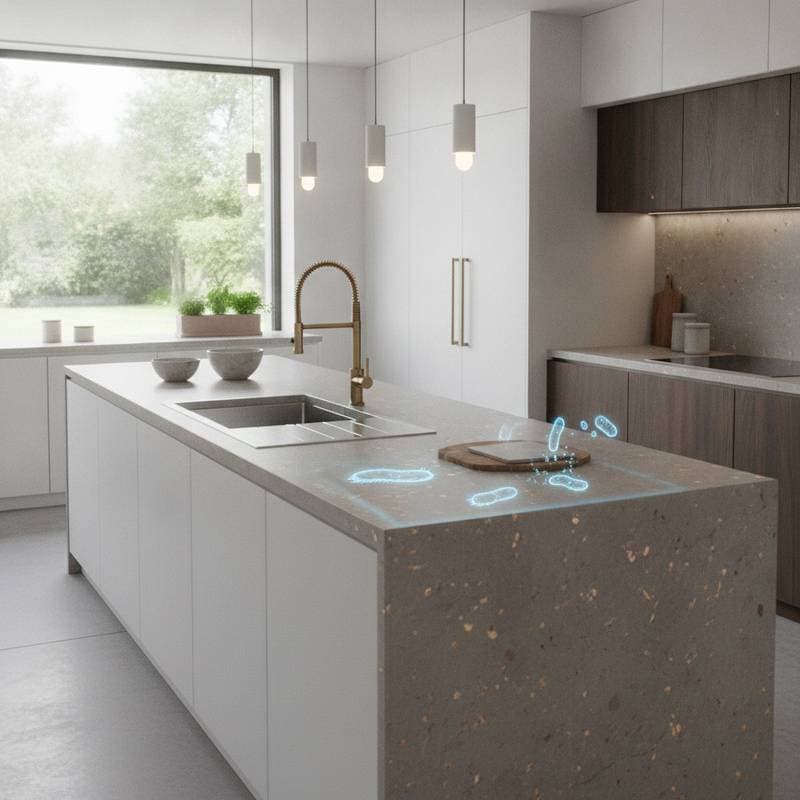
This system also simplifies cleanup by preventing spills from adhering or burning onto the surface. A quick wipe with a soft cloth and mild cleaner restores the area, reducing maintenance efforts compared to conventional stoves.
Integrating Style and Customization
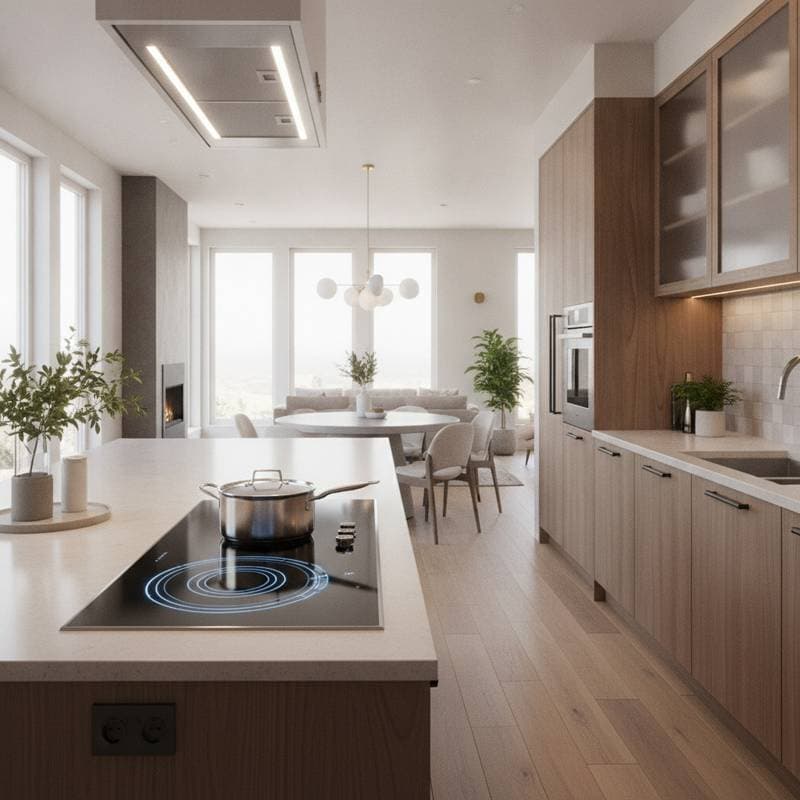
Induction zones enable creative countertop designs by concealing cooking elements until needed. Materials like sintered stone or tempered glass offer durability and a range of finishes, from subtle textures to bold patterns. Some systems include optional LED indicators that illuminate active zones discreetly.
To achieve a cohesive look, select units that match the countertop's color and texture. For permanent installations, consult fabricators to embed elements seamlessly; for flexibility, portable models with concealed cords maintain the aesthetic.
Achieving Energy Efficiency
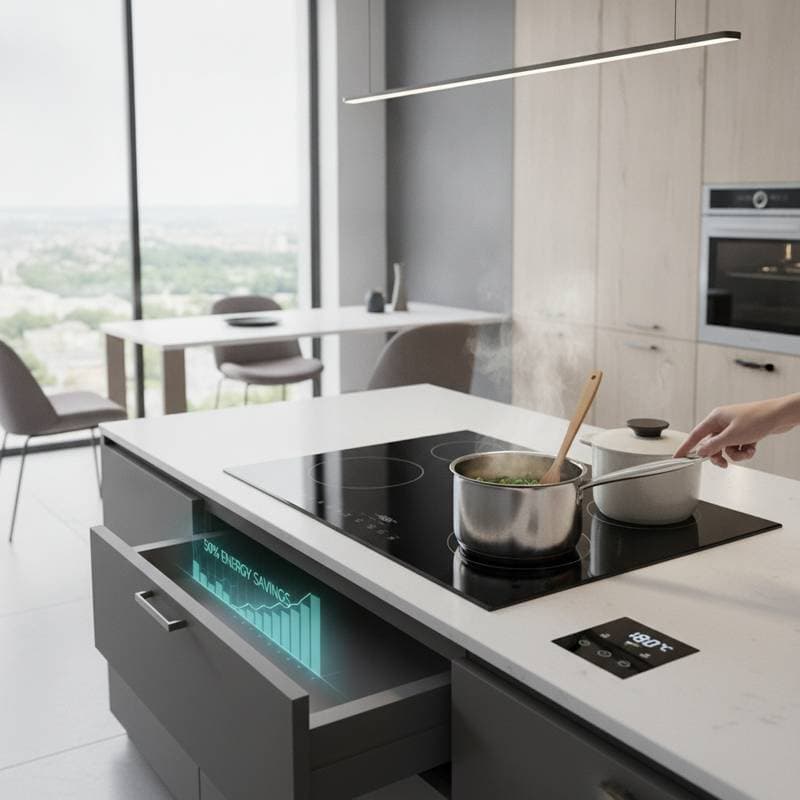
Induction technology directs nearly 90 percent of energy to the cookware, resulting in quicker heating and reduced overall consumption. This efficiency lowers utility costs and minimizes kitchen heat, decreasing reliance on ventilation systems. Professional and home cooks experience faster results with less environmental impact.
Initial investments vary: a single portable unit approximates the cost of standard appliances, with long-term savings from energy use and longevity. Gradual upgrades, starting with one zone, allow adaptation to specific needs.
Installation Considerations
Induction zones suit new builds, full remodels, or targeted retrofits. Built-in systems require compatible materials and professional expertise to ensure proper electrical and ventilation setup. Modular panels offer a cost-effective alternative for existing counters, with options for future expansions.
DIY enthusiasts can opt for plug-in modules secured with silicone or magnetic bases for easy installation and removal. Always verify electrical requirements and consult guidelines for safe integration.
Facilitating Social and Entertaining Scenarios
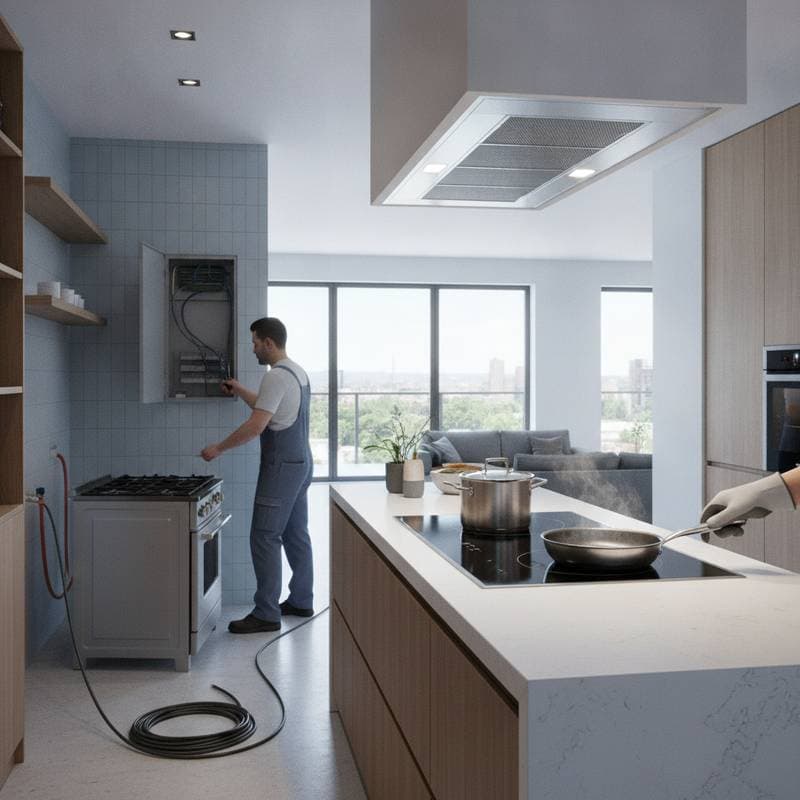
Induction zones excel in social settings by allowing cooking directly on accessible surfaces. Hosts can prepare dishes on an island while guests interact nearby, with the cool surface safe for immediate serving. Multiple zones transform counters into versatile hubs for brunches, dinners, or casual gatherings.
The design supports both functionality and visual appeal, making it suitable for photography or video presentations. This versatility enhances everyday routines and special occasions alike.
Ensuring Durability and Maintenance
Premium induction surfaces resist scratches, stains, and high temperatures, with porcelain and engineered quartz proving particularly robust. These materials withstand daily demands while requiring minimal upkeep, typically just routine wiping.
To maintain performance, use only compatible cookware and store it to avoid surface damage. Educate household members on operation to maximize safety and longevity.
Integrating Into Daily Kitchen Life
Adopting induction zones reshapes kitchen interactions by blending form and function seamlessly. Users gain a workspace that adapts to diverse activities, from quick meals to elaborate preparations. Consider hybrid setups, such as a single zone for everyday use alongside a traditional range for versatility.
Regular care involves gentle cleaning agents and protected storage for utensils. This investment yields a more intuitive, efficient environment tailored to individual lifestyles.