AI Tools Deliver Professional Color Guidance Without the High Cost
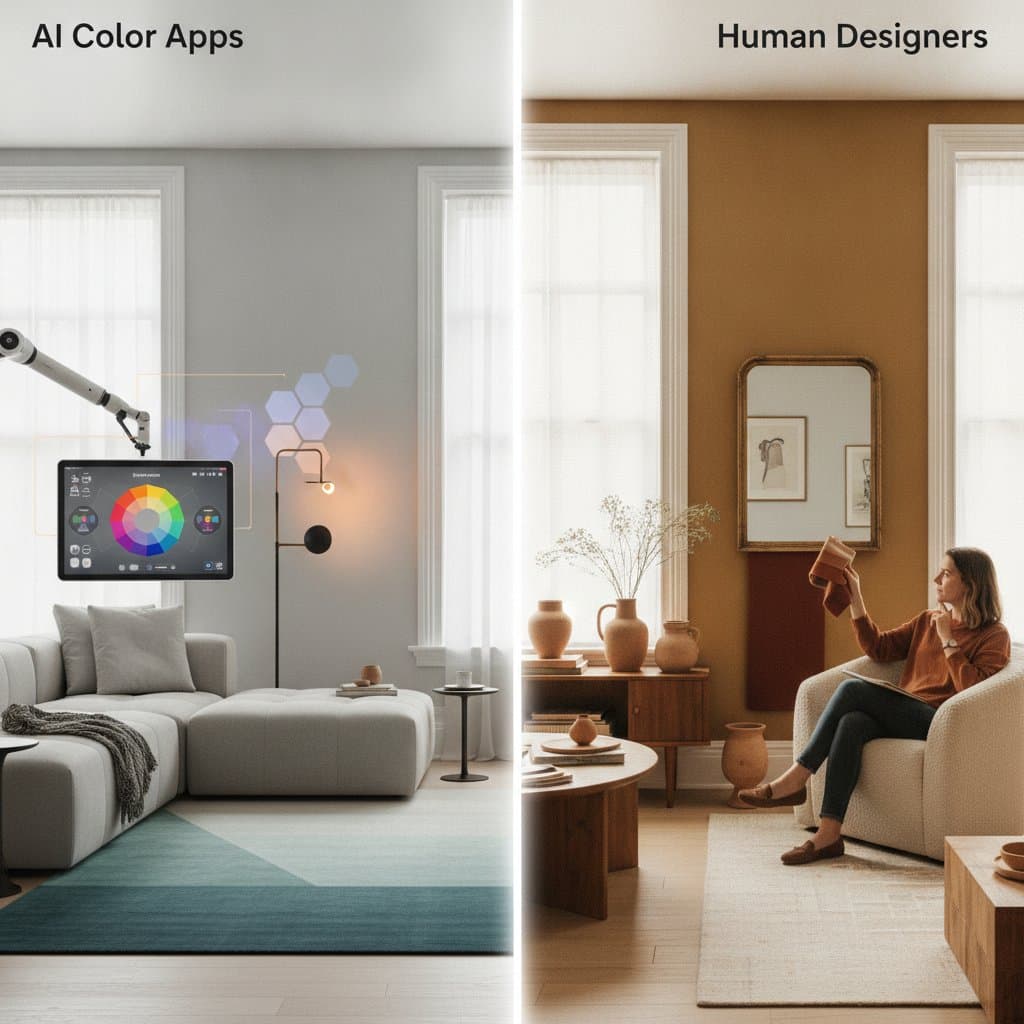
Homeowners often face the challenge of selecting paint colors that truly enhance their spaces. In the paint store, shades appear promising under fluorescent lights, yet they may disappoint once applied at home. Professional designer consultations provide expert advice but typically range from 150 to 500 dollars per session. Emerging AI color tools offer a cost-effective alternative, generating personalized recommendations through simple photo uploads.
Understanding the Challenges of Color Selection
Paint color choices influence the mood and functionality of any room. Factors such as natural light, wall texture, and adjacent furnishings alter how colors appear in different settings. Many individuals repaint walls multiple times after initial selections fail to meet expectations in real-world conditions. While traditional consultations deliver tailored insights, their expense limits accessibility for everyday projects.
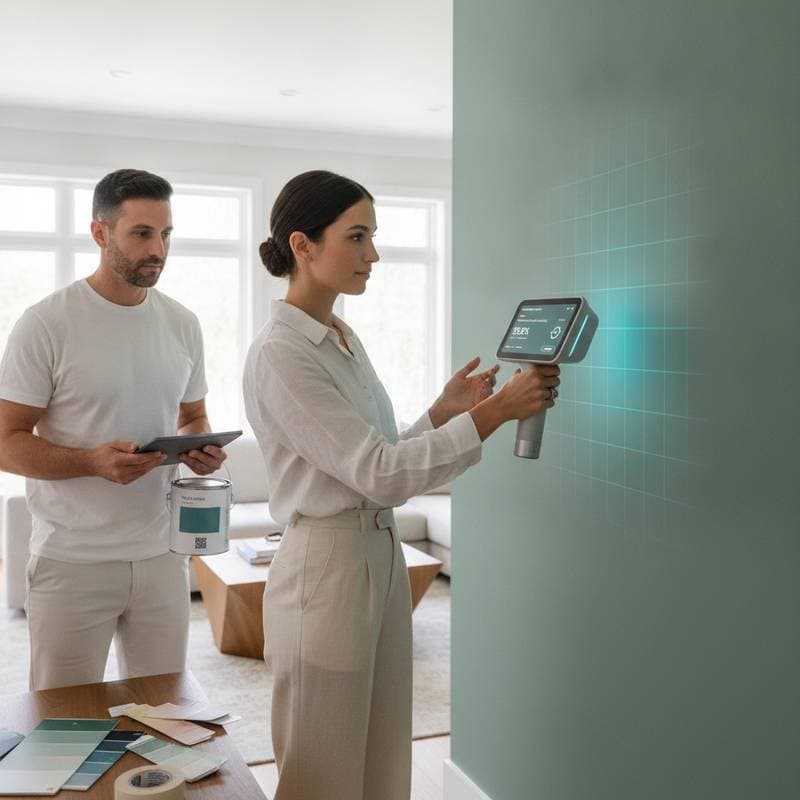
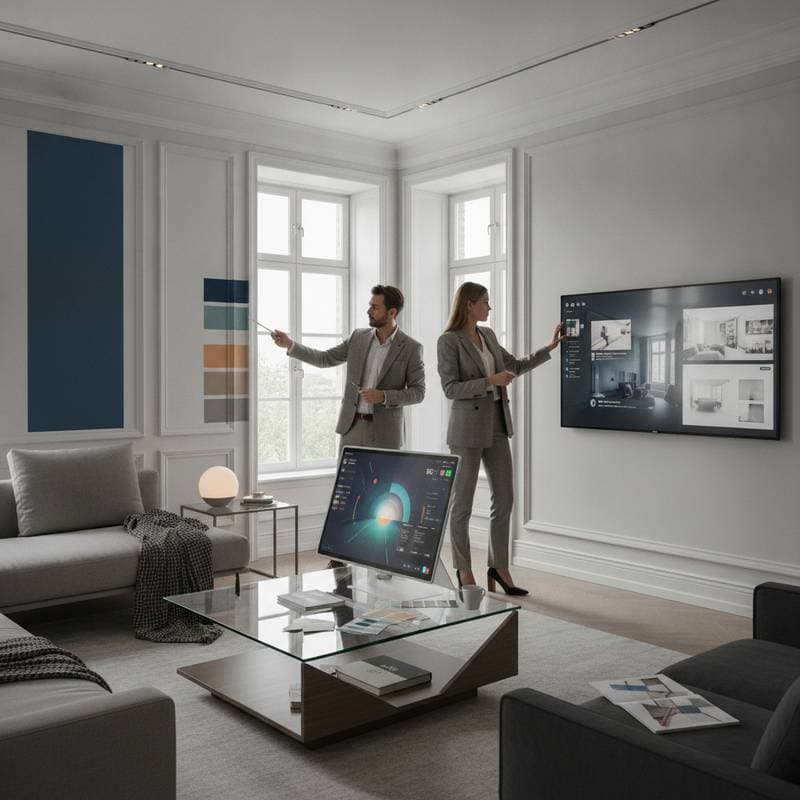
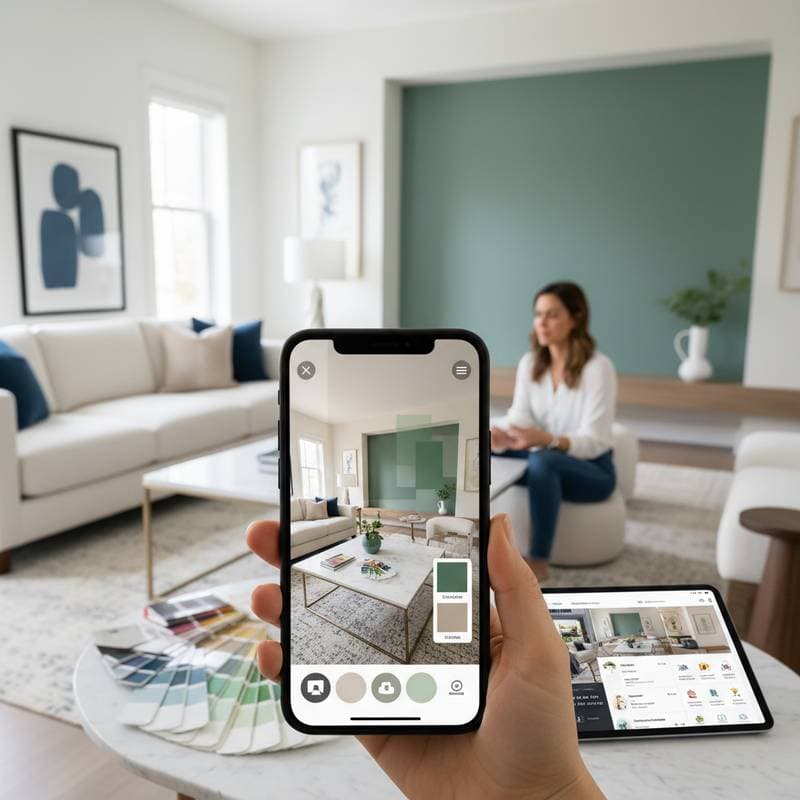
AI tools address these issues by processing visual data from user-submitted images. Users capture their space with a smartphone camera, and the software analyzes elements like lighting angles and material tones. This approach yields color palettes that harmonize with existing decor, complete with virtual previews to visualize outcomes before purchase.
The Mechanics Behind AI Color Recommendations
These platforms employ advanced machine learning algorithms trained on extensive datasets of interior designs, paint formulations, and environmental variables. Upon receiving an image, the system detects key features including furniture styles, floor coverings, and light sources. It then cross-references this information with proven color theories to propose balanced schemes.
Most AI color tools follow a structured workflow:
- Image Upload: Capture a clear photograph of the room and submit it to the application.
- Lighting Assessment: The algorithm examines illumination levels, shadow patterns, and color temperatures to ensure suggestions align with site-specific conditions.
- Palette Creation: Generate multiple options, including primary wall colors and coordinating accents for trim or accessories.
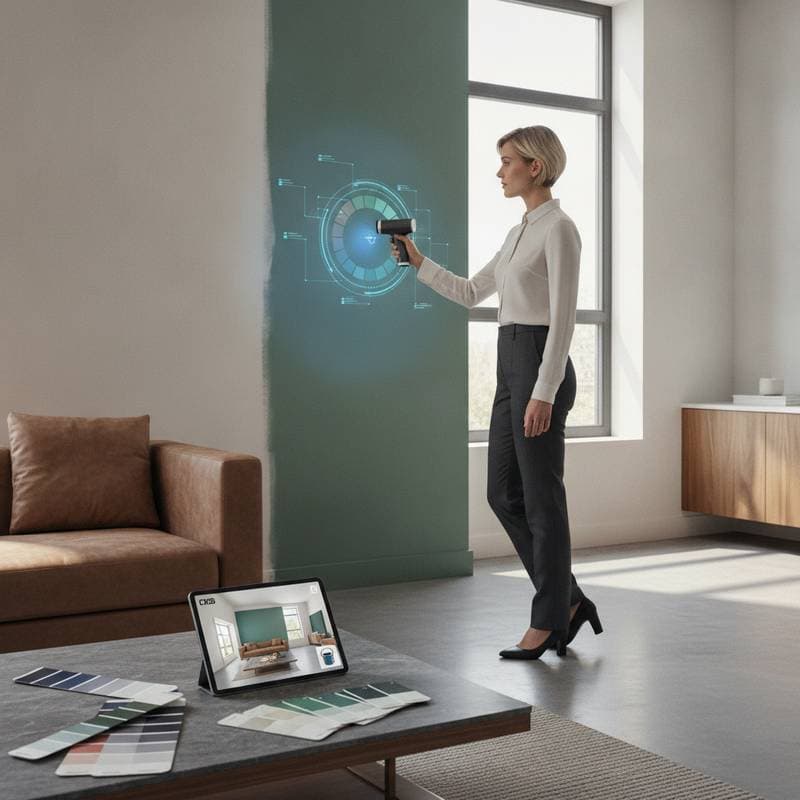
- Virtual Simulation: Apply selected colors digitally to the uploaded image, demonstrating interactions with existing elements.
- Product Integration: Provide precise color codes compatible with popular paint brands, facilitating direct ordering.
This process typically completes in under five minutes, empowering users to iterate on ideas rapidly.
Exploring Available AI Color Solutions
Leading paint manufacturers and tech innovators have developed user-friendly applications for color matching. Basic versions operate at no charge, while premium features cost between 5 and 15 dollars. Enhanced subscriptions unlock capabilities such as high-definition renderings, support for numerous rooms, and compatibility with augmented reality devices. Integration with voice-activated assistants further streamlines the experience, enabling on-the-fly adjustments during planning.
For instance, tools from established brands allow seamless transitions from digital mockups to physical samples. Independent apps emphasize customization, incorporating user preferences for styles like minimalist or eclectic. These platforms democratize design expertise, making professional-level results achievable without extensive prior knowledge.
Key Factors for Effective AI Use
AI recommendations prove reliable for straightforward applications, yet users must account for potential limitations. Photograph rooms during midday sunlight to capture accurate tones, as evening shots or indoor lighting can skew analyses. Digital displays vary in color accuracy across devices, so physical validation remains crucial.
Budget benefits stand out clearly: AI services reduce expenses to a fraction of consultation fees, often totaling 10 to 40 dollars including sample pots. Interfaces prioritize simplicity, though results improve with high-resolution images from modern cameras. For optimal outcomes, combine AI insights with hands-on testing to bridge the gap between simulation and reality.
Scenarios Requiring Expert Intervention
Standard living areas and bedrooms benefit greatly from AI guidance, where uniform surfaces and common lighting prevail. However, intricate renovations demand human oversight. Projects involving bespoke millwork, period-appropriate restorations, or diverse textures like marble and timber require nuanced evaluations of subtle undertones and sheen levels.
In such cases, schedule a single professional review to refineplans. Designers excel at holistic coordination, ensuring cohesion across entire homes. This hybrid method leverages technology for efficiency while preserving the precision of seasoned judgment.
Strategies for Maximizing AI Accuracy
Elevate the quality of AI outputs through deliberate preparation. Position the camera at eye level and shoot from multiple perspectives to encompass the full room layout. Clear away temporary items and reflective surfaces that could distort readings.
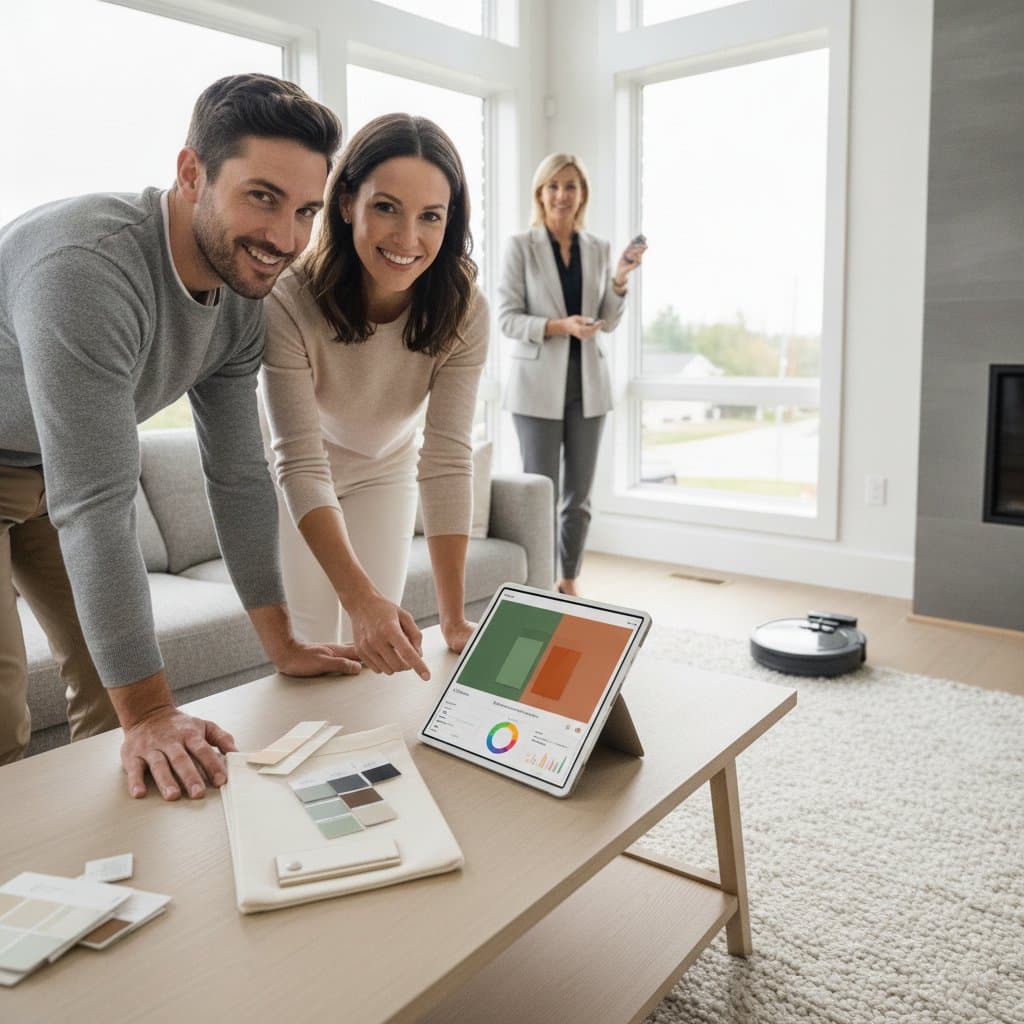
Select daylight hours for imaging, minimizing glare from windows or lamps. Evaluate suggestions from at least three distinct tools to identify consistent themes. Apply sample paints to inconspicuous wall sections and observe them over 48 hours, noting shifts with time of day and humidity.
Apply AI Insights to Your Project
AI color tools redefine the path to vibrant interiors by offering precise, affordable alternatives to traditional methods. Homeowners gain confidence through instant visualizations and data-driven palettes, streamlining decisions for refreshing spaces. Use these resources as a foundation, supplemented by sample testing, to achieve enduring satisfaction. Begin by photographing your target area today and explore the possibilities that await.