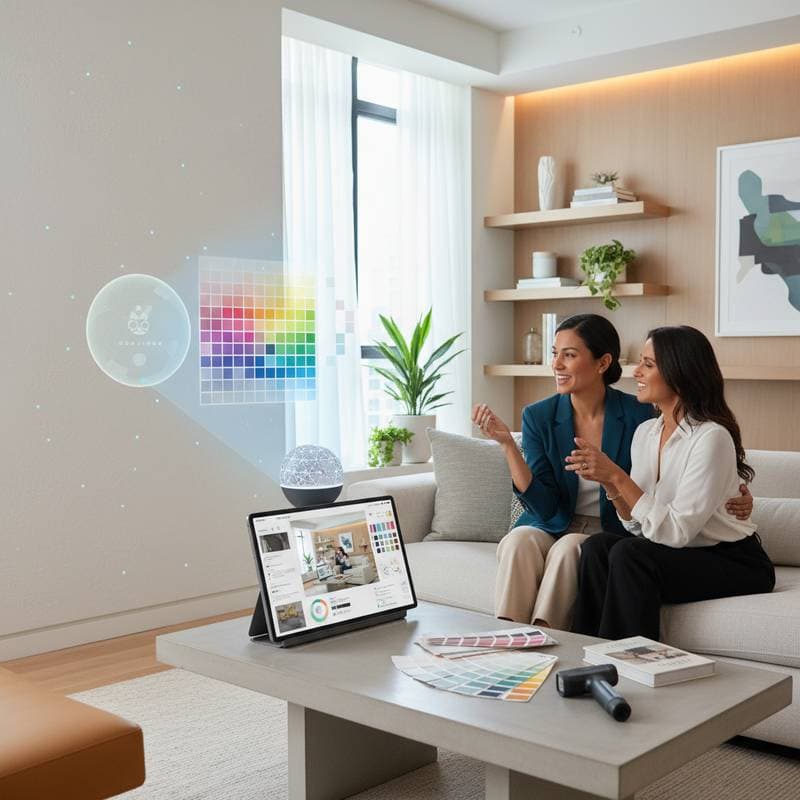
AI Color Tools Unlock Flawless Home Palettes
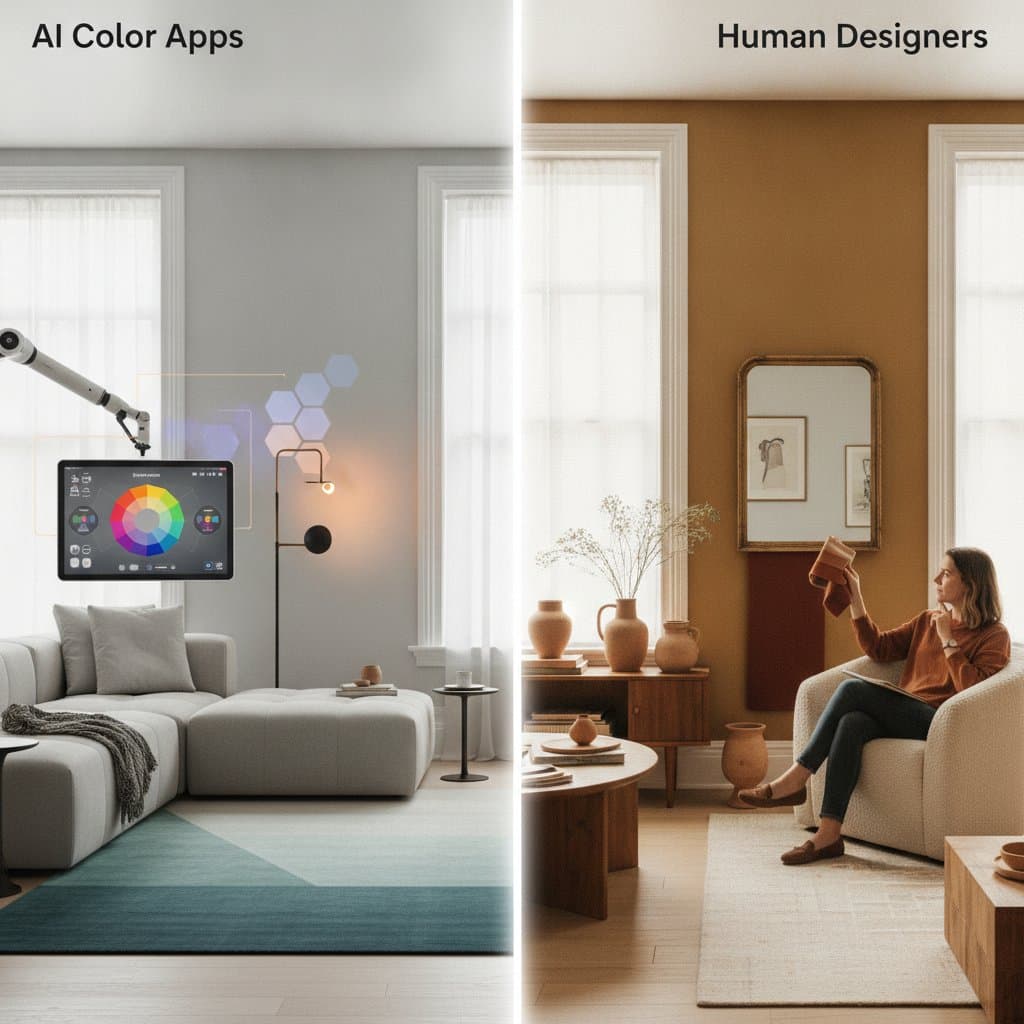
Color profoundly influences the atmosphere, appearance, and functionality of any living space. Whether one designs a compact studio apartment, a spacious family residence, or a modest rental unit, selecting an appropriate palette presents challenges. AI color tools address these difficulties by simplifying the process and enabling users to identify palettes that align with personal mood, lighting conditions, existing furniture, and financial constraints.
Professionals who have styled numerous homes for television and private clients recognize that achieving harmony in color selection ranks among the most demanding yet gratifying aspects of interior design. Artificial intelligence serves as a reliable collaborator, reducing uncertainty while preserving the excitement of creative exploration.
The Significance of Color in Interior Design
Color evokes emotions and establishes the daily ambiance within a home. Warm hues such as terracotta and soft yellow convey warmth and comfort. Cooler shades like sage green, powder blue, or light gray promote tranquility and equilibrium. Subtle accents, including a coral cushion or an emerald vase, can elevate vitality in an instant.
Experience from television productions demonstrates that color delivers immediate impact under various lighting setups. Beyond visual appeal, it shapes personal well-being in everyday settings. An apt wall color expands the perception of a compact room, illuminates a shadowy area, or revitalizes an outdated kitchen. Such transformations empower homeowners to attain professional results through AI-assisted guidance, without reliance on extensive color reference materials.
The Mechanics of AI Color Tools
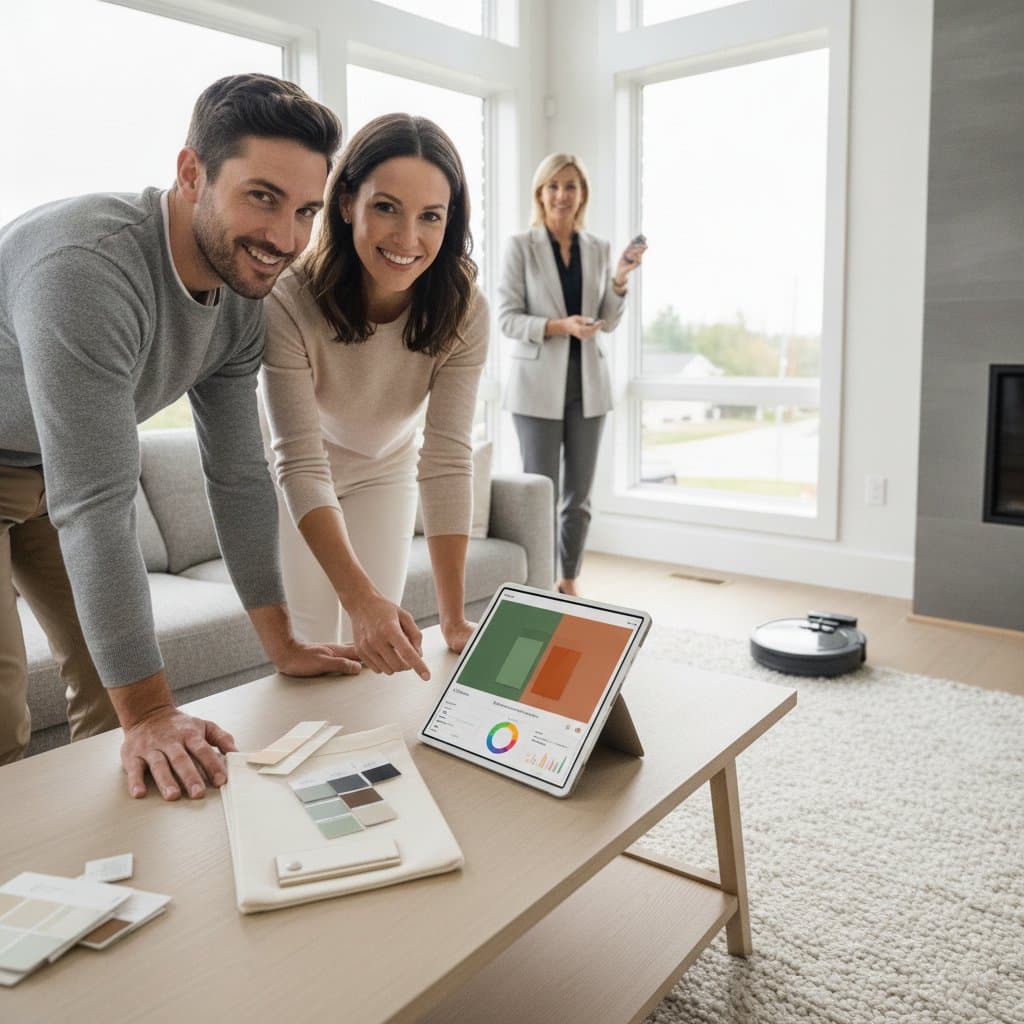
AI color tools employ advanced image recognition and machine learning algorithms to produce tailored color recommendations. Users upload photographs of their room, preferred textiles, or inspirational images. The system evaluates dominant tones, illumination levels, and hue interactions to suggest complementary palettes.
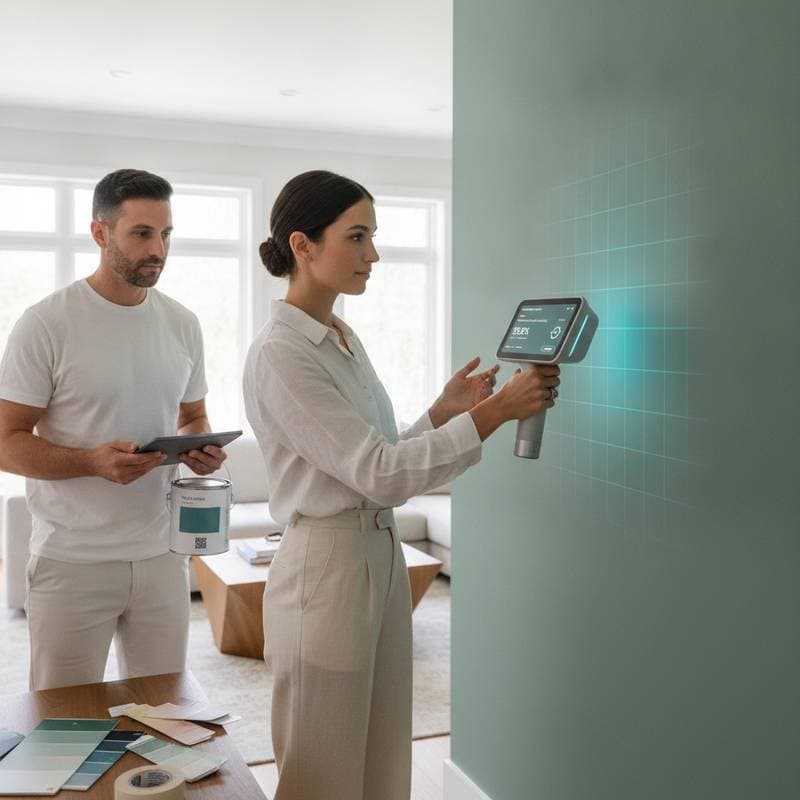
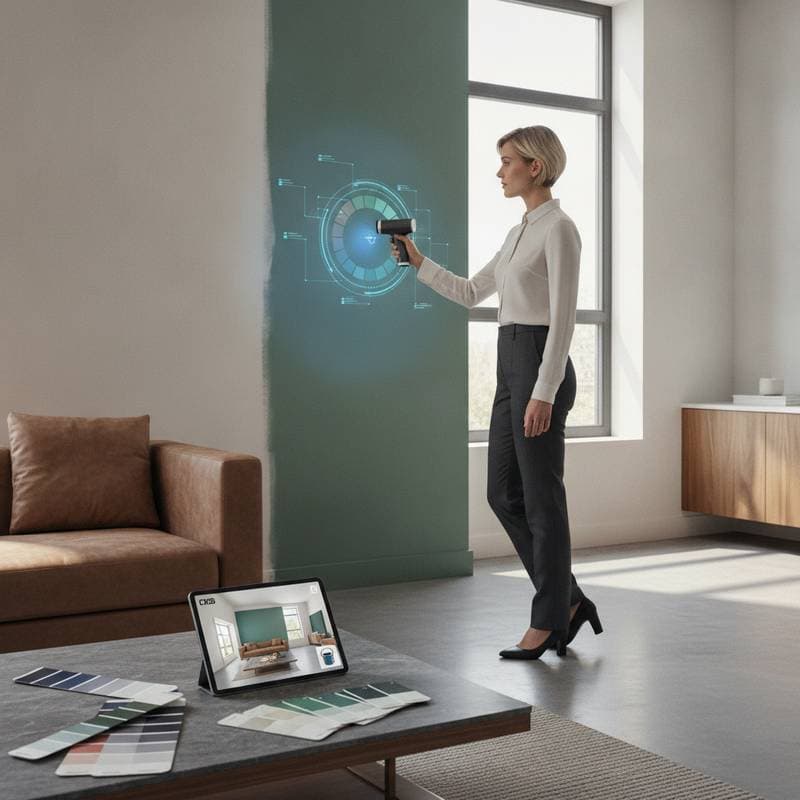
Numerous platforms incorporate augmented reality features, allowing virtual application of colors to walls. This capability enables visualization of changes in a living area prior to any physical alterations, thereby conserving resources and minimizing errors. The integration of technology restores enjoyment to the design process.
Key advantages include the following:
- Real-time visualization: Observe color performance under specific lighting scenarios immediately.
- Palette harmonization: Identify subtle undertones to prevent incompatible pairings.
- Style personalization: Adapt suggestions based on user preferences over time.
- Cost adaptability: Explore premium options or equivalents from economical sources.
Adapting to Various Budgets
Effective design remains accessible regardless of financial scope, with color serving as an economical method for renewal. AI tools assist in maximizing value across different investment levels.
- Minimal expenditure: Utilize free web-based generators for image uploads and palette creation. Apply changes through a single accent wall, updated trim, or vibrant second-hand items.
- Moderate investment: Select advanced applications that link recommendations to particular paint manufacturers. These ensure selection of resilient, superior finishes.
- Substantial funding: Combine AI planning with three-dimensional modeling for comprehensive coordination of paint, surfaces, and furnishings.
Individuals with limited resources have produced magazine-caliber outcomes using under fifty dollars in materials. This success stems from strategic color application paired with personal ingenuity.
Psychological Foundations of Color Selection
Observations confirm color's impact on emotional and physiological states. Contemporary AI tools incorporate psychological principles to align hues with intended atmospheres. For an invigorating office, suggestions may include coral, mustard yellow, or teal. A serene bedroom might feature subdued lavender, gentle gray, or crisp sage.
While color psychology informs traditional design, AI facilitates individualized implementation beyond fleeting trends. Recommendations reflect lifestyle needs, fostering a sense of control. Lighting analysis from uploaded images further refines proposals, accounting for natural or synthetic sources to avert discrepancies between digital previews and actual applications.
Insights from Professional Projects
Television design demands precision and efficiency, where AI tools aid in pre-visualizing options under controlled illumination. These methods translate seamlessly to residential settings.
In a notable endeavor, a neutral living room evolved into a dynamic family area throughpalettes. The system proposed soft clay for walls alongside denim blue highlights, which extended into the adjacent dining zone. The outcome impressed both on screen and in daily use.
Another project involved harmonizing vintage tiles with contemporary colors via AI matching. This fusion of heritage and modernity yielded spaces that balanced authenticity with innovation, highlighting the synergy of analytical tools and artistic vision.
Practical Steps for Implementation
Professional outcomes require no specialized equipment or formal training. Follow these guidelines to begin:
- Capture high-quality images of the area during daylight hours.
- Submit them to a trusted AI color platform, such as those from paint companies or versatile design applications.
- Explore diverse palettes, including warm, cool, and neutral schemes, to identify the ideal match.
- Employ augmented reality to view selections in context.
- Apply physical paint swatches for verification, as display variations occur.
- Integrate colors via furnishings like carpets, cushions, and artwork to achieve unity.
These procedures suit all environments, from bathrooms and kitchens to bedrooms and leased properties. For non-permanent solutions, apply palettes to decor elements, peel-and-stick options, or textiles.
Opportunities for Professionals
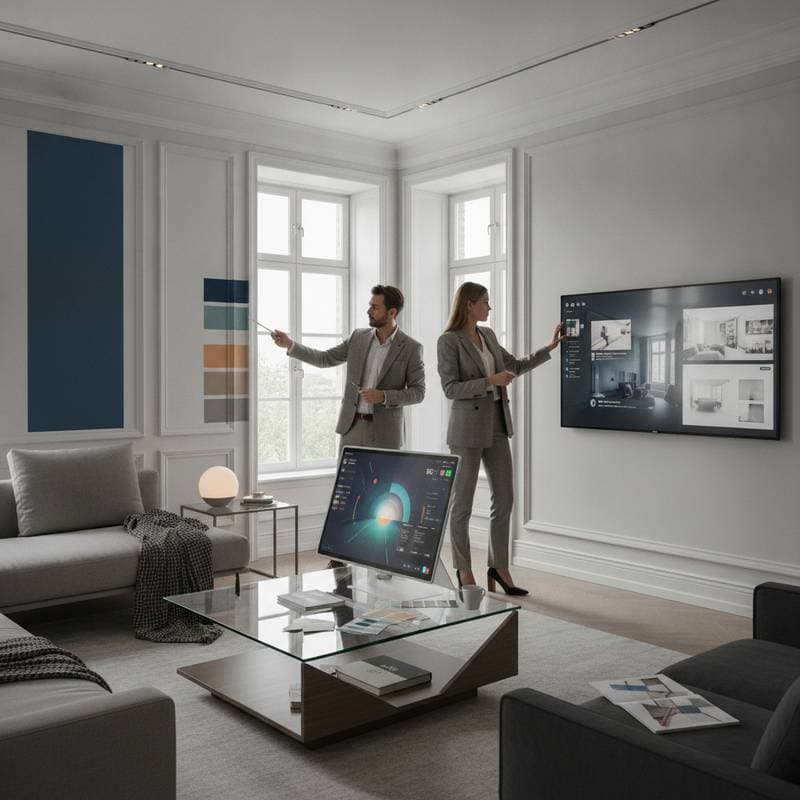
Designers and business owners benefit from AI tools as efficiency boosters. They streamline client consultations, accelerate iterations, and produce compelling visualizations swiftly. Presenting multiple rendered schemes in moments enhances credibility and enthusiasm.
Industry stakeholders, including producers of custom goods, leverage AI data to anticipate trends. Analysis of collective preferences informs development of textiles, tiles, or fixtures aligned with consumer desires. Partnerships with vendors utilizing such insights have yielded refined offerings with notable success.
Sustaining and Evolving Your Palette
After establishing an ideal scheme, embrace ongoing adaptation. Homes benefit from periodic refreshes through accessory updates, artwork rotations, or material changes. AI platforms support seasonal modifications with updated recommendations to maintain vibrancy.
Uncertainty about alterations should not deter progress; color adjustments prove straightforward. Paint offers a forgiving medium for experimentation, and AI guidance ensures informed decisions. Each surface invites expression of evolving preferences.
Achieving Lasting Design Success
Initiate with modest efforts, cultivate curiosity, and harness technology to fuel creativity. AI color tools enhance rather than supplant individual vision. Applicable to media productions, product development, or personal updates, they provide assurance and precision.
Ultimately, these resources democratize excellence, proving that captivating interiors require neither vast funds nor elite expertise.