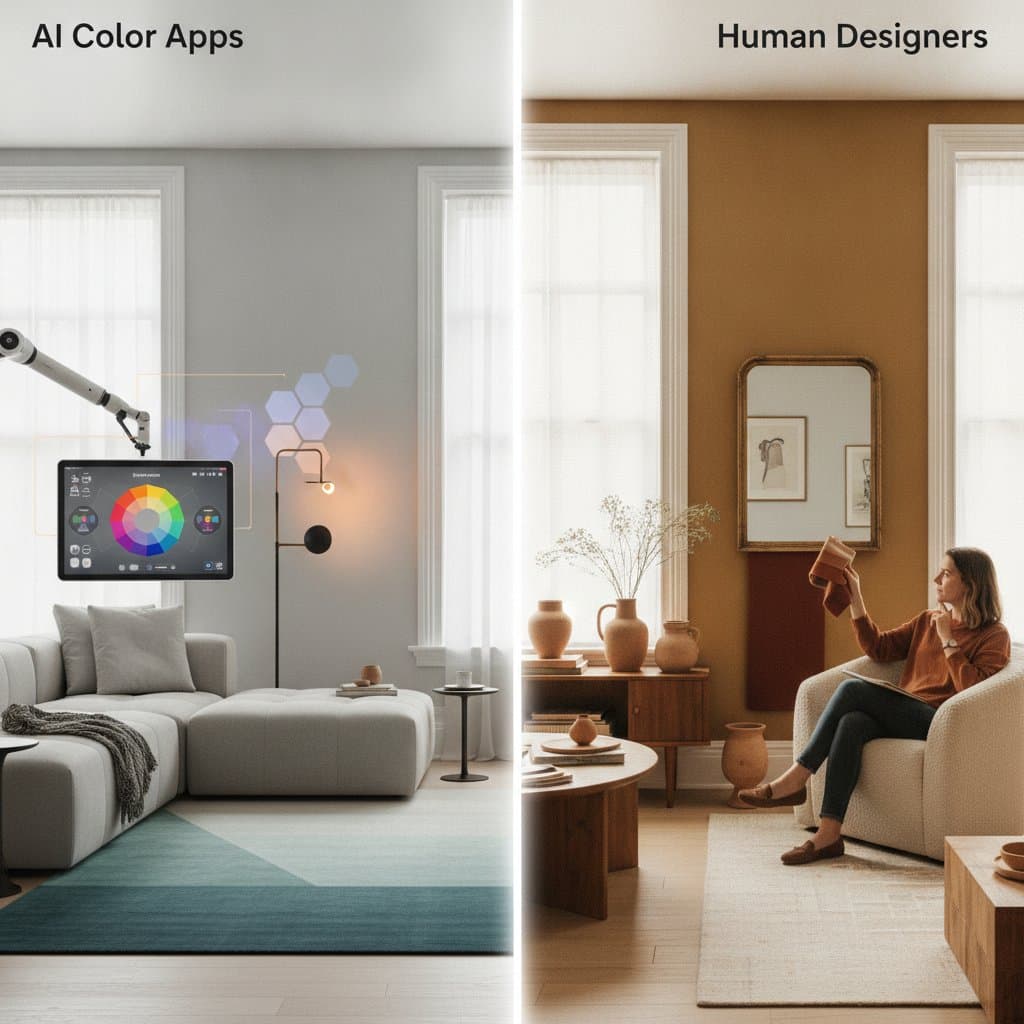
The Power of Color in Home Design and AI's Role
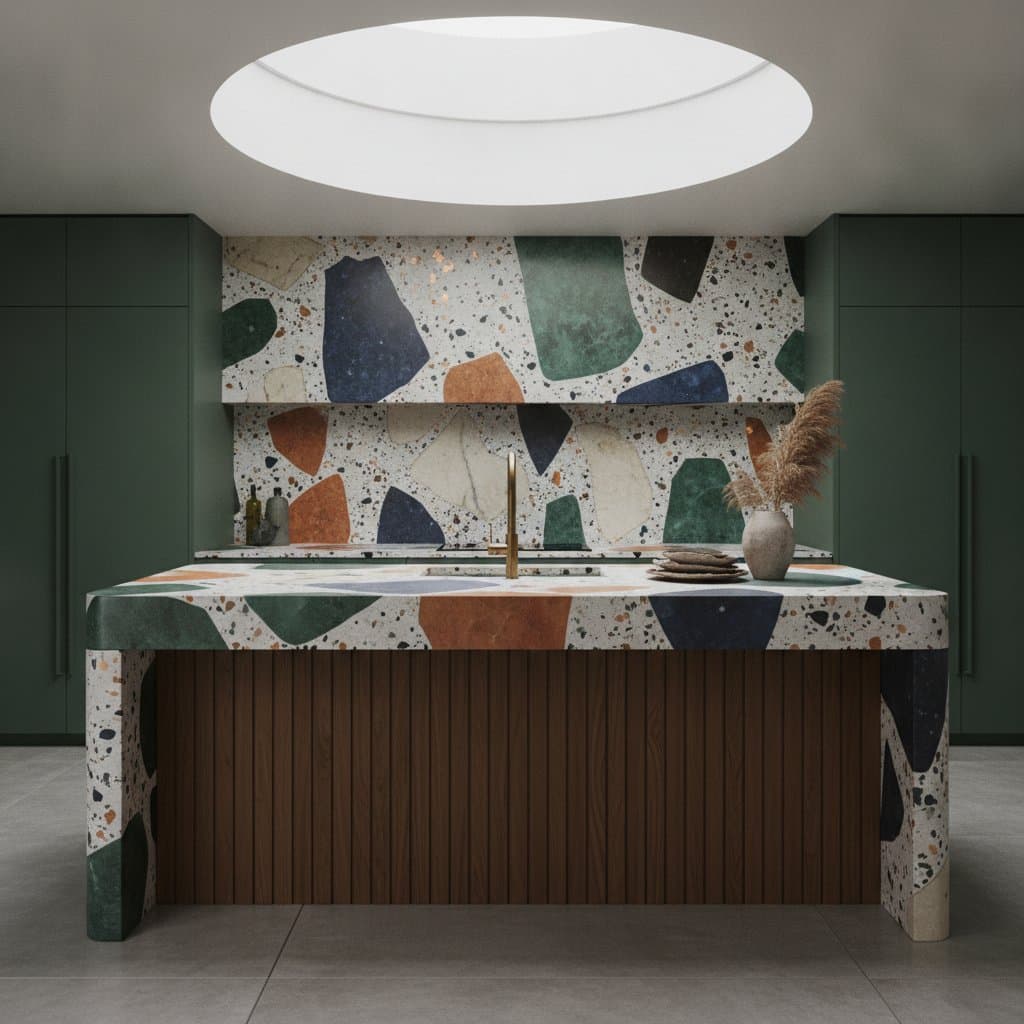
Color shapes the atmosphere of any space. It expands narrow rooms, warms chilly areas, or invigorates bland surfaces. Homeowners often face uncertainty when selecting palettes, relying on intuition that leads to second-guessing. AI-driven tools address this challenge by drawing on psychological research, historical design patterns, and image analysis to forecast emotional and perceptual impacts.
These innovations shift color choices from trial-and-error to informed decisions. Professionals in remodeling observe that such anxiety rivals concerns over structural elements. AI tools provide clarity on aesthetics and emotional resonance, fostering confidence throughout the design process.
Decoding Color Psychology with AI
Colors evoke distinct psychological effects. Warm shades like red and orange energize environments, whereas cool tones such as blue and green promote relaxation. AI enhances this knowledge through predictive algorithms that process responses to visuals from vast image datasets, pinpointing palettes linked to targeted emotions.
Consider a home office setup. Designers seek combinations that sustain focus and ease eye strain. AI evaluates options based on studies showing correlations with prolonged concentration, offering data-driven recommendations that align visuals with functional goals.
Advanced platforms incorporate insights from environmental psychology, neuroscience, and consumer behavior research. They assess factors like saturation, luminance, and contrast to predict behavioral influences. This approach elevates palette creation from subjective preference to purposeful alignment with room intent.
For a restorative bedroom, recommendations might include subdued greens or gentle neutrals. In kitchens, suggestions could feature moderated contrasts to encourage appetite without sensory overload. The methodology remains grounded in evidence, yet the outcomes resonate intuitively.
Insights from a Contractor on AI-Assisted Design
Contractors frequently encounter delays due to unresolved color choices. Finalizing trim, cabinetry, and painting schedules hinges on palette approval. AI tools accelerate progress by delivering early visualizations and rationales, enabling swift consensus.
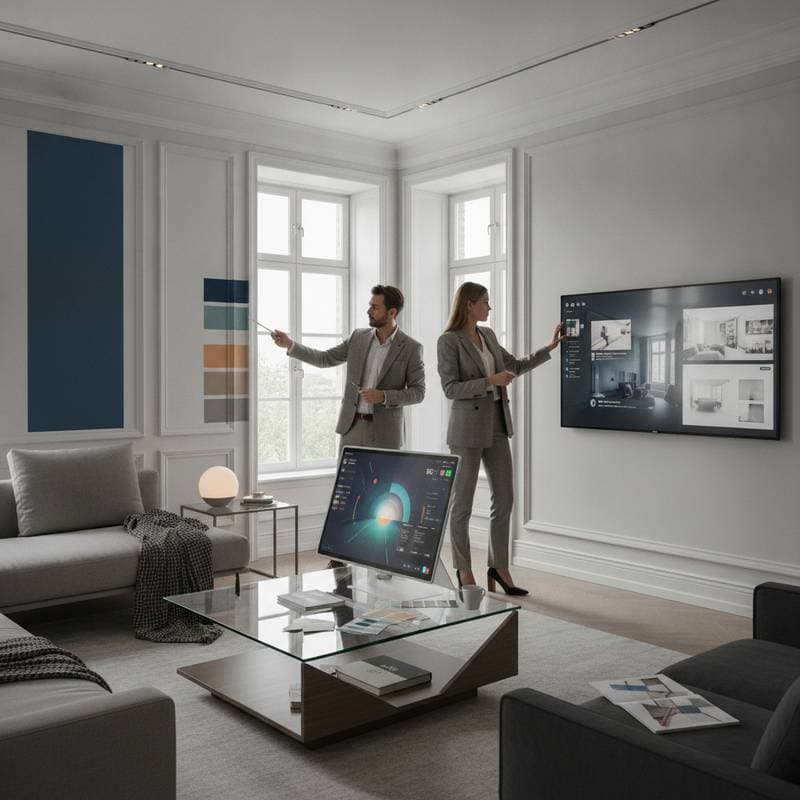
In a recent open-concept remodel, clients employed an AI analyzer to refine selections for their living area. The system detected complementary undertones with the existing stone fireplace and proposed cool neutrals to offset warm floors. Test applications confirmed the choices, avoiding days of revisions.
This precision benefits all parties. Contractors minimize labor and material waste. Homeowners sidestep the exhaustion of repeated evaluations and avoid expenses from repaints, such as questioning if a hue appears overly dominant after initial application.
Limitations of AI in Color Selection
AI excels in pattern recognition but falls short in personal nuances. Individual experiences and cultural contexts shape color interpretations uniquely; a soothing shade for one may unsettle another. Human expertise remains essential to bridge these gaps.
The technology excels at general trends yet overlooks singular creativity. It identifies broadly appealing combinations but cannot capture what sparks personal joy. Homes thrive when designs echo individual stories and preferences.
Contractors advise integrating AI as a guide rather than an authority. Use its analyses to inform options, then layer in emotional and situational considerations. This balance yields designs that harmonize data with intuition.
Financial and Professional Advantages of AI Tools
Accurate color decisions safeguard budgets. Repainting one room incurs significant costs, while post-remodel changes escalate expenses. AI-driven previews ensure first-time success, preserving investments.
Professionals leverage these tools for clearer proposals. Digital mockups paired with explanatory logic build client trust, streamlining approvals and reducing conflicts. Enhanced communication fosters efficient project timelines.
Many firms now embedpalette documentation in contracts. This practice not only justifies choices but also archives details for future maintenance. Stored data simplifies touch-ups, maintaining consistency over time.
How AI Evolves Through Real-World Data
Leading AI systems train on extensive user-submitted photos. They evaluate success metrics like ratings, saves, and discards to refine suggestions. This feedback loop sharpens accuracy based on authentic outcomes.
Psychological mapping deepens with demographic insights. The algorithms discern how preferences vary by culture or region, adapting palettes accordingly. Coastal settings might favor airy blues, while mountain retreats lean toward earthy tones.
Observing this progression in practice reveals marked improvements. Initial tools offered broad advice; current versions specify subtle undertones tailored to lighting and ambiance. Such detail once demanded extensive consultations.
Implementing AI for Confident Color Choices
Achieving ideal palettes involves blending AI insights with expert guidance and personal taste. Start by inputting room details into a tool to generate initial options. Review predictions against your vision, testing samples in situ to confirm harmony.
Refine selections iteratively, considering light variations throughout the day. Consult professionals to interpret outputs in context. This method transforms design from speculative to strategic.
The result: spaces that uplift daily life, reflecting both science and soul. Homeowners gain enduring satisfaction, with environments that evolve gracefully alongside needs.