Kitchen Hygiene's Future: Antimicrobial Surfaces Boom
Walk into any modern kitchen, and the integration of design and hygiene becomes evident. Countertops now serve purposes beyond aesthetics and durability; they contribute to family health protection. As a remodeling contractor, I observe clients shifting from selecting granite colors or quartz patterns to inquiring about bacteria resistance, cleaning needs, and surface safety. Antimicrobial and self-cleaning materials reshape kitchen construction and upkeep.
Why Traditional Surfaces Fall Short
Kitchen countertops endure intensive use, contacting raw meat, produce, mail, backpacks, and frequent touches. Regular cleaning fails to eliminate bacteria embedded in porous structures or minute scratches on stone, laminate, or wood surfaces. These materials appear pristine yet conceal contamination.
Homeowners who depend solely on standard cleaning overlook rapid bacterial proliferation. A overlooked wipe allows harmful microbes to disseminate. Moisture combined with food remnants fosters conditions that challenge conventional disinfectants. Well-maintained kitchens still risk becoming bacterial reservoirs without inherently resistant materials.
The Science Behind Antimicrobial Surfaces
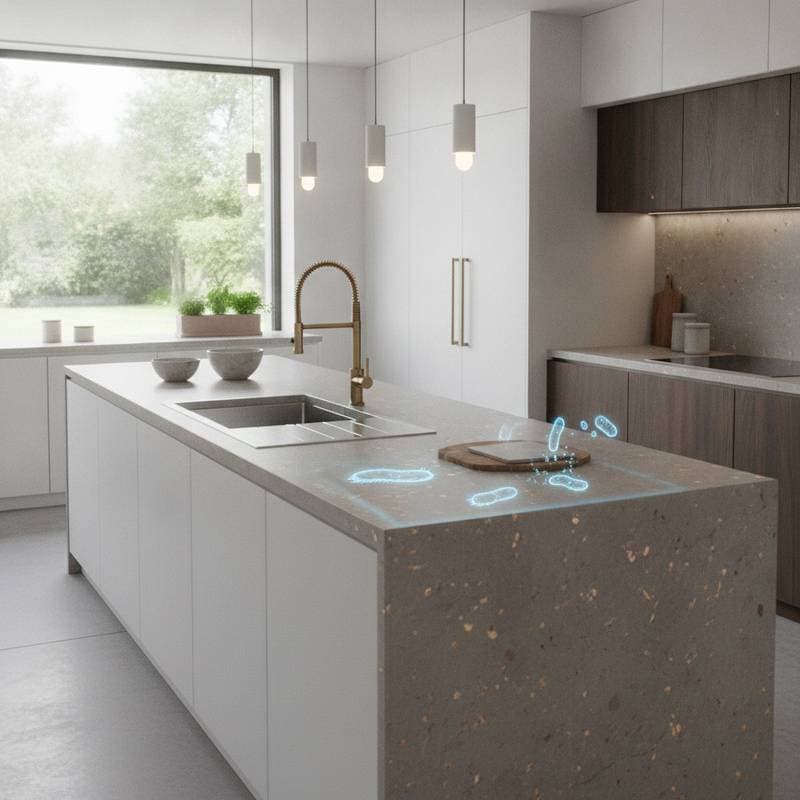
Antimicrobial surfaces actively suppress bacteria, mold, and mildew growth. These integrate agents like silver ions, copper particles, or zinc compounds into the core composition, rather than applying superficial coatings. Such elements interfere with microbial cellular processes, halting reproduction.
Originally developed for medical settings, this technology now enters home kitchens through countertops, backsplashes, and hardware. Manufacturers aim to enhance cleaning efficacy and duration, not replace it entirely.
Key Benefits for Homeowners
-
Continuous Protection
Antimicrobial surfaces operate continuously, lowering bacterial viability between cleanings. Kitchens remain secure during hectic schedules that limit wiping opportunities. -
Less Frequent Deep Cleaning
Routine maintenance persists, yet deep sanitization occurs less often. Individuals allocate less effort to scrubbing and more to culinary or social activities. -
Improved Durability
These materials outperform traditional ones in resisting stains, odors, and fading. They preserve appearance longer, ideal for visible open-concept layouts. -
Enhanced Property Value
Health-conscious buyers prioritize such features. Antimicrobial or self-cleaning kitchens differentiate properties in real estate competitions. -
Peace of Mind
Families with infants, seniors, or immunocompromised members gain added security unavailable from conventional surfaces.
What Self-Cleaning Really Means
Antimicrobial and self-cleaning functions differ, though often conflated. Self-cleaning employs photocatalytic reactions or hydrophobic layers to decompose organic buildup. Exposure to light or movement facilitates grime breakdown and removal.
Installed self-cleaning backsplashes, such as titanium dioxide-enhanced glass, deflect grease and particles for effortless restoration via wiping. Pairing with antimicrobial traits minimizes upkeep substantially. Examine product details to distinguish capabilities accurately.
Evaluating Countertop Options
Selecting antimicrobial countertops requires scrutiny beyond promotional language. Surface treatments may erode, whereas fully integrated agents ensure enduring defense. Prioritize the latter for sustained results.
Leading materials include:
-
Quartz Composites
Production incorporates antimicrobial elements into engineered quartz, which repels moisture and stains. This suits high-traffic family environments. -
Solid Surface Materials
Acrylic solid surfaces distribute antimicrobial agents uniformly, offering seamless designs and simple scratch repairs. -
Ceramic and Porcelain Slabs
Dense ceramics inherently deter bacteria, enhanced by lasting antimicrobial glazes. They endure heat and rigorous application. -
Copper-Infused Surfaces
Copper's innate antimicrobial qualities integrate into composites, providing warmth and reliable safeguarding. -
Epoxy Resin Countertops
Transitioning from lab use, epoxy offers chemical resilience paired with antimicrobial integration for home settings.
Avoiding Common Pitfalls
Emerging technologies present challenges. Antimicrobial claims do not imply perpetual efficacy; outcomes hinge on quality and care.
- Overreliance on Marketing Claims: Obtain technical data sheets and test outcomes. Established producers supply evidence of real-world efficacy.
- Neglecting Cleaning: Materials aid bacterial control but demand residue removal for optimal agent performance.
- Ignoring Compatibility: Certain cleaners erode finishes; follow provided maintenance protocols to avoid impairment.
- Skipping Professional Installation: Superior materials underperform with unsealed seams or joints, where bacteria accumulate.
How Contractors Are Adapting
Remodeling professionals now emphasize material documentation, sustainability, and performance in specifications. Coordination with suppliers aligns hygiene and visual objectives.
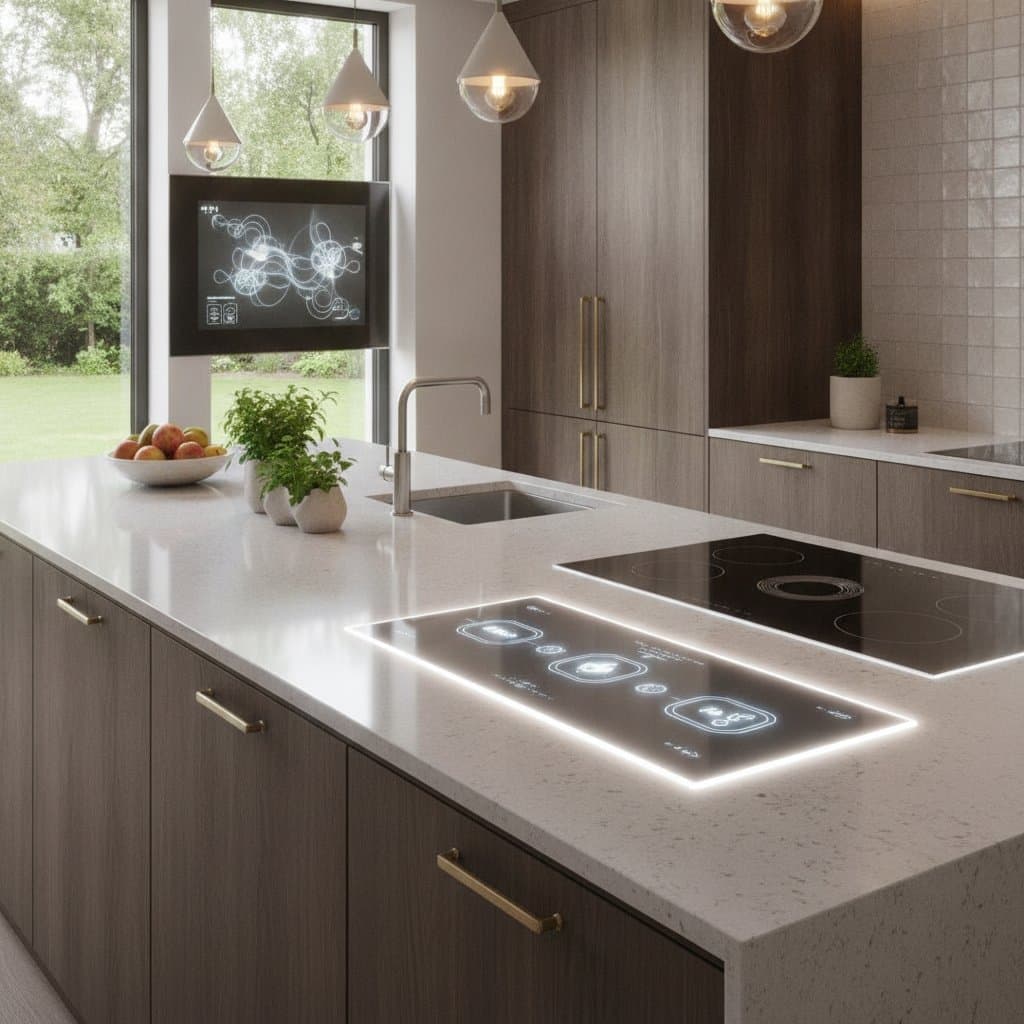
Recent projects feature comprehensive hygienic setups, encompassing antimicrobial countertops alongside touchless faucets, UV drawers, and purifying hoods. Kitchens evolve into health-centric zones. Informed contractors deliver precise advice and enduring benefits.
Real-World Performance
Post-installation feedback highlights reduced staining and simplified maintenance in antimicrobial-equipped kitchens. A family with young children noted their quartz counters stayed immaculate using only mild soap and water. A client with a professional-grade setup valued the silver-ion stainless backsplash for curbing odors and marks after prolonged heavy use.
These accounts affirm tangible advantages from appropriate selection and upkeep, absent of miraculous claims.
Sustaining Antimicrobial Countertops
Advanced surfaces advance hygiene significantly, yet demand attentive handling. Employ recommended cleaners, eschew abrasives, and review warranties regularly. During remodels, integrate these early to harmonize with plumbing, lighting, and storage for comprehensive hygiene.
Future kitchens transcend visual appeal to safeguard users actively. Adopting these materials yields pristine areas, diminished upkeep, and assurance in health-oriented design. Antimicrobial and self-cleaning options establish the benchmark for modern, secure functionality.