The Imperative for Antimicrobial Surfaces in Kitchen Remodels
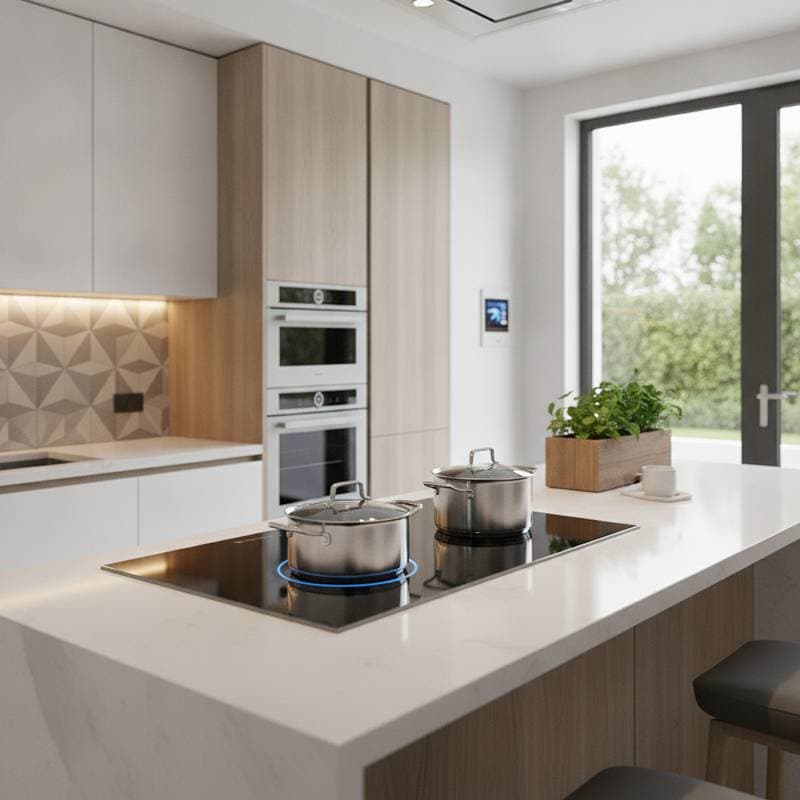
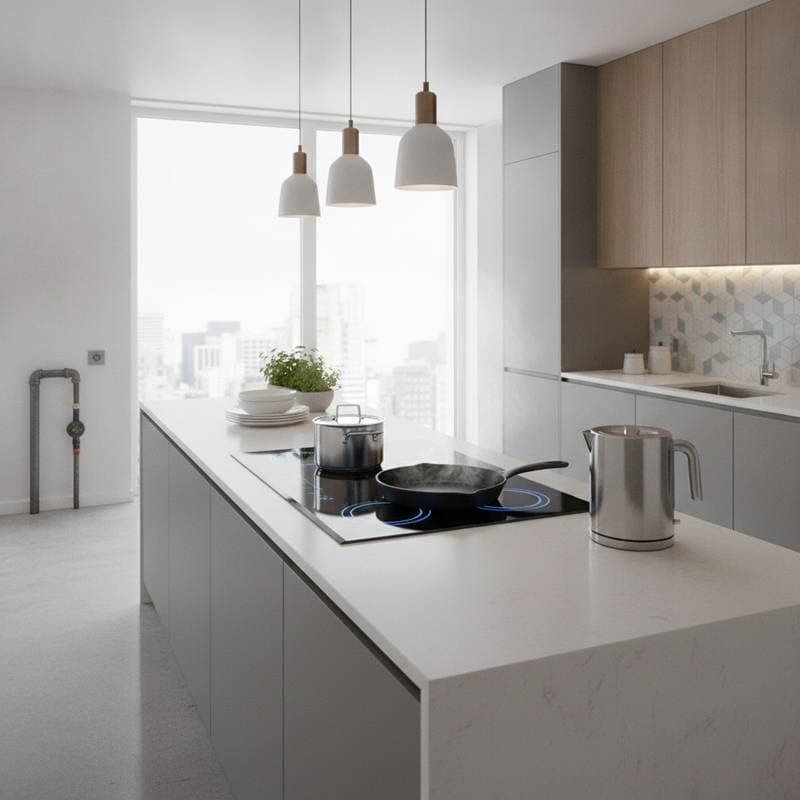
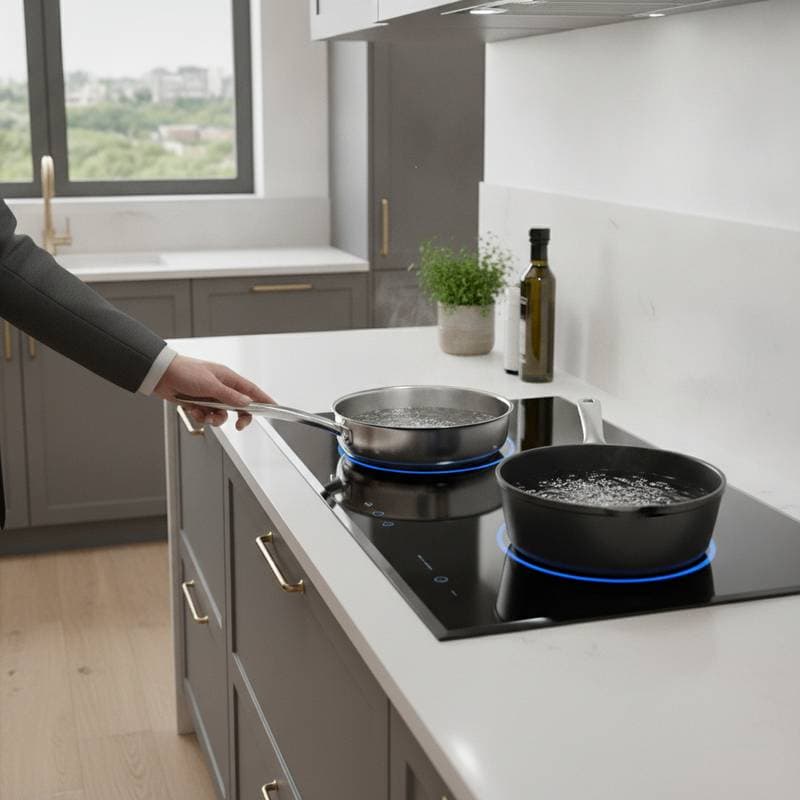
Kitchens serve as the heart of the home, demanding surfaces that prioritize cleanliness, safety, and functionality. As the most frequently used space, kitchens face constant risks of cross-contamination from food preparation and daily activities. Antimicrobial surfaces address these challenges by integrating protective properties directly into materials, transforming them from mere design elements into active defenders of health.
Unseen Risks on Traditional Kitchen Surfaces
Homeowners often overlook the rapid proliferation of bacteria on conventional countertops. Materials like laminate or unsealed tile develop microscopic fissures that trap moisture, food particles, and residues, fostering microbial growth. These conditions thrive in the warmth and humidity typical of kitchen environments.
Key vulnerability points include:
- Seams and joints in countertops where residues accumulate in grout or adhesives.
- Areas exposed to cutting where blade marks create grooves for bacterial harboring.
- Sink perimeters and backsplashes where standing water promotes mold.
- Frequently touched elements like appliance handles, faucet controls, and cabinet pulls.
Even after routine wiping, these spots harbor resilient bacteria that recolonize quickly. Standard cleaning struggles to eliminate embedded contaminants, underscoring the need for surfaces that provide ongoing protection.
How Antimicrobial Surfaces Function
Antimicrobial surfaces incorporate specialized additives or inherent properties that suppress microbial activity. Options range from silver-ion infusions, which disrupt bacterial cell walls, to polymer-based compounds embedded during production. These mechanisms target bacteria, mold, and mildew without relying solely on manual cleaning.
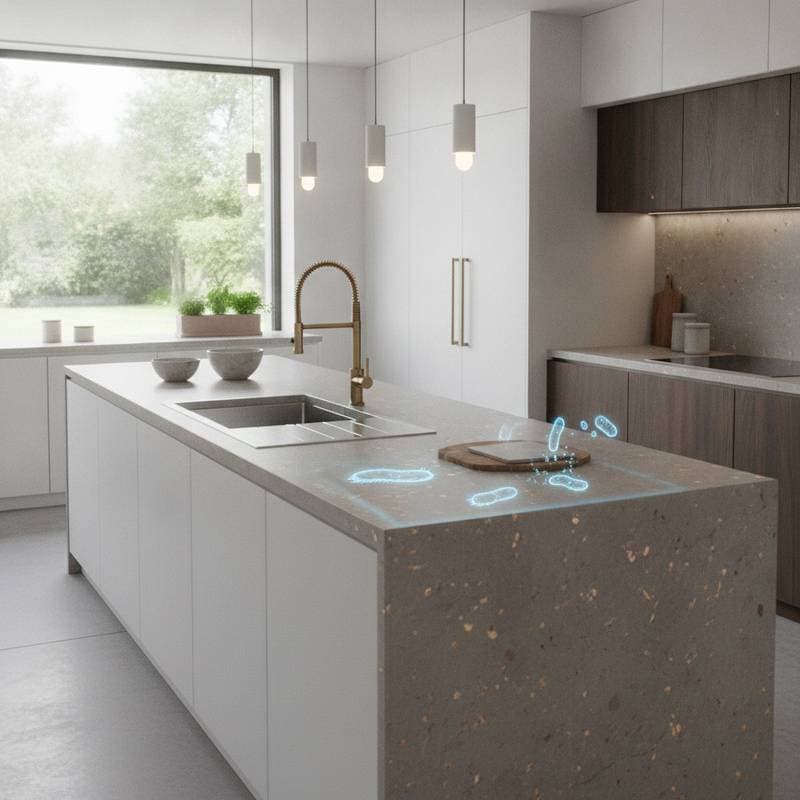
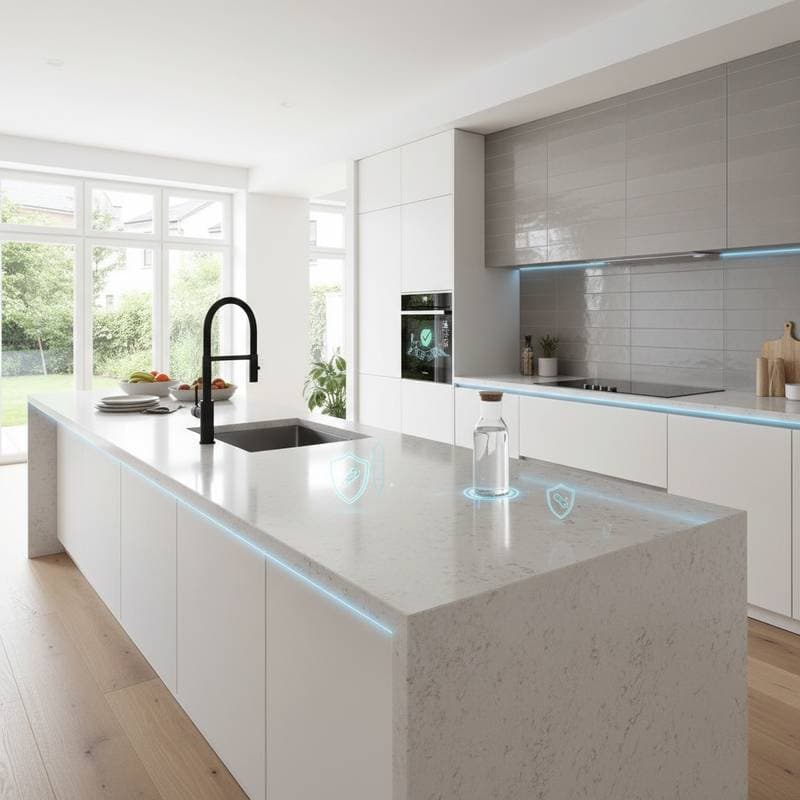
Such surfaces complement regular upkeep rather than replace it. For instance, an antimicrobial quartz countertop exposed to juices from raw meat resists bacterial multiplication in residual traces. This passive defense operates continuously, offering reliable performance without additional effort.
Quality implementations ensure longevity, as the protective elements integrate deeply into the material structure. Homeowners benefit from reduced microbial risks during everyday tasks, enhancing overall kitchen hygiene.
Integrating Antimicrobials into Remodel Projects
Kitchen renovations present an ideal opportunity to embed antimicrobial features from the outset. Upgrading countertops, floors, and fixtures allows for seamless incorporation of these technologies, avoiding costly post-installation modifications.
Prioritize the following during planning:
- Countertops: Select quartz, solid-surface, or treated natural stone with built-in antimicrobial agents. Steer clear of highly porous options without verified sealing.
- Backsplashes: Opt for seamless, non-porous tiles or panels that minimize grout exposure.
- Sinks and faucets: Choose stainless steel or composite models enhanced with antimicrobial coatings to curb water-related contamination.
- Hardware elements: Incorporate pulls and handles with antimicrobial finishes that deter smudges and germs.
Coordinated selections yield kitchens that maintain cleanliness efficiently, diminishing reliance on aggressive cleaners and preserving surface integrity.
Evaluating Costs Against Long-Term Benefits
The initial premium for antimicrobial materials prompts valid questions about value. These surfaces justify the investment through superior health safeguards and extended durability, often offsetting expenses via simplified maintenance.
Consider a remodel for a family with active young children and frequent home cooking. Antimicrobial quartz counters and composite sinks retained their pristine appearance after two years, with minimal staining or odor issues. In contrast, budget laminate alternatives showed rapid wear, demanding intensive cleaning to combat embedded grime and cuts.
This comparison highlights the strategic advantage: antimicrobial options mitigate microbial threats while resisting degradation from repeated use, ultimately conserving time and resources.
Addressing Prevalent Myths
A common assumption holds that diligent cleaning renders antimicrobial surfaces redundant. While thorough routines remain essential, they cannot eradicate all contaminants consistently. Testing reveals bacterial remnants on treated counters post-disinfection, where antimicrobials provide an additional barrier.
Another myth concerns the durability of protective layers, suggesting quick erosion. Reputable products embed agents within the core material, ensuring sustained efficacy throughout the surface lifespan.
Finally, some view these technologies as exclusive to institutional settings. Residential kitchens encounter comparable risks from food handling and spills, making them particularly advantageous for households with vulnerable members, such as children or those with sensitivities.
Selecting Superior Antimicrobial Products
Labels alone do not guarantee effectiveness; seek products validated by third-party testing and certifications. Request evidence of antimicrobial efficacy from suppliers, and scrutinize warranties for coverage specifics.
Favor materials where protection integrates into the manufacturing process, such as resin-infused composites, over surface-applied treatments. Collaborate with remodel professionals to align choices with your household's cooking frequency, cleaning preferences, and usage patterns for optimal results.
Best Practices for Upkeep
Antimicrobial surfaces demand routine care to maximize performance. Employ gentle, non-abrasive cleaners and address spills immediately to prevent residue buildup. Maintain cutting boards to avoid direct surface damage, and refresh sanitizing tools like sponges regularly.
Proper ventilation during cooking further supports hygiene by reducing moisture. These habits ensure the surfaces deliver enduring protection and aesthetic appeal.
Advancing Kitchen Health Through Smart Choices
Embarking on a kitchen remodel offers a pivotal moment to prioritize antimicrobial integrations. These surfaces fortify family well-being, streamline daily chores, and uphold the remodel's lasting value. The result is a space that combines visual elegance with proactive safety measures.