Antimicrobial Surfaces: Essential for Kitchen Health and Safety
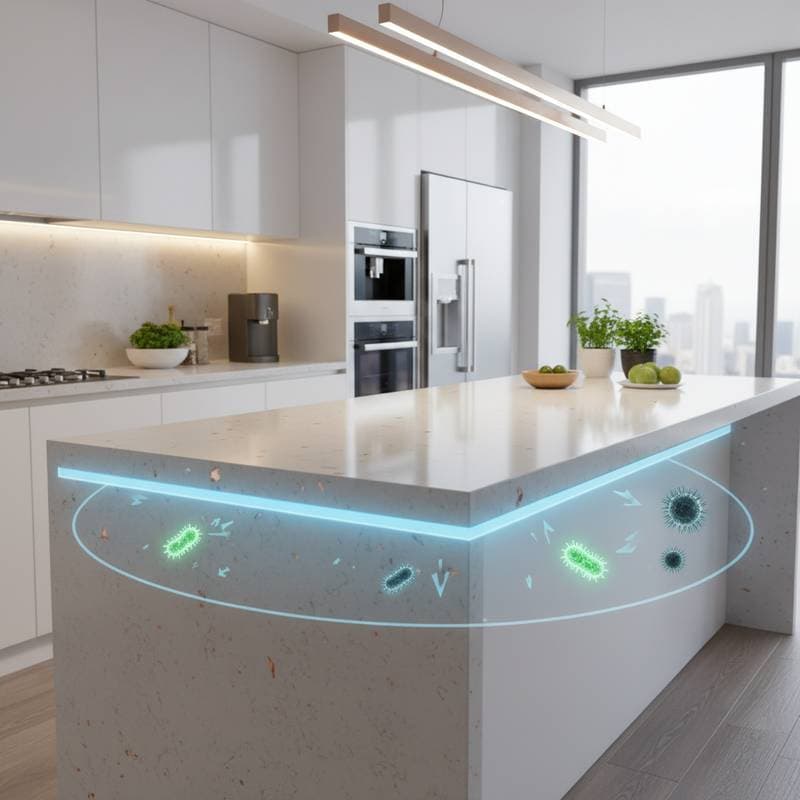
Professionals who design and install kitchens recognize a fundamental reality: the kitchen endures constant use, wear, and exposure to bacteria. Areas such as cutting boards, countertops, and sinks harbor germs beyond typical awareness. Despite routine cleaning, bacteria persist in minor scratches, seams, and joints. Antimicrobial surfaces address this vulnerability, serving as more than a stylistic choice; they function as a reliable safeguard for food preparation zones over extended periods.
Risks of Standard Surfaces Without Antimicrobial Features
Selecting conventional materials lacking inherent antimicrobial qualities leads to several issues that emerge gradually:
-
Bacterial Proliferation in Microscopic Imperfections
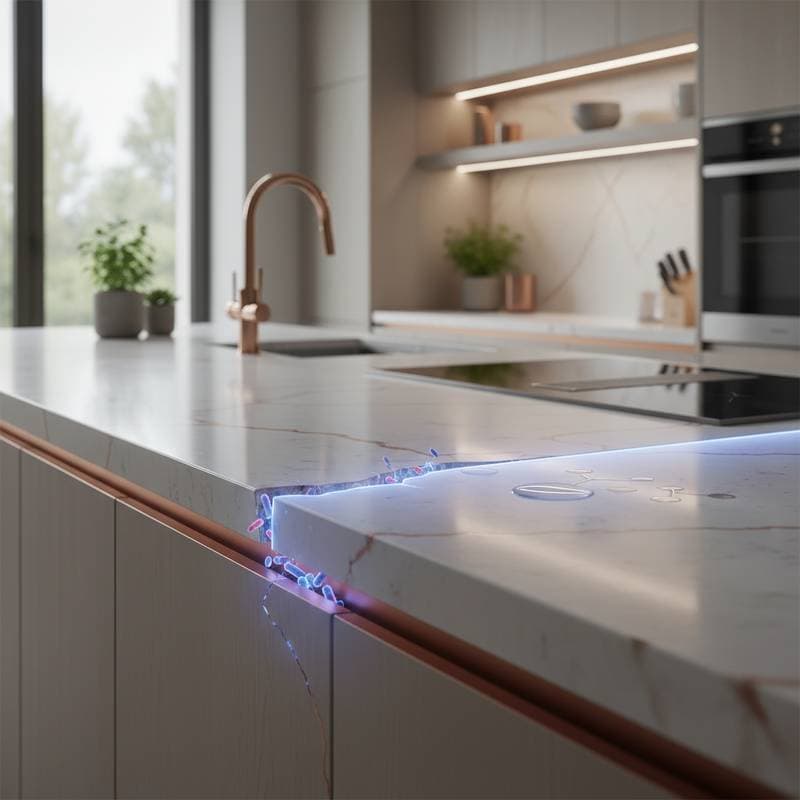
All countertops, including solid varieties, acquire small scratches and etchings with regular use. Residues from food and moisture accumulate in these crevices, fostering environments conducive to bacterial development. While surface cleaning proves effective, it often fails to eradicate growth at deeper levels. -
Transfer of Contaminants During Preparation
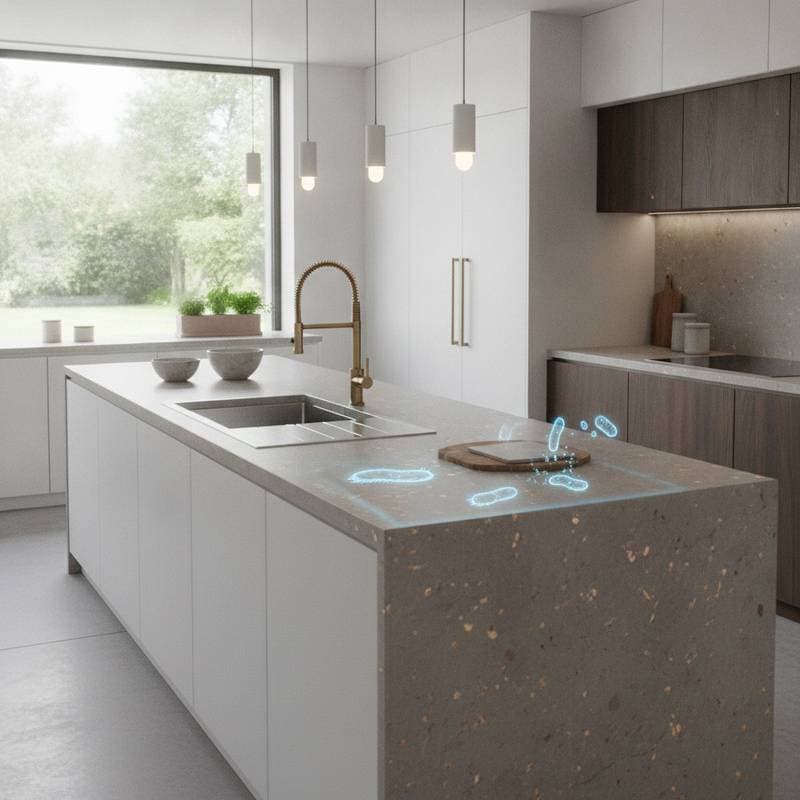
Slicing raw proteins on absorbent surfaces allows bacteria to linger post-wiping. Subsequent contact with uncooked vegetables or fruits on the identical area reintroduces pathogens directly into meals. -
Persistent Odors and Discoloration
Accumulated bacteria generate enduring unpleasant aromas resistant to standard remedies. Stains develop more rapidly as organic residues react with microbes and dampness. -
Elevated Upkeep Expenses
Established contamination prompts reliance on aggressive agents like bleach, which erode surface integrity. Consequently, countertops diminish in appearance prematurely and necessitate earlier replacement.
Mechanisms of Antimicrobial Surfaces
These surfaces incorporate materials or treatments designed to inhibit bacterial adhesion and multiplication. Key approaches include:
- Integrated Metallic Elements: Ions from silver or copper interfere with bacterial cellular processes, preventing reproduction.
- Impermeable Composite Structures: Materials such as quartz or engineered solids deny bacteria attachment sites.
- Durable Barrier Coatings: Specialized sealants form persistent shields against humidity and microbial invasion.
In application, such surfaces curtail bacterial expansion, maintaining lower contamination levels between cleanings. Regular hygiene remains necessary, yet the overall microbial burden decreases significantly.
Recommended Material Selections
When advising clients on optimal surfaces, emphasis falls on resilience, ease of care, and protective efficacy. Top recommendations encompass:
-
Quartz Countertops
Inherently non-absorbent, quartz frequently receives antimicrobial enhancements during production. It withstands stains effectively, requires little upkeep, and delivers uniform safeguarding throughout the installation. -
Engineered Solid Surfaces
Acrylic and composite variants from reputable producers embed antimicrobial agents. Seamless fabrication eliminates grout or joints, eliminating common bacterial shelters. -
Copper and Copper-Infused Designs
Copper exhibits innate antimicrobial traits, validated through extensive medical applications. Though full installations prove expensive, targeted copper elements near sinks combine visual elegance with practical utility. -
Porcelain and Ceramic Panels
Contemporary producers embed antimicrobial finishes into porcelain slabs via firing processes. These excel in damp areas like backsplashes, repelling water and contaminants alike.
Key Inquiries for Homeowners Prior to Purchase
Prior to committing to installation, confirm these aspects with suppliers and installers:
-
Does the antimicrobial feature integrate into the core material or apply as a topping? Intrinsic integration endures the material's lifespan, whereas topical layers risk degradation.
-
Which cleaning agents remain compatible? Certain substances may compromise protective elements or invalidate guarantees.
-
Has independent certification validated the claims? Seek endorsements from accredited laboratories confirming efficacy.
-
Does coverage extend to antimicrobial functionality in the warranty? Scrutinize terms, as many exclude such performance assurances.
These verifications secure value and ensure selections align with genuine protective standards.
Weighing Health Benefits Against Expenses and Aesthetics
Initial investments in antimicrobial options exceed those of basic alternatives. Quartz and solid surfaces occupy moderate to elevated price tiers, with copper commanding luxury premiums. However, sustained advantages offset these outlays: reduced cleaning frequency, prolonged surface vitality, and diminished contamination hazards.
Aesthetic flexibility enhances appeal. Available in diverse hues and patterns, these materials mimic conventional appearances without sacrificing functionality. Clients value the seamless integration of protection into desirable designs, fostering kitchens that prioritize well-being alongside beauty.
Installation Pitfalls to Sidestep
Superior antimicrobial performance depends on precise execution. Avoid these frequent errors:
-
Inadequate Sealing of Connections: Apply only endorsed sealants to joints, preventing bacterial ingress.
-
Substandard Edge Treatments: Smooth, finished edges minimize residue traps and moisture retention.
-
Incompatible Bonding Agents: Select adhesives free of compounds that undermine protective coatings.
-
Insufficient Structural Reinforcement: Prevent flexing or movement, which generates cracks inviting microbes.
Engage certified specialists versed in these protocols to uphold material effectiveness.
Strategies for Long-Term Preservation
Antimicrobial surfaces operate passively yet demand attentive maintenance. Employ gentle detergent solutions and soft cloths for routine tasks; address spills immediately. Steer clear of abrasives, bleach, or acidic formulas unless manufacturer guidelines permit. For any observed fading or marks, consult professionals rather than risk self-repair.
Opting for antimicrobial countertops fortifies the kitchen's core role in daily life. Homeowners embracing these solutions experience sustained cleanliness, alleviated upkeep demands, and resilient spaces equipped for rigorous use.