The Rise of Induction Zones in Kitchen Design
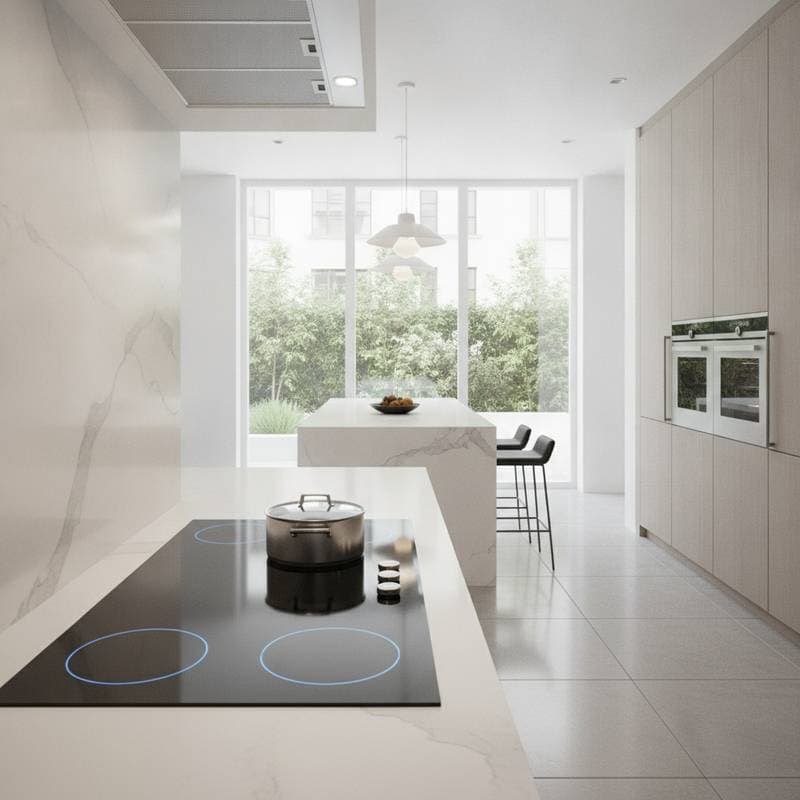
Kitchen design evolves toward spaces that prioritize intelligence, safety, and efficiency. A prominent transformation involves the integration of induction zones into contemporary layouts. Homeowners increasingly replace conventional gas or electric ranges with induction systems, which deliver exact temperature regulation, rapid heating, and streamlined appearances. As a remodeling expert, observations confirm that these installations yield superior outcomes when aligned with thoughtful spatial planning.
Reasons Homeowners Choose Induction
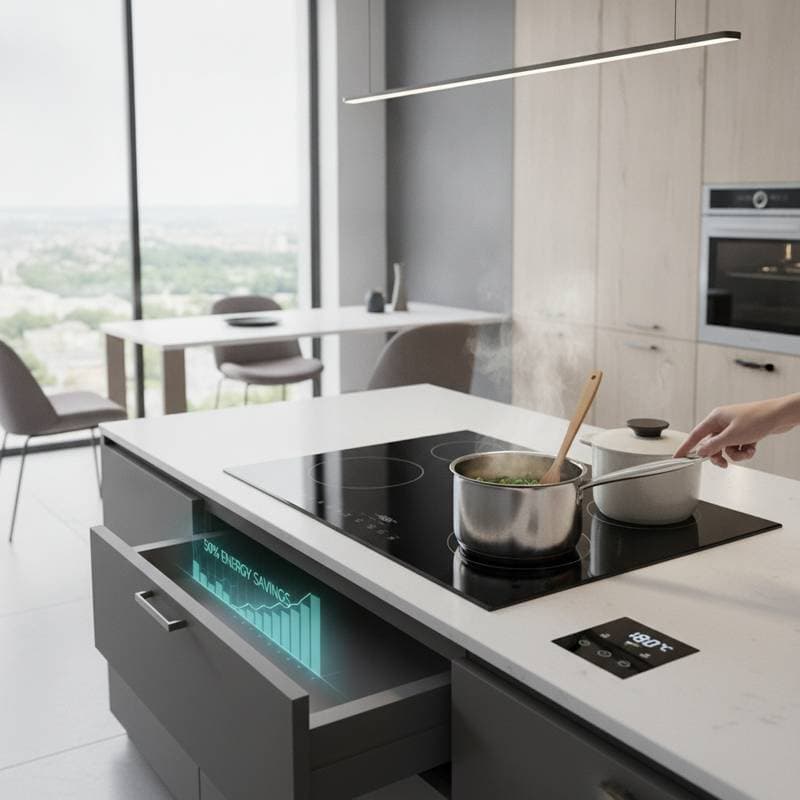
Induction cooking employs electromagnetic fields to warm cookware directly, leaving the cooking surface relatively cool. This method accelerates processes, enhances safety, and optimizes energy use. For instance, water reaches a boil in approximately half the duration required on a gas burner, allowing cooks to focus on other tasks.
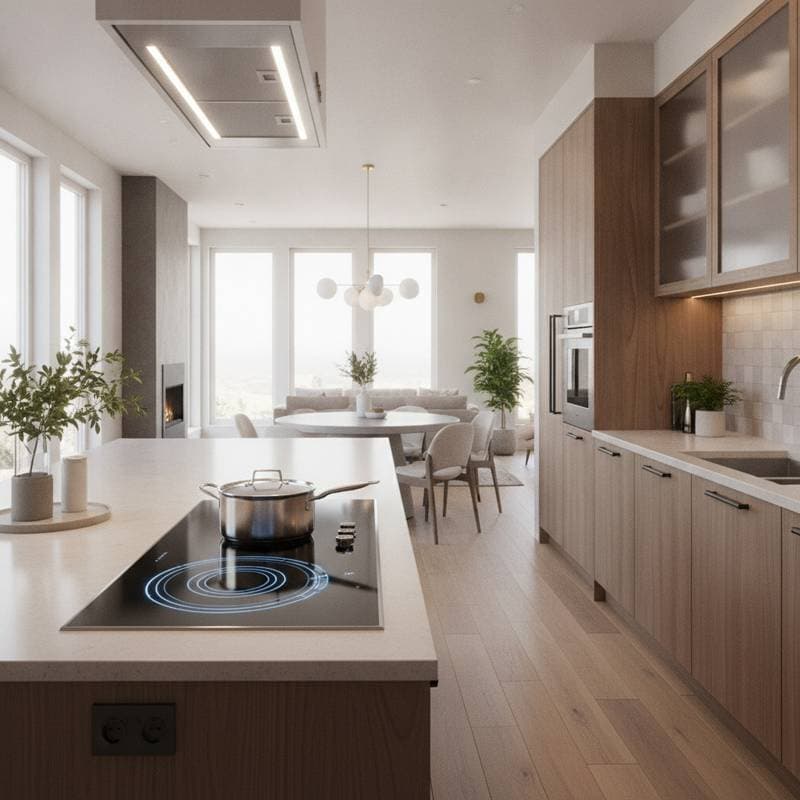
The aesthetic advantages further attract users. Induction zones eliminate visible grates and protruding controls, enabling the surface to merge smoothly with countertops. This minimalist design suits preferences for uncluttered, easy-to-maintain environments. Cleaning simplifies as well, since spills avoid baking onto heated elements.
Pitfalls to Sidestep in Induction Integration
Despite clear benefits, induction setups falter without meticulous incorporation into the kitchen framework. Remodeling experiences highlight three frequent errors:
-
Overlooking cookware suitability. Induction demands ferromagnetic materials in pots and pans. Legacy items may fail to respond, necessitating compatibility checks or replacements prior to full adoption.
-
Neglecting ventilation needs. Assumptions that induction removes the requirement for exhaust systems prove incorrect. Cooking still releases steam, fats, and aromas, so robust hoods preserve indoor air purity and comfort.
-
Inadequate zone configuration. Treating induction as interchangeable with traditional ranges leads to inefficiencies. Optimal performance emerges from layouts that facilitate seamless progression through preparation, cooking, and washing stages.
Structuring Effective Work Zones
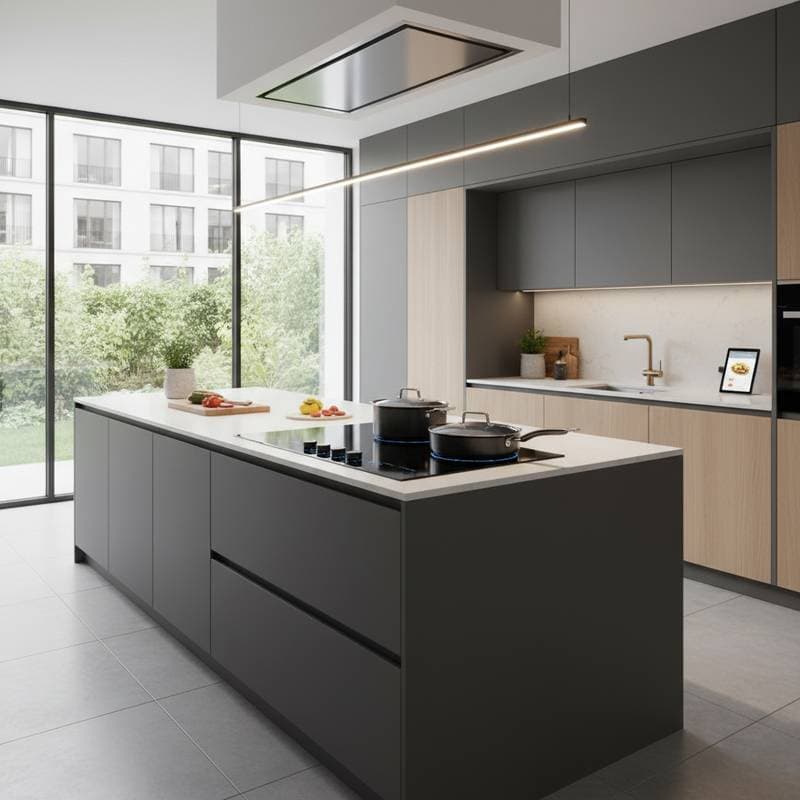
Kitchens optimized for induction zones benefit from intentional zoning to minimize motion and maximize accessibility. Effective designs incorporate the following elements:
-
Preparation Area: Position this adjacent to the induction surface, equipped with ample cutting boards, sharp knives, and convenient waste receptacles. The technology's swift heat adjustments expedite transfers from chopping to cooking, underscoring the value of close proximity.
-
Active Cooking Area: Center this around the induction units, featuring drawers for utensils, racks for spices, and durable mats for resting hot items. Such organization streamlines operations during peak activity.
-
Washing Area: Locate the sink, dishwasher, and trash compartment within reach yet offset from the cooking front. This arrangement avoids congestion and upholds safety margins around operational zones.
Proper zoning elevates kitchen functionality to professional standards. Users report enhanced efficiency, with reduced physical effort during routine meal assembly.
Insights from Installation Professionals
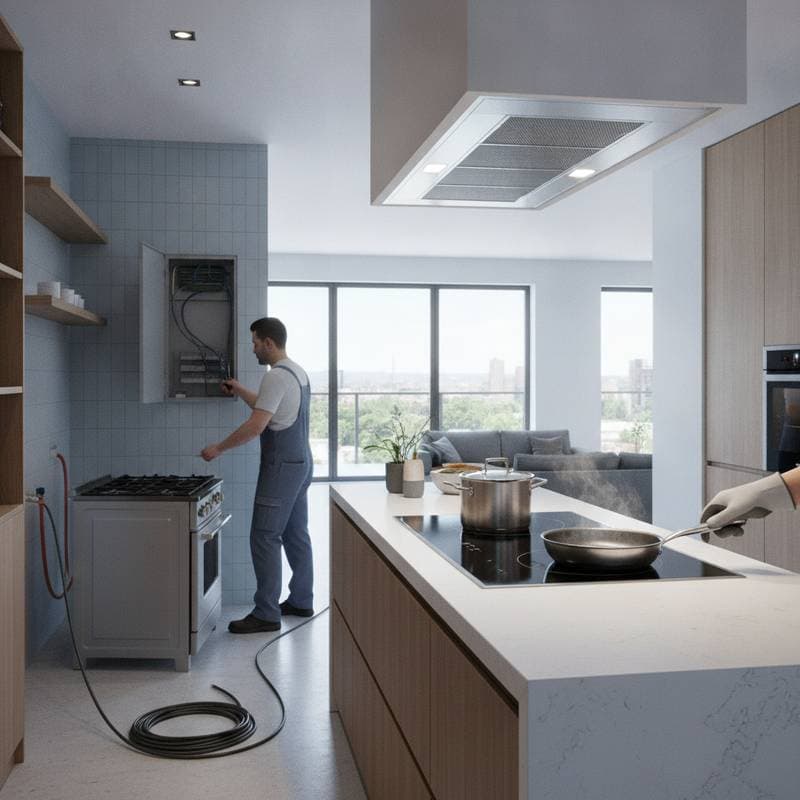
Builders approach induction projects with emphasis on electrical infrastructure. These systems necessitate robust circuits capable of handling elevated amperage, along with isolated breakers compliant with regulations. Engage certified electricians to assess and upgrade service panels, preventing future disruptions from capacity shortfalls.
Fabrication of countertop apertures requires precision, as units typically embed flush for a cohesive finish. Create templates using the delivered appliance to ensure accurate fits, safeguarding investments in premium materials like granite or engineered stone.
Consider retaining a backup heat source, such as a countertop electric unit or integrated oven, for reliability. This provision accommodates emergencies like outages or scenarios involving non-induction-compatible vessels.
Enduring Advantages for Daily Use
Induction zones align with environmental objectives while curbing operational expenses. Direct heat application minimizes waste, potentially slashing energy consumption by up to 30 percent relative to gas alternatives. The temperate surface also moderates ambient warmth, easing reliance on cooling systems during summer.
Upkeep proves straightforward absent the complexities of flame-based appliances. No ignition sources or intricate components demand regular attention. Routine surface wiping suffices to sustain pristine conditions and reliable operation over years.
Optimizing Your Kitchen for Induction Success
Prospective remodelers benefit from initiating induction discussions at the conceptual stage. Coordinate electrical upgrades, storage solutions, and surface specifications holistically. Successful implementations yield secure, agile, and aesthetically unified spaces that adapt to evolving needs.
This progression toward induction zones signifies a refined methodology for kitchen utilization, blending innovation with practicality.