Why Japandi Kitchens Surpass All-White Designs in 2025
Many people enter an all-white kitchen and appreciate its pristine appearance, yet sense a certain chill in the air. The brightness appeals, but concerns arise about maintaining its flawless look amid daily use or infusing it with a sense of warmth. Homeowners increasingly seek spaces that combine cleanliness with comfort, creating an environment that feels both serene and welcoming.
Japandi kitchen design addresses these needs by merging Scandinavian minimalism with Japanese influences. This approach retains the sleek lines of modern interiors while introducing natural elements that foster a grounded atmosphere. For those planning a kitchen update, Japandi offers a durable alternative to the fleeting all-white trend, promising longevity and ease of living.
Understanding Japandi Design
Japandi emerges from the fusion of Scandinavian functionality and Japanese artistry, emphasizing harmony between simplicity and nature. The style avoids excess, focusing instead on materials that age gracefully and layouts that support effortless routines. In kitchen applications, this translates to spaces that invite relaxation without sacrificing utility.
Key characteristics include the use of organic textures and subdued colors, which soften the starkness often found in all-white setups. Designers prioritize balance, ensuring every feature contributes to both form and function. This philosophy results in kitchens that evolve with the home rather than demanding constant renewal.
Core Elements of a Japandi Kitchen
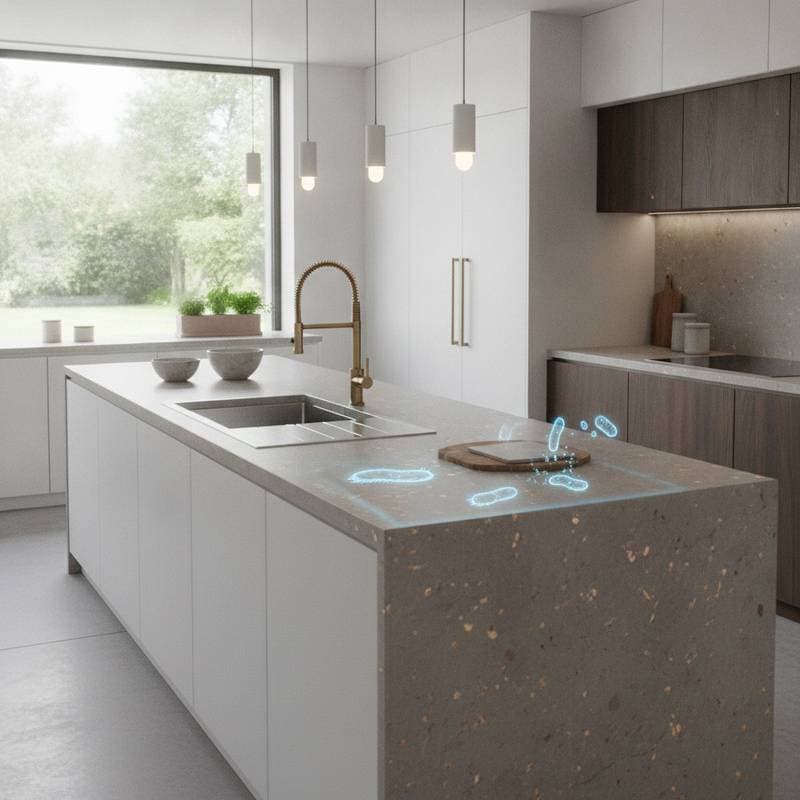
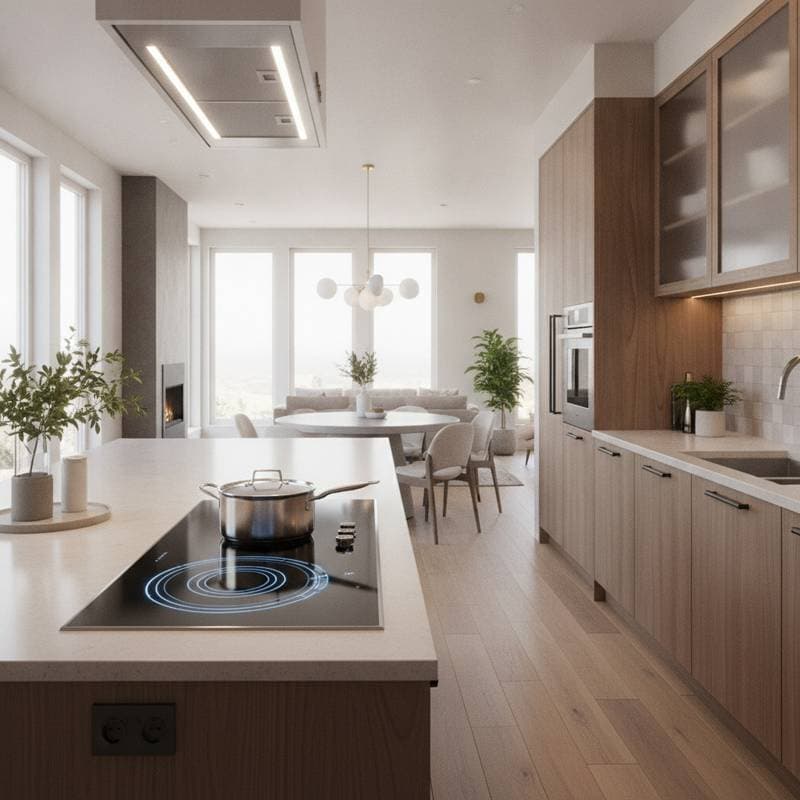
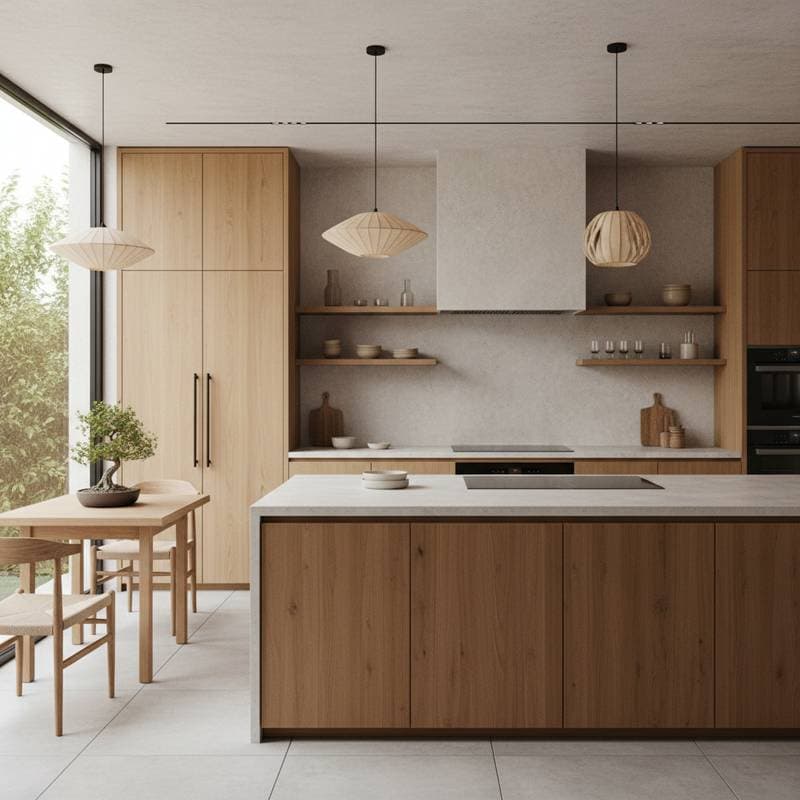
To achieve the Japandi aesthetic, incorporate materials drawn directly from nature. Select woods such as oak or walnut for cabinetry, paired with stone slabs for countertops. Bamboo accents or rattan baskets add subtle variety, while linen curtains soften window treatments.
Adopt a restrained color scheme centered on earth-inspired hues. Warm beiges, soft taupes, and muted greens replace brilliant whites, allowing light to filter gently throughout the room. These choices create a cohesive backdrop that highlights textures without overwhelming the senses.
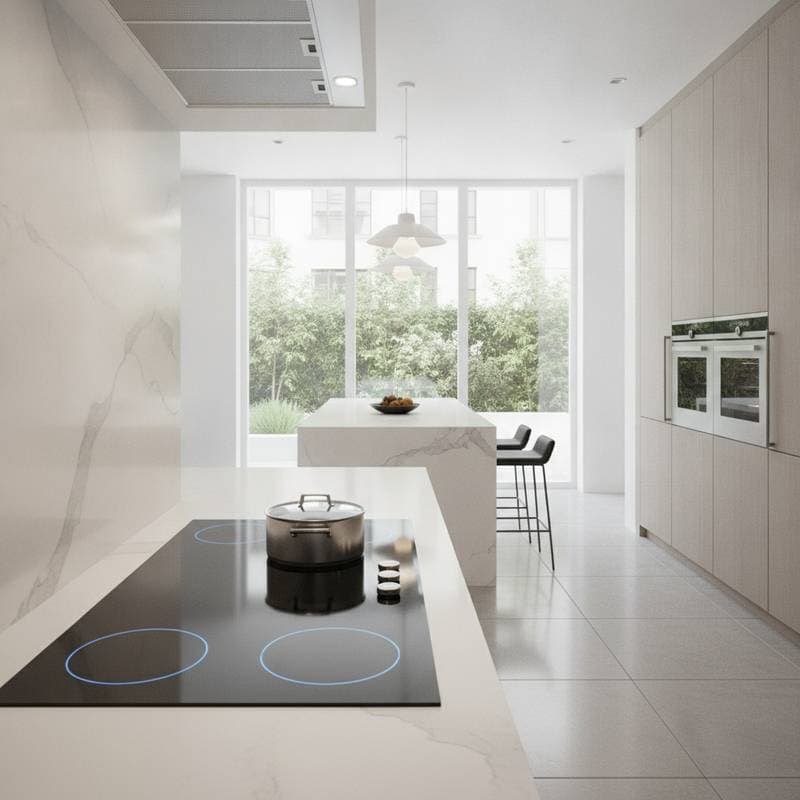
Embrace clean architectural details for visual flow. Install flat-panel cabinets with concealed hinges and integrated appliances to minimize visual clutter. Open shelving, limited to essential items like handcrafted pottery, promotes mindful storage and easy access.
Incorporate lighting that mimics natural daylight. Opt for recessed warm LEDs or sculptural pendants in matte finishes to cast diffused glows. This setup eliminates shadows and harsh contrasts, enhancing the overall tranquility.
Introduce tactile elements to build depth. Matte varnishes on wood surfaces, woven placemats, or exposed grain patterns provide contrast against smoother stones. Such details ensure the space feels dynamic yet composed.
Implementing Japandi Step by Step
1. Select Natural Materials
Begin by evaluating your existing surfaces and identifying opportunities for organic upgrades. Replace laminate counters with quartzite or recycled concrete, which offer durability and a honed finish. For cabinetry, refinish current pieces in light stains or source reclaimed wood panels to evoke authenticity.
Consider sustainability by choosing FSC-certified woods or low-VOC finishes. These options not only align with Japandi principles but also support long-term environmental health. Test samples in your lighting conditions to confirm they harmonize with the room's natural flow.
2. Develop a Balanced Color Palette
Shift from stark whites to layered neutrals that warm the palette. Creamy off-whites, mushroom grays, or sandy beiges form the foundation, applied to walls and larger surfaces. Accent with deeper tones like charcoal on smaller elements, such as faucets or bar stools, to anchor the design.
For cohesion, limit the palette to four colors and draw inspiration from natural scenes, such as a foggy forest or sunlit clay. Paint test swatches on multiple walls to observe how they interact with sunlight throughout the day. This method ensures the colors enhance rather than compete with the materials.
3. Integrate Textural Accents
Layer textures to add subtle interest without busyness. Pair smooth stone backsplashes with rough-hewn wood shelves or linen tea towels folded neatly on counters. Woven seagrass rugs underfoot provide a soft transition from kitchen to adjacent areas.
Source accents from artisanal makers to infuse personality. Hand-thrown ceramic vases or carved wooden utensils serve dual purposes as decor and tools. Arrange them sparingly to maintain the minimalist ethos while inviting tactile engagement.
4. Optimize the Layout for Flow
Design the layout around efficiency, favoring configurations that promote movement. A galley setup suits narrower spaces, while an L-shaped arrangement maximizes corner utilization in larger rooms. Position the sink, stove, and refrigerator in a practical work triangle to streamline tasks.
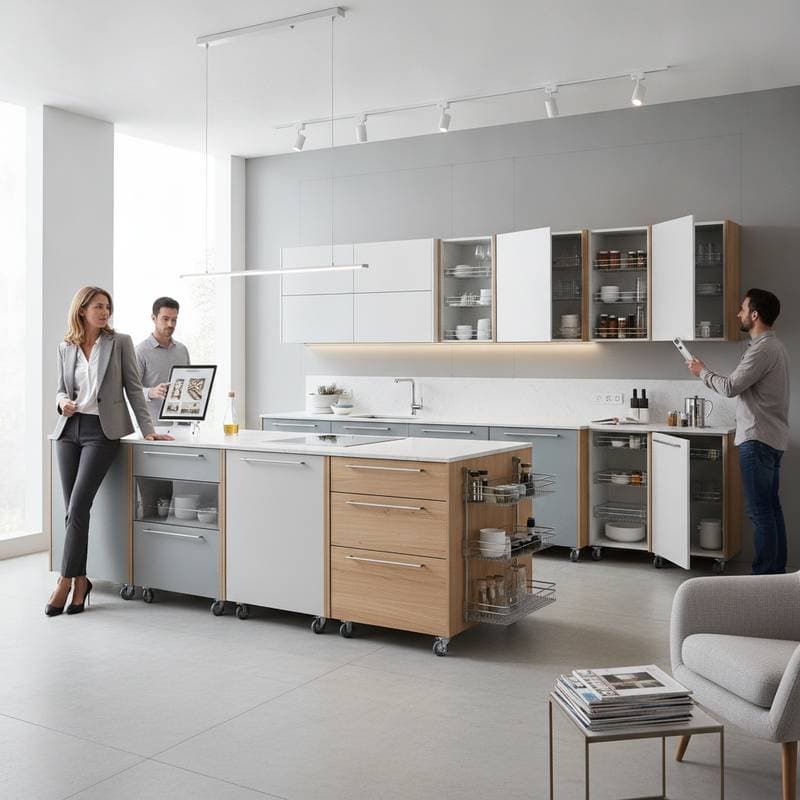
Incorporate built-in solutions like pull-out pantries or drawer organizers to conceal essentials. Reserve counter space for active use, such as meal prep, by avoiding unnecessary gadgets. If adding an island, keep it slim and multifunctional, perhaps with integrated seating for casual gatherings.
Practical Planning for Your Project
Budget Breakdown
Tailor the scope to your financial parameters for achievable results. A basic refresh, involving paint updates and hardware changes, ranges from $2,000 to $5,000 and requires minimal disruption. Mid-level renovations, including new cabinet installations and flooring, typically cost $15,000 to $35,000, yielding noticeable transformations.
High-end projects exceed $40,000, featuring bespoke elements like custom millwork and smart integrations. Allocate funds proportionally: 40 percent for materials, 30 percent for labor, and the remainder for contingencies. Research suppliers for bulk discounts on natural goods to stretch your investment.
Safety and Expertise
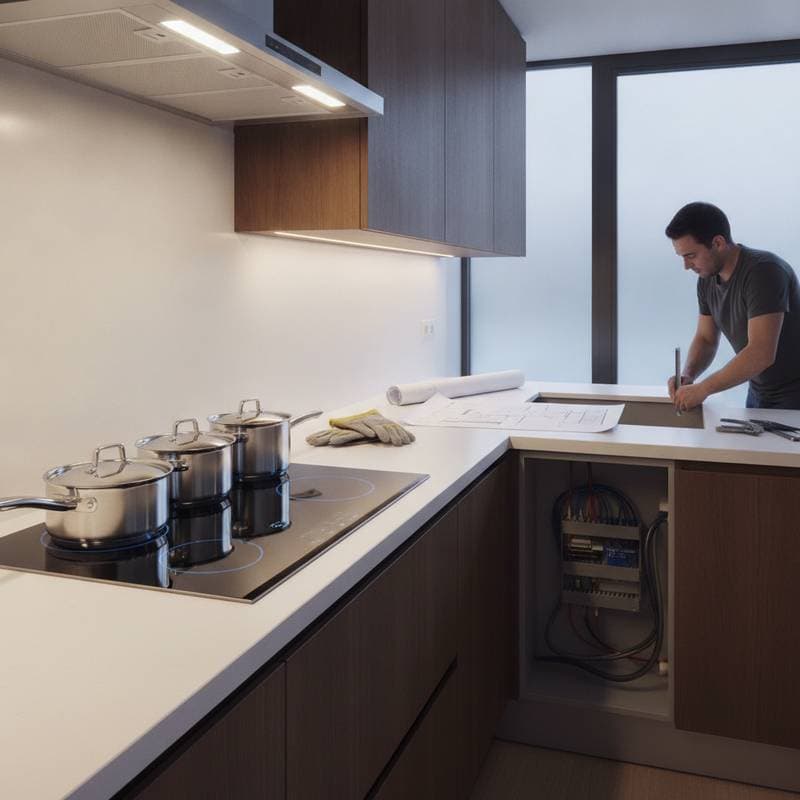
Engage professionals for any modifications involving wiring, gas lines, or load-bearing changes to uphold safety standards. A certified contractor manages timelines and secures necessary permits, preventing costly errors. Consult local building codes early to align your vision with regulations.
For cosmetic adjustments, such as surface refinishing or fixture swaps, independent efforts suffice with basic tools. Always prioritize ventilation during painting or staining to avoid health risks. Document progress with photos to track compliance and inspire future tweaks.
Project Timeline
Anticipate one to two weeks for surface-level updates, allowing time for drying and curing. Comprehensive overhauls span two to four months, factoring in material sourcing and installation phases. Build flexibility into your schedule, adding buffers for supply chain variables or weather impacts on outdoor-adjacent work.
Communicate regularly with your team to monitor milestones. Final walkthroughs ensure all elements meet expectations before declaring completion. This structured approach minimizes stress and delivers a polished outcome.
Everyday Benefits of Japandi Living
Japandi kitchens foster routines rooted in intention, where organization feels intuitive rather than imposed. Natural surfaces encourage gentle handling, turning maintenance into a rhythmic habit. The design's adaptability suits varied lifestyles, from solo cooks to family hubs, without losing its core serenity.
Residents report reduced visual fatigue from the soft palette and textures, which buffer against chaos. Scattered items blend seamlessly, preserving the space's calm even during peak hours. This resilience makes Japandi ideal for real-life demands, enhancing overall home satisfaction.
Sustaining Your Japandi Kitchen
Preserve the integrity of materials through routine care. Clean wood and stone with pH-neutral solutions, wiping gently to retain natural oils. Reapply food-safe oils to counters quarterly, monitoring for wear in high-traffic zones.
Rotate accessories seasonally to refresh the look without structural changes. Swap woven baskets for ceramic trays or introduce potted herbs for vitality. These minor adjustments keep the space evolving while honoring its timeless foundation.
Steps to Launch Your Japandi Transformation
Start by sketching your current layout and noting desired shifts toward natural integration. Gather inspiration from texture samples and color charts to visualize the blend. Consult experts for feasibility assessments, then proceed with phased implementations to manage overwhelm.
The outcome rewards with a kitchen that nurtures daily life, blending efficiency with quiet elegance. This style endures beyond trends, creating a sanctuary that reflects personal harmony and practical wisdom.