Upgrade Your Kitchen: Induction Replaces Gas Stoves
Home cooks often value the responsiveness of gas stoves for precise control and rapid heating. Recent trends indicate a growing preference for induction cooking among homeowners. Factors such as safety concerns, operational efficiency, and environmental considerations drive this transition. Before committing to a replacement, evaluate the practical implications and potential benefits.
The Shift from Gas to Induction
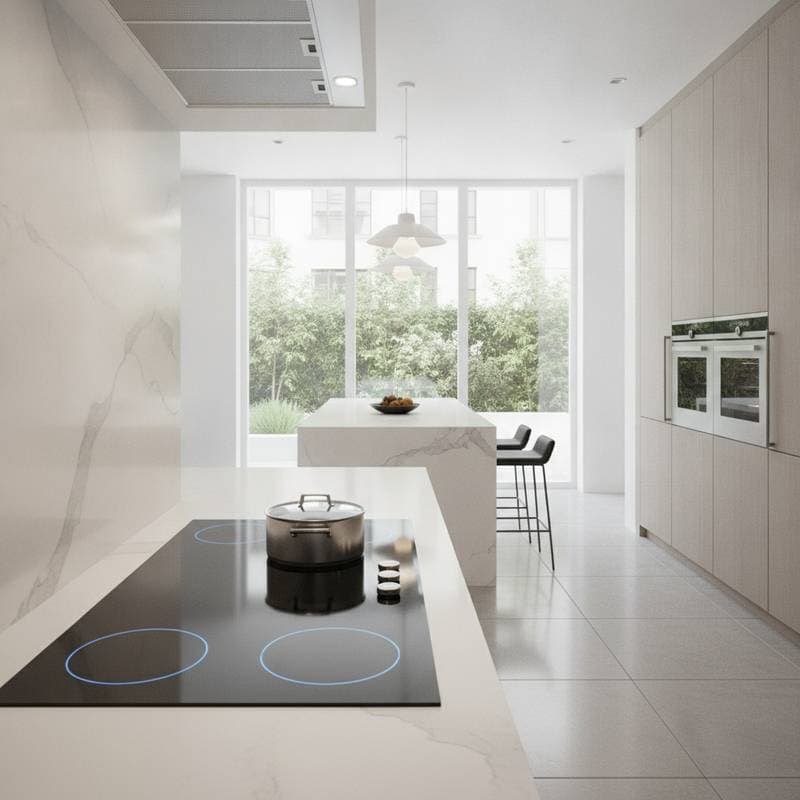
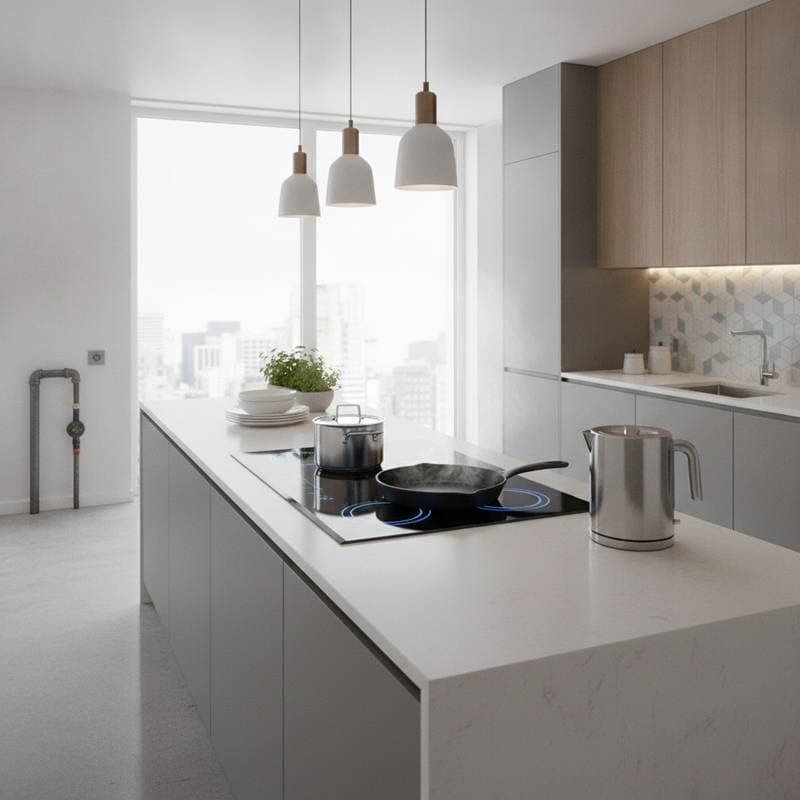
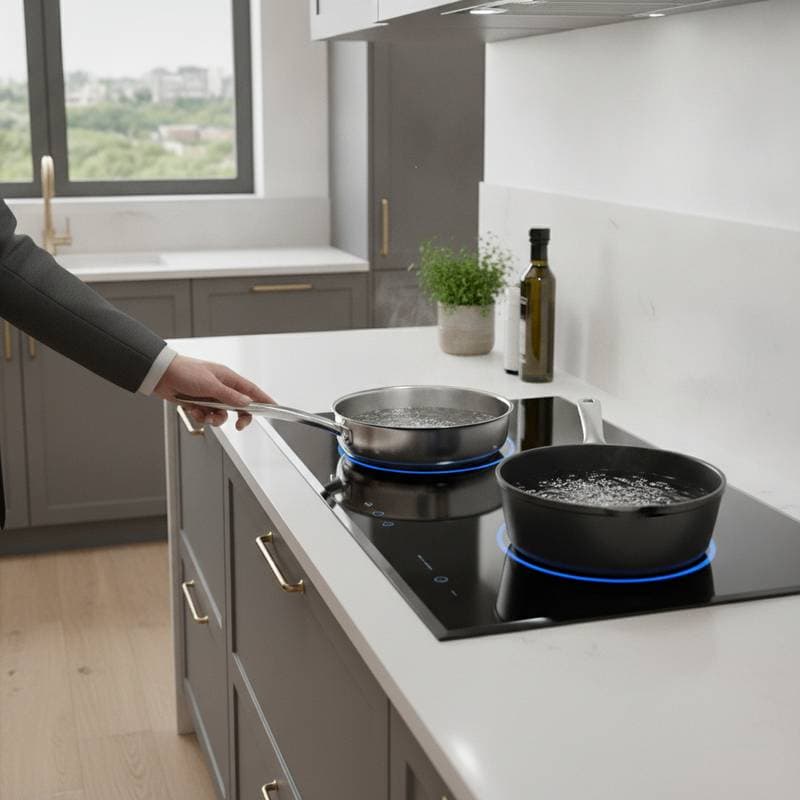
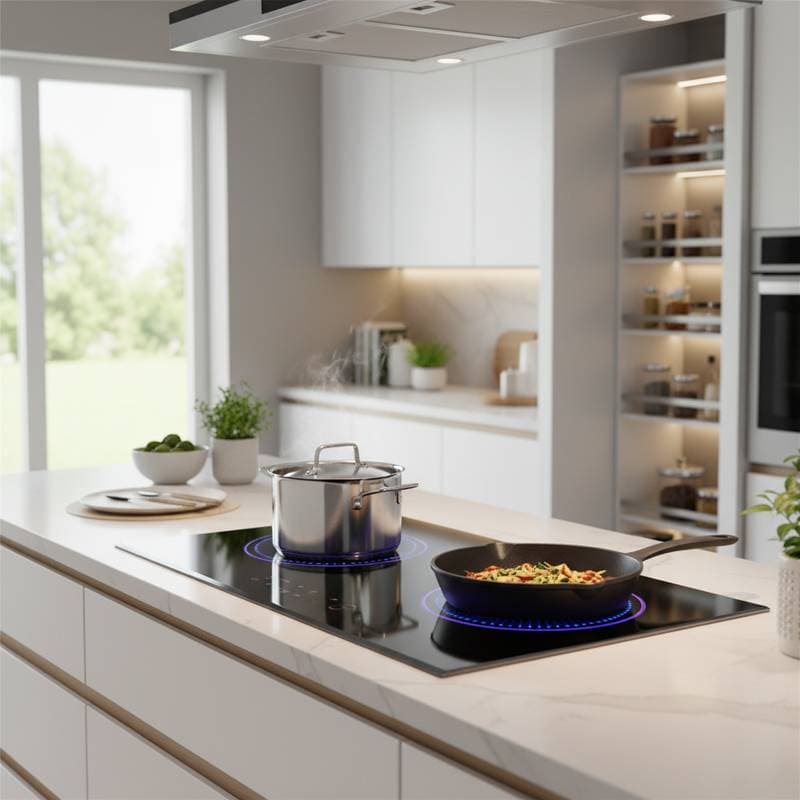
Homeowners increasingly opt for induction cooktops over gas stoves due to enhanced safety, greater efficiency, and better indoor air quality. Gas stoves rely on open flames that generate combustion byproducts, including nitrogen dioxide and carbon monoxide, which can compromise air quality. Induction technology employs electromagnetic fields to heat cookware directly, eliminating flames and minimizing heat escape. This approach results in boil times up to 50 percent faster than traditional gas methods, maintains cooler ambient kitchen temperatures, and reduces pollutant emissions.
Safety represents a primary advantage. Unlike gas burners that retain heat after use, induction surfaces remain cool except beneath the cookware, lowering the risk of accidental burns. This feature proves particularly beneficial in households with young children or pets. Additionally, the smooth glass-ceramic surface facilitates immediate spill cleanup, as residues do not adhere or burn onto the material.
What You Need for an Induction Conversion
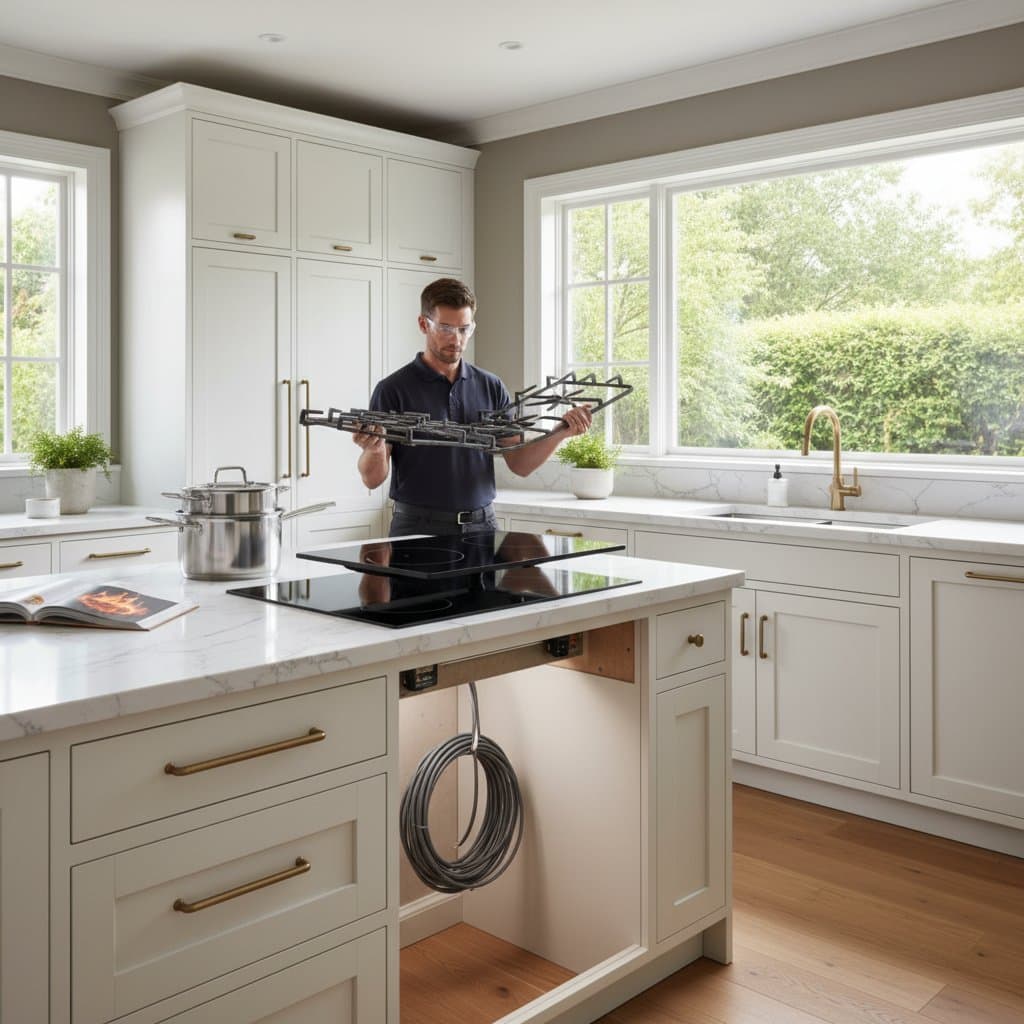
Converting from a gas to an induction setup requires careful preparation and professional assistance. The process involves several key steps to ensure compliance with electrical and plumbing standards.
-
Assess electrical infrastructure. Induction appliances demand a dedicated 240-volt circuit, akin to requirements for electric ovens. Homes with only 120-volt outlets necessitate an upgrade. Engage a licensed electrician to install the circuit; expenses typically range from $300 to $800, influenced by the electrical panel's capacity and wiring distance.
-
Secure the gas line. A qualified plumber must disconnect and cap the existing gas supply to prevent leaks. This procedure ensures safety and usually costs between $100 and $250.
-
Select an appropriate induction model. Options vary from portable two-burner units to comprehensive 36-inch ranges. Entry-level models begin at approximately $900, while high-end versions with advanced features like Wi-Fi connectivity exceed $3,000. Consider burner configurations and compatibility with your countertop dimensions.
-
Verify cookware compatibility. Induction heating functions solely with ferromagnetic materials. Test pots and pans by checking if a magnet adheres to the base; cast iron and certain stainless steel varieties excel in performance. Non-compatible items may require replacement, adding $100 to $300 to the overall budget.
Everyday Benefits You Will Notice
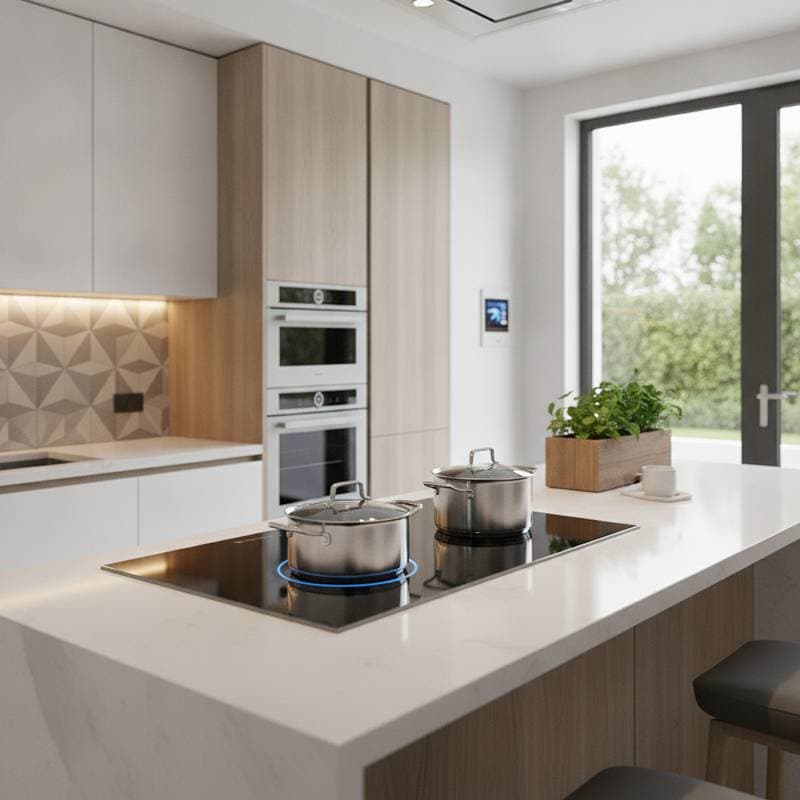
After installation, induction cooking delivers responsive heat control comparable to gas, yet with enhanced precision. Temperature changes occur instantaneously, enabling rapid boiling and consistent simmering without the risk of scorching delicate sauces. For instance, a quart of water reaches a rolling boil in under four minutes, surpassing gas performance in controlled tests.
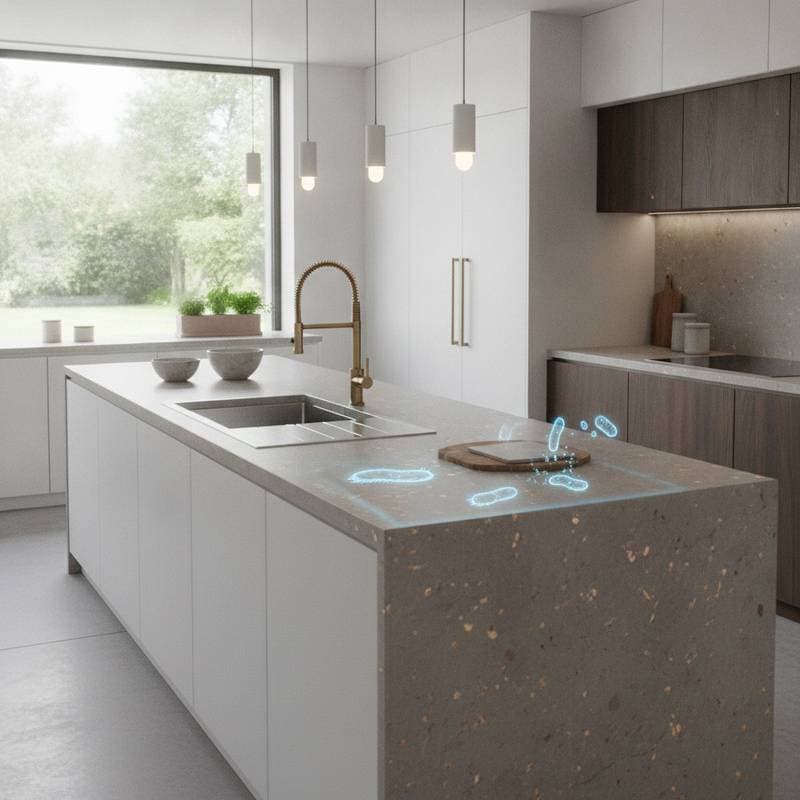
The smooth, sealed surface simplifies maintenance. Spills wipe away effortlessly with a damp cloth, eliminating the need for scrubbing baked-on residues common with gas stoves. This design also resists bacterial growth, contributing to a more hygienic cooking environment.
Energy efficiency stands out as a significant long-term advantage. Induction systems convert 85 to 90 percent of electrical energy into cooking heat, far exceeding the 40 to 50 percent efficiency of gas stoves. Consequently, users experience reduced utility costs—potentially saving $50 to $100 annually on electricity—and decreased kitchen heat buildup, which proves advantageous during warmer months.
Making It Happen
For frequent cooks, induction cooktops provide a substantial enhancement over gas without the associated health and environmental risks. Approach the conversion methodically by consulting professionals early in the planning phase. Allocate a budget of $1,200 to $4,000, accounting for electrical work, plumbing, appliance purchase, and any cookware updates. The investment yields a streamlined, energy-efficient kitchen equipped for reliable, hassle-free meal preparation over the long term.