Switch to Induction: Why Kitchens Go Electric
Every kitchen reflects how people live, cook, and gather. A subtle yet significant shift from gas to electric cooking places induction cooktops at the forefront. Once reserved for professional chefs and minimalist designs, induction now stands for efficiency, precision, and clean aesthetics. This evolution mirrors wider trends toward quieter technology, sustainable practices, and healthier indoor spaces.
Seamless Design Integration
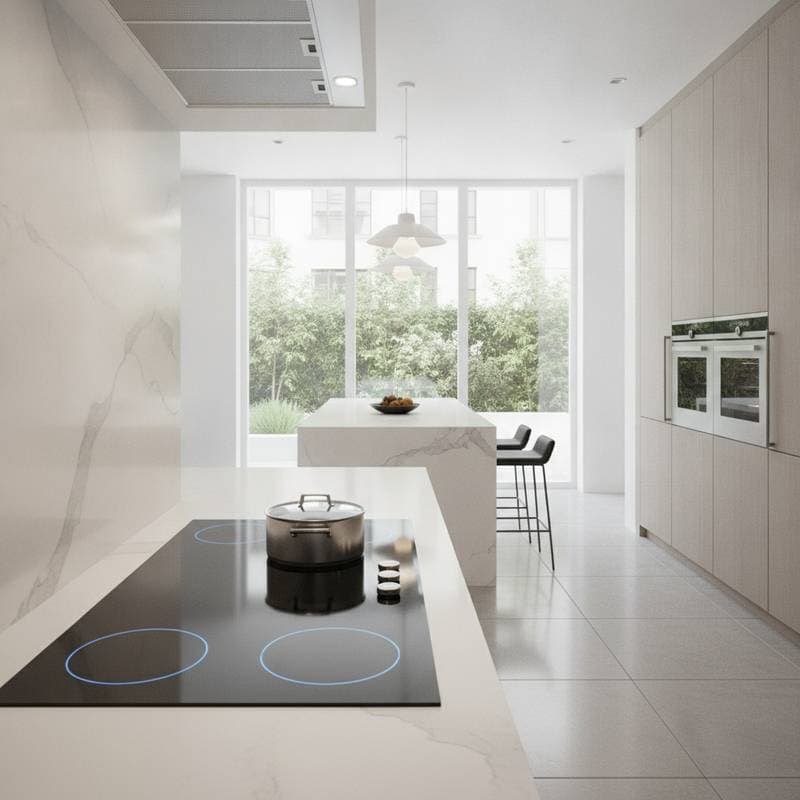
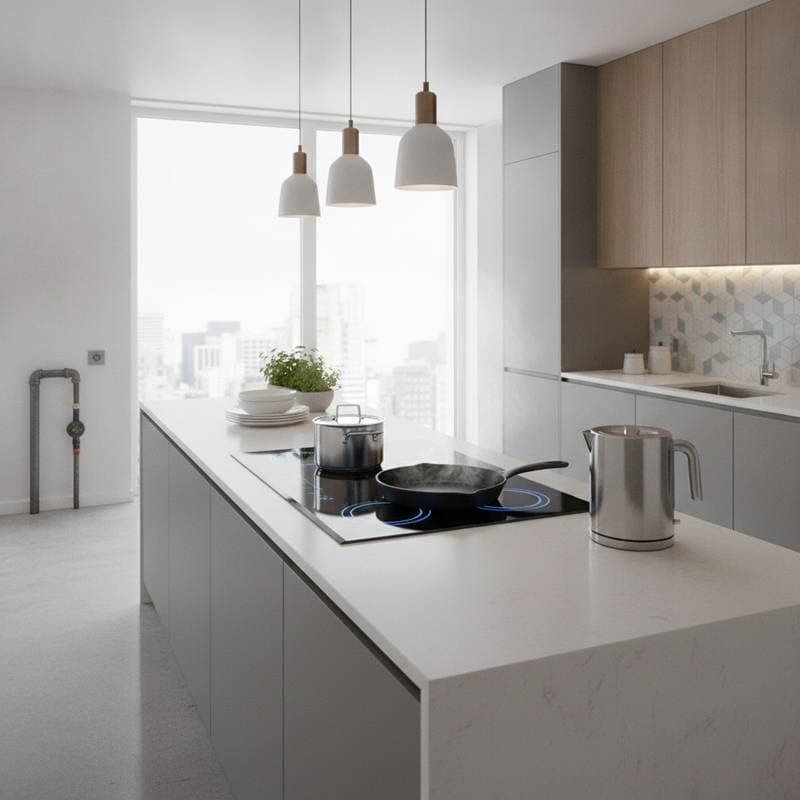
Induction cooktops offer an uninterrupted surface that merges seamlessly with countertops, resembling a sheet of glass. Designers like Patricia Urquiola and Vincent Van Duysen select this feature to preserve the sculptural essence of kitchen layouts. When powered off, the cooktop recedes, letting materials such as honed marble or matte black quartzite capture attention. This approach delivers visual tranquility that gas ranges, with their visible knobs, grates, and burners, seldom provide.
Improved Indoor Air Quality
The transition to induction brings environmental and health advantages beyond appearance. Gas stoves emit nitrogen dioxide and other pollutants that build up indoors. Induction avoids these emissions completely. Designers like Alexa Hampton highlight how this creates fresh-feeling kitchens without extensive ventilation needs. Families benefit from reduced cooking odors and a more inviting atmosphere that aligns with clear, modern designs.
Precise Heat Control
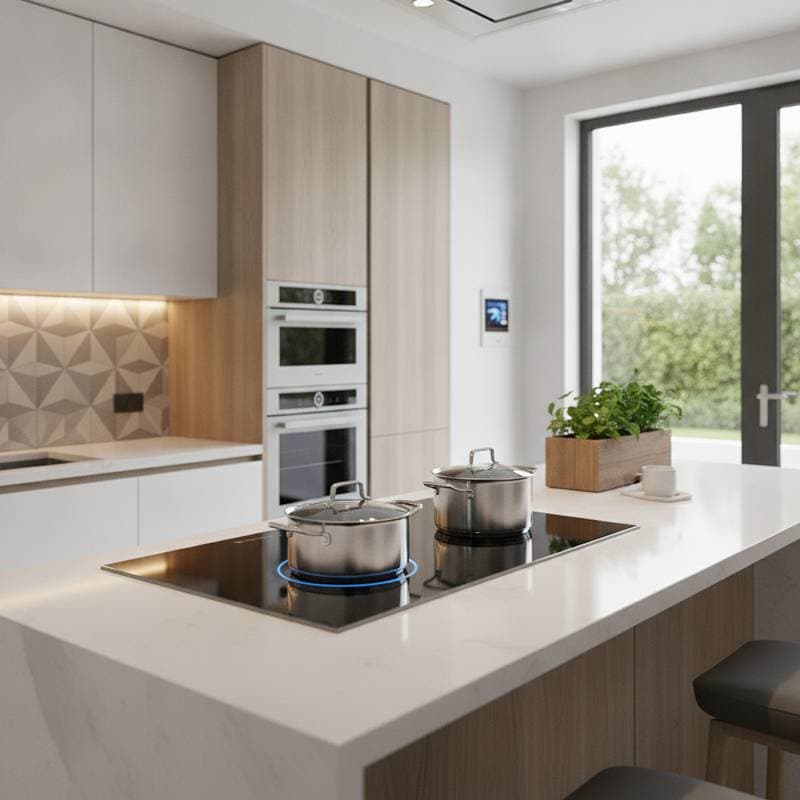
Induction cooking provides immediate response to temperature changes, enabling exact handling of tasks like simmering sauces or caramelizing sugars. Brands such as Miele, Gaggenau, and Bosch enhance this with touch controls and sensitive sensors. Serious home cooks regain an intuitive link between their actions and the cooking process. Designers appreciate the smooth surfaces and minimal hardware that maintain a room's visual harmony.
Enhanced Safety Features
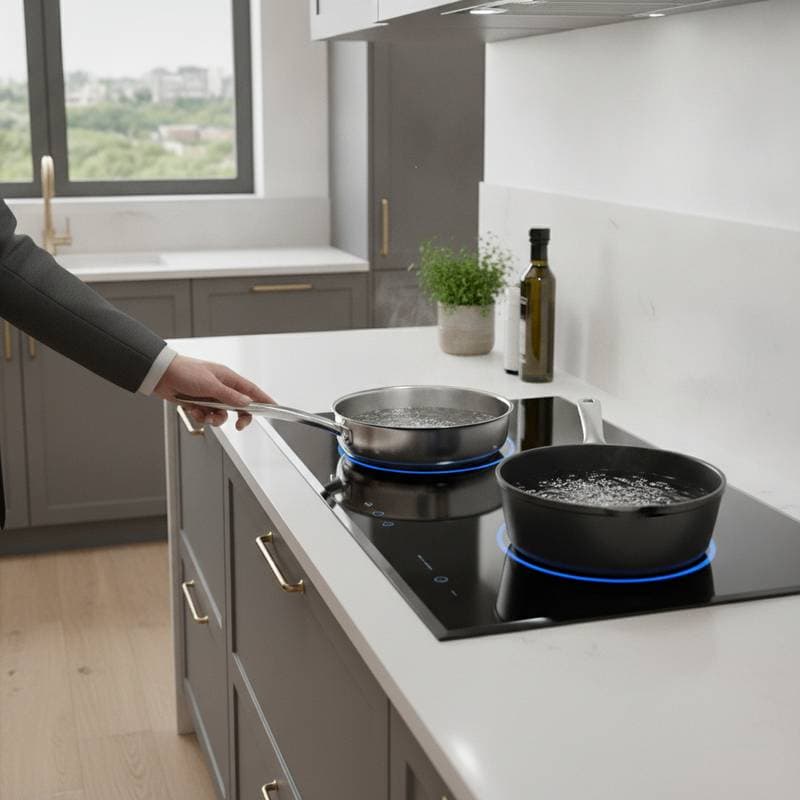
Induction heats only the cookware, leaving surrounding areas cool to the touch. This reduces burn risks, especially in homes with children. Interior architect Kelly Wearstler incorporates induction in family-oriented projects for its practical and stylistic merits. Without flames or hot coils, it allows use of delicate materials like fluted oak cabinets or natural linen upholstery close to the cooking area.
Silent Operation
Induction operates with remarkable quietness, free from gas hisses or coil buzzes. The faint interaction between pan and magnetic field adds a modern, serene note. This silence suits open-plan layouts where kitchens connect to living or dining spaces. It supports the trend of versatile areas that foster interaction and ease.
Effortless Cleaning
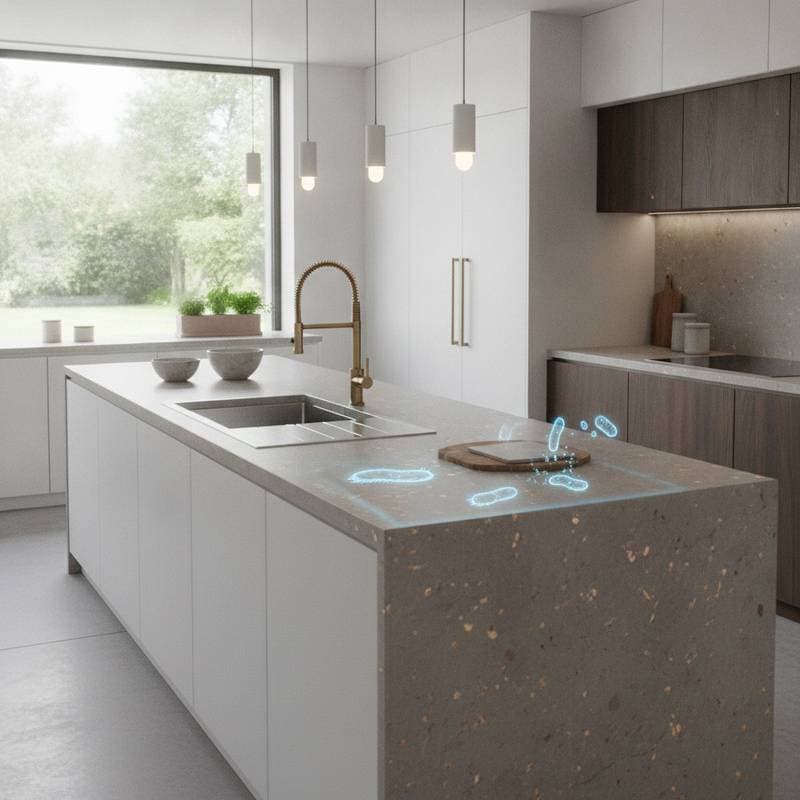
Maintaining an induction cooktop requires only a quick wipe across its flat surface. No grates demand scrubbing, and no burners need removal. Designers like Nate Berkus pair it with textures such as brushed brass or soapstone, knowing owners can preserve these elements easily. The cooktop thus enhances a setting of practical elegance, where utility enhances rather than clashes with style.
Energy Efficiency and Sustainability
Induction transfers nearly all energy directly to cookware, minimizing waste as ambient heat. Gas systems lose much energy to the surroundings. This performance supports electrification trends in sustainable homes. Architects pairing it with solar or renewable setups view induction as an essential match for overall energy optimization.
Adaptability to Diverse Styles
Induction suits more than contemporary spaces; its clean profile fits traditional, rustic, or transitional aesthetics. In a deVOL Kitchens design, a black glass induction surface nestles into soapstone counters accented by aged brass. This creates a timeless effect. Success depends on selecting matte textures, tactile elements, and integrations that honor the home's character.
Discreet Technological Integration
Modern designers prefer appliances that function without overwhelming the environment. Induction embodies this ideal. Innovations from BORA and Fisher & Paykel include built-in downdraft systems that remove overhead vents. Such features create unobstructed sightlines, letting elements like pendant lights, artwork, or shelves shine. Induction thus serves as both tool and structural ally, blending into the overall design.
Fostering Intentional Living
Adopting induction signals a deeper commitment to serene, purposeful routines. Its quiet operation, lack of emissions, and simple upkeep promote a sense of harmony. Owners report calmer kitchens and smoother daily flows. The cooktop's sleek, reflective quality echoes this composure, encouraging deliberate actions over rushed efforts.
Embracing Induction in Daily Life
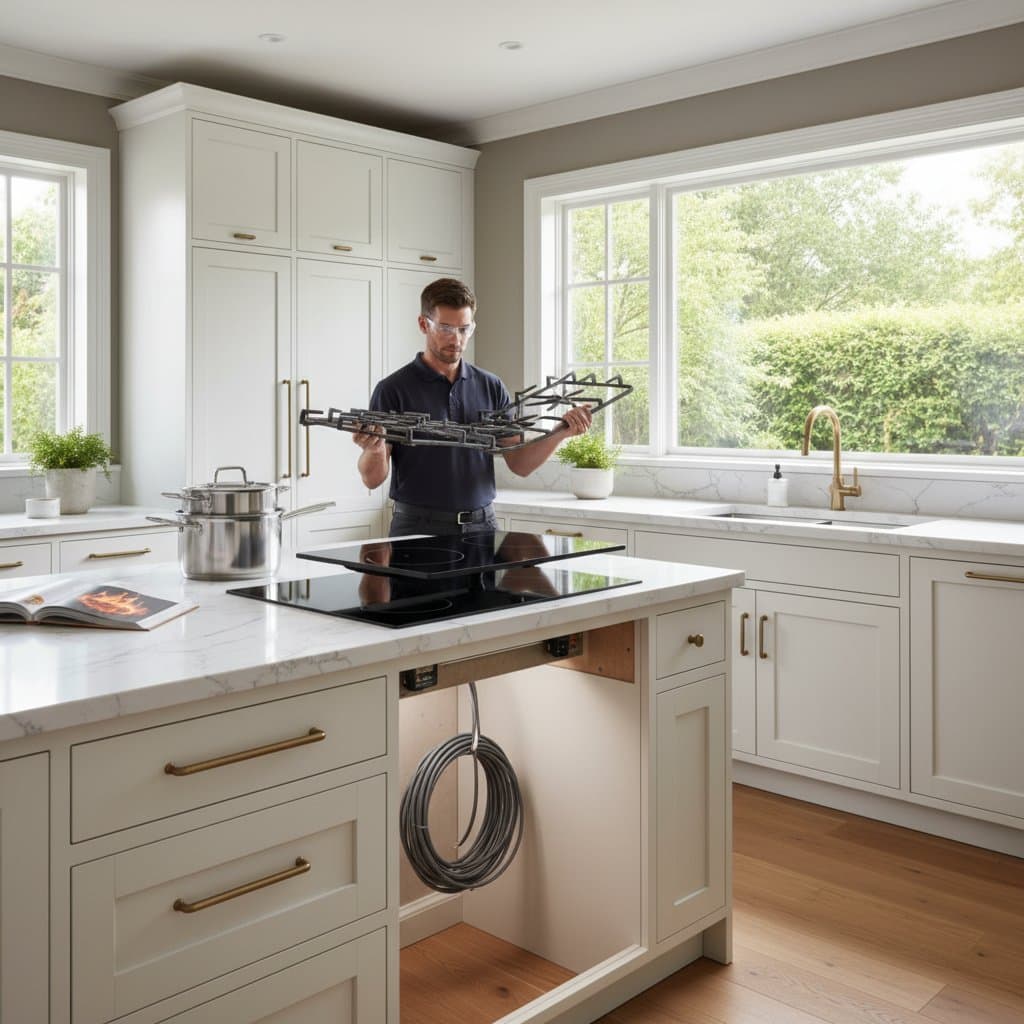
Choosing induction combines aesthetic upgrades with practical gains in air quality and tranquility. Renovations may require new pots and updated wiring, yet the results endure. The kitchen evolves into a streamlined, welcoming hub.
Pair induction with ambient lighting layers, natural textures, and curated details. Consider an oak island, linen-upholstered seats, and neutral tones to offset the glass's gloss. Shades like Benjamin Moore Revere Pewter or Farrow & Ball Ammonite enhance the cooktop's understated gleam.
As electrification gains traction, induction sets the pace for forward-thinking kitchens. It redefines luxury through quiet efficiency, ecological awareness, and mastery. This electric pivot honors heritage while advancing toward smarter, more refined homes.