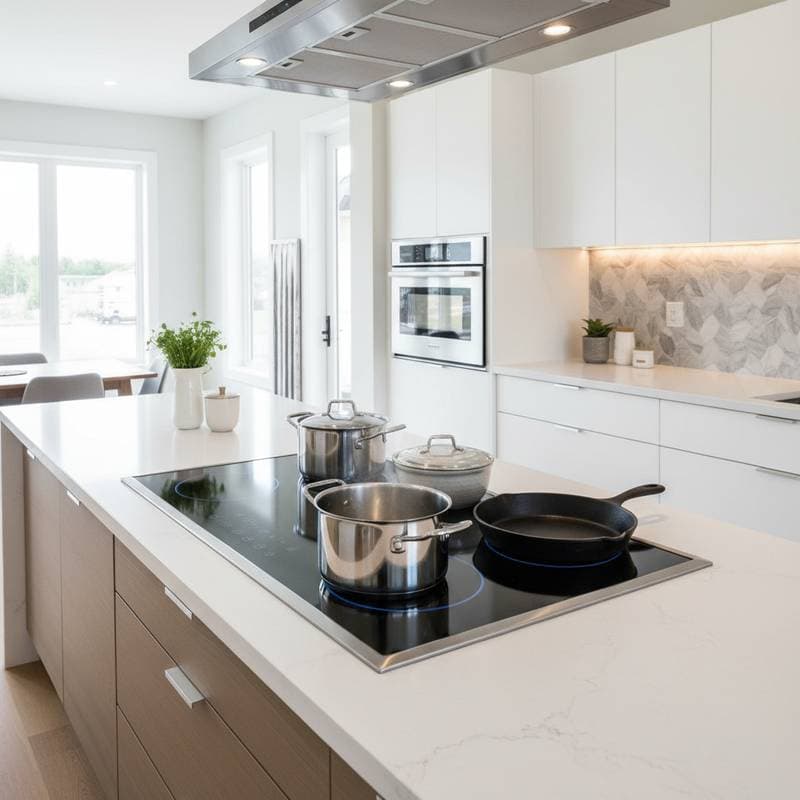
The Rise of Kitchen Electrification Through Induction
Homeowners increasingly prioritize how they cook over aesthetic choices like cabinet colors or countertop materials. The movement toward kitchen electrification has evolved from a passing trend into a fundamental change, with induction cooking at the forefront. Unlike traditional electric coil stoves, modern induction systems deliver efficiency, precision, and enhanced safety, though they demand meticulous planning and installation to realize these advantages.
Drivers Behind the Shift
Gas stoves have long served as the preferred option for dedicated cooks due to their rapid response and visible flame adjustment. However, these benefits carry drawbacks, including the release of heat, moisture, and combustion byproducts into the kitchen environment. Such emissions elevate indoor air pollution, increase humidity, and burden ventilation systems, prompting many to question the overall value.
Advancements in electrical infrastructure and appliance design have facilitated this transition. Builders now wire kitchens to support higher loads, while manufacturers develop sophisticated induction models. Evolving energy codes in various regions further encourage full electrification in new builds.
The Mechanics of Induction Cooking
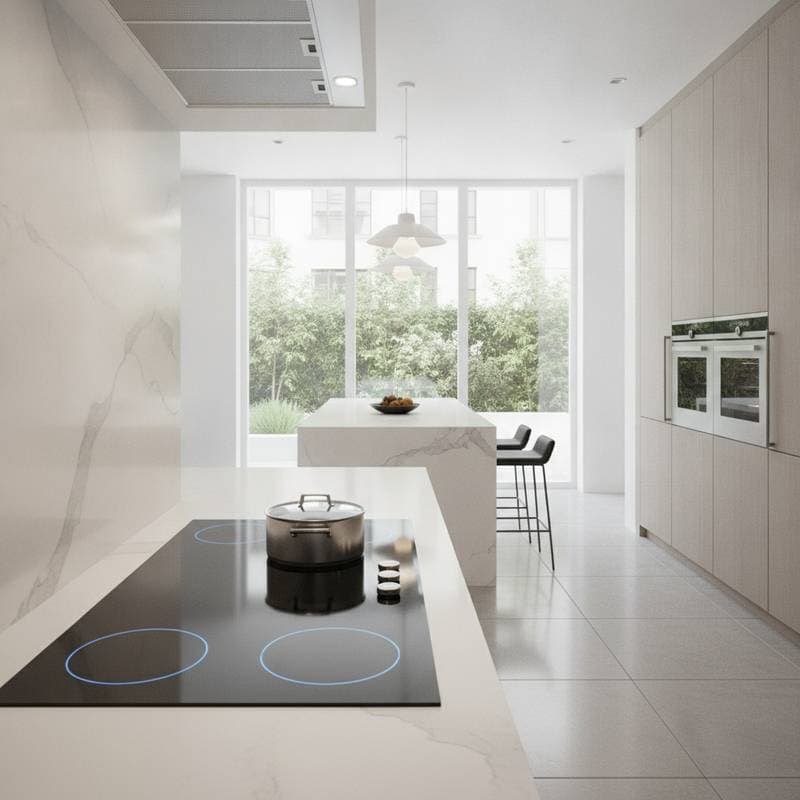
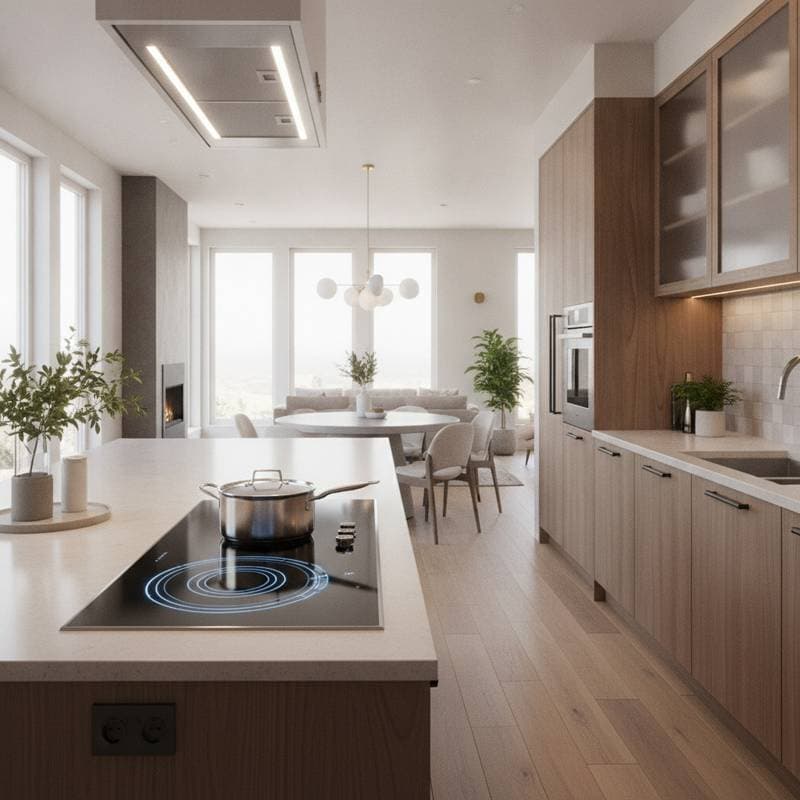
Induction technology employs magnetic fields to heat cookware directly, bypassing the cooktop surface. An electromagnetic coil under the glass ceramic top induces currents in the pan's metal base, generating heat precisely where needed. This process ensures rapid boiling, uniform heating, and negligible energy loss.
Users transitioning from gas often note the speed of water boiling and the even distribution of heat across pans. Absent are hotspots or sudden flares, and heat ceases instantly upon removing the pan. This responsiveness rivals or surpasses gas performance, free from associated safety and ventilation issues.
Key Considerations for Installation
Successful induction adoption hinges on addressing technical and practical challenges. Assumptions of straightforward replacement often lead to expensive oversights. Plan thoroughly to avoid common pitfalls.
-
Electrical Requirements
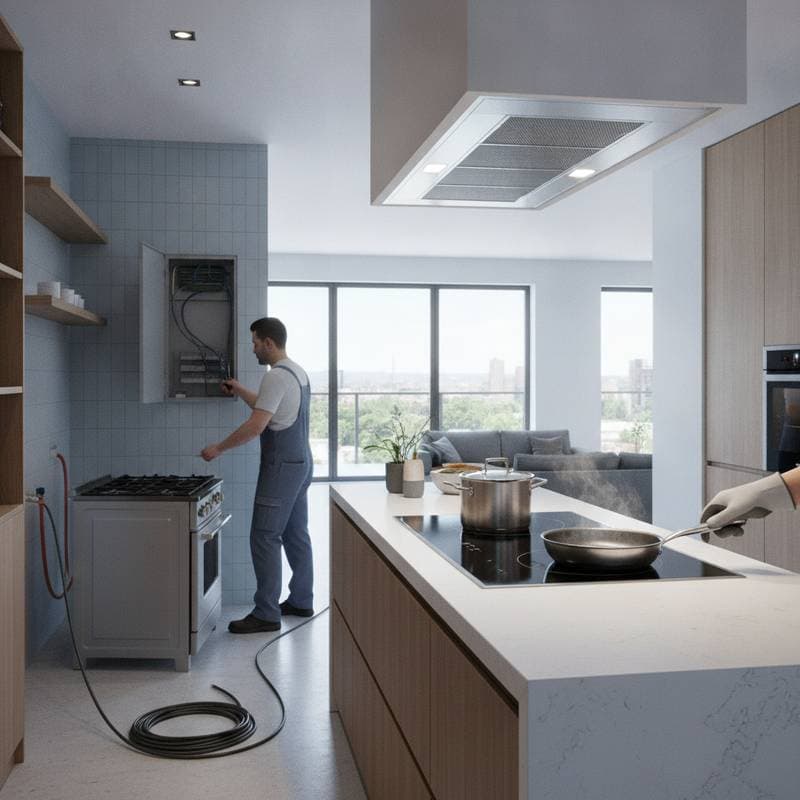
Older kitchens may lack the capacity for induction ranges, which typically need a dedicated 240-volt, 40- to 50-amp circuit. Overloaded panels could necessitate a full service upgrade, potentially costing thousands if overlooked. -
Cookware Suitability
Only ferrous metals respond to induction; test with a magnet to confirm compatibility. Cast iron and certain stainless steels function well, but aluminum, copper, or glass requires magnetic bases to work effectively. -
Space and Structural Adjustments
Induction units often demand deeper housings or additional clearance compared to legacy electrics. Verify cutout sizes against countertop and cabinet specifications to prevent modifications mid-project. -
Ventilation Needs
While induction generates less ambient heat, effective hoods remain vital for odor and moisture control. Assess cooking habits before resizing ventilation to maintain optimal performance. -
Maintenance and Support
The complexity of induction demands reliable service from certified technicians. Select brands with robust networks and accessible parts to minimize downtime in primary cooking areas.
Budgeting for the Transition
Appliance prices range from several hundred to thousands of dollars based on features and quality. Infrastructure expenses, however, often surprise budget planners. Upgrades to panels, circuits, or wiring can escalate costs significantly without prior evaluation.
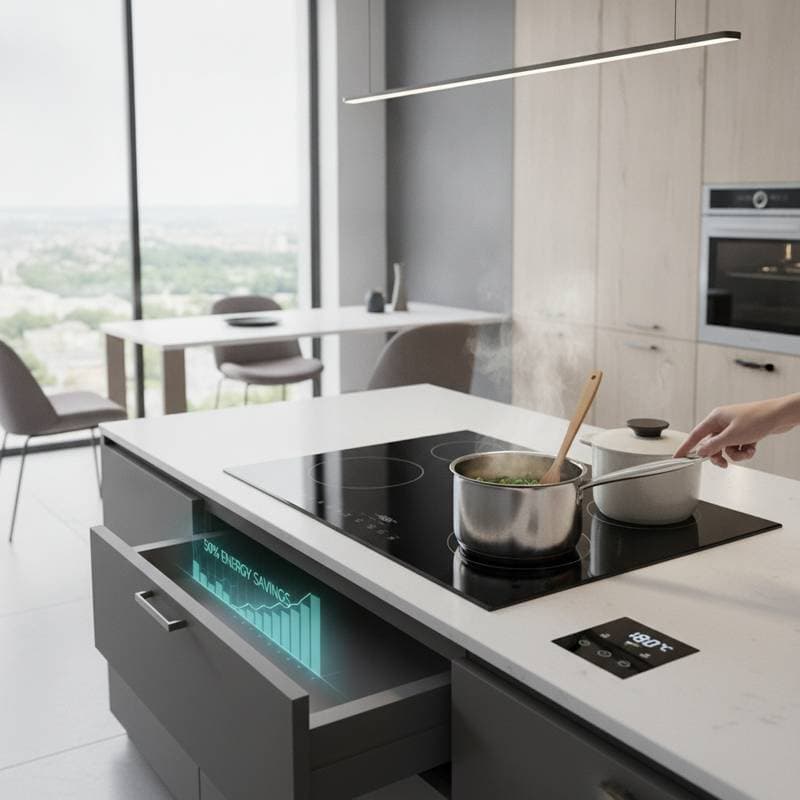
Energy savings provide long-term returns. Induction minimizes heat waste, reducing summer cooling demands and accelerating meal preparation. Utility rebates for electric conversions can further offset initial investments.
Safety and Operational Benefits
Induction enhances safety by limiting surface heat to active zones, slashing burn and fire risks. Spills clean easily without baking on, and the absence of flames prevents ignition of nearby flammables.
These features prove invaluable in households with young children or elderly members, offering instant reassurance. Automatic shut-offs and temperature precision avert overheating or unattended burner hazards.
Performance matches professional standards, enabling delicate tasks like sauce simmering or steak searing with exact control. Response times align with gas adjustments, eliminating delays inherent in conventional electrics.
Health and Ecological Impacts
Switching to induction improves indoor air quality by eliminating combustion emissions like nitrogen dioxide and carbon monoxide. This fosters a healthier cooking space with reduced irritants and better comfort.
The approach aligns with sustainability by curbing fossil fuel reliance. As renewable energy expands, induction's environmental profile strengthens, complementing integrations like heat pumps or solar systems for holistic green living.
Effective Collaboration with Professionals
Clear dialogue between clients and contractors ensures smooth induction projects. Not all electricians keep pace with updated codes and technologies, so confirm prior experience with these systems.
Essential project elements include:
- Electrical load verification
- Panel and circuit evaluations
- Grounding and outlet setups
- Adherence to manufacturer guidelines
- Alignment with cabinet and surface alterations
Such documentation safeguards warranties and aligns expectations.
Pitfalls to Sidestep
Enthusiasm for innovation can precipitate errors. Frequent issues involve:
- Neglecting electrical audits, resulting in breaker failures or weak performance.
- Underestimating ventilation, despite reduced heat output.
- Purchasing mismatched cookware without testing.
- Forgetting repair access in built-in designs.
- Selecting inexperienced installers without credentials.
Proactive avoidance preserves resources and satisfaction.
Steps to Implement Successfully
Initiate with an electrical system review before selecting appliances. Consult electricians and contractors early for detailed quotes on necessary enhancements, integrating them into your financial plan.
If infrastructure supports the change, prioritize spatial fit. Ensure cooktop dimensions match cabinetry and that ventilation scales appropriately. Review clearance needs and material tolerances with installers.
Consider future-proofing: Induction positions kitchens for electrification standards, easing subsequent updates and boosting property value. This evolution yields enduring efficiency, cleanliness, and security in daily cooking.