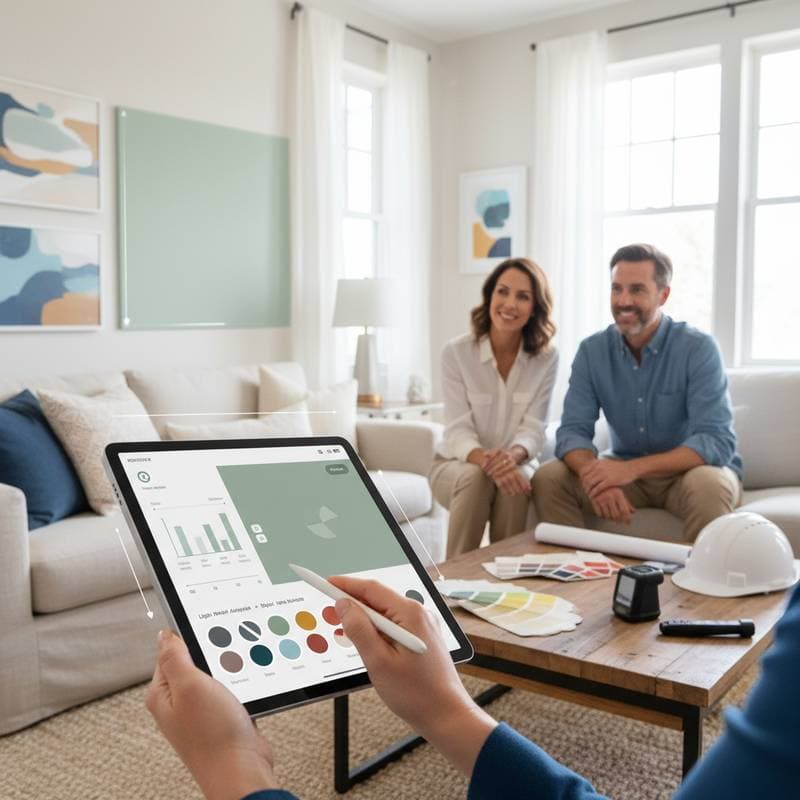
AI Enhances Paint Selection for Efficiency and Accuracy
Selecting paint colors ranks among the most challenging aspects of remodeling or design projects. Homeowners frequently devote weeks to examining swatches, questioning decisions, and debating whether a shade leans warm or cool. Color choice combines art and science, incorporating psychology, lighting, and personal preferences, which can overwhelm even confident individuals.
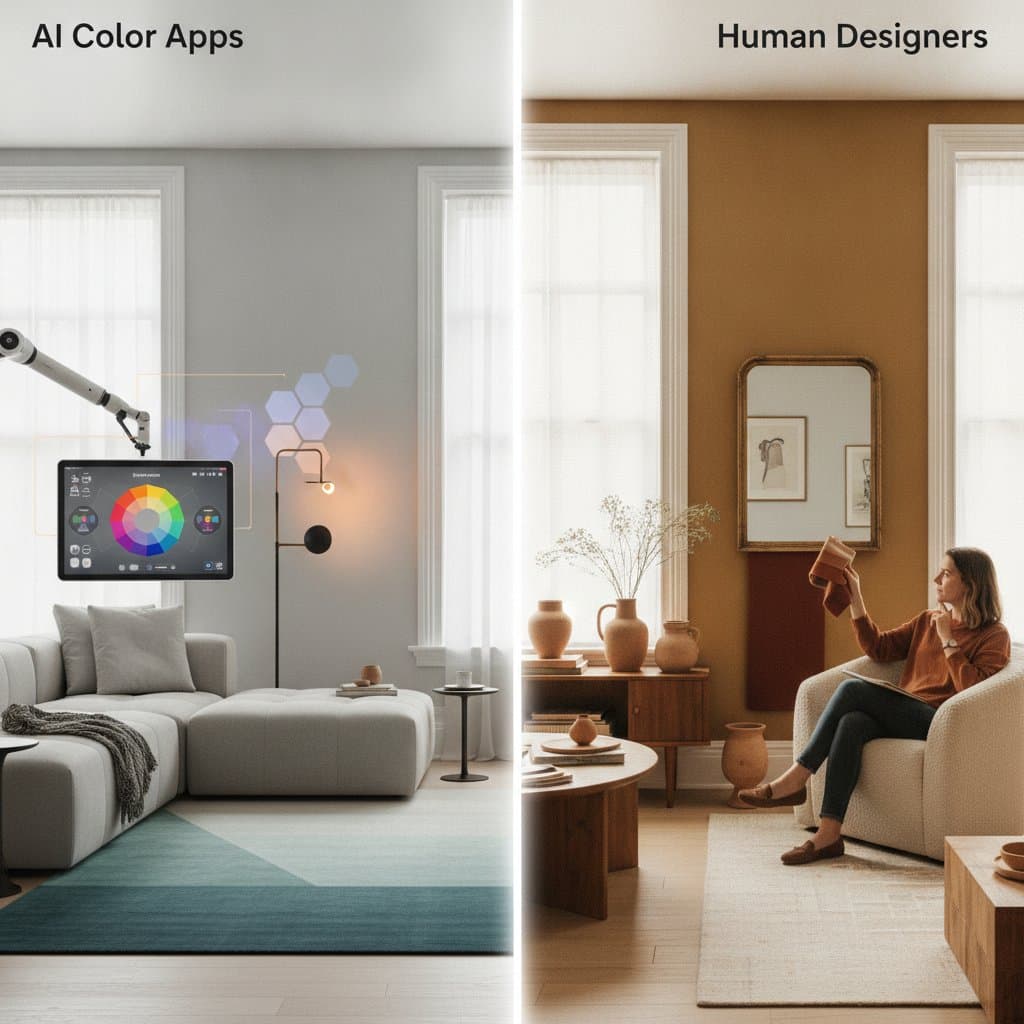
As a remodeling contractor with extensive experience, I have observed clients hesitate at this juncture. They balance desires for innovative aesthetics against fears of post-application regret. AI-powered paint tools address these issues by accelerating the process, increasing precision, and alleviating tension, while preserving human insight.
Challenges in Conventional Paint Selection
Prior to AI integration, paint choices depended on diminutive samples and estimation. Professional designers often grappled with predicting a color's appearance across a full room. Lighting alters perception dramatically; a swatch ideal under store conditions may seem lackluster or intense on walls.
Homeowners encounter several persistent issues with traditional methods:
-
Inadequate Lighting Assessment
Paint retailers employ uniform, bright illumination unlike home environments. Applied paint in living rooms or kitchens may shift appearance upon drying. -
Excessive Color Variety
Brands provide thousands of options. Lacking direction, individuals become overwhelmed by similarities among choices. -
Impulsive Choices
Selections frequently stem from fleeting emotions rather than interactions with surroundings, furnishings, or daylight. -
Expensive Errors
Repainting due to dissatisfaction incurs substantial labor, material, and time expenses.
AI tools mitigate these challenges through data analysis and visualization, fostering assured choices.
AI's Role in Streamlining Color Selection
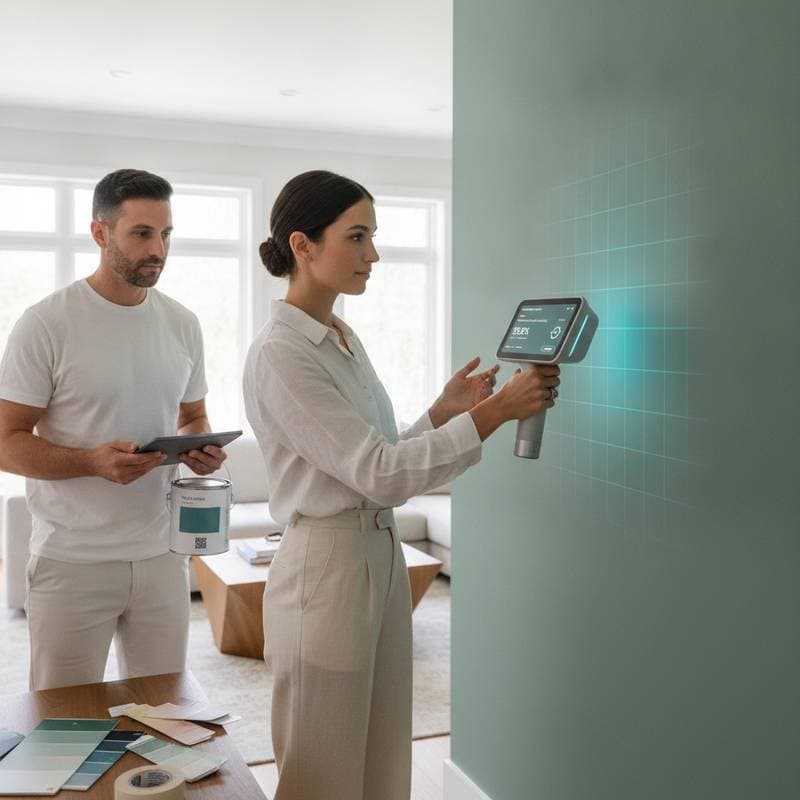
AI in paint selection examines spaces, preferences, and objectives via algorithms informed by vast image databases, color pairings, and trends. Users upload room photographs or respond to queries about environments. The system suggests shades aligned with lighting, furniture hues, and stylistic inclinations.
The workflow unfolds as follows:
-
Space Evaluation
The tool detects key features like wall dimensions, floor tones, and illumination. It distinguishes warm or cool undertones to refine suggestions. -
Aesthetic and Atmosphere Specification
Users indicate preferences, from serene neutrals to vibrant expressions. The platform curates palettes matching these criteria. -
Digital Rendering
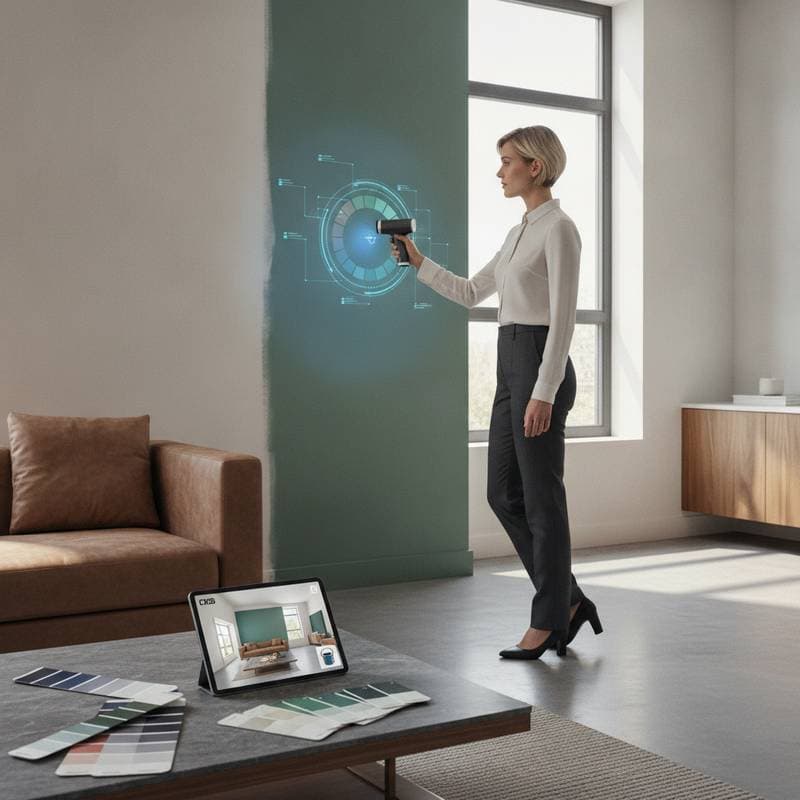
Recommended colors overlay user-submitted images, revealing potential outcomes without physical application. -
Element Integration
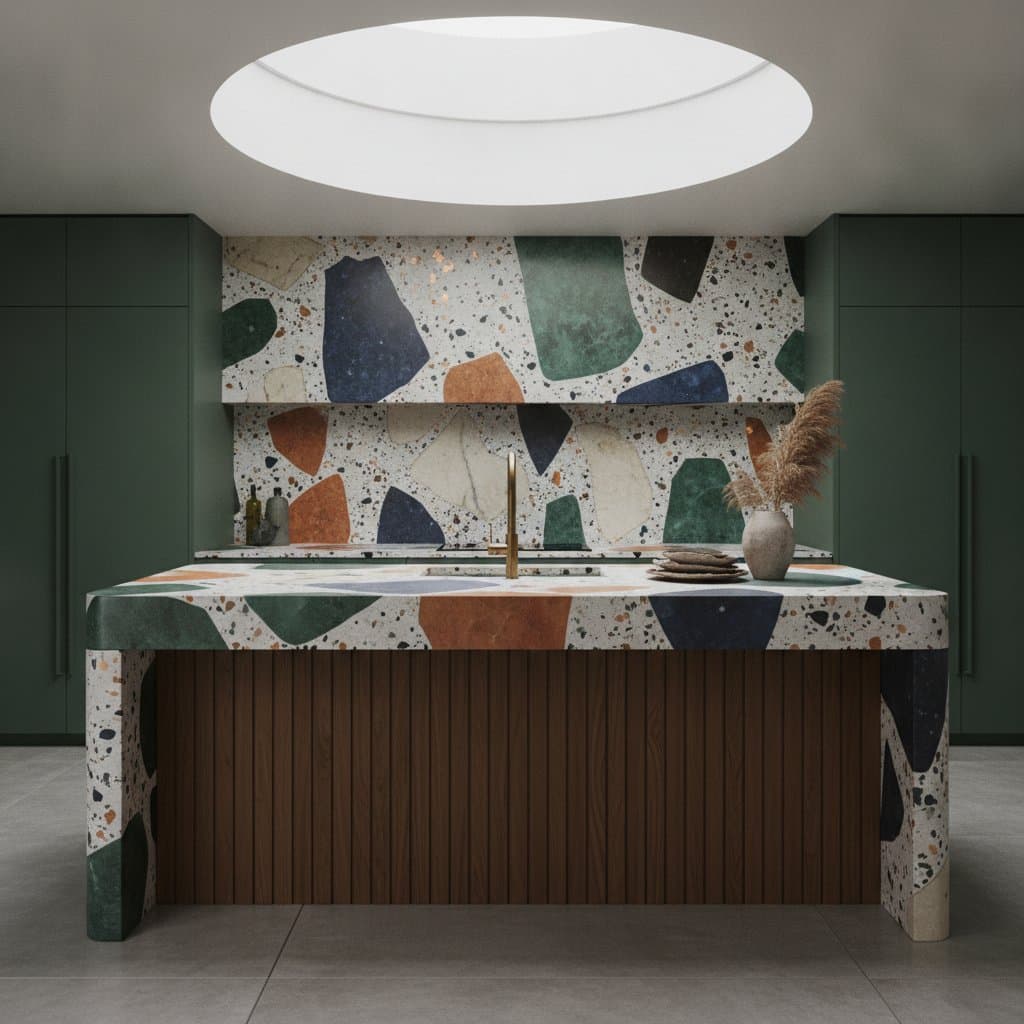
Sophisticated tools assess materials such as timber or stone, offering harmonious paint options for cohesion.
This method diminishes doubt and averts frequent regrets encountered in projects.
Professional Adoption of AI Tools
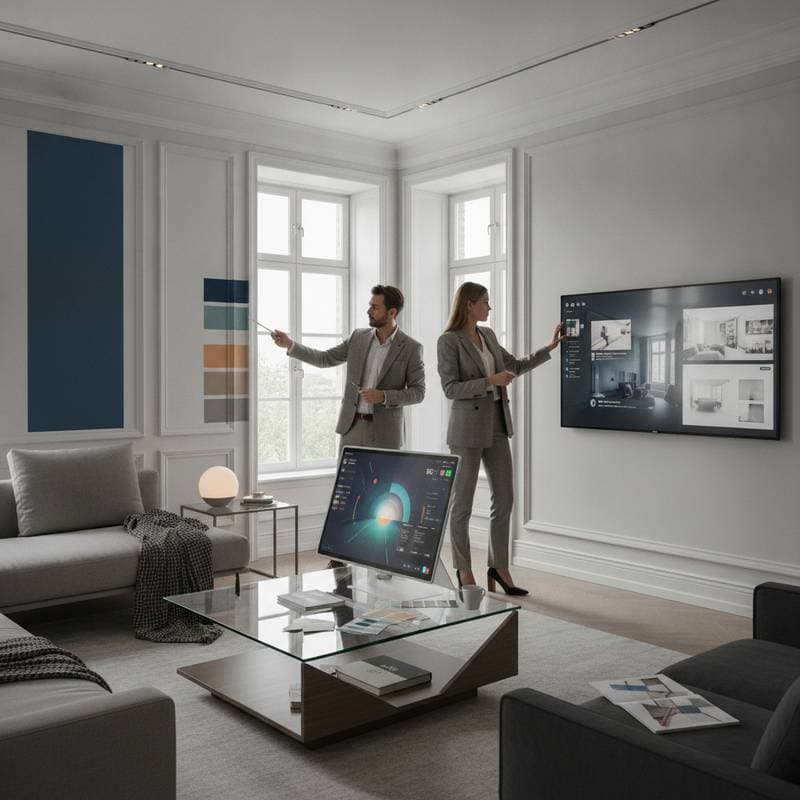
Professionals find AI tools elevate client consultations. Discussions resolve swiftly with real-time visuals, enhancing productivity. Clients trust outcomes visible prior to approval.
Contractors safeguard profitability as assured selections reduce repaint demands and alterations. Projects adhere to timelines, minimizing extra labor.
Interior designers benefit from optimized routines. Emphasis shifts to holistic concepts rather than manual color sorting. Digital archives of palettes support reuse and adaptation in subsequent work.
AI Insights into Color Psychology
Color psychology merits careful consideration. Individuals sense emotional impacts from hues yet seldom grasp underlying mechanisms. AI draws from extensive user data and design results to propose colors enhancing ambiance alongside decor.
Examples include:
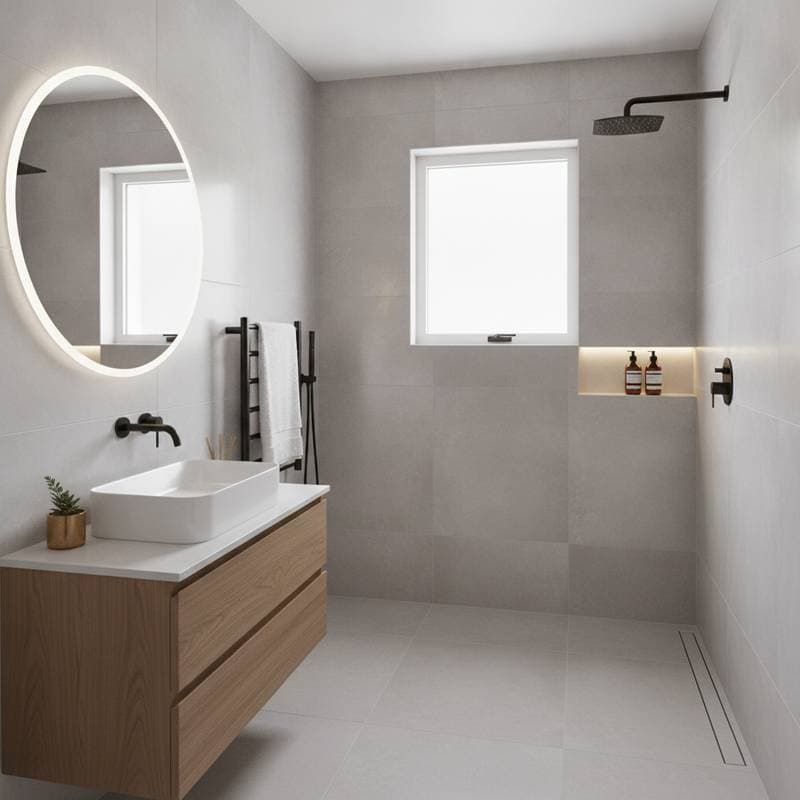
- Soft blues and greens foster tranquility, suiting bedrooms or bathrooms.
- Warm neutrals like beige, taupe, or muted gray offer versatility for living areas or kitchens.
- Striking accents in deep navy, forest green, or terracotta invigorate without dominance.
Integrating psychological insights with visual assessments, AI delivers tailored, effective guidance for visually appealing and emotionally resonant rooms.
Tangible Advantages for Homeowners
AI elevates paint selection beyond convenience to intelligence. Observed benefits in projects encompass:
-
Minimized Decision Overload
Curated options replace vast arrays, aligning with specific spaces and aims. -
Enhanced Previews
Room-specific color applications on photos banish uncertainty and unexpected results. -
Strengthened Collaboration
Shared visualizations align homeowners and contractors from outset. -
Efficiency Gains
Reduced revisions cut delays, material waste, and disruptions. -
Assured Durability
Data-backed proposals adhere to established principles, transcending trends.
These elements yield streamlined, gratifying experiences for all participants.
Optimizing AI Paint Tool Usage
AI tools excel within deliberate approaches. Drawing from fieldwork, effective strategies include:
-
Prepare Clear Images
Capture bright, uncluttered room photos for precise AI interpretation of hues and light. -
Articulate Preferences Clearly
Specify inclinations like cozy versus sleek or vivid versus subdued; algorithms adapt accordingly. -
Incorporate Daylight Variations
Multiple timed photos reveal lighting shifts, improving simulation accuracy. -
Evaluate Alternatives
Explore diverse palettes to gauge mood and spatial effects. -
Validate with Samples
Digital aids complement but not supplant texture and finish tests via wall patches.
Such practices merge AI accuracy with tangible verification.
Key Limitations of AI Tools
AI serves as a valuable aid, yet it demands discernment. Poorly lit images or shadows may lead to color misinterpretations. Tools overlook aging effects or dynamic light interactions over seasons.
Overreliance on renders ignores sheen, texture, and surface influences. View AI as a supportive guide rather than definitive judge.
Emerging Developments in AI Paint Technology
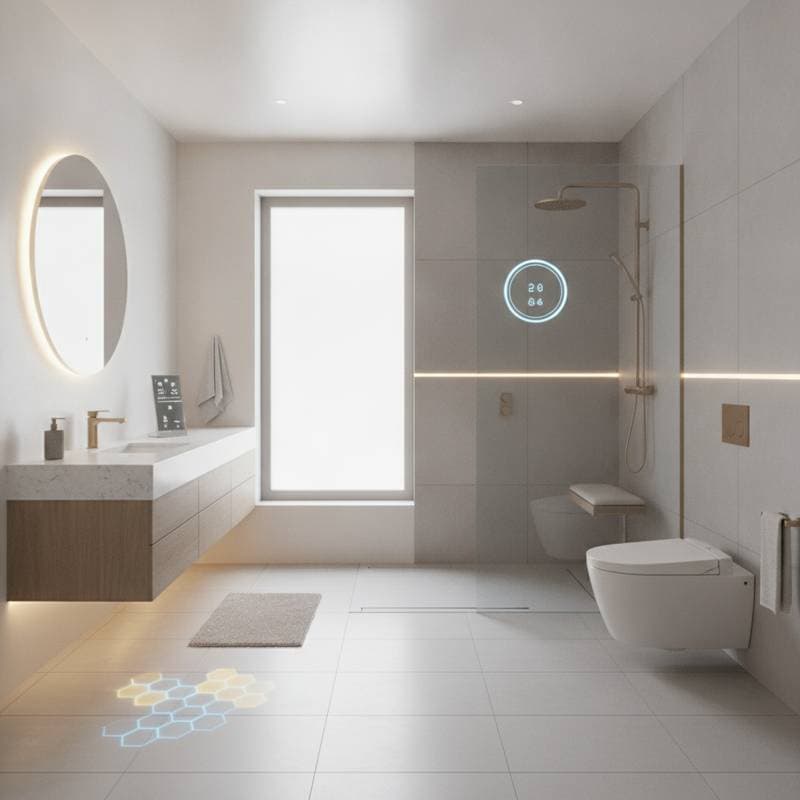
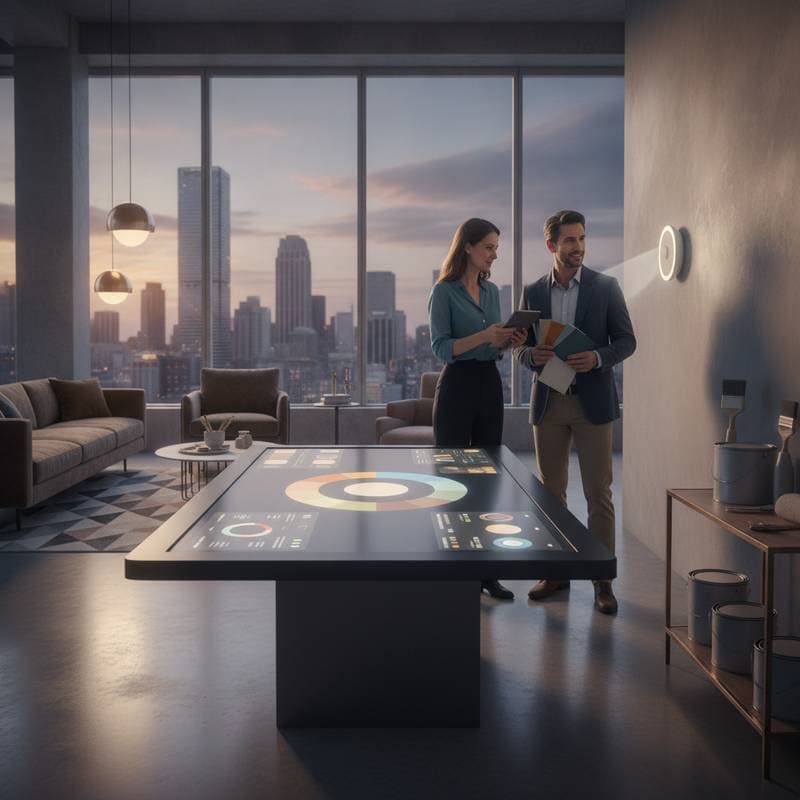
Advancements accelerate in AI paint applications. Integrations with smart homes tailor suggestions to fixture settings or user moods. Augmented reality enables immersive walkthroughs of color schemes.
Manufacturers develop scanning for instant matches from fabrics or tiles via mobile devices. Expertise once exclusive to professionals now reaches everyday users.
Implementing AI for Your Project
For upcoming repaints or renovations, integrate AI tools early to refine choices, conserve resources, and sidestep pitfalls. Examine offerings from established brands or platforms.
Submit room images, experiment with palettes, and consult contractors promptly. Synergizing technology with expertise yields superior, enduring outcomes.