Why Induction Outperforms Gas Stoves in 2026 Kitchen Upgrades
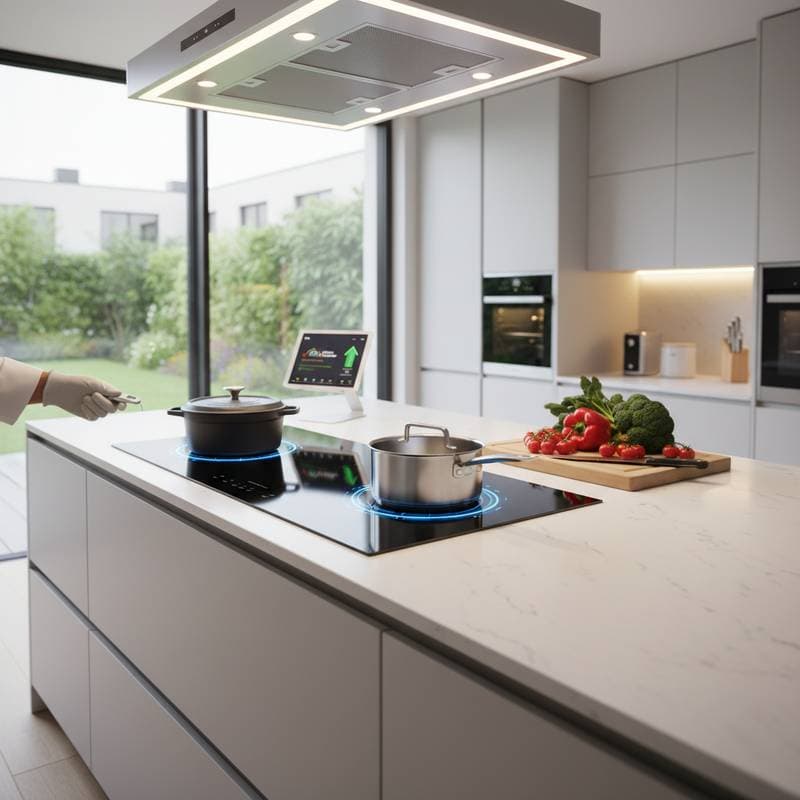
Imagine preparing dinner on a gas stove where the kitchen warms uncomfortably, the burner emits a constant hiss, and the range hood labors to clear the air. Now consider the same task on a sleek glass surface that remains cool while the pot heats almost instantly. This seamless experience defines induction cooking.
Homeowners nationwide reevaluate their kitchen appliances, recognizing that gas no longer sets the benchmark. For those remodeling or undertaking a complete kitchen overhaul, the focus shifts from induction catching up to gas to whether gas can match induction's advancements.
This guide examines the reasons induction cooktops lead in contemporary kitchens, their impact on household budgets, and practical steps for selecting and installing one effectively.
Understanding Induction Technology
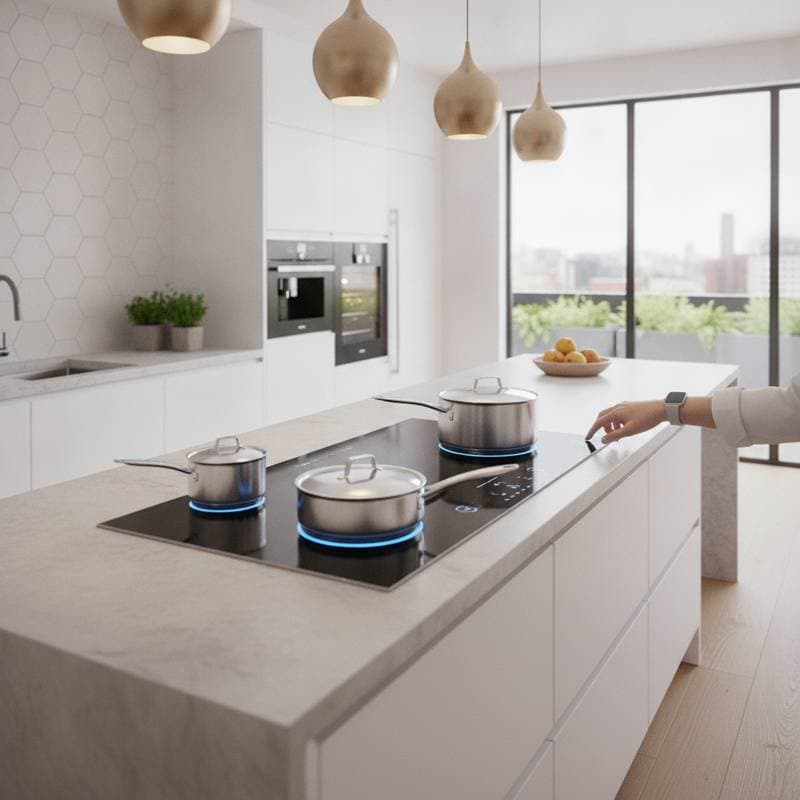
Induction technology employs magnetic fields rather than open flames or resistive heating elements. A copper coil positioned beneath the glass cooktop generates a magnetic field when powered by electricity. Placement of a compatible pan on the surface induces molecular agitation within the pan's metal base, producing heat directly in the cookware.
The absence of flames keeps the glass surface at a safe temperature. Heating ceases immediately upon removing the pan, offering precise control that soon feels intuitive in everyday routines.
Compatible cookware requires ferrous materials, such as cast iron or certain stainless steels. Test suitability by checking if a magnet adheres securely to the pan's base. Non-magnetic options like aluminum, copper, or glass require an added magnetic layer to function.
Everyday Advantages of Induction Cooking
Cooks transitioning from gas to induction observe distinct improvements in routine tasks. Heating occurs more rapidly, with water reaching a boil in less time and oils distributing heat uniformly. Temperature adjustments take effect without delay, enhancing overall control.
Precise Temperature Management
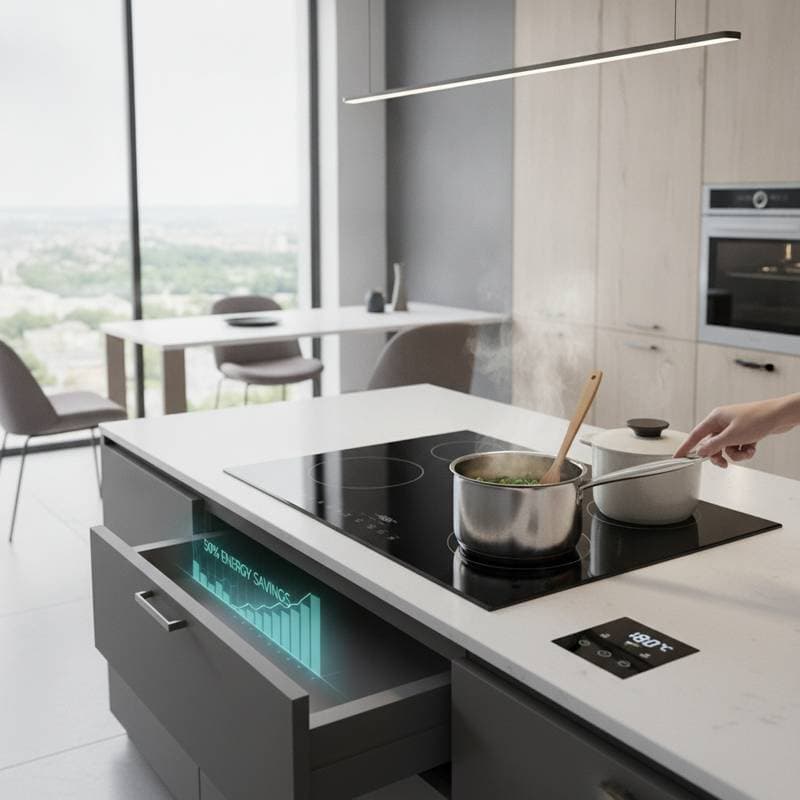
Digital interfaces on most induction models enable setting specific temperatures. Delicate tasks, such as melting chocolate, proceed without additional equipment, while high-heat searing avoids uncontrolled bursts.
Simplified Maintenance
Cool surfaces prevent spills from hardening, allowing cleanup with a damp cloth in moments. This contrasts sharply with the effort required to clean gas stove grates and caps.
Enhanced Family Safety
Without open flames, risks of gas leaks or unintended ignition diminish. Advanced units incorporate sensors that deactivate power if liquid overflows or no cookware is present. The rapid cooling of zones reassures households with children.
Direct Performance Comparison
| Feature | Gas Stove | Induction Cooktop |
|---|---|---|
| Heat Transfer Efficiency | 35-40 percent | 85-90 percent |
| Boil Time (1 quart of water) | 7-8 minutes | 3-4 minutes |
| Surface Temperature | Extremely hot | Remains cool to touch |
| Cleaning Effort | Moderate to high | Minimal |
| Indoor Air Quality | Emits pollutants | Produces none |
| Safety Features | Open flame and gas risks | Automatic shut-off, no flame |
| Installation Requirements | Gas line connection | Dedicated electrical circuit |
| Energy Source | Natural gas or propane | Electricity |
These metrics highlight why many users abandon gas after experiencing induction. The efficiency gains and user-friendly design prove compelling for sustained preference.
Professional Installation Essentials
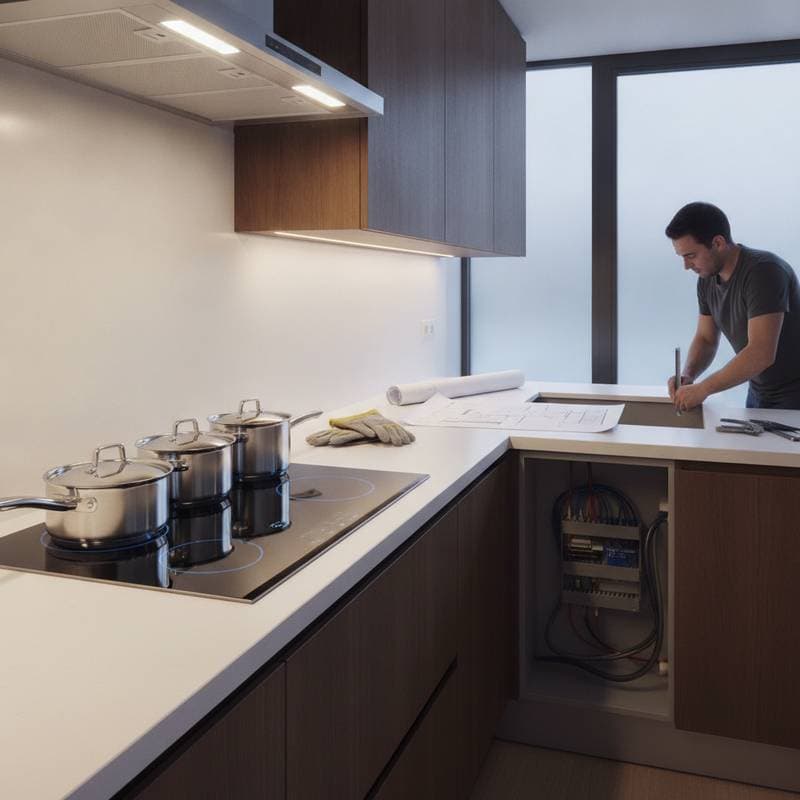
Induction cooktops demand straightforward operation but require expert installation to ensure reliability. Faulty electrical connections risk frequent breaker trips or unit failure.
For gas-to-induction conversions, engage a licensed plumber to securely cap the existing gas line. DIY attempts invite dangerous leaks or fire risks.
Consult retailers for recommendations on certified professionals when purchasing. Manufacturers often mandate such services to uphold warranty coverage.
Preserving Induction Cooktop Longevity
These appliances demand minimal upkeep, yet consistent practices extend their lifespan significantly.
Effective Cleaning Methods:
- Address spills promptly using a soft, damp cloth.
- Apply non-abrasive cleaners for stubborn residues.
- Prevent scratches by lifting rather than dragging heavy pans.
Ongoing Maintenance Strategies:
- Ensure under-unit vents remain free of dust accumulation.
- Select cookware with perfectly flat bases for optimal contact.
- Cease operation and summon a technician if the glass surface fractures.
With diligent care, an induction cooktop delivers peak performance for more than ten years.
Embracing Induction for Sustainable Kitchen Evolution
As energy efficiency gains priority and regulations favor electric appliances, induction aligns seamlessly with emerging standards. It delivers unmatched efficiency, safety, and cooking precision.
Steps to Upgrade Your Kitchen with Induction
Assess your current setup to determine electrical capacity needs. Research models offering bridge zones for larger cookware or integrated ventilation options.
Budget for the initial investment, factoring in potential rebates from utility providers or government incentives for energy-efficient upgrades. Schedule consultations with professionals early to align installation with your timeline.
Once installed, experiment with settings to master the technology. The result positions your kitchen for enduring functionality and reduced operating costs.