Introduction to Induction Cooking
Induction cooking represents a significant advancement in kitchen technology. Unlike traditional gas stoves that rely on open flames, induction uses electromagnetic fields to heat cookware directly. This method provides precise control and eliminates many hazards associated with gas appliances.
Homeowners increasingly seek safer, more efficient options as environmental concerns and building codes evolve. Induction addresses these needs by offering a flameless cooking experience that aligns with contemporary design preferences. The following sections detail its advantages over gas, focusing on safety, performance, and long-term benefits.
Key Safety Advantages of Induction Over Gas
One of the primary benefits of induction cooking lies in its inherent safety features. Gas stoves produce open flames that pose risks of burns, accidental fires, and explosions from gas leaks. Induction eliminates these dangers entirely, as no flame or combustion occurs; the surface remains cool to the touch except where the pot sits.
In households with children or elderly members, this feature proves invaluable. Pots heat only when compatible cookware is placed on the burner, and heating stops immediately if the pot is removed. Such automatic shut-off mechanisms prevent unattended boiling overs or forgotten elements from causing hazards.
Furthermore, induction reduces the risk of carbon monoxide poisoning, a serious concern with gas appliances. Proper ventilation mitigates this issue with gas, but induction requires no venting for combustion byproducts. This simplifies installation and ensures cleaner air without additional exhaust systems.
Specific Safety Scenarios
- Child Safety: The cool surface prevents burns from reaching for items on the stove, unlike hot grates on gas burners.
- Fire Prevention: Without flames, grease fires from spills are less likely to ignite and spread.
- Emergency Response: In case of power fluctuations, induction units often include safety locks and auto-shutoff, providing peace of mind.
Performance and Precision Benefits
Induction cooking excels in delivering consistent, rapid heat. Gas stoves can suffer from uneven flames that lead to hot spots or slow recovery times after adding cold ingredients. Induction responds instantly, boiling water in half the time of gas and maintaining steady temperatures for simmering sauces or frying.
Chefs appreciate the precise control, which allows for fine adjustments without overshooting desired heat levels. This precision enhances cooking outcomes, from perfectly seared meats to delicate poaching. Professional kitchens increasingly adopt induction for its reliability in high-volume settings.
Energy transfer is direct and efficient, minimizing heat loss to the surrounding air. Gas stoves waste energy through ambient heating, which can make kitchens uncomfortably warm. Induction keeps the cooking environment cooler, improving comfort during meal preparation.
Energy Efficiency and Cost Savings
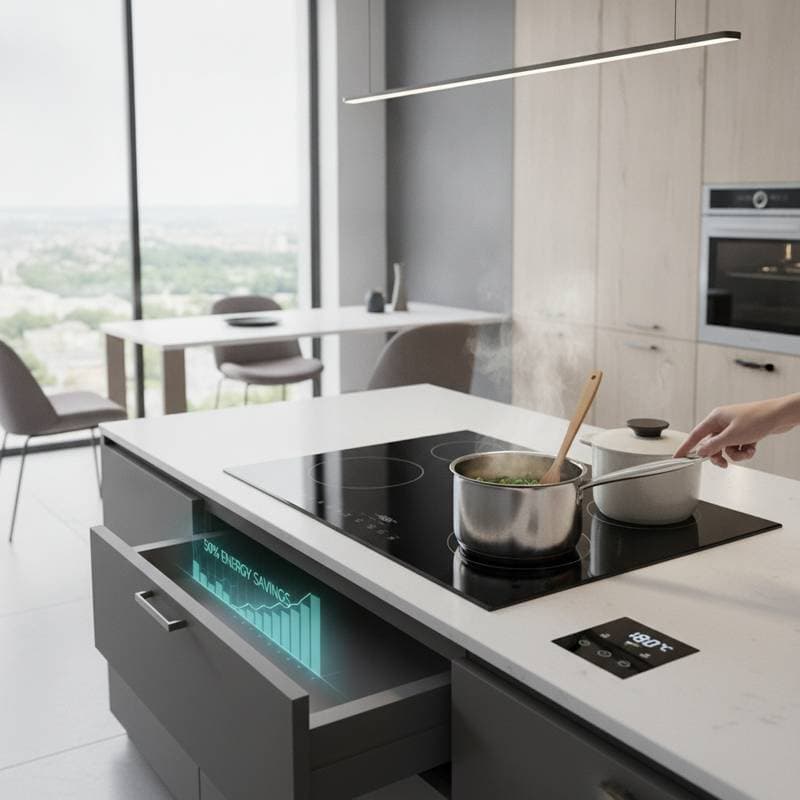
Induction stands out for its superior energy efficiency compared to gas. It converts nearly 90 percent of energy into heat within the cookware, while gas efficiency hovers around 40 percent due to losses in flames and exhaust. Over time, this translates to lower utility bills, especially in frequent cooking households.
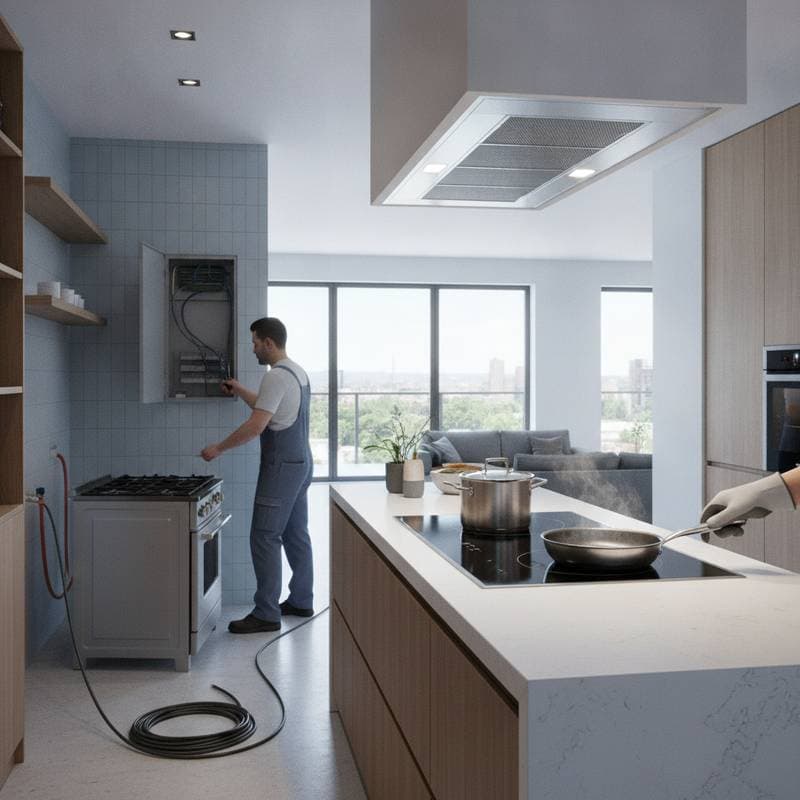
Many regions offer incentives for switching to induction, including rebates for energy-efficient appliances. Installation costs may initially exceed those of gas, but long-term savings on energy and maintenance offset this. Induction cooktops require no gas lines, avoiding the expenses of professional plumbing or annual inspections.
Environmental impact further enhances its appeal. By forgoing fossil fuels, induction reduces greenhouse gas emissions at the point of use. It supports broader sustainability goals, such as those outlined in local energy policies restricting new gas installations.
Practical Steps for Transitioning
- Assess your current cookware; most magnetic pots and pans work with induction, or upgrade affordably.
- Choose a model with multiple burners and power levels to match your cooking style.
- Consult an electrician for seamless integration into your kitchen layout.
Design and Maintenance Simplicity
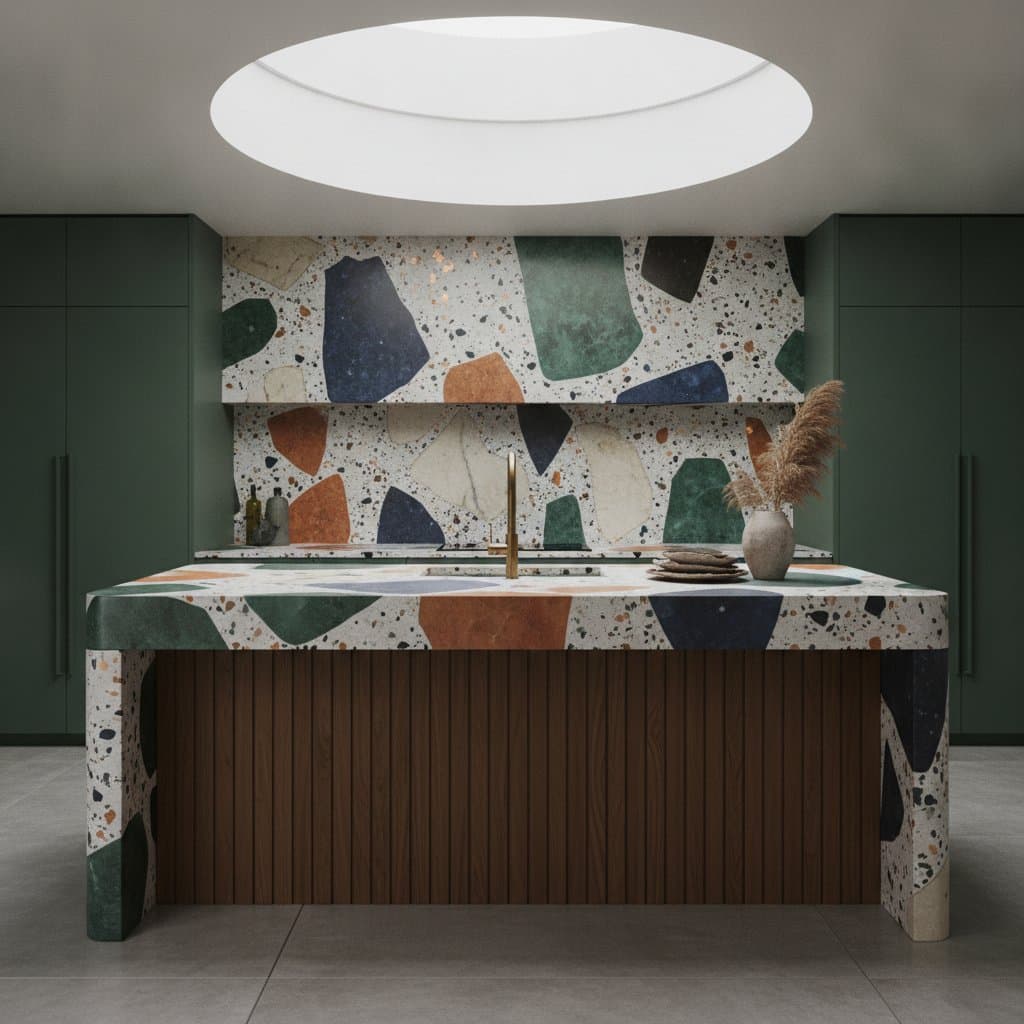
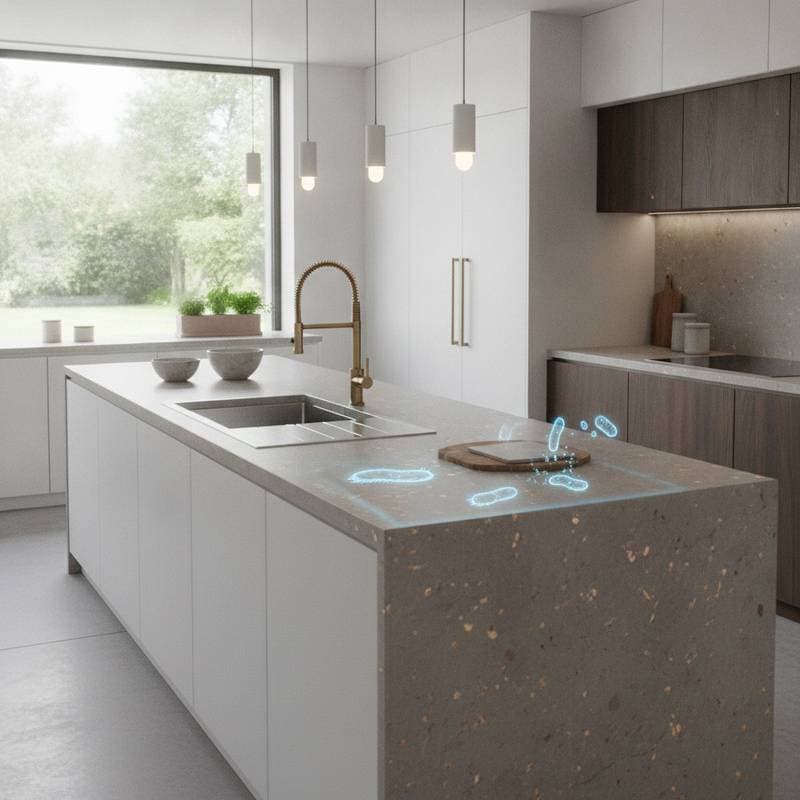
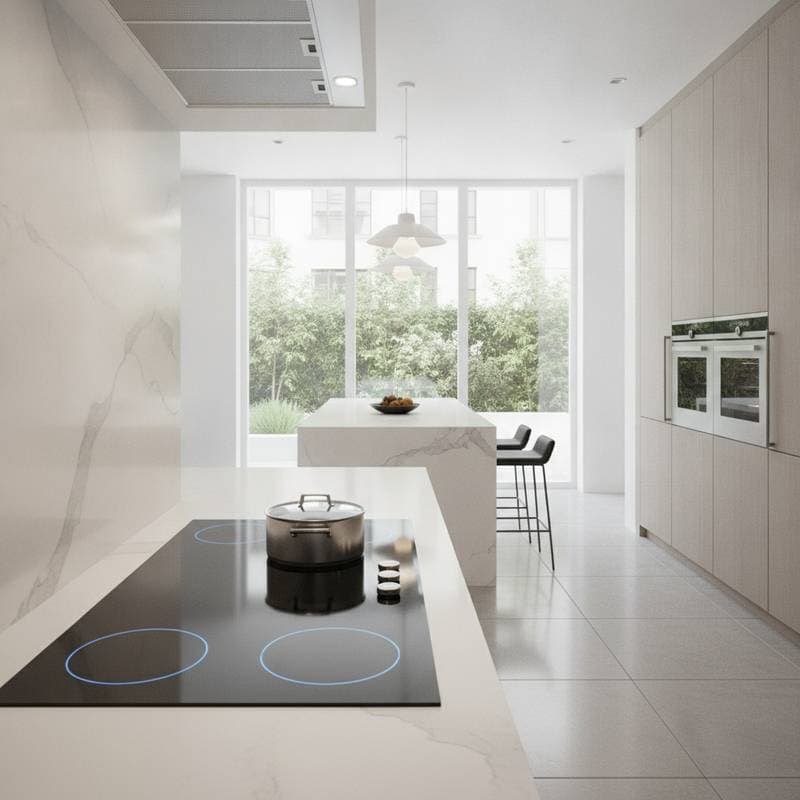
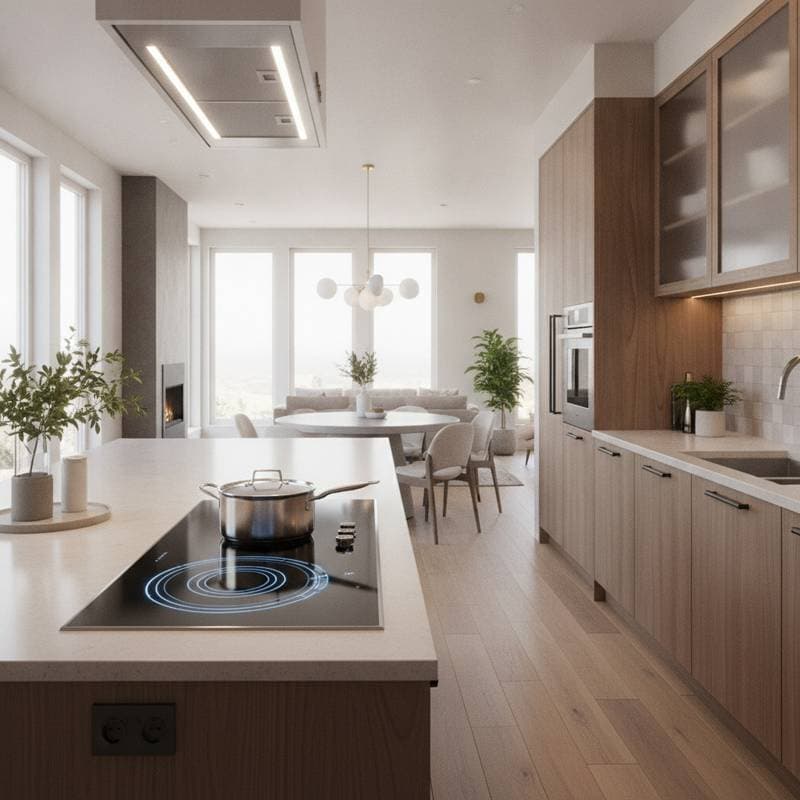
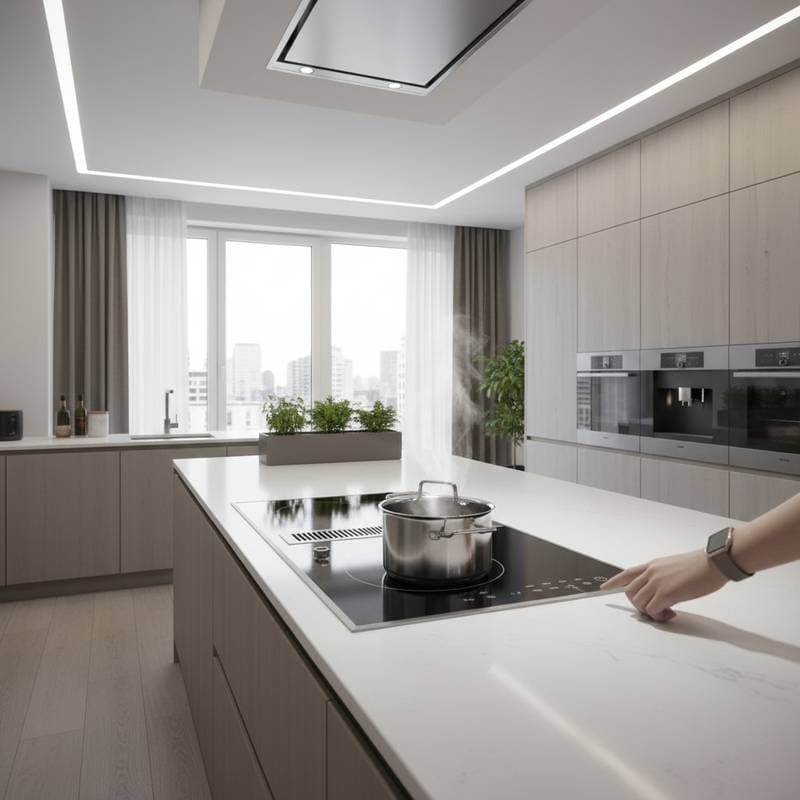
Induction cooktops integrate seamlessly into modern kitchen aesthetics. Their sleek, flat surfaces blend with countertops, creating a minimalist look without visible burners or grates. Cleaning becomes effortless, as spills do not bake onto hot surfaces; a simple wipe suffices once cooled.
Gas stoves demand regular maintenance to prevent clogs in burners or leaks in lines, which can compromise safety. Induction has fewer moving parts, leading to longer lifespans and reduced repair needs. This reliability ensures uninterrupted use in busy family environments.
For new builds or renovations, induction aligns with all-electric home trends. It future-proofs kitchens against potential gas bans in urban areas. Builders and designers favor it for its versatility and compliance with evolving codes.
Embracing Induction for a Safer, Smarter Kitchen
Switching to induction cooking elevates both safety and functionality in modern homes. It outperforms gas in hazard reduction, energy use, and ease of daily operation. Homeowners gain confidence in a technology that prioritizes well-being while delivering professional results.
Consider the broader implications for health and sustainability. Cleaner air and lower energy demands contribute to healthier living spaces and a reduced carbon footprint. As adoption grows, induction positions kitchens as efficient hubs for nutritious, enjoyable meals.
Explore induction options tailored to your needs, and experience the difference in your daily routine. This shift not only safeguards your home but also enhances the joy of cooking.