Induction Cooking: Why Contractors Recommend It Over Gas
Switching from gas to induction cooking represents more than a passing trend. It constitutes a practical advancement toward safer, cleaner, and more efficient kitchen environments. As a contractor experienced in converting numerous homes to electric kitchens, I have observed the complete spectrum of successes and challenges involved. This guide details the practical concerns homeowners encounter during the transition from gas to induction and provides strategies to avoid expensive setbacks.
Key Reasons Homeowners Abandon Gas Stoves
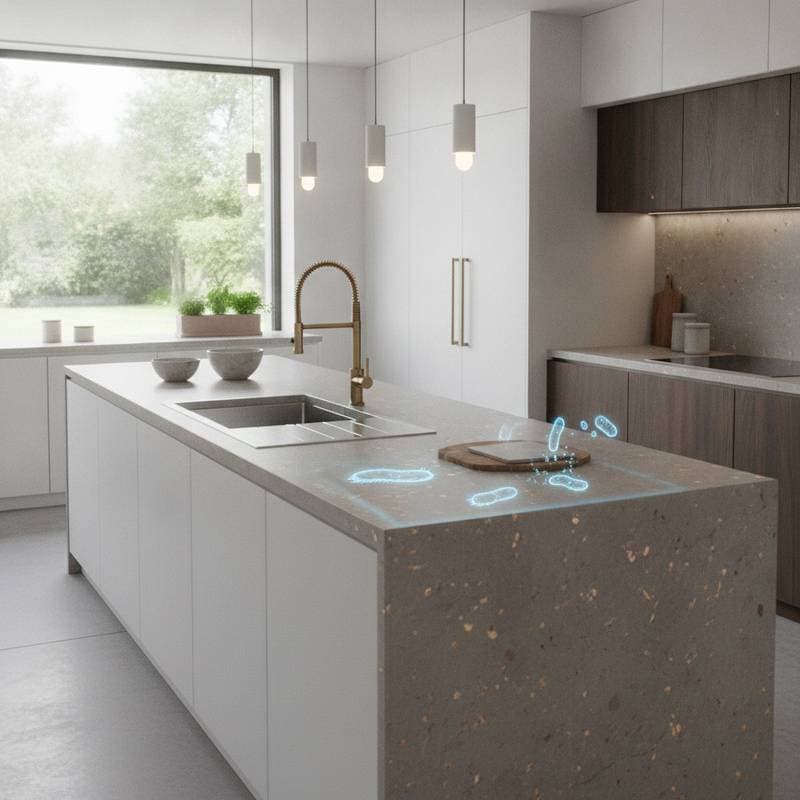
Homeowners opt to replace gas stoves primarily for three compelling reasons: enhanced safety, superior air quality, and greater energy efficiency. Gas appliances emit combustion byproducts such as nitrogen dioxide and carbon monoxide. In compact contemporary homes, these pollutants degrade indoor air quality more rapidly than many anticipate. Clients frequently express surprise at the noticeable freshness in kitchen air after capping the gas line and installing an induction unit.
Safety concerns further drive this shift. Although gas leaks occur infrequently, their consequences prove severe, and open flames pose risks of burns and fires absent in induction systems. Induction heats the cookware directly, leaving the cooktop surface cool. Removing the pan halts the heating process immediately, a safeguard that prevents numerous accidents among families with children or elderly residents.
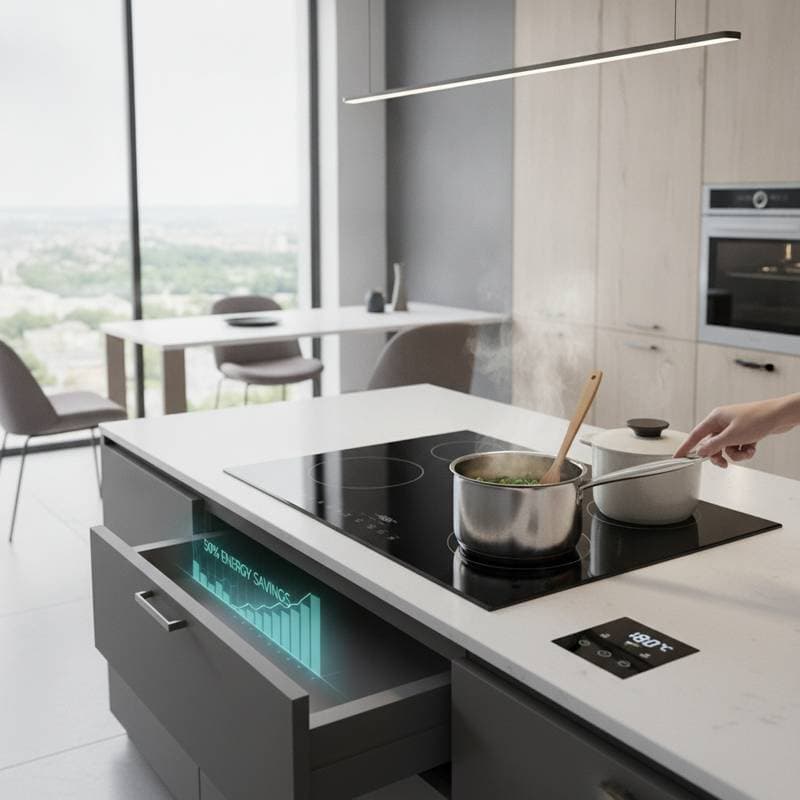
Energy efficiency provides the third major incentive. Induction technology delivers energy straight to the cooking vessel with minimal loss. In a household kitchen with regular use, this results in quicker meal preparation and reduced electricity costs accumulated over years.
Understanding Conversion Expenses
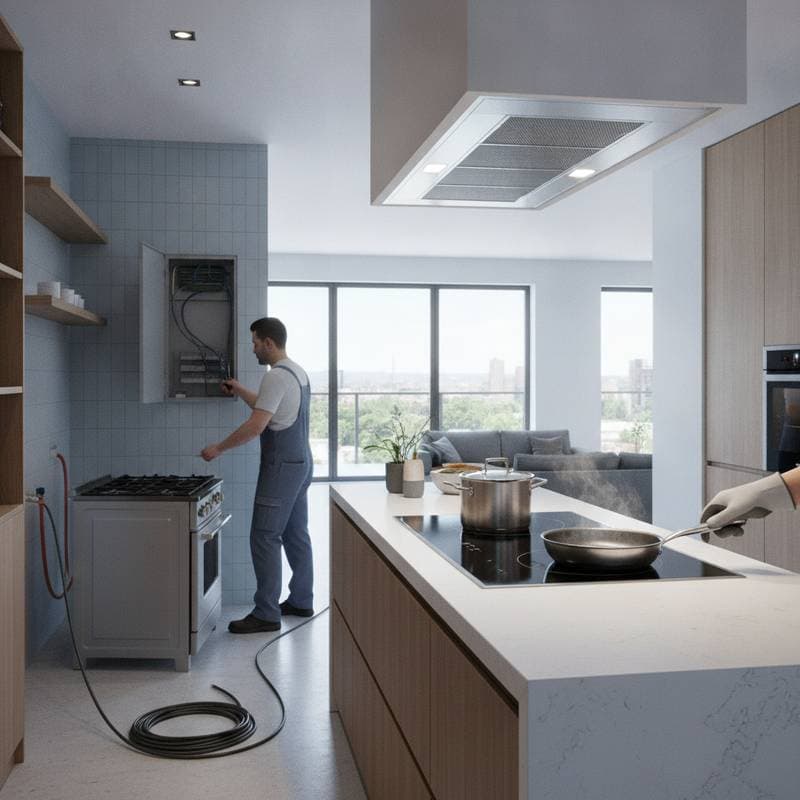
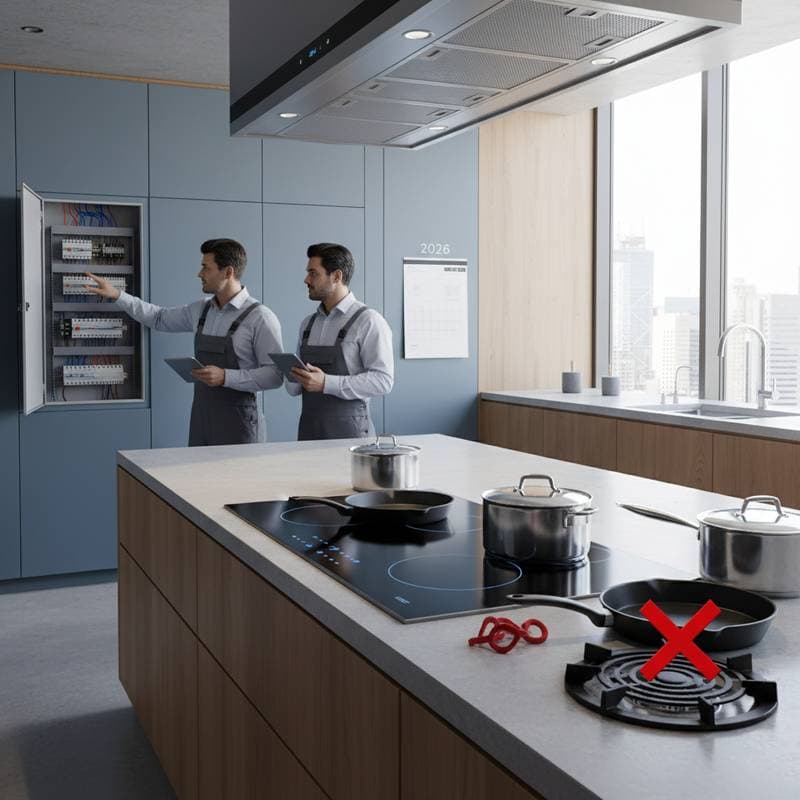
Transforming a kitchen from gas to electric extends beyond mere appliance replacement. It demands electrical modifications, possible panel enhancements, and occasional rewiring. A frequent oversight occurs when homeowners purchase an induction range without verifying if their electrical service supports the load. Most induction units necessitate a dedicated 240-volt circuit, and older residences often lack sufficient panel capacity.
Engage a licensed electrician to evaluate your service panel prior to acquiring equipment. Should an upgrade prove necessary, account for both expenses and scheduling delays before appliance arrival. Costs for a standard upgrade vary from several hundred dollars to thousands, contingent on the existing infrastructure's state.
For residents in multi-unit buildings or condominiums, verify that the electrical meter and service accommodate the extra demand. Projects have faced delays of months due to building management's insistence on electrical load assessments prior to circuit approvals. Secure written permission before finalizing equipment purchases.
Selecting Appropriate Induction Appliances
Induction appliances differ significantly in performance. Homeowners often err by prioritizing visual design over operational capabilities. Prioritize models from reputable brands that specify wattage for each cooking zone clearly. Budget options may distribute power across burners, preventing simultaneous high-heat operation on multiple zones. Serious cooks find such restrictions aggravating in short order.
Verify cookware compatibility as well. Induction demands ferromagnetic materials. Cast iron and certain stainless steels perform effectively, whereas pure aluminum or copper fails unless featuring a magnetic base. Test existing pans using a refrigerator magnet; firm adherence to the base confirms usability. This simple check averts unnecessary cookware replacements.
Consider additional features like power boost modes for rapid boiling or bridge functions that combine zones for large cookware. These elements enhance versatility, particularly for avid home chefs preparing diverse meals.
Designing Layout and Ventilation Systems
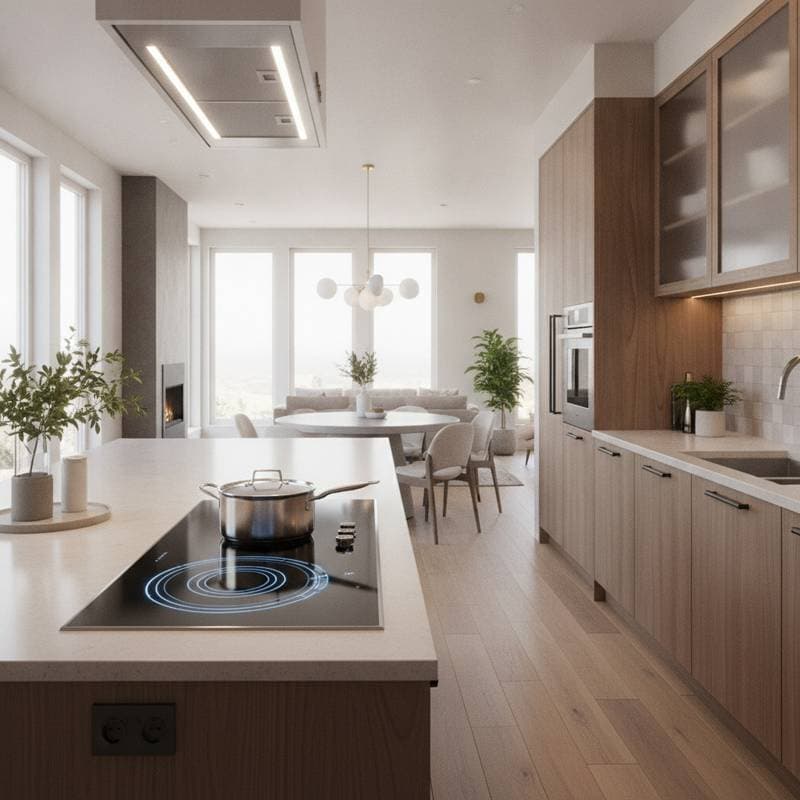
Adopting induction alters kitchen dynamics. These units produce less radiant heat, allowing for compact or low-noise ventilation setups. Nonetheless, effective airflow remains essential. Retain a range hood regardless of local code mandates; cooking generates steam and particulates that can harm cabinets and surfaces over time.
During remodels, evaluate outlet positions, countertop dimensions, and clearances surrounding the cooktop. Induction ranges typically measure deeper than legacy gas models, so precise measurements prevent installation issues. Instances arise where countertops require recutting after discovering fit problems with the new unit.
Integrate smart placement to optimize workflow. Position outlets accessibly to minimize extension cord use, and ensure adequate space for safe pan handling. These considerations contribute to a seamless cooking experience.
Safely Disconnecting Gas Lines
Professionals must handle gas line capping or disconnection; never undertake this task independently. A licensed plumber or gas fitter conducts pressure tests to detect leaks and furnishes certification of proper termination. Retain these documents for insurance purposes and prospective home sales.
In certain areas, inform the gas utility of the appliance removal. Utilities might mandate inspections or meter recalibrations, particularly with reduced gas consumption. Completing these formalities shields against legal complications and future billing discrepancies.
Schedule disconnection concurrently with electrical preparations to streamline the project timeline. Coordination between plumber and electrician minimizes disruptions and ensures comprehensive safety checks.
Enduring Advantages of Electric Kitchens
Post-conversion, improvements manifest promptly. Kitchens maintain cooler temperatures, simplify cleaning efforts, and accelerate cooking processes. Long-term, maintenance expenses decline owing to induction's lack of intricate components or corrosion-prone burners.
Contractors appreciate electric kitchens for their straightforward upkeep. Service demands decrease, fire hazards diminish, and adherence to updating regulations simplifies. Homeowners enjoy sustained performance with minimal intervention.
Safeguarding Your Induction Setup
Register the induction appliance promptly to activate warranty protection. Adhere to manufacturer cleaning guidelines, eschewing abrasive tools that damage the glass top. Arrange regular electrical assessments, especially in homes with dated wiring, to uphold system integrity.
View the conversion as a dual enhancement in safety and functionality. Executed properly, an induction kitchen yields expedited cooking, diminished operational expenses, and a purer home atmosphere. Consult professionals early to tailor the upgrade to your specific needs.