Hidden Prep: Scullery Kitchens Revive Open Plans
Open-concept living transforms how families interact and host guests. Expansive areas merge cooking, dining, and relaxation into fluid zones. However, actual meal preparation disrupts this ideal with accumulating utensils, spills, and lingering aromas. Homeowners appreciate the connectivity yet struggle with the inevitable disorder. The modern scullery kitchen addresses this by providing a concealed workspace.
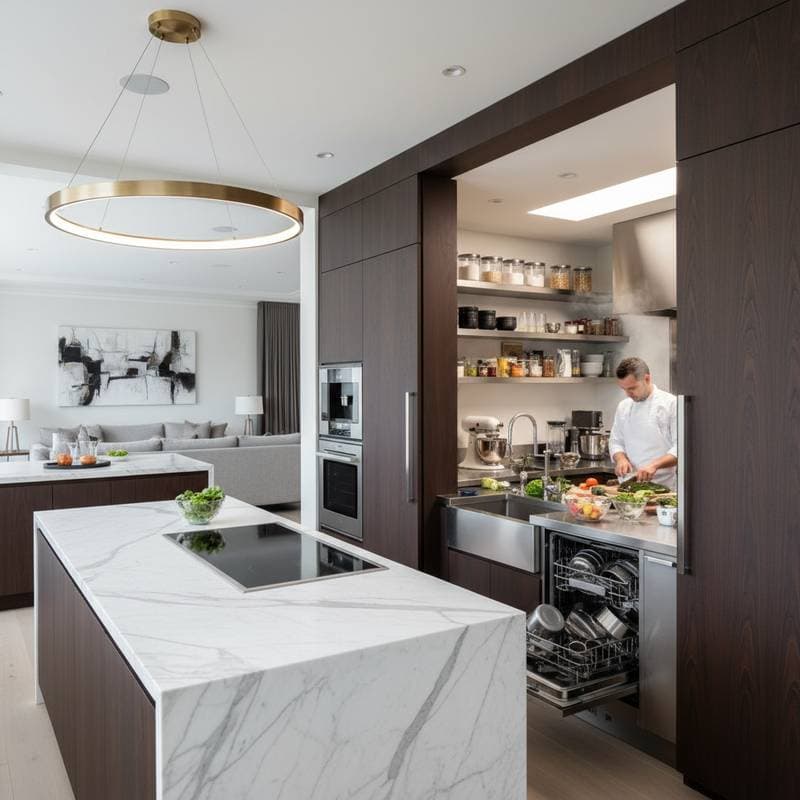
A scullery functions as a secondary kitchen or prep area, adjacent to the primary one but screened from view. It relocates intensive tasks like chopping and washing, preserving the main kitchen's appeal. Builders integrate these spaces to enhance daily routines without compromising aesthetics. This article examines the scullery's role, essential components, and practical design approaches, drawing from on-site expertise.
The Solution: A Hidden Prep Zone
A scullery kitchen serves as an auxiliary area linked to the main kitchen through proximity rather than visibility. In traditional homes, it supported staff duties away from main rooms. Today's iteration caters to busy households seeking efficiency.
Designers craft sculleries as complete work zones with ample surfaces, sinks, and storage. These elements shift demanding activities—such as rinsing produce or stacking dishes—away from social areas. The result allows hosts to engage with guests while maintaining a tidy presentation.
Effective sculleries operate discreetly. Preparation occurs without interrupting conversations or views. Upon arrival of company, the primary kitchen appears pristine, ideal for plating or beverages. This arrangement restores harmony to expansive layouts.
What a Functional Scullery Includes
Requirements vary by household, yet proven sculleries incorporate reliable elements. The following outlines key features and their benefits.
1. A Deep, Durable Sink
Select a spacious single-basin sink paired with an elevated faucet. This accommodates large cookware that overwhelms standard fixtures. Opt for stainless steel models, which withstand daily wear and simplify maintenance.
2. Dishwasher or Cleanup Station
Incorporate a dedicated dishwasher where feasible to manage soiled items during events. Smaller configurations benefit from designated drying areas and high-pressure sprayers. The focus remains on containing disorder in an unobserved location.
3. Counter Space for Actual Prep
Avoid undersized ledges that limit utility. Provide at least six feet of uninterrupted surface for tasks like dicing vegetables or assembling dishes. Generous workspace ensures the area supports genuine productivity.
4. Smart Storage
Integrate deep drawers for utensils, slotted organizers for bakeware, and upper cabinets for pantry staples. Add a concealed waste system with separate compartments. Such solutions maximize accessibility while minimizing visible disarray.
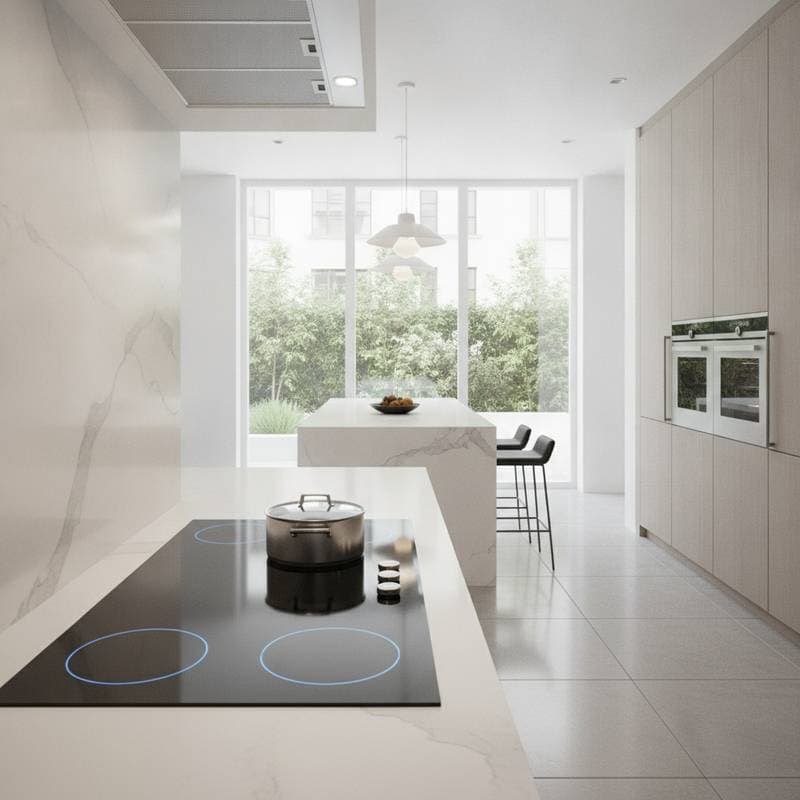
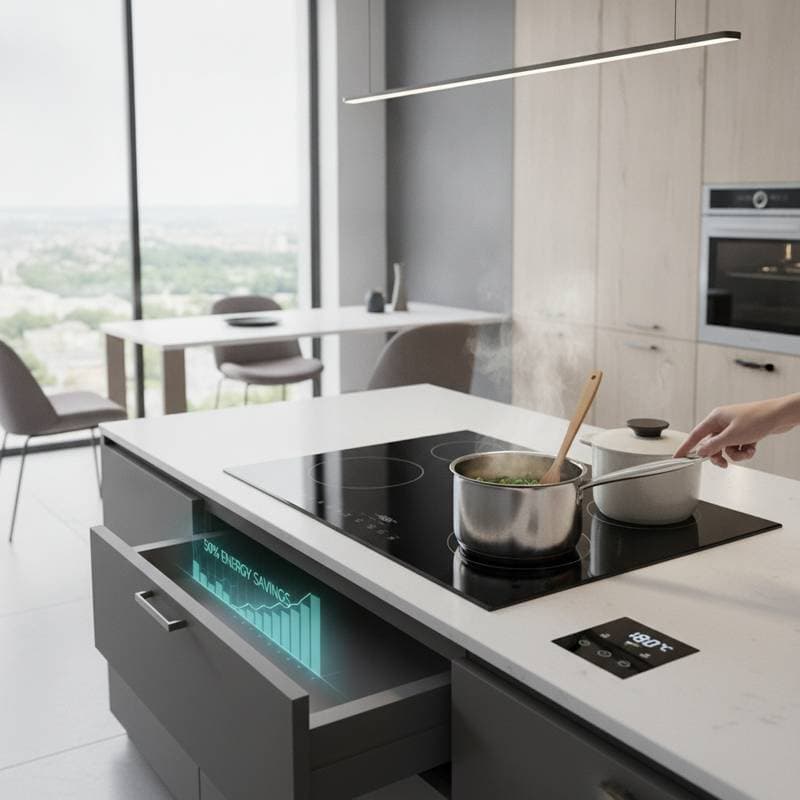
5. Ventilation and Lighting
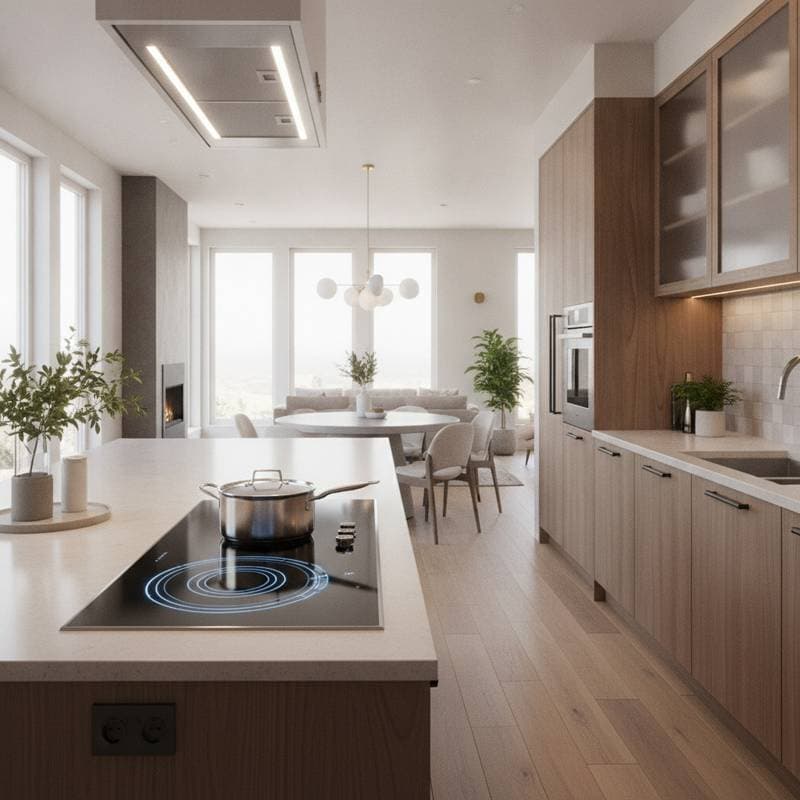
Equip cooking elements with efficient exhaust systems to manage steam and scents. Even basic use demands circulation to prevent buildup. Install layered illumination—task lights over counters and ambient sources—to promote comfort and precision.
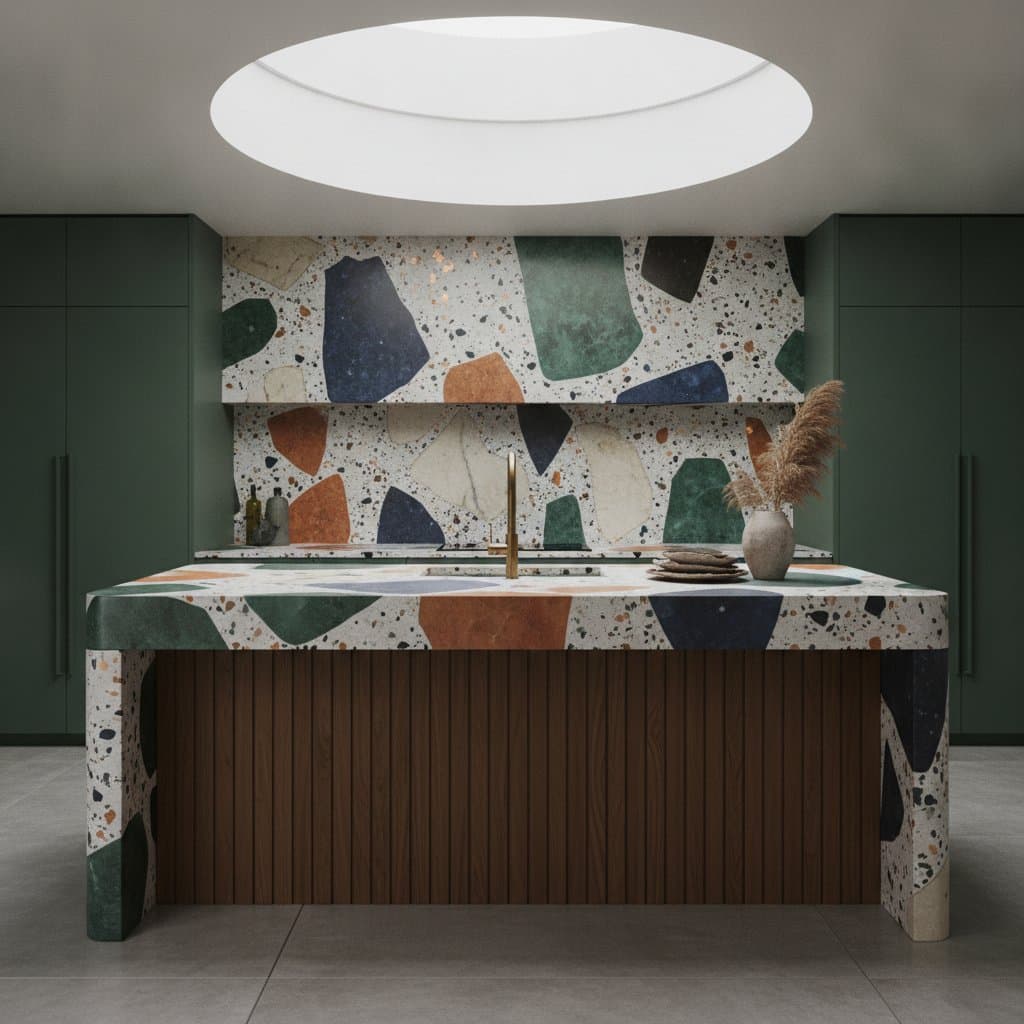
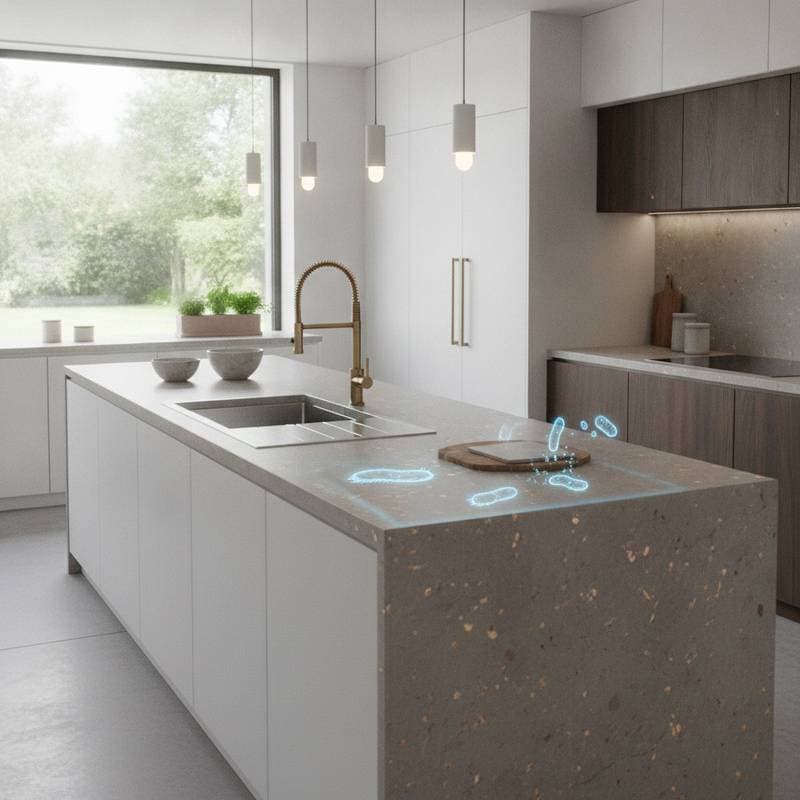
6. Durable Surfaces
Forego fragile options like polished stone. Choose resilient quartz or hardwood that endure frequent contact. Select muted tones that conceal marks from routine handling.
Design Strategies That Make the Space Work
Beyond fixtures, a scullery requires thoughtful integration with the primary kitchen. Missteps lead to inefficiency or neglect. The strategies below stem from extensive construction insights.
1. Create a Logical Traffic Path
Position the scullery adjacent to the main area for effortless transitions. Employ sliding doors or wide openings to facilitate transport of items. Steer clear of convoluted routes that hinder mobility.
2. Control the Sight Lines
Conceal the workspace without isolating it. Partial barriers, translucent panels, or aligned cabinetry obscure views effectively. Align entry points to present an elegant facade rather than operational elements.
3. Plan for Noise Containment
Appliances generate sound that can intrude on nearby activities. Equip with quiet mechanisms and sturdy barriers. In premium setups, incorporate sound-absorbing materials for further reduction.
4. Ensure Proper Utilities
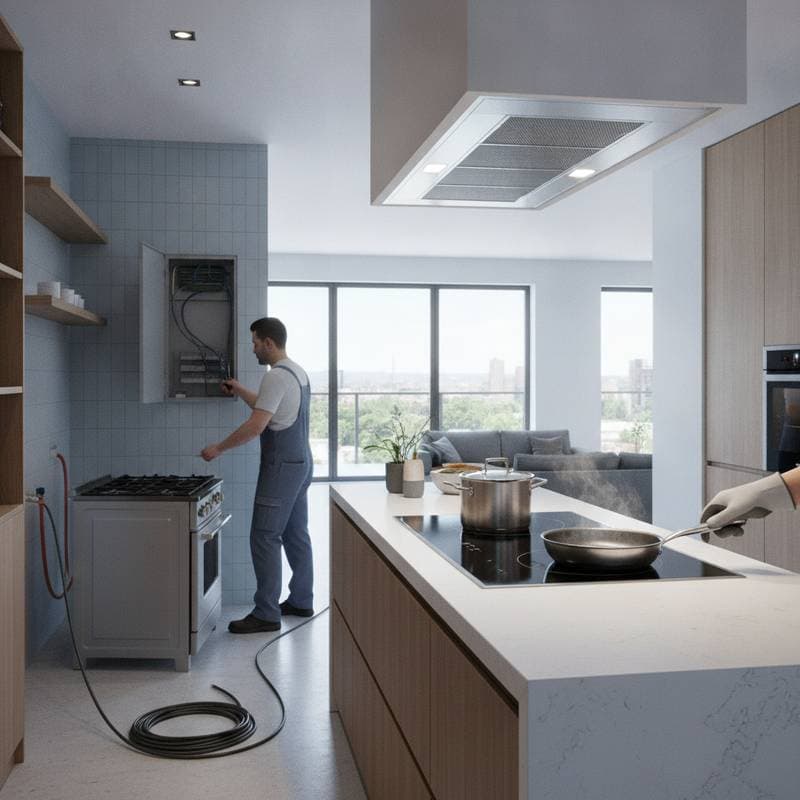
Account for increased demands on infrastructure. Dedicate circuits for devices and install robust lighting. For water-dependent features, align supply and waste lines during initial phases.
5. Match the Main Kitchen Without Copying It
Harmonize styles through shared hues or textures, yet differentiate with practical finishes. This approach unifies the design while designating the scullery for utility.
Real-World Lessons from the Jobsite
Projects span modest renovations to grand builds, revealing universal principles.
- Allocate sufficient dimensions. Users rely on the space heavily, and constraints undermine its value.
- Address infrastructure upfront. Delayed adjustments inflate expenses significantly.
- Prioritize exhaust systems. Omitted ventilation leads to persistent dissatisfaction from vapors.
- Emphasize illumination quality. Inadequate lighting transforms the area into mere storage.
- Invest in robust materials. Inferior selections demand premature replacements under stress.
Why Sculleries Are Returning Now
The resurgence reflects practical needs over passing styles. Key influences include:
- Renewed focus on hospitality. Post-restriction eras encourage gatherings, necessitating mess-free preparation.
- Proliferation of gadgets. Devices like blenders and toasters overwhelm surfaces; sculleries provide refuge.
- Persistence of open designs. Partial screening preserves airflow without walls.
- Enhanced market appeal. Prospective buyers value such innovations, elevating property desirability.
Professionals now incorporate sculleries routinely in upscale residences. Adaptable planning extends benefits to smaller footprints.
How to Plan a Scullery in Your Home
To incorporate one successfully, proceed methodically.
1. Assess How You Use Your Kitchen
Examine routines: frequent from-scratch meals, regular hosting, or specialty baking? Tailor inclusions accordingly.
2. Identify Problems You Want to Solve
Pinpoint issues like surface overcrowding or odor retention. Document these to guide targeted solutions.
3. Measure Space Honestly
Repurpose adjacent zones such as closets or utility rooms. Maintain flow and natural light in core areas.
4. Set a Budget Early
Costs vary with features like piping and cabinetry. Establish limits to inform realistic choices.
5. Hire a Contractor Who Understands Function
Review portfolios of similar installations. Prioritize workflow knowledge over superficial appeal.
Common Mistakes to Avoid
Execution errors diminish potential. Watch for these frequent oversights:
- Excessive ornamentation. Reserve funds for utility over aesthetics in this zone.
- Overlooking airflow. Inadequate systems compromise usability for intensive tasks.
- Restricting maintenance access. Plan for straightforward cleaning in confined spots.
- Skimping on electrical. Position receptacles strategically for multiple tools.
- Disconnecting from the main space. Align dimensions and finishes for smooth operation.
The Contractor’s Perspective
Sculleries streamline builds by isolating testing and utilities. They conceal wiring and expand storage discreetly.
Homeowners report reduced tension around chores, quieter events, and optimized layouts. Versatility extends to uses like beverage setups or hobby corners, enhancing overall adaptability.
Steps to Integrate a Scullery Seamlessly
Begin evaluation today. Map your needs against available space. Consult experts to prototype designs. The investment yields lasting convenience in your living environment.