Why Induction Cooktops Lead Kitchen Trends in 2025
Induction cooking emerges as the dominant choice for homeowners, designers, and professional kitchens seeking efficient, safe, and sustainable solutions. As spaces evolve toward smarter and greener designs, induction cooktops surpass traditional gas ranges in performance and practicality. This shift aligns with broader trends in home innovation, providing benefits that enhance daily cooking experiences.
Understanding Induction Technology
Induction cooktops employ electromagnetic fields to heat cookware directly, bypassing the surrounding air. This method delivers rapid temperature adjustments, quick boiling, and exact control comparable to high-end gas systems. The result includes faster cooking times and reduced energy loss compared to conventional electric or gas alternatives.
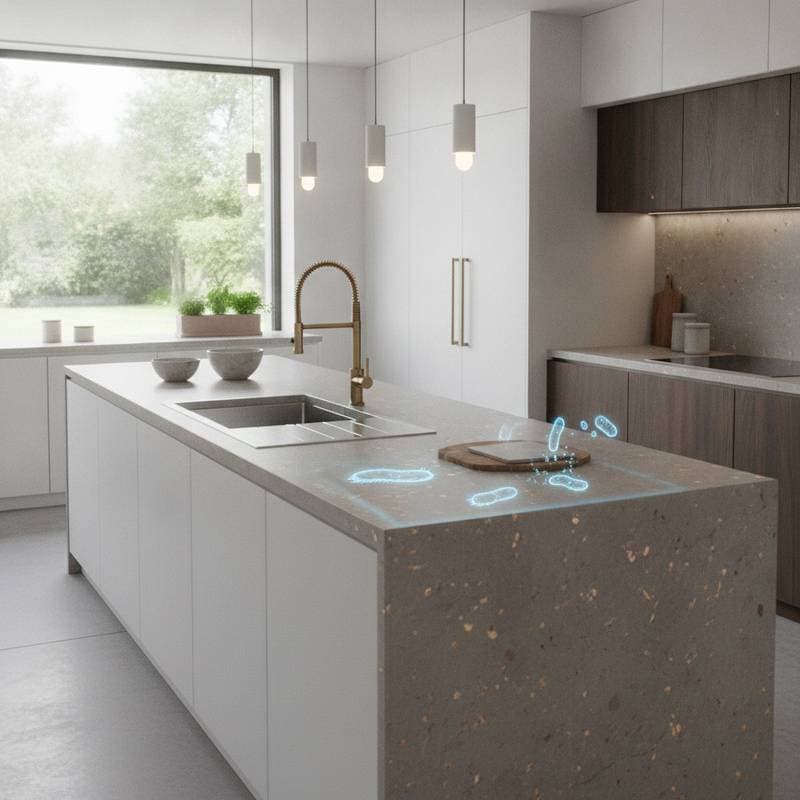
Beyond speed, induction prioritizes safety and cleanliness. Without open flames or residual surface heat, these cooktops minimize accident risks and simplify maintenance. Their seamless integration supports diverse kitchen layouts, from compact urban setups to expansive professional environments.
Benefits for Energy Efficiency and Air Quality
Health considerations and environmental sustainability influence contemporary kitchen decisions, including cooking appliances. Gas stoves release pollutants such as carbon monoxide and nitrogen dioxide, which compromise indoor air. Induction cooktops avoid these emissions entirely, creating healthier spaces especially beneficial for households with children, pets, or respiratory sensitivities.
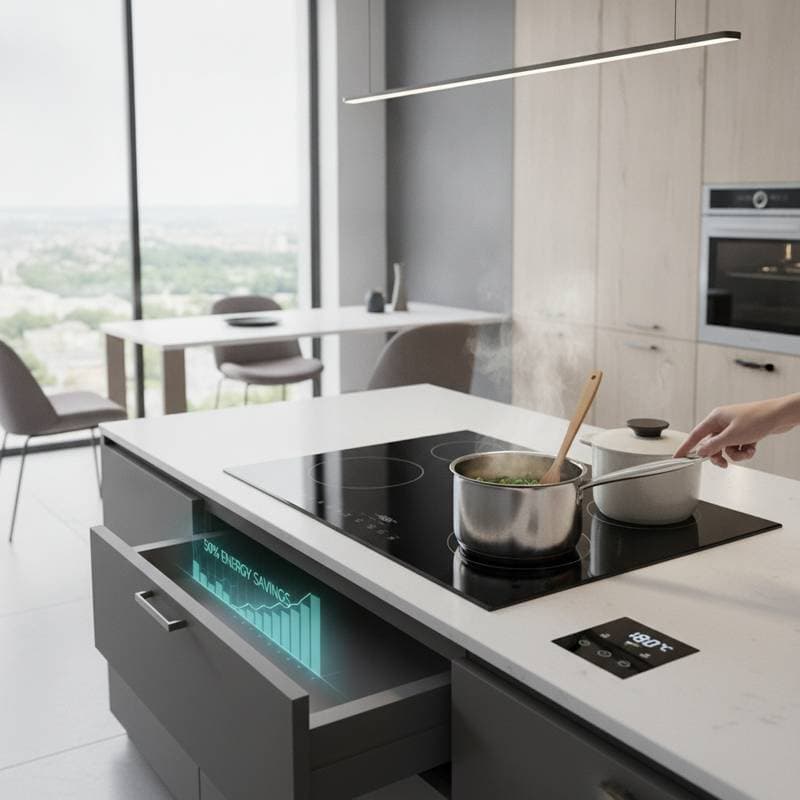
Efficiency defines induction's appeal further. Nearly 90 percent of the energy transfers directly to the cookware, keeping kitchens cooler and reducing utility costs. This precision suits various settings, including apartments, open-plan homes, and boutique culinary operations, while aligning with global pushes for lower carbon footprints.
Aesthetic Integration and Ease of Maintenance
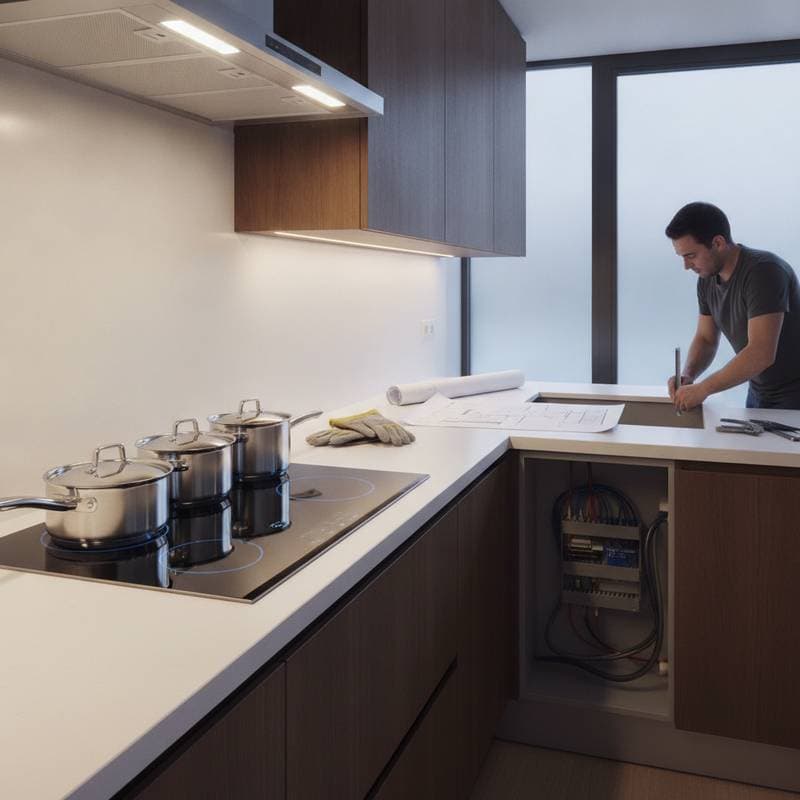
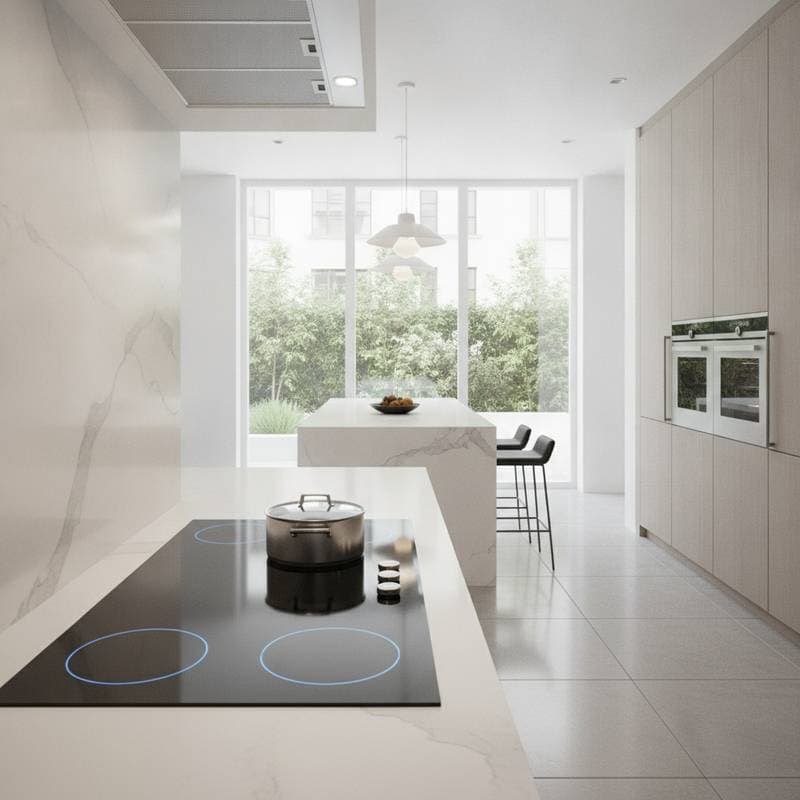
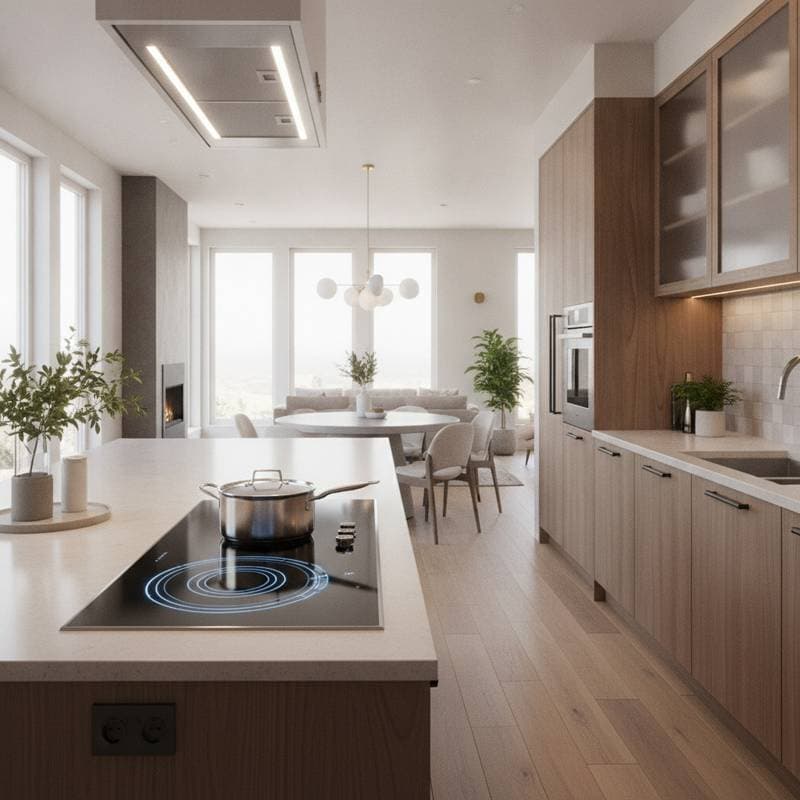
Induction cooktops combine functionality with refined design elements. Their flat glass surfaces, available in black, gray, or reflective finishes, integrate smoothly into modern, transitional, or minimalist kitchens. These units complement materials like quartz or stone countertops, maintaining a cohesive visual flow.
Maintenance proves straightforward with induction. A simple wipe removes spills, eliminating the need to clean grates or caps associated with gas models. This low-effort upkeep appeals to busy households and enhances the overall hygiene of the cooking area.
Integration with Smart Home Systems
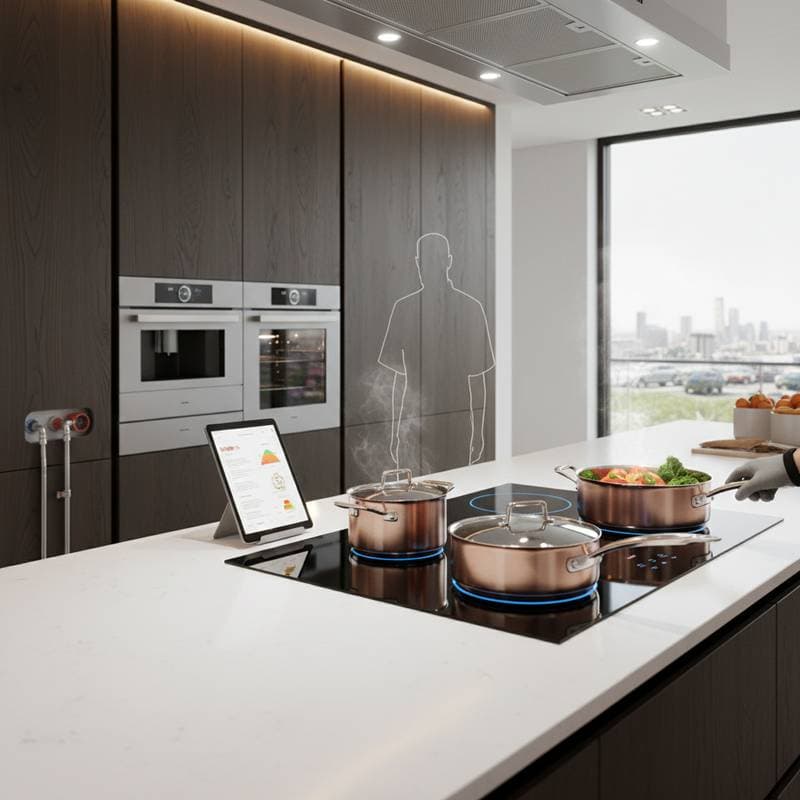
Advancements in connectivity elevate induction cooktops within intelligent kitchens. Many models connect to mobile apps or voice assistants, allowing remote heat adjustments, temperature monitoring, and notifications for tasks like boiling water. Such features streamline workflows and reduce manual oversight.
Modular configurations add versatility. Users can customize zones for grilling, simmering, or standard cooking on a single surface. This adaptability supports personalized setups, from hybrid stations blending induction with existing appliances to fully integrated systems in renovated spaces.
Accessible Pricing Across Budgets
Induction options span a wide price spectrum, making the technology viable for diverse needs.
- Entry-level portable units begin at around $50, ideal for renters or supplemental use in small areas.
- Mid-range built-in models with two to four burners range from $500 to $1,000, offering reliable performance for everyday cooking.
- Premium versions with smart capabilities, expandable zones, and built-in ventilation exceed several thousand dollars, suited for comprehensive renovations.
For cost-conscious upgrades, consider retrofitting a compact induction module into current countertops. This approach allows testing the technology alongside existing setups before a complete transition.
Navigating Regulations and Sustainable Choices
Discussions around gas stove restrictions in select regions highlight a move toward cleaner energy sources. Homeowners increasingly adopt induction voluntarily to improve air quality and comply with emerging standards. The technology pairs well with solar or other renewables, appealing to environmentally aware buyers.
Builders and designers find induction practical for new constructions. It simplifies installations by removing gas line requirements and enhances compliance with updated codes. For those preferring gas aesthetics, induction models mimic professional ranges with robust controls and premium finishes, delivering equivalent visual impact without drawbacks.
Superior Performance for Everyday and Professional Use
Cooking precision remains a key factor in appliance selection. Induction rivals gas in responsiveness, with immediate heat changes that prevent overcooking or under-searing. Boiling times often shorten by up to 50 percent, enabling efficient meal preparation even during multitasking.
Even heat distribution benefits techniques like baking or sauce-making. Without uneven hotspots, results prove consistent and professional-grade. This reliability attracts chefs transitioning from gas, as it supports complex recipes with minimal adjustments.
Innovations in Design and Material Integration
Appliance innovation pushes induction boundaries, embedding technology into countertops for invisible functionality. Coils placed under porcelain or stone create seamless surfaces that activate on demand, blending form and utility. Such developments expand creative possibilities in residential and commercial projects.
Collaborations between manufacturers and designers yield customizable elements, including edge profiles and lighting that harmonize with cabinetry. These enhancements position induction as a lifestyle feature, not merely a tool, fostering kitchens that reflect individual tastes and modern efficiency.
Embracing Induction for Enhanced Living
Adopting induction elevates routine cooking through safety, convenience, and performance gains. Start with a portable unit to experience the responsiveness and ease firsthand. For larger projects, select built-in options that optimize space and aesthetics in open layouts.
Designers benefit from induction's flexibility, which eliminates complex venting and opens design opportunities. This technology supports sustainable practices while delivering visual elegance. Ultimately, induction aligns with forward-thinking homes, simplifying life and amplifying culinary potential.