The Evolution from Stark White to Warm Japandi Kitchens
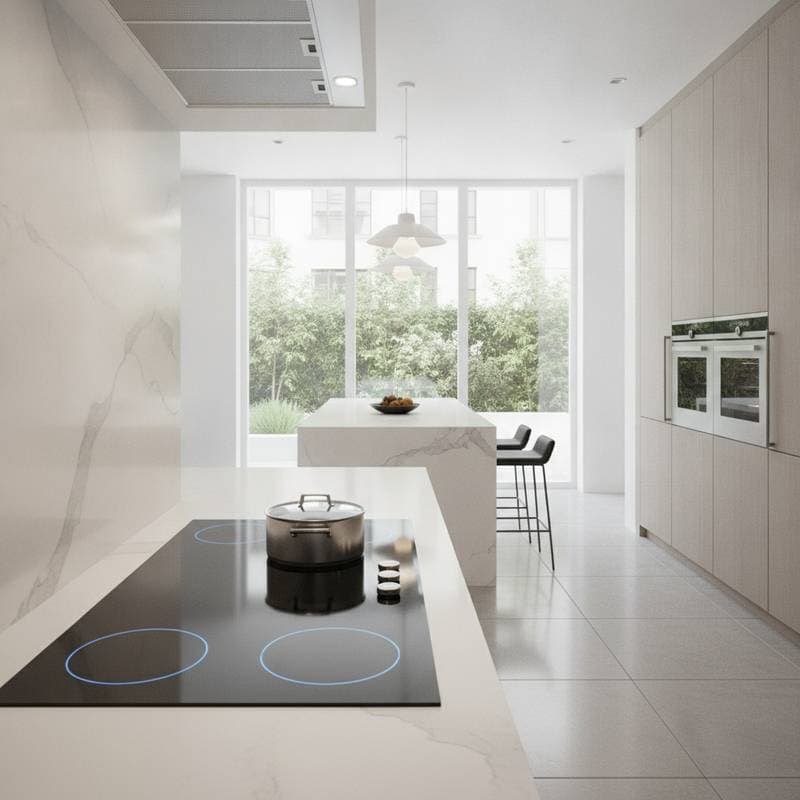
Minimalist kitchens once relied on pristine white surfaces, sharp edges, and an air of detachment. Design preferences now seek warmth, texture, and subtlety. Japandi kitchens, blending Japanese simplicity with Scandinavian coziness, lead this change by creating grounded, tranquil environments over sterile ones.
Japandi emphasizes equilibrium. It pursues clean lines without harshness and skilled work without extravagance. Contemporary interpretations favor soft woods, gentle neutrals, and natural elements that encourage interaction. These kitchens achieve a lived-in precision and sensory calm.
1. Embracing Warm Minimalism
Modern Japandi kitchens adopt warm minimalism. Rather than bright white cabinets and shiny marble, they incorporate creamy shades, clay-beige walls, or cabinets in muted tones like Farrow & Ball's Skimming Stone. This palette suggests serenity.
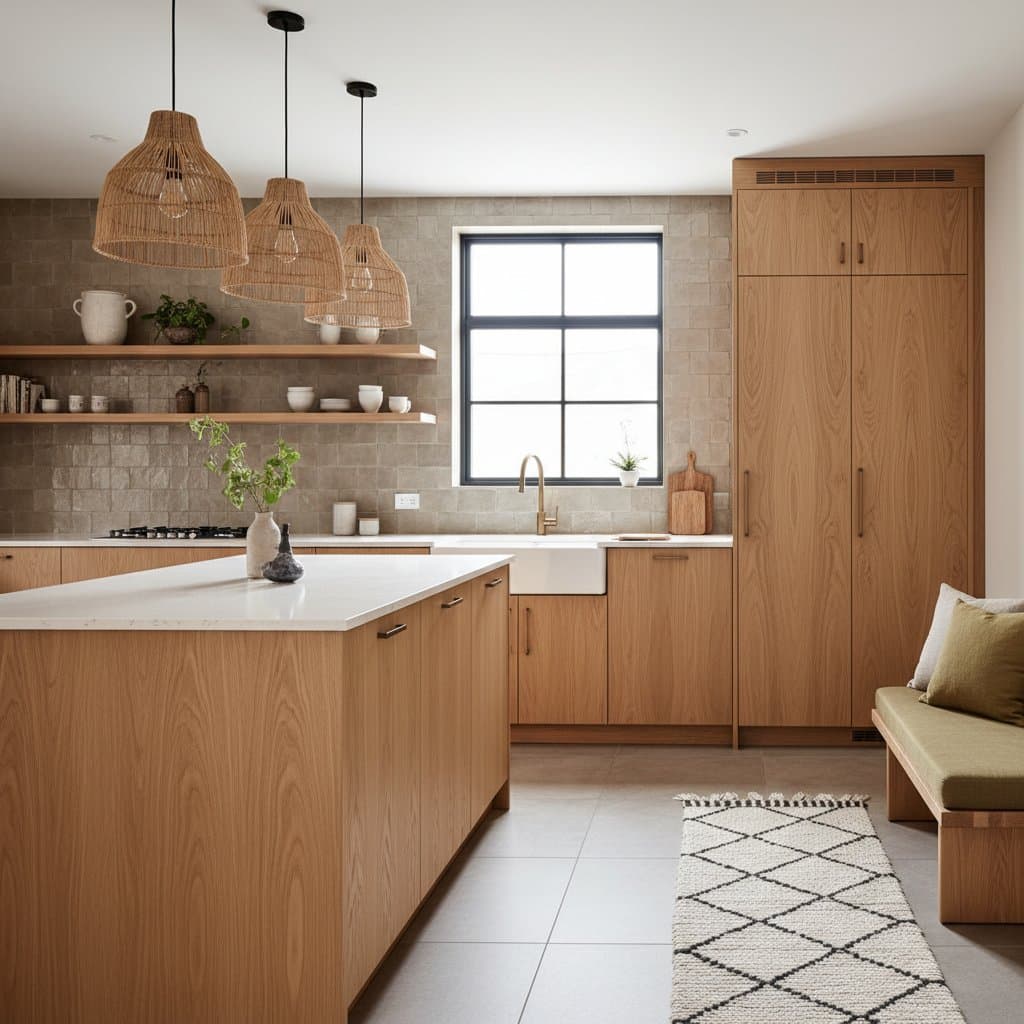
Interior designer Aya Nakamura of Studio Naka states, "White can be peaceful, but it can also feel detached. We wanted to create kitchens that feel more human, where the materials carry a quiet emotion." She selects natural oak for cabinet fronts, finished with matte oil to highlight the wood's grain.
These color variations add dimension without disorder. A backsplash of hand-glazed zellige tiles introduces subtle irregularity. Honed limestone countertops, with their natural veining, supplant glossy marble in minimalist designs.
2. Color's Subtle Emotional Impact
White scatters light effectively, but it often lacks depth. Japandi kitchens now draw on color's quiet influence through shades like mushroom, taupe, and soft blush to temper cabinet shapes and woodwork.
Jonas Rasmussen of Nord Atelier observes, "We use color as temperature. A kitchen should feel like morning light, not hospital light." His designs employ paints from Jotun or Little Greene, blending hues that evolve with daylight.
Softer blacks emerge in contemporary settings. Charcoal-stained oak or graphite concrete adds substance without intensity. Balance persists as dark elements pair with warm woods or ceramic textures.
3. Authentic Materials and Tactile Textures
Japandi values genuine materials for their natural qualities. Choices favor finishes that develop patina over flawless synthetics.
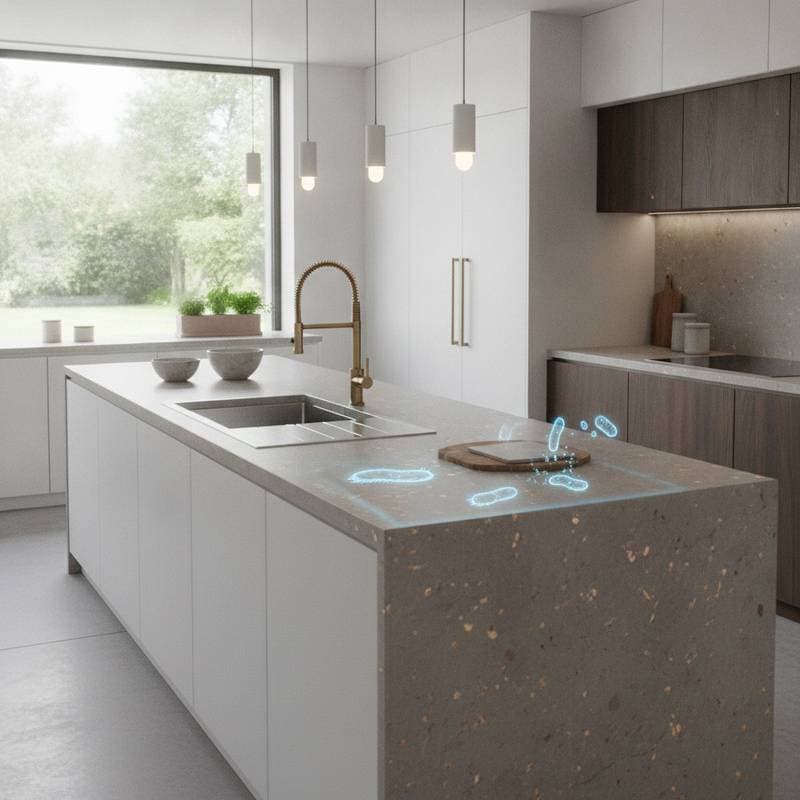
Cabinets in European oak, walnut, or ash reveal grain patterns. Countertops of honed travertine or terrazzo evoke earthly origins. Handmade ceramics, linen on stools, and rattan pendants layer intentional textures.
Architect Mei Tan of Formspace Studio comments, "Texture is what replaces the missing color. It gives the eye something to rest on." She combines brushed brass hardware with plaster walls to contrast smooth and matte elements.
4. Atmospheric Lighting Design
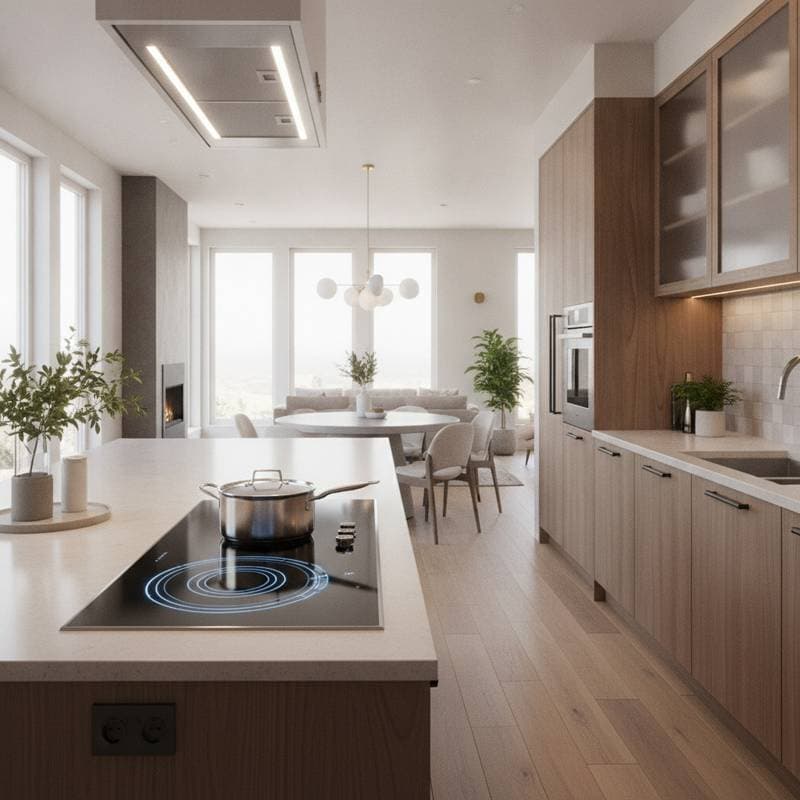
White kitchens scatter light harshly, heightening contrasts. Japandi approaches treat light as an integral mood-setter. Warm LED strips under shelves, paper lantern fixtures, and softened daylight establish a soothing cadence.
Attention focuses on light quality. Bulbs at 2700K provide a soft illumination that enhances wood and stone. This creates a restorative ambiance over stark display.
Elina Sato of Atelier Sato explains, "Light should breathe, not glare. We treat it as part of the material palette." Her work includes shoji-style panels that diffuse sunlight, projecting gentle shadows on walls.
5. Celebrating Imperfect Aesthetics
Wabi-sabi, the Japanese appreciation for imperfection and transience, informs this trend. In Japandi kitchens, it appears in elements like artisanal ceramic sinks, uneven plaster finishes, or knotted reclaimed beams.
These features narrate craftsmanship and passage of time. They temper Scandinavian exactness with personal warmth. Such details foster spaces that resonate on an intimate level.
6. Prioritizing Functional Serenity
Aesthetics advance alongside practicality. Japandi kitchens include hidden storage, flush handles, and streamlined layouts for efficient movement. Expression of these features shifts toward warmth.
Oak open shelving displays dishware openly. Drawers feature linen or cork linings for subtle luxury. Each component balances purpose with poise.
Karin Olsen of Nordic Craft Interiors notes, "We design kitchens where you can cook, read, and think. The calmness comes from clarity, not emptiness."
7. Integrating Local Craftsmanship
Natural materials renew focus on regional artisans. Collaborations with woodworkers, potters, and smiths enrich Japandi projects.
A smoked ash dining table from Hiroshi Woodworks pairs with paper cord chairs for seamless utility. Local stoneware supplants generic items. Hand-forged pulls or chestnut-dyed linen curtains embed origin stories.
This method infuses narrative. Materials hold history, objects bear maker's touch. Kitchens evolve into vital, narrative spaces.
8. Implementing Warm Japandi Elements
This departure from all-white refines minimalism into something tactile. Warm Japandi invites mindful engagement with light, form, and surface.
Homeowners can begin modestly. Swap glossy cabinets for matte versions. Apply a subtle hue like Farrow & Ball's French Gray.
A single artisanal pendant or ceramic backsplash infuses existing spaces with invitation. Japandi's flexibility supports gradual transformation.
Cultivating Balance in Daily Life
Japandi kitchens affirm that minimalism can nurture emotion. They merge organization with feeling, efficiency with solace.
Through natural elements, restrained color, and artisan input, these spaces restore equilibrium in hectic routines. They transform cooking areas into sanctuaries that encourage mindful presence.