Japandi Wet Rooms: The 2025 Solution for Serene, Space-Efficient Bathrooms
Japandi wet rooms represent a leading bathroom design trend for 2025, combining Japanese minimalism with Scandinavian functionality to produce tranquil, spa-inspired environments. These fully waterproof spaces integrate seamlessly into any home, regardless of size or budget. Natural materials and thoughtful layouts emphasize wellness, simplicity, and practical luxury.
Understanding the Japandi Wet Room Concept
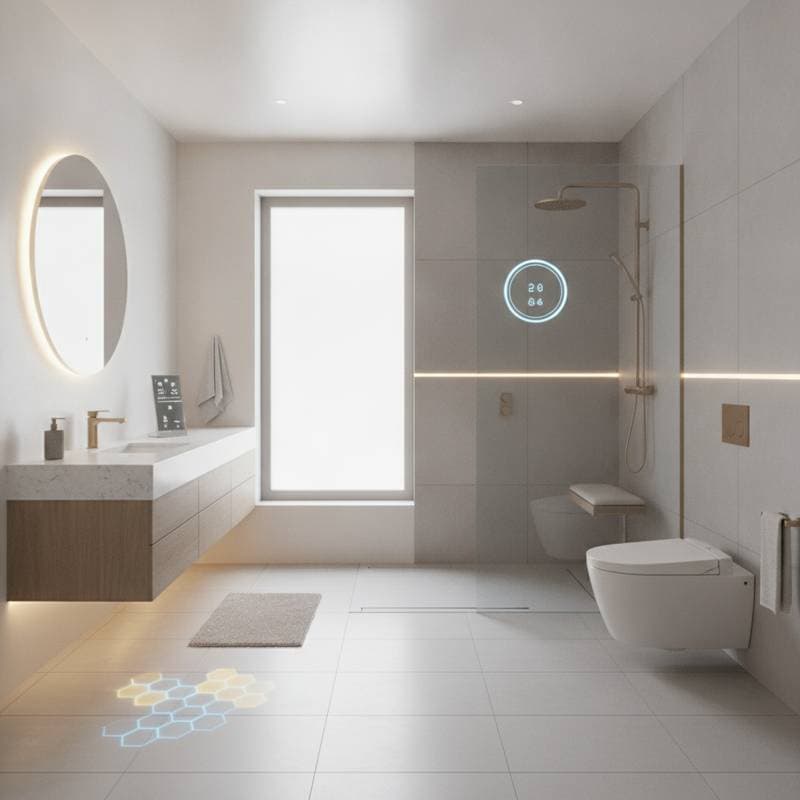
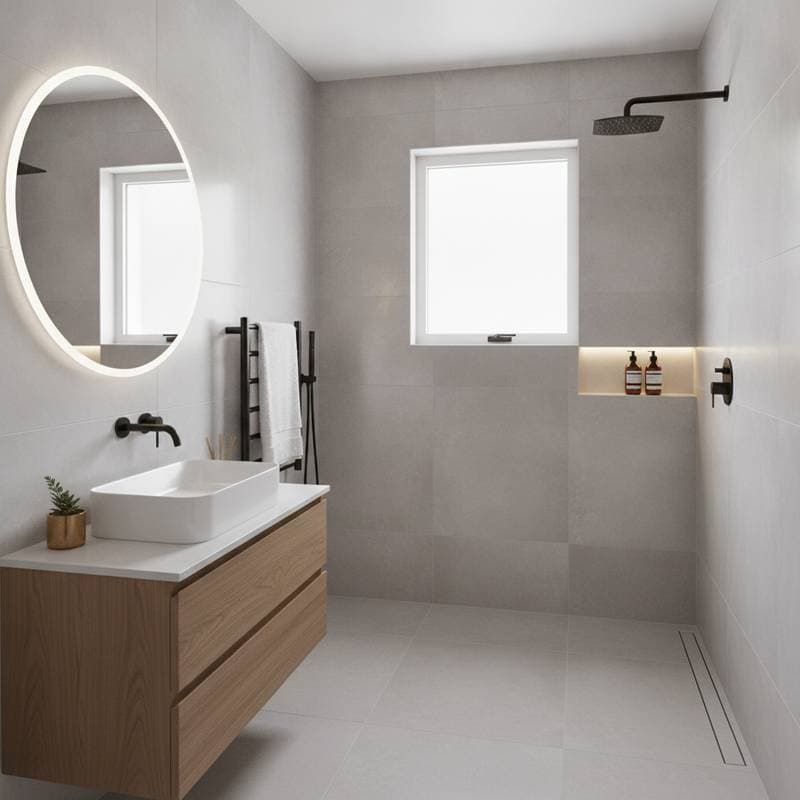
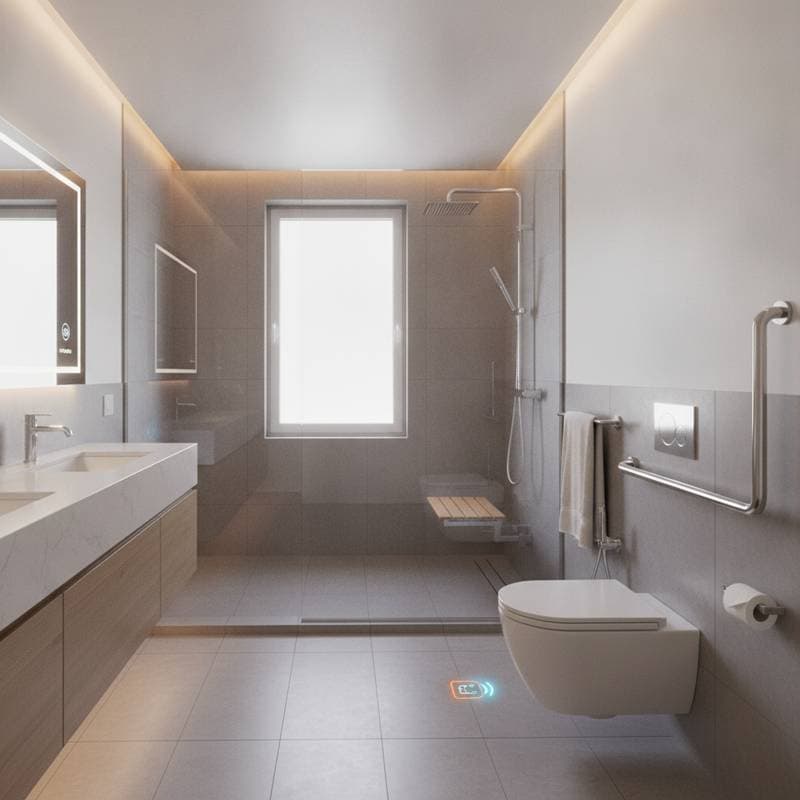
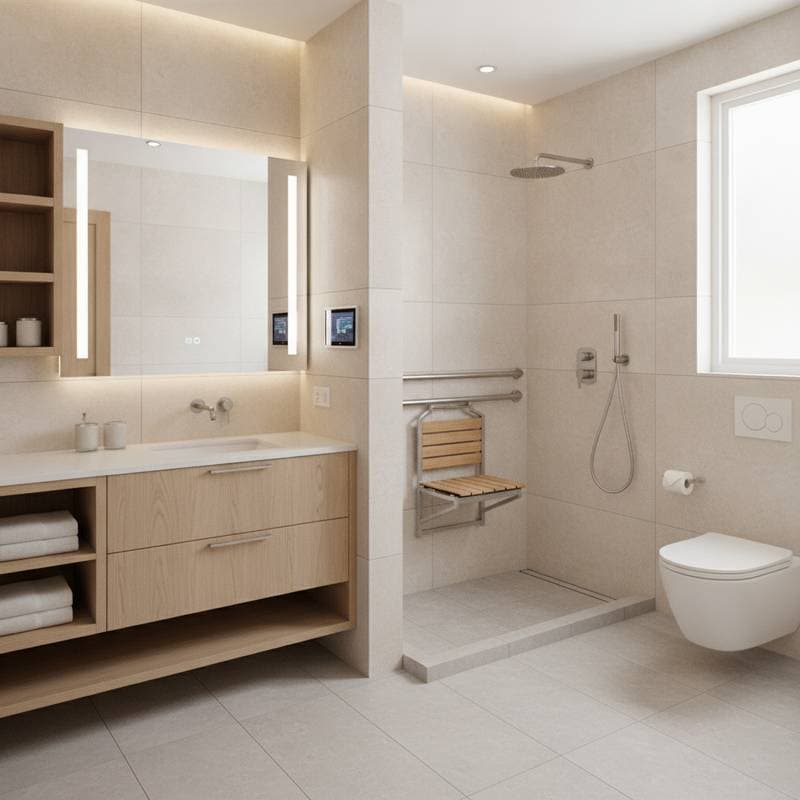
A Japandi wet room features a completely waterproofed floor and walls, removing traditional barriers such as shower trays or curtains. The entire area serves as an open shower zone, enhanced by Japandi elements like clean lines, organic textures, and restrained palettes. This approach evokes the calm of a Japanese onsen paired with the inviting simplicity of Nordic interiors, resulting in a grounded and restorative bathroom.
Such designs excel in compact areas by eliminating obstructions, allowing light to circulate freely and creating an illusion of greater volume. Level surfaces facilitate easy movement, supporting accessibility for all users. Installation requires professional waterproofing to prevent leaks, typically involving membrane applications and sloped flooring toward a central drain.
Key Benefits Driving the Trend
Japandi wet rooms balance aesthetics with utility, offering straightforward maintenance through seamless surfaces that resist mold and simplify cleaning. Their uncluttered design adapts to diverse layouts, from urban apartments to suburban homes. In media and design showcases, these spaces capture attention due to their emphasis on texture and subtle tones rather than ornate details.
Beyond practicality, the style addresses a desire for calming environments amid busy lives. Warm wood accents, stone elements, and ambient lighting foster a sensory retreat, turning routine hygiene into a moment of mindfulness. This emotional resonance contributes to the trend's popularity, as homeowners seek spaces that promote daily well-being.
Essential Design Principles
Begin with a neutral color scheme, incorporating materials like oak wood, limestone, soft whites, and subtle grays. Introduce warmth through natural fibers such as cotton textiles or rattan accessories. Matte black fixtures provide contrast, grounding the palette without overwhelming it.
Consider these budget-specific approaches:
- Premium installation: Opt for microcement coatings on walls, bespoke teak benches, and a low-profile glass screen for water containment. Budget approximately $10,000 for a complete overhaul, including labor.
- Moderate upgrade: Select porcelain tiles mimicking wood grain, a ceiling-mounted rainfall showerhead, and modular bamboo storage. Costs range from $3,000 to $5,000, scalable by room dimensions.
- Affordable DIY project: Install vinyl waterproof panels, a channel drain system, and adhesive faux-stone sheets. Incorporate second-hand woven items and potted greenery for cohesion, achievable under $800.
Consistency in material tones ensures a unified appearance. Match grout to tile hues for a monolithic effect, enhancing the spa-like seamlessness.
Integrating Innovation and Practicality
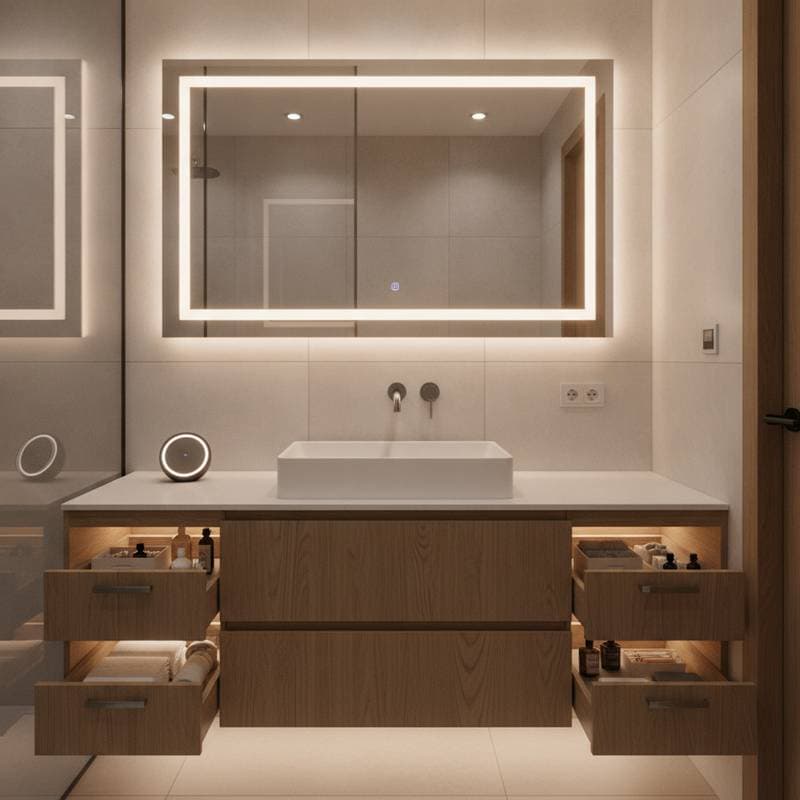
Effective Japandi wet rooms rely on clever solutions rather than high costs. Incorporate layered lighting, such as under-cabinet LEDs or backlit mirrors, to produce a soft, enveloping illumination. These elements highlight textures while maintaining energy efficiency.
For storage, prioritize built-in options like alcove shelves or slim wall-mounted units to preserve open sightlines. Multi-functional items, such as a low wooden bench doubling as a plant stand, optimize limited areas. Select fixtures with thermostatic controls for consistent water temperature, elevating comfort.
Texture variety adds depth: combine polished concrete counters with textured wall tiles or brushed metal accents against linen folds. This layering prevents a sterile feel, inviting tactile engagement.
Achieving a Polished, Photogenic Finish
Japandi wet rooms lend themselves to visual appeal in both professional shoots and personal spaces, thanks to their natural light diffusion and organic surfaces. Draw from Japanese and Scandinavian traditions by selecting materials that harmonize with the environment, such as reclaimed wood or mineral-based composites.
To enhance photogenic quality, emphasize light scattering through elements like etched glass partitions or satin-finish tiles. Steer clear of high-gloss surfaces that cause reflections. This technique yields a diffused glow, ideal for content creation or guest impressions.
Prioritizing Sustainability and Wellness
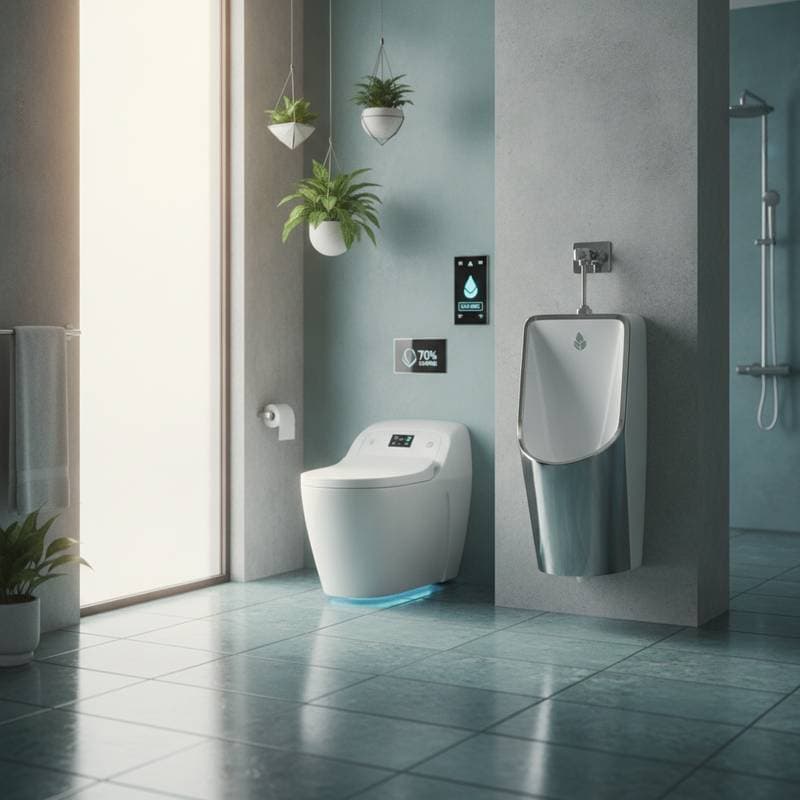
Sustainability forms a core aspect of Japandi design, with options like rapidly renewable bamboo, cork underlayment, or recycled aggregates. Low-flow showerheads and faucets reduce water usage without compromising performance, aligning with eco-conscious practices.
Incorporate humidity-tolerant plants such as ferns or snake plants to infuse vitality and improve air quality. The layout supports wellness routines, from meditative showers to gentle stretching on warmed floors. Subtle additions like a cork mat or aroma dispenser amplify relaxation.
Adapting to Various Bathroom Sizes
Compact bathrooms benefit most from wet room conversions, as large-scale tiles unify walls and floors, minimizing visual breaks. Thin grout joints reinforce continuity, while underfloor heating ensures year-round comfort and quick evaporation.
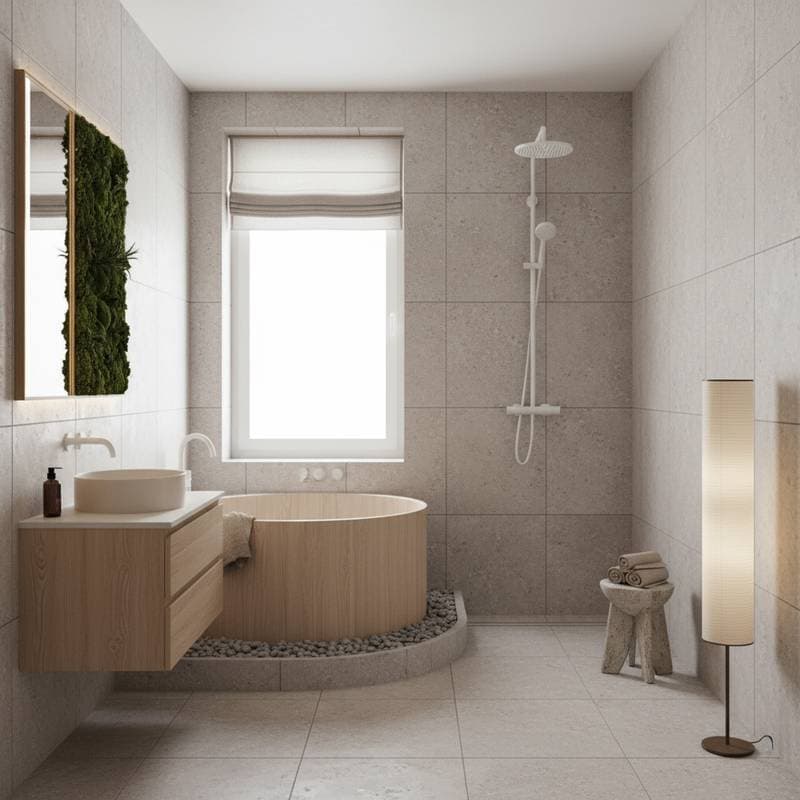
In expansive areas, delineate zones with partial barriers like low partitions or transparent screens, preserving openness. A standalone soaking tub in matte porcelain integrates naturally, offering versatility for bathing preferences.
Maintaining and Evolving Your Space
Routine care involves a mild, vinegar-infused spray for daily wipe-downs, preserving clarity on glass and fixtures. Adequate ventilation, via exhaust fans or operable windows, manages humidity effectively.
Periodically refresh with seasonal swaps, such as linen updates or new botanicals, to keep the design dynamic yet serene. Japandi principles encourage intentional changes that sustain harmony over time.
Ultimately, a Japandi wet room delivers enduring value by fostering a sanctuary that enhances daily life. It nurtures physical comfort and mental clarity, proving accessible through tailored investments.