Warm Terracotta Takes White's Place in 2025 Kitchens
Homeowners increasingly view the all-white kitchen, once ubiquitous in design publications and online platforms, as overly stark. Many now seek greater warmth, tactile interest, and individual character in their cooking spaces. Enter warm terracotta, an earthy tone that conveys invitation, stability, and remarkable adaptability. For those contemplating a kitchen refresh, this emerging preference provides an ideal opportunity.
White dominated kitchen palettes for years due to its crisp, hygienic appearance. However, numerous residents deemed it impersonal or demanding in upkeep. Terracotta presents a compelling substitute. It maintains brightness while introducing layers and solace. The following sections detail methods to incorporate this trend, anticipated expenses and care routines, and strategies for achieving a perennial kitchen that balances modernity with longevity.
Where to Use Terracotta in the Kitchen
Incorporate terracotta boldly or subtly to suit personal aesthetics and financial constraints. Balance remains crucial. Excess application risks heaviness, whereas measured applications unify the composition.
1. Cabinetry
Apply a gentle terracotta shade to cabinets for a striking transformation that avoids spatial constriction. Opt for matte surfaces to evoke artisanal quality, or select satin variants for subtle light diffusion. Professional painting typically ranges from $60 to $100 per linear foot, influenced by surface preparation and coating caliber.
For a measured entry, refinish solely the lower cabinets in terracotta while retaining neutral uppers. This approach anchors the visuals and preserves openness.
2. Backsplash Tiles
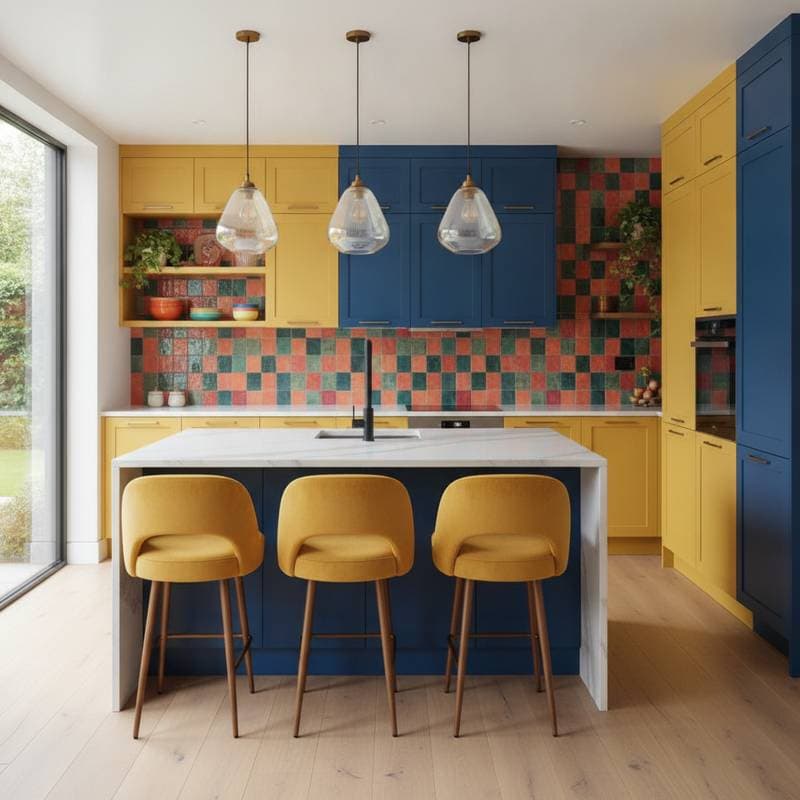
Terracotta tiles impart immediate coziness to any kitchen. Authentic clay versions cost $8 to $20 per square foot, whereas ceramic imitations begin at $4 per square foot. Select artisanal or distressed finishes to introduce organic texture and subtle inconsistencies. A modest backsplash adjacent to the stovetop alone can alter the room's ambiance profoundly.
3. Countertops
True terracotta countertops prove uncommon owing to their absorbency, yet comparable hues emerge through quartz composites or laminates engineered to replicate clay. Quartz installations fall between $50 and $120 per square foot, with laminates priced from $25 to $40 per square foot. These materials ensure robustness with reduced servicing compared to authentic terracotta.
4. Floors
Terracotta flooring tiles represent the classic implementation of this palette. They withstand traffic, conceal imperfections, and develop patina gracefully. Installed sealed terracotta averages $10 to $18 per square foot; unsealed options cost marginally less yet demand consistent attention. Note that natural terracotta's porosity necessitates sealing to avert discoloration and liquid ingress.
5. Accents and Accessories
For minimal investment, weave terracotta into the scheme via secondary elements. Consider stools upholstered in clay tones, ceramic vessels for plants, or pottery serveware to infuse subtle warmth sans structural alterations. Alternatively, coat a single wall behind exposed shelving for a swift, effective refresh over a weekend.
The Practical Side: Costs, Maintenance, and Durability
Prior to investment, evaluate the implications of terracotta applications. Variations in finishes dictate expenses and regimens, and prudent decisions prevent future complications.
Cabinetry and Paint
Premium kitchen-grade paints reach $80 per gallon and repel humidity plus oils effectively. Terracotta formulations frequently include red or orange undertones, necessitating a custom-tinted primer for uniform adhesion. Allocate resources for no fewer than two paint layers atop one sealant application.
Tile and Flooring
Authentic terracotta tiles possess porosity, readily taking in liquids absent periodic sealing. Employ a penetrating sealant biennially to sustain resistance against stains. In high-traffic kitchen zones, prompt spill removal and protective rugs near water sources safeguard the material.
Lighting Considerations
Illumination profoundly influences terracotta's perception. Warm sources render it lush and enveloping; cooler LEDs may accentuate orangey notes. Sample swatches beneath existing kitchen lights prior to large-scale commitment. When upgrading luminaires, choose warm LEDs at approximately 2700K to accentuate the hue's richness.
Safety and Professional Help
Cutting terracotta tiles generates respirable particles that may inflame respiratory and ocular tissues. Equip with a respirator and protective eyewear during sawing or abrasion tasks. Employ wet saws equipped with water systems to minimize airborne dust.
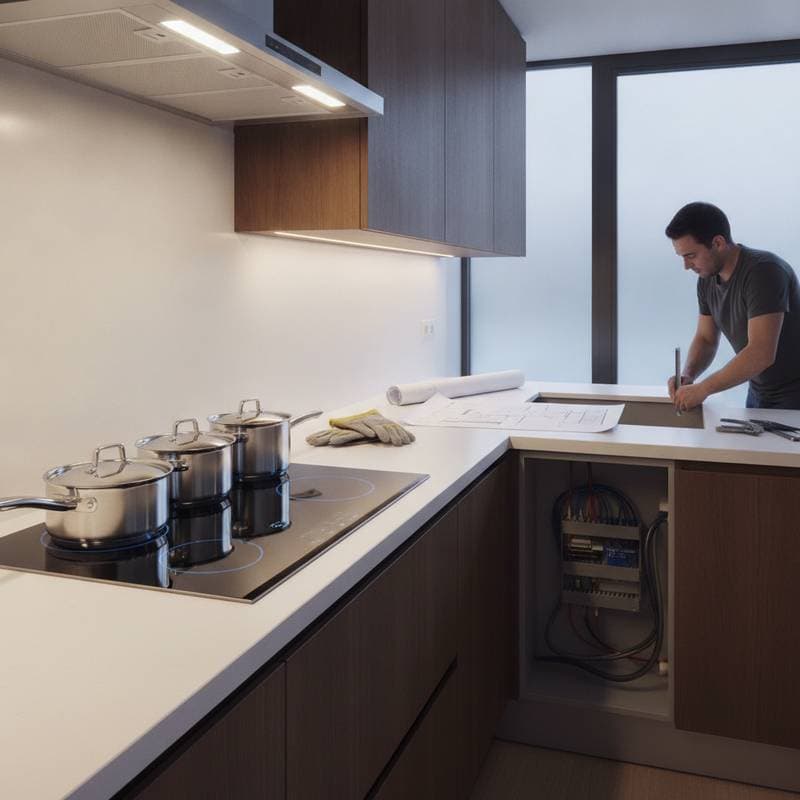
Engage certified experts for any electrical or plumbing modifications. Minor reconfiguration often mandates adherence to regulations. Verify local permitting protocols before undertaking flooring or cabinet replacements, particularly where load-bearing elements factor in.
Maintaining Your Investment
Proper stewardship extends the lifespan of terracotta elements across decades. Adhere to these protocols for sustained vibrancy:
-
Clean gently: Employ diluted soap solution with lukewarm water. Steer clear of abrasives that erode sealants or diminish coloration.
-
Re-seal surfaces: For tiles and floors, refresh with penetrating sealant annually or biennially.
-
Touch up paint: Reserve surplus paint to address minor imperfections promptly.
-
Control humidity: Terracotta thrives in consistent moisture levels. Activate exhaust fans during meal preparation to mitigate vapor accumulation.
-
Protect heavy-use zones: Deploy rugs beneath sinks and prep areas to shield against abrasion.
Implementing Terracotta Successfully
Should your current kitchen appear monotonous or stark in white, terracotta facilitates a graceful progression. Incremental steps suffice to reap its advantages. Experiment with samples, layer gradually, and observe enhancements unfold.