Induction vs Gas: 2025 Energy Costs Kitchen Showdown
The discussion surrounding induction and gas cooktops continues to gain prominence in modern kitchens. This comparison extends beyond aesthetics or sound effects during cooking. It addresses energy costs, operational efficiency, and alignment with daily routines. As an expert in kitchen design, observations from various projects reveal that both options possess strong advocates. Each can enhance a kitchen effectively. The following sections examine key factors influencing energy bills, cooking performance, and overall design integration.
Real-World Cost Comparison
Consider a practical scenario: preparing dinner four nights per week, incorporating simmering, searing, and boiling tasks.
- Gas cooktop: Consumes approximately 0.3 cubic meters of gas per meal.
- Induction cooktop: Requires about 0.7 kilowatt-hours of electricity per meal.
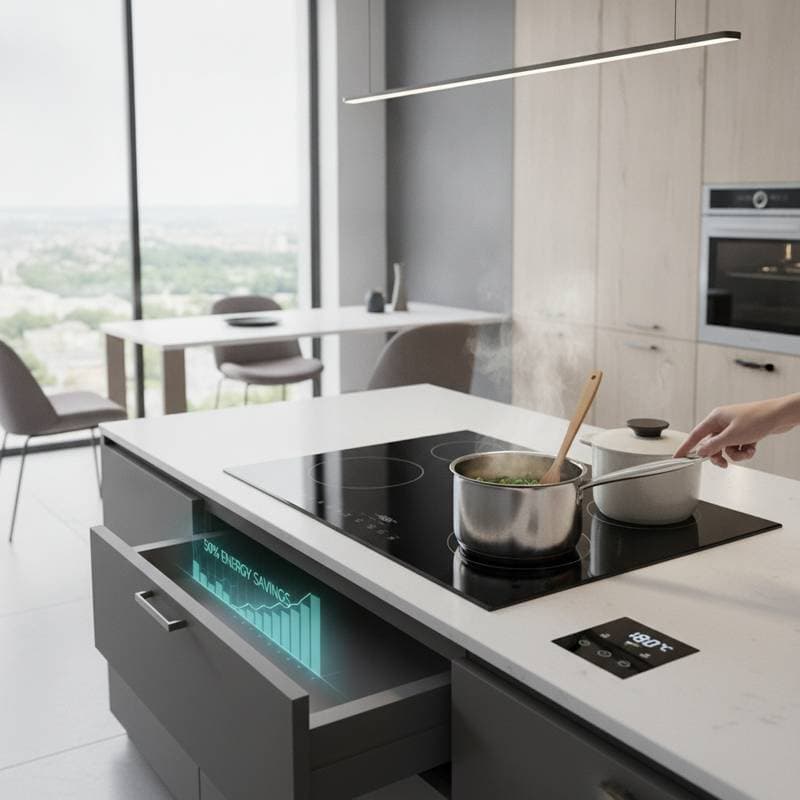
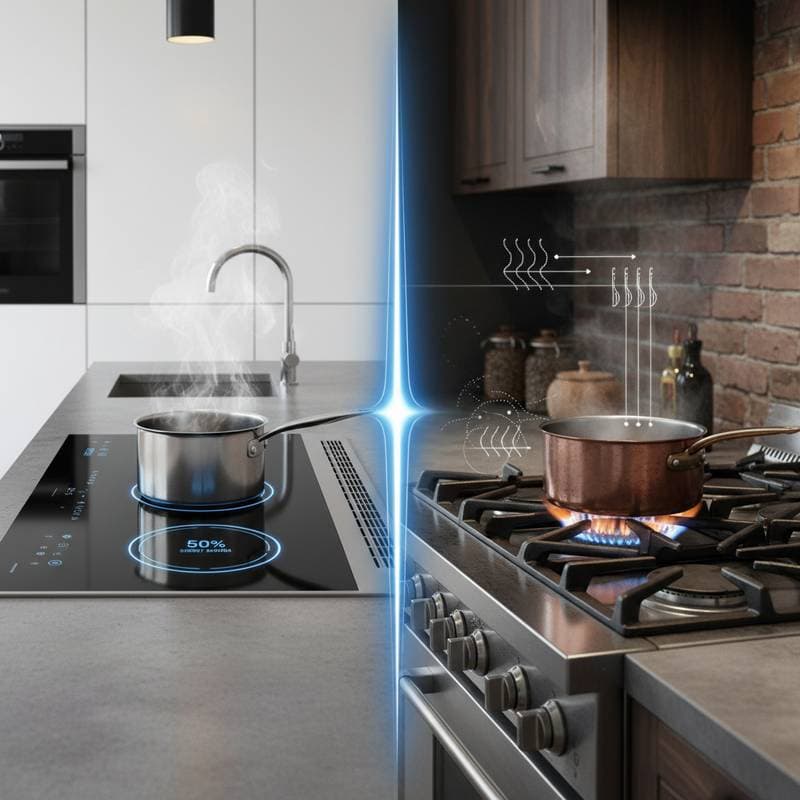
If local gas prices remain below half the cost of electricity, gas may appear more economical at first glance. However, induction technology provides faster and more precise heating, often reducing cooking time by 30 percent or greater. This efficiency translates to both energy savings and reduced preparation duration.
Bonus tip: Numerous electric utilities implement time-of-use pricing, offering lower rates during off-peak periods. Scheduling cooking for later evenings or early mornings can further decrease expenses.
To quantify potential savings, assume average U.S. rates of $1.50 per therm for gas and $0.13 per kilowatt-hour for electricity. A gas meal might cost around $0.45, while induction could total $0.09 plus time savings equivalent to additional value. Over a year, induction users may save up to $200 on energy alone, depending on usage patterns.
Design and Installation Differences
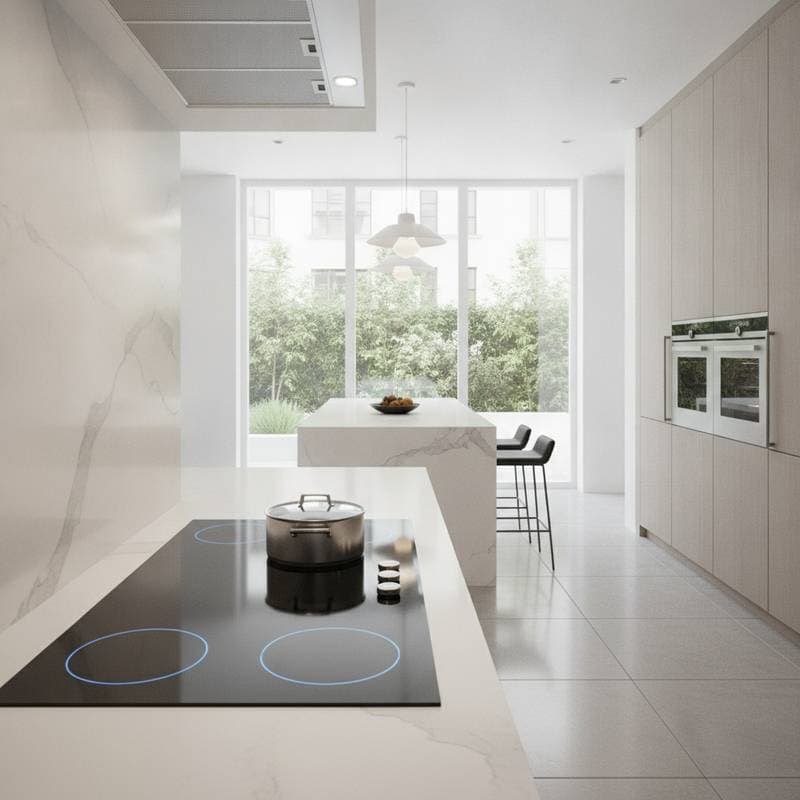
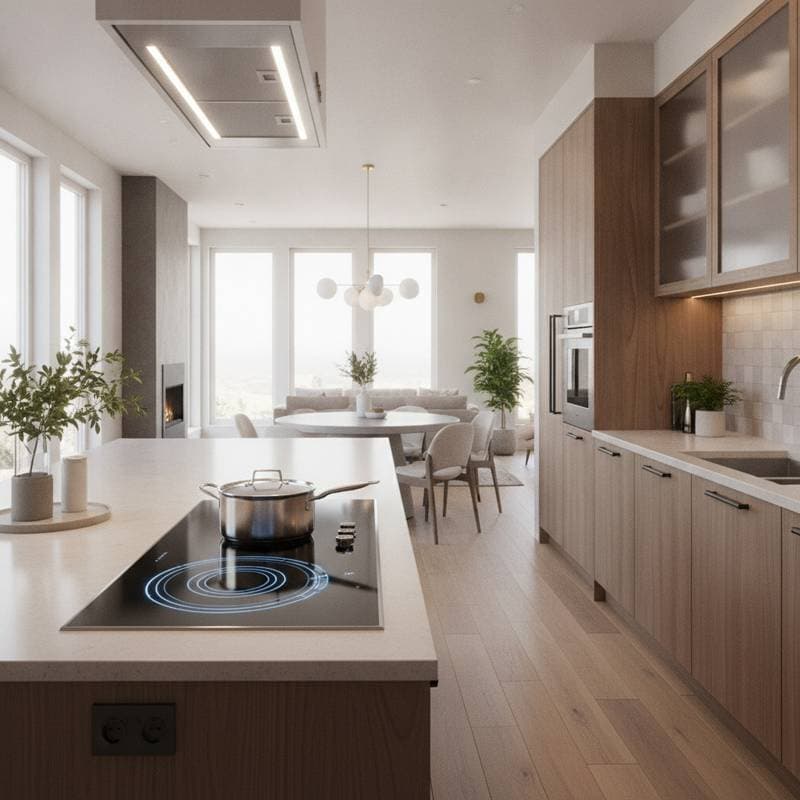
Induction cooktops present a sleek, minimalist appearance that complements quartz, granite, or solid-surface countertops. Without open flames or extensive ventilation needs, they allow greater design flexibility. Envision an island with a seamless surface where the cooktop blends invisibly when inactive.
Gas cooktops offer a timeless, professional look. Knobs, grates, and visible burners evoke tradition and capability. They integrate well in transitional or industrial kitchen styles. Installation requires a gas line and adequate ventilation, which may increase expenses, particularly in renovations or apartments.
Installation Costs Breakdown
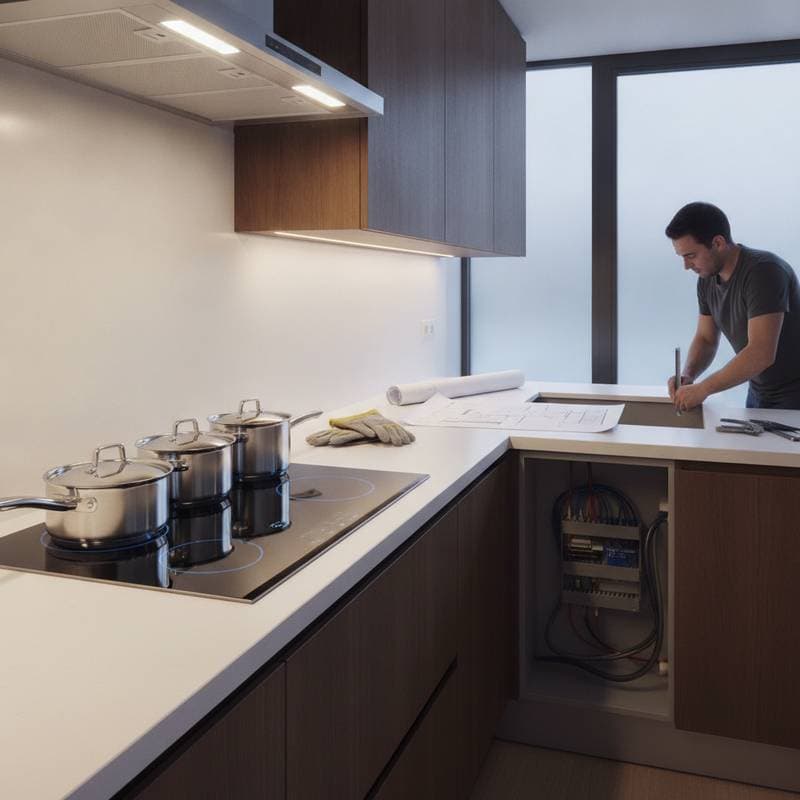
- Induction cooktop: An electrical upgrade might be necessary if existing wiring does not meet power demands. Anticipate costs of several hundred dollars for setup.
- Gas cooktop: Installation proceeds smoothly with an existing gas line. Adding a new line varies based on distance and accessibility, potentially ranging from $500 to $2,000.
In new constructions or extensive remodels, induction provides more adaptability. In older homes with gas infrastructure, retaining gas often proves practical.
Maintenance and Longevity
Gas burners require routine cleaning to prevent clogs in ports. Grates may discolor with use, and ignition components occasionally need repair. Induction cooktops feature fewer mechanical elements. The glass surface cleans easily with a damp cloth, simplifying upkeep for those who prefer avoiding intricate scrubbing.
Glass surfaces can scratch if heavy cookware slides across them. Lift pans instead of dragging to preserve the finish. Induction demands magnetic cookware; verify compatibility by testing pots with a magnet. If the magnet adheres, the cookware functions properly.
Both types offer durability exceeding 10 years with proper care. Induction models often include warranties covering glass breakage, while gas units benefit from serviced components to extend lifespan.
Insights from Professional Kitchen Transformations
In high-pressure environments such as television productions, requirements include visual impact, speed, and dependability. Induction cooktops serve as a reliable choice for on-camera demonstrations due to rapid heating, modern aesthetics, and safety for frequent adjustments. No cooldown periods or pilot light concerns arise.
Gas maintains an advantage for creating emotional engagement. Flames capture light effectively in visuals, symbolizing warmth and intensity. In practice, combining both proves effective: induction handles preparation and quick boils, while gas adds dramatic elements for searing tasks.
Homeowners can adopt a similar hybrid approach. An integrated induction surface supports everyday cooking, supplemented by a compact gas burner for specialized techniques, optimizing functionality.
Safety and Family Comfort
Safety considerations hold significant importance, particularly in households with children. Induction surfaces remain cool except directly beneath cookware. Absence of open flames eliminates residual heat risks. Removing a pot triggers automatic shutdown, enhancing parental confidence and minimizing accident potential.
Gas stoves operate safely with maintenance, yet involve flames and possible leaks. Ensure robust ventilation and schedule regular inspections. Contemporary gas models incorporate auto shut-off features, beneficial for active families.
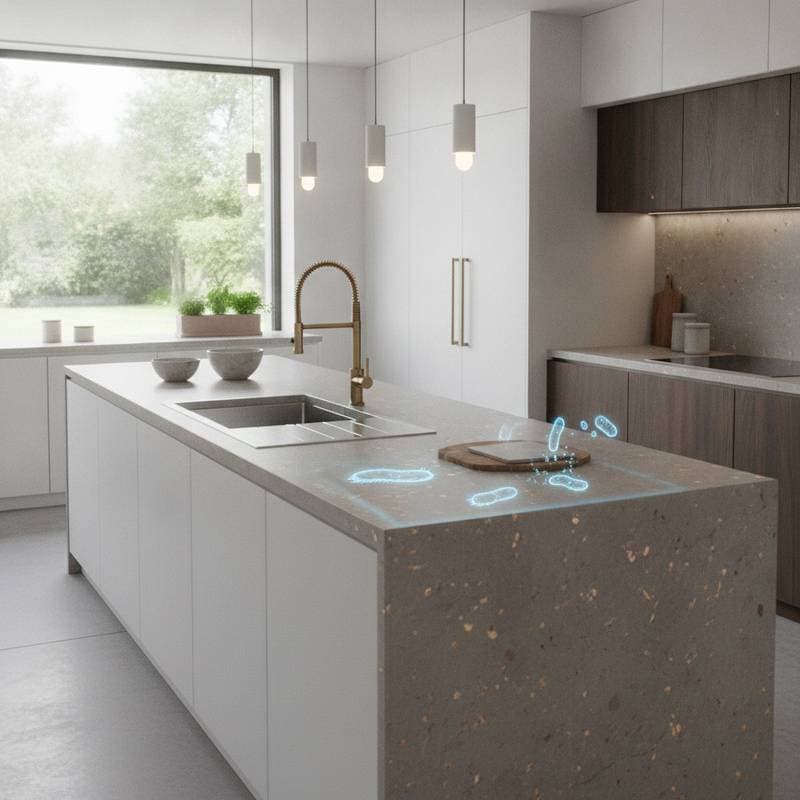
From a hygiene perspective, induction supports flush installations, eliminating crevices that trap debris. This design facilitates thorough cleaning and promotes a healthier kitchen environment.
Daily Use and Adaptation
After installation, users form distinct preferences. Some value the manual adjustments of gas, while others appreciate induction's consistent precision. The optimal kitchen encourages regular enjoyment.
For undecided individuals, test a portable induction unit over several weeks. These devices cost under $100, store compactly, and demonstrate energy benefits firsthand. Many users transition to full installations after experiencing the advantages.
Gas adherents should select models with sealed burners for easier maintenance and precise flame adjustment. Integrate a powerful range hood to control heat and vapors, improving overall comfort and efficiency.
Selecting and Implementing Your Choice
Induction excels in speed, energy conservation, safety, and indoor air quality. Gas retains strengths in intuitive control, aesthetic appeal, and compatibility with existing setups. Evaluate based on your cooking habits, home layout, and budget priorities. Consult local contractors for precise installation quotes, and consider rebates for energy-efficient appliances to maximize value.