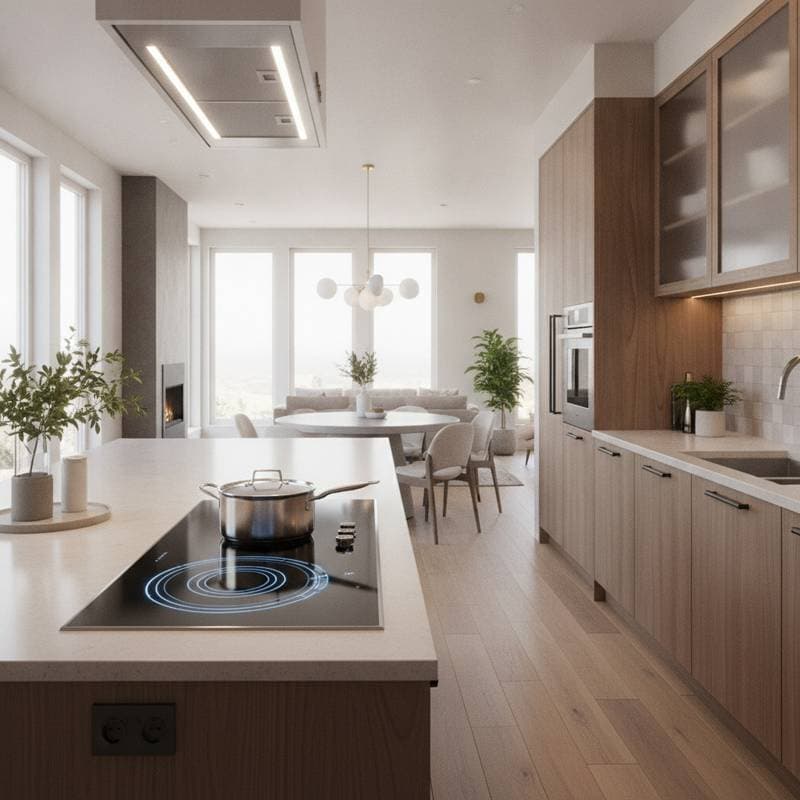
Introducing Japandi Wabi-Sabi in 2025 Kitchen Design
Japandi Wabi-Sabi represents a compelling evolution in kitchen aesthetics, merging Japanese minimalism with Scandinavian functionality and the Wabi-Sabi philosophy of imperfection. This style prioritizes simplicity, authenticity, and a deep connection to natural elements, fostering environments that promote serenity and mindful living. As homeowners seek sustainable and calming spaces, this trend gains prominence in both residential renovations and professional design projects.
The appeal lies in its versatility. Professionals observe its integration in diverse settings, from modest updates to comprehensive overhauls. By focusing on craftsmanship and restraint, Japandi Wabi-Sabi kitchens become enduring sanctuaries that support daily creativity and relaxation.
Core Design Principles
Natural Materials as the Foundation
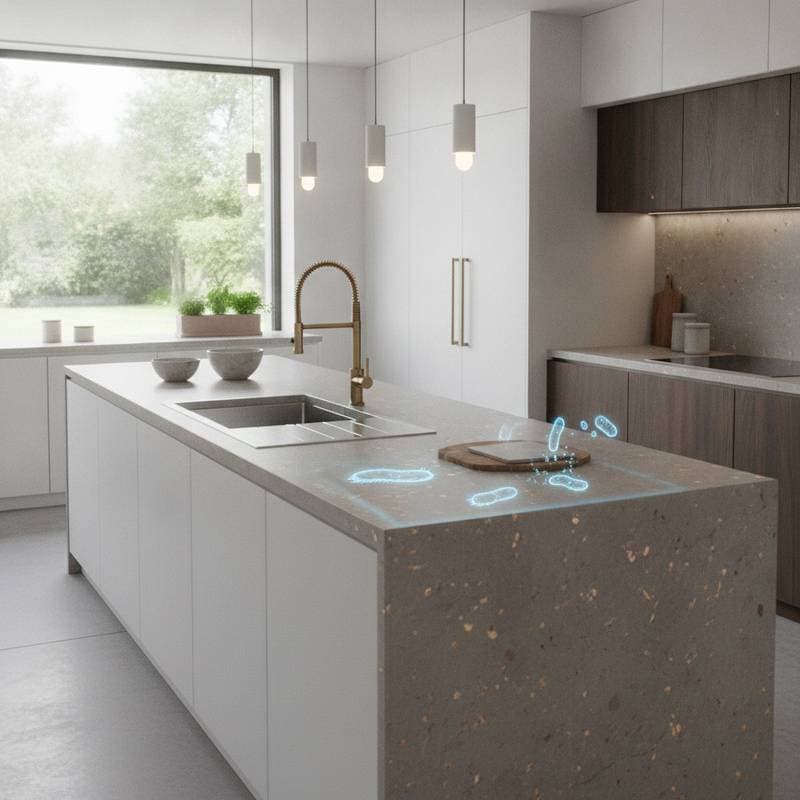
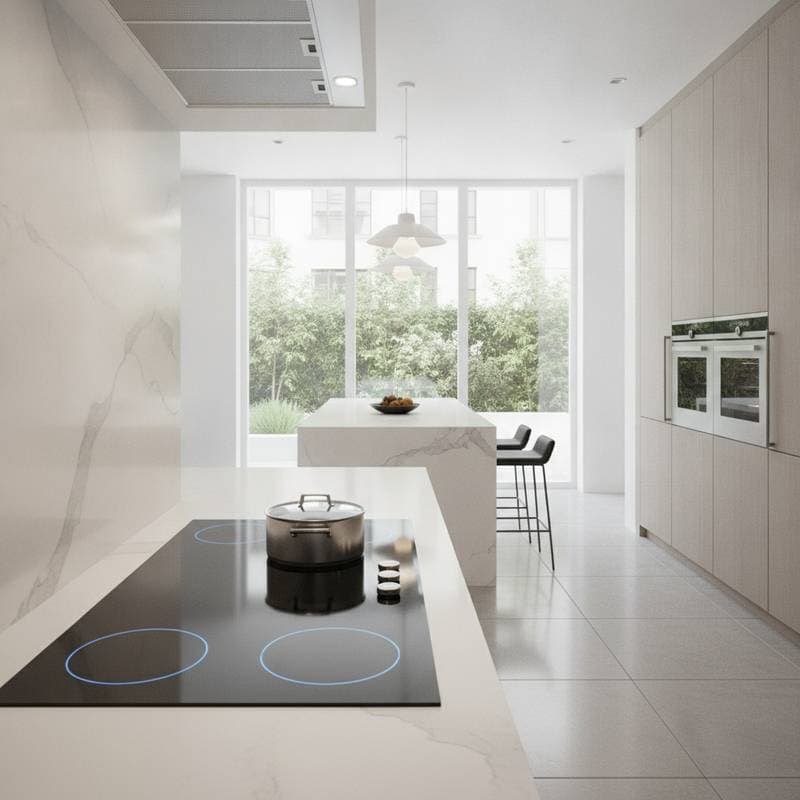
Select materials that evoke the earth's inherent qualities, such as light oak for cabinetry, matte-finish stone for countertops, and artisanal clay for backsplashes. These choices emphasize tactile surfaces where wood grain remains visible and stone retains subtle veining, avoiding any polished uniformity.
For budget-conscious implementations, opt for laminate surfaces mimicking wood grain or adhesive stone-effect tiles, which install with minimal tools and cost under fifty dollars per square foot. Mid-range options include bamboo cabinet fronts or reclaimed timber accents, promoting eco-friendliness while adding warmth. Luxury applications feature bespoke oak joinery paired with soapstone slabs, which develop a patina over time and require only mild soap for care.
Muted Color Schemes for Tranquility
Employ a palette of warm neutrals, including soft whites, pale grays, and earthy beiges, accented by subtle greens. These hues generate a soothing atmosphere without clinical starkness. Introduce depth through darker elements like charcoal cabinet pulls or olive-toned textiles.
To achieve balance, layer shades progressively: pair light wall paint with medium-toned wood elements and matte black hardware. Test samples in natural light to ensure harmony, as this prevents the space from appearing flat.
Intentional and Functional Layouts
Design layouts that prioritize utility, ensuring each component serves a clear role. Open shelving suits this aesthetic when curated sparingly, displaying only essential items like wooden cutting boards or ceramic vessels. Maintain clear countertops to enhance openness.
For additional storage without compromising airiness, combine concealed base cabinets with floating upper shelves. This configuration hides everyday items while preserving visual lightness. A practical alternative involves installing wall-mounted wooden planks using sturdy L-brackets, allowing customization with select pottery or baskets for under two hundred dollars.
Artisanal Touches for Authenticity
Incorporate handcrafted elements to infuse personality, such as unglazed clay dishware, braided natural fiber storage, or custom-glazed tiles. These additions counterbalance minimalism with subtle narrative depth.
Designers and makers find opportunities in this trend. Produce limited-edition ceramics or bespoke wooden fixtures, partnering with local artisans for unique hardware or lighting. Such collaborations yield items like hand-forged pulls that tell a story of skilled labor.
Celebrating Subtle Imperfections
Embrace organic variations as essential features. A wood knot, irregular edge, or brushed surface finish contributes to the design's character, distinguishing it from mass-produced alternatives.
This philosophy extends to practicality: minor wear from use enhances the patina, reducing the need for flawless upkeep. Select finishes like limed oak or honed granite that age gracefully, requiring simple dusting and occasional oiling to preserve their appeal.
Layering Textures for Depth
Textures form the narrative core of Japandi Wabi-Sabi, blending contrasts to create inviting spaces. Pair smooth elements, such as a polished concrete floor, with a coarsely woven jute area rug for grounded warmth. Similarly, contrast a sleek ceramic backsplash with rough-hewn wooden tools on an open shelf.
Extend this to soft furnishings: linen panels on matte metal rods soften window treatments. These juxtapositions invite touch, fostering a sensory experience that elevates comfort. In professional settings, such details translate effectively to visual media, ensuring the design captivates from multiple angles.
Aim for three to five texture types per zone, like combining linen, wood, and stone in the prep area. This method builds visual interest without overwhelming the minimalist framework.
Fostering Emotional Resonance
Beyond aesthetics, Japandi Wabi-Sabi kitchens cultivate emotional well-being. The design promotes a sense of grounding, where users feel nurtured amid daily routines. This stems from the intentional reduction of visual noise, allowing focus on meaningful activities like meal preparation or conversation.
Design practitioners note transformative effects: occupants exhibit relaxed postures and extended dwell times in these spaces. The style shifts emphasis from superficial display to personal refuge, aligning with broader movements toward sustainable, introspective living.
Opportunities for Design Professionals
This trend presents strategic avenues for those in the design field. Clients increasingly demand personalized, narrative-driven interiors that reflect authenticity. Develop offerings like eco-conscious cabinet systems or artisanal accessory collections to meet this need.
Forge partnerships with specialists in ceramics, textiles, and woodworking to co-create signature pieces. For instance, a series of reclaimed wood islands or hand-thrown sink basins can differentiate a portfolio. Emphasize storytelling in presentations: highlight the origin of materials, such as sustainably sourced oak from managed forests, to build client connections.
Sustaining and Evolving the Space
After implementation, allow the kitchen to mature organically. Imperfections from use, like subtle surface marks, enrich the design's authenticity. Regular maintenance involves natural cleaners and seasonal accessory rotations to sustain vitality.
Introduce gradual updates, such as a new woven basket or ceramic accent, to keep the environment fresh. This adaptive approach ensures the kitchen remains a living extension of the home, accommodating life's rhythms while upholding its serene essence.