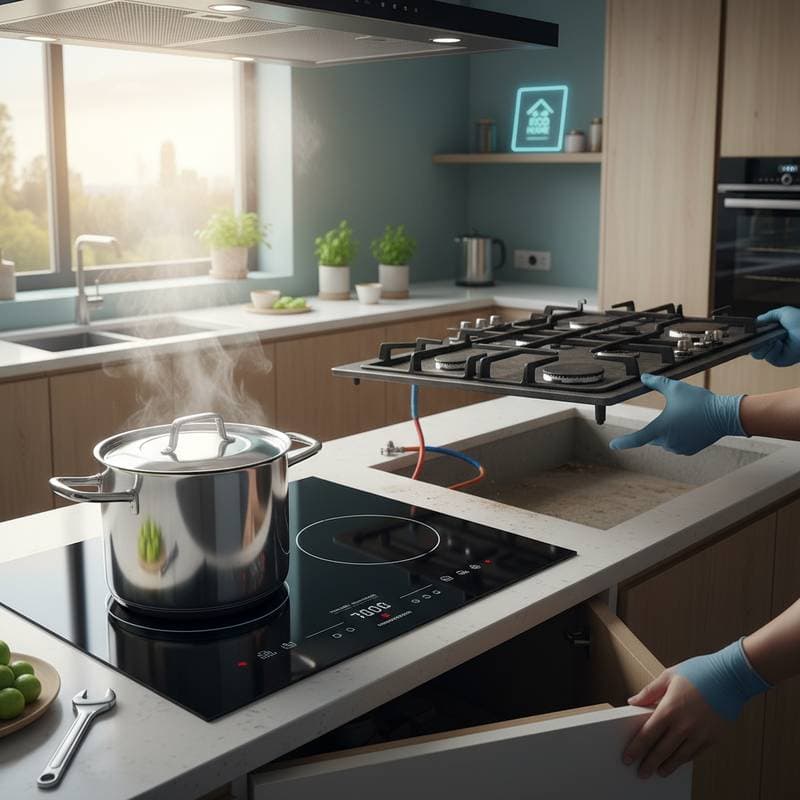
Induction Replaces Gas: Upgrade Your Kitchen Now
If you still cook on a gas stove, consider examining the advantages of induction technology. Homeowners often hesitate to switch from gas, fearing a loss of control or performance. As a remodeling contractor with years of experience, I assure you that such concerns prove unfounded. Induction cooktops deliver faster operation, cleaner results, safer use, and greater efficiency than gas alternatives. These features align with efforts to minimize indoor air pollution and energy consumption. The transition modernizes your kitchen while safeguarding your health and property value.
Why Gas Stoves Are Losing Ground
Gas stoves once represented the pinnacle of precision cooking. I installed numerous high-end gas ranges, and professional chefs long favored the visible flame for its responsiveness. However, invisible drawbacks undermine these benefits. Natural gas combustion releases nitrogen dioxide, carbon monoxide, and fine particulate matter into kitchen air. Even with a functioning vent hood, significant portions of these pollutants linger indoors. Over time, exposure contributes to poor indoor air quality, exacerbates allergies, and burdens HVAC systems with increased maintenance demands.
Health concerns aside, gas stoves exhibit clear energy inefficiency. Much of the flame's heat escapes around the cookware rather than transferring directly into it. This waste translates to elevated utility bills and excess kitchen heat. On hot days, gas ranges can raise ambient room temperatures by up to ten degrees Fahrenheit during cooking sessions. Consequently, air conditioning systems operate longer, driving up additional costs.
The Real Performance Advantage of Induction
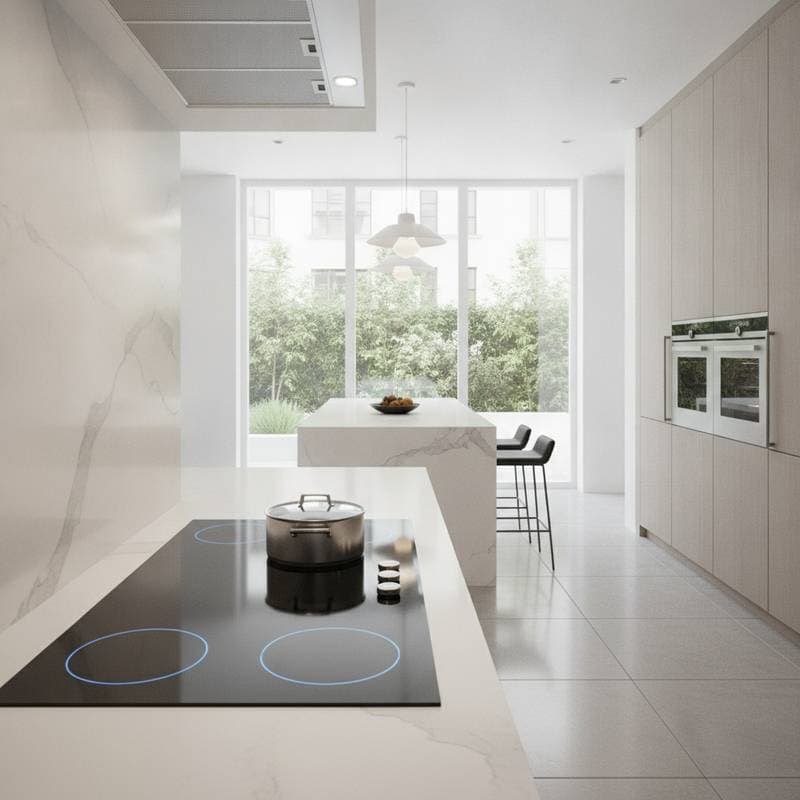
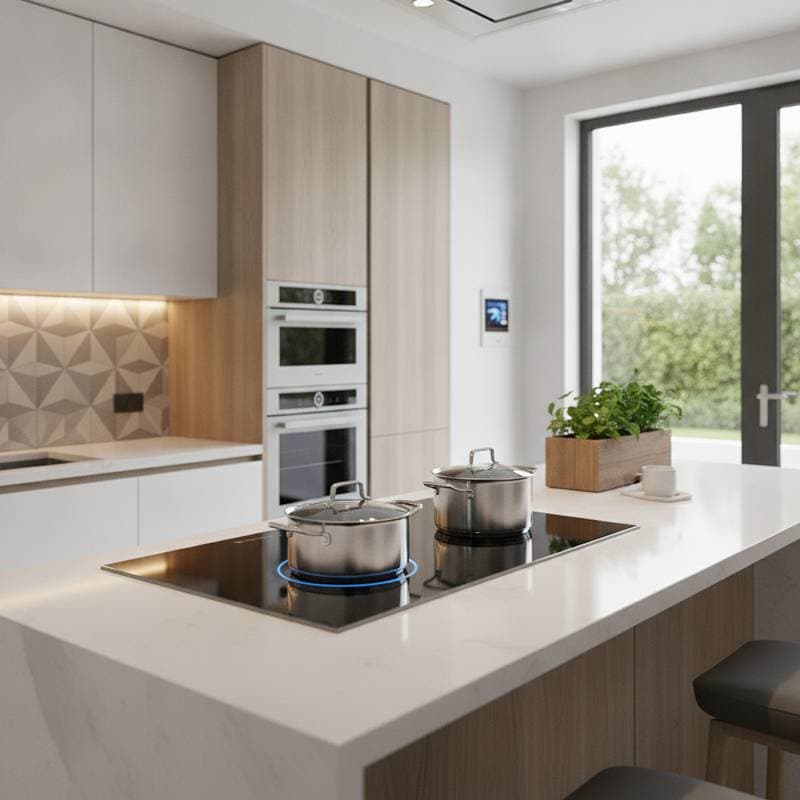
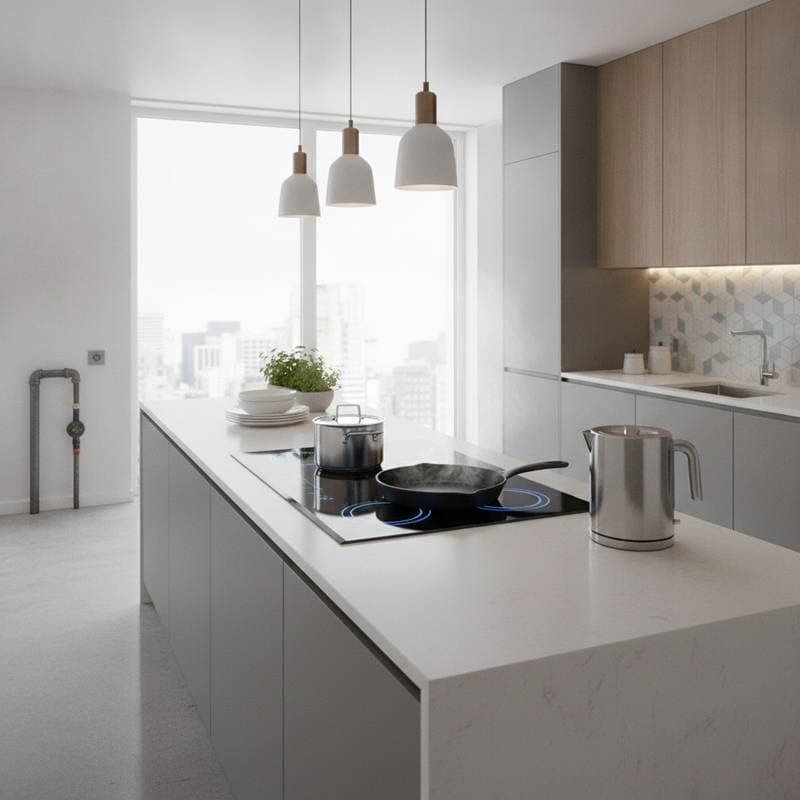
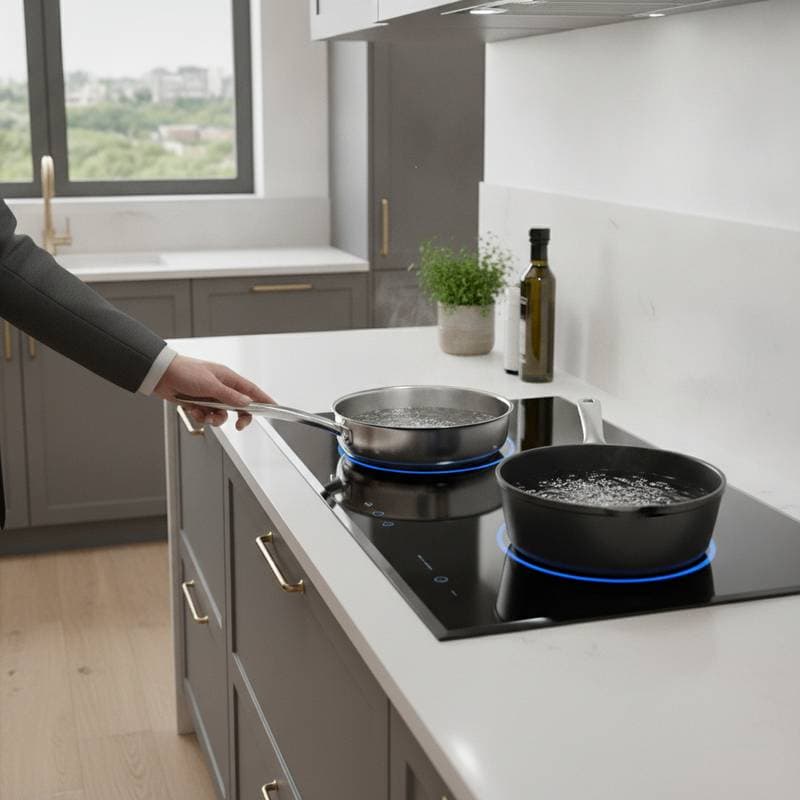
Induction cooktops generate heat through electromagnetic fields that target cookware directly, bypassing open flames or exposed coils. This method boils water in roughly half the time required by a comparable gas burner. Pans adjust instantly to temperature settings, while the cooktop surface remains cool to the touch outside the pot's contact area.
Control represents another key strength. Induction matches or exceeds gas in responsiveness; reducing the heat setting causes immediate cooling since the cookware serves as the heat source. Home cooks melt chocolate without burning it or maintain sauces at ideal simmers with minimal intervention. For those who enjoy cooking yet seek reduced hassle, this precision transforms daily routines.
Cleaner Kitchens and Easier Maintenance
Clients frequently report noticeably cleaner kitchens after adopting induction. Gas cooking deposits a greasy film on cabinets, walls, and countertops from combustion residues. This accumulation not only appears unattractive but also collects dust and causes surface discoloration over time. Induction avoids such issues entirely, as no combustion occurs.
Maintaining the cooktop proves straightforward. Spills rarely bake onto the surface, given that heat concentrates solely beneath the pan. A damp cloth suffices for most cleanups, often completing the task in moments. Homeowners typically halve their kitchen cleaning time following the switch.
Safety Matters More Than Most People Realize
During safety consultations, induction consistently emerges as a top recommendation. The surface activates heat only when compatible cookware contacts it directly. Removing the pan halts heating instantly, preventing forgotten burners or accidental burns from hot grates. Families with children or elderly members benefit greatly from this automatic shutoff.
Absence of open flames further reduces risks, such as igniting grease splatters or nearby fabrics. Without a gas line, concerns over leaks or carbon monoxide diminish. From an installation viewpoint, induction simplifies kitchen operations, ventilation, and future renovations by eliminating gas infrastructure constraints.
What It Takes to Convert From Gas to Induction
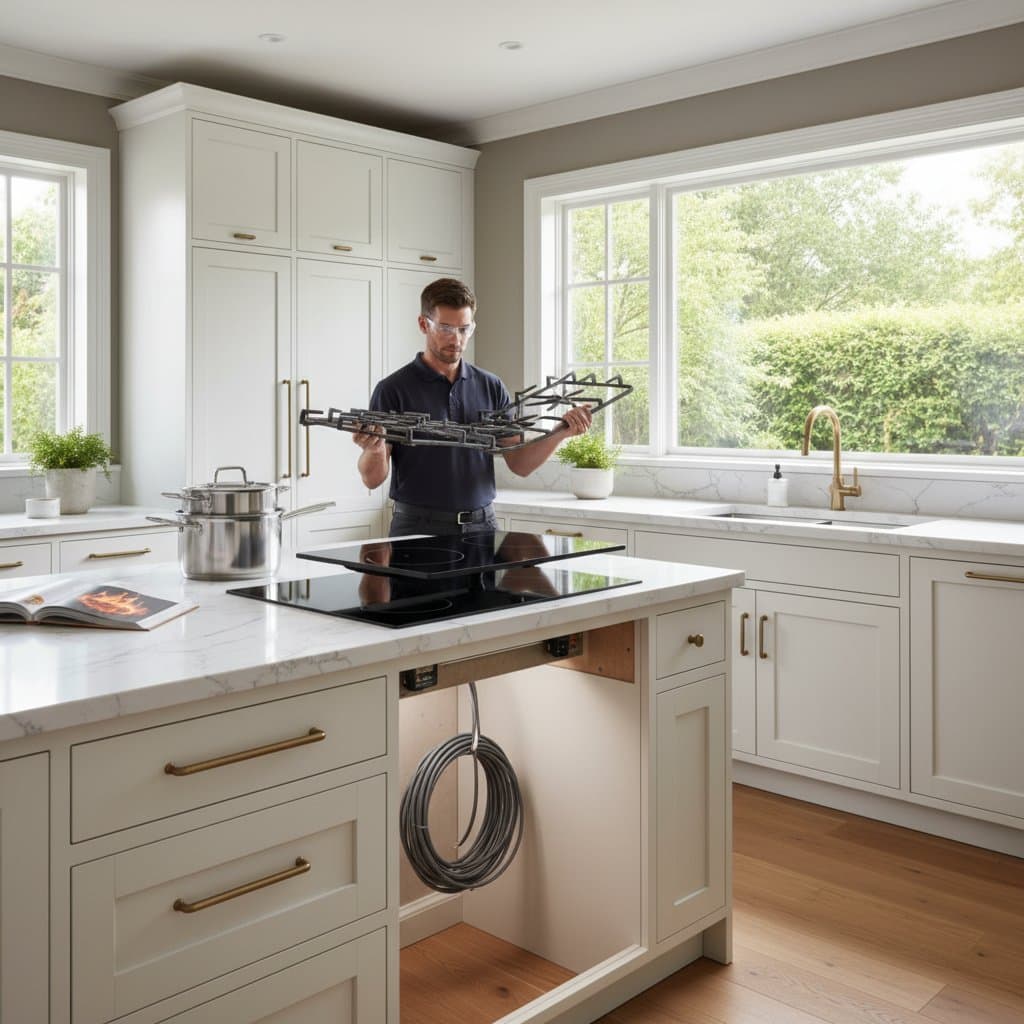
Converting from gas to induction requires careful preparation but remains straightforward. I guide clients through these essential steps:
-
Assess your electrical capacity. Induction models typically demand a dedicated 240-volt circuit. Older electrical panels might necessitate an upgrade by a qualified electrician, representing a worthwhile investment in home safety.
-
Cap and disconnect the gas line. Engage a licensed plumber to seal the line securely after removing the old stove. Avoid any DIY attempts, as even minor leaks pose severe dangers.
-
Choose compatible cookware. Induction requires magnetic materials; test by checking if a magnet adheres to the pan's base. Cast iron and most stainless steel perform well, while aluminum or copper pots need specialized induction-compatible bottoms.
-
Select the right cooktop size. Evaluate your cooking frequency and counter space. Standard options include 30-inch or 36-inch widths, accommodating typical kitchen configurations.
-
Plan ventilation accordingly. Induction minimizes heat and emissions, yet effective hoods or downdraft vents remain vital for managing steam and odors.
Adhering to these steps safeguards your setup and ensures seamless integration. Professional involvement in electrical and plumbing tasks prevents costly future repairs.
Financial and Long-Term Benefits
Initial induction costs exceed those of basic gas units, yet ongoing savings quickly balance the equation. Lower energy use cuts utility bills, while reduced cooling demands and simpler cleaning further economize. Mechanical reliability improves without burners or pilot lights prone to failure, minimizing service calls over the appliance's life.
Induction-equipped kitchens enhance property appeal. Prospective buyers value the inherent safety, efficiency, and contemporary aesthetic. In appraisals for my remodel projects, updated electrical systems and induction setups consistently elevate home valuations, indicating readiness for evolving energy norms.
Environmental and Regulatory Pressure on Gas
Building codes in various regions increasingly restrict gas appliances. Certain areas prohibit new gas connections outright. Proactive conversion positions you ahead of impending mandates, avoiding disruptive retrofits.
Electrifying your kitchen shrinks your household carbon emissions. This choice supports broader sustainability goals and may qualify for resale premiums through local green initiatives. As electrification trends accelerate, pre-adapted homes maintain competitive market positions.
Making It Happen
Schedule your kitchen remodel or stove replacement now to incorporate induction seamlessly. Consult a licensed electrician and remodeling professional to evaluate electrical capacity and design options. Inventory your cookware for compatibility assessments.
In my professional experience, induction establishes the current benchmark for secure, efficient, and hygienic home cooking. Clients from my projects universally express satisfaction and reluctance to revert. The system provides accelerated cooking, refined control, and an overall more pleasant kitchen atmosphere.