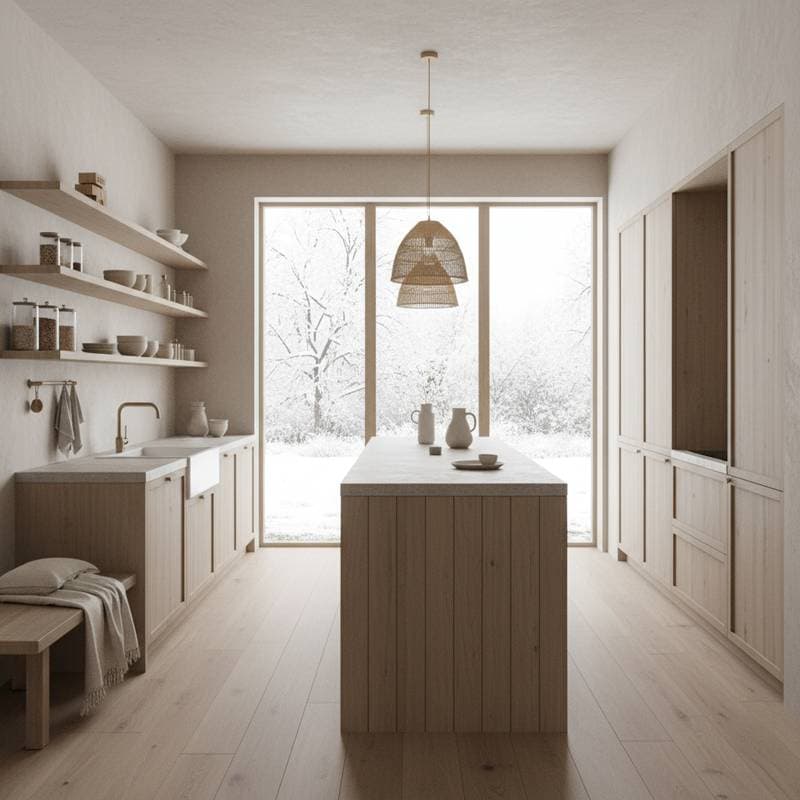
The Future of Kitchens: Japandi Takes Center Stage in 2025
The kitchen has long been a reflection of how people live, gather, and nourish themselves. As design evolves toward simplicity and authenticity, one hybrid aesthetic transforms the heart of the home. Japandi, the fusion of Japanese minimalism and Scandinavian warmth, emerges as the defining kitchen style. This approach represents more than a visual style; it embodies a way of living that values calm, craftsmanship, and connection.
The Essence of Japandi
At its core, Japandi combines the wabi-sabi appreciation for imperfection with the Scandinavian concept of hygge, or cozy simplicity. These elements create a balanced aesthetic that feels grounded yet uplifting. Kitchens in this style feature clean lines, natural materials, and subtle textures. Such designs invite serenity while preserving functionality.
To incorporate Japandi essence, start by selecting pieces that highlight natural imperfections, such as handcrafted wooden elements with visible grain. Pair these with soft lighting to enhance the cozy atmosphere. This foundation sets the stage for a space that nurtures daily routines.
Neutral Foundations
Color in a Japandi kitchen remains understated. Designers select soft, desaturated tones like mushroom gray, chalk white, and pale taupe. Walls in Farrow and Ball’s Skimming Stone or Benjamin Moore’s Revere Pewter provide a quiet backdrop. These shades capture light gently and foster a sense of stillness that aligns with everyday cooking rhythms.
For practical application, test paint samples in natural daylight to ensure they harmonize with surrounding elements. Layer these neutrals with wooden accents to add warmth without overwhelming the palette. This approach maintains visual calm while supporting practical use.
Natural Materials and Honest Craft
Wood forms the backbone of the Japandi palette. European oak, ash, and walnut feature in cabinetry, shelving, and furniture. Danish designer Cecilie Manz describes wood as a living material that breathes with the space. Japanese architect Kengo Kuma echoes this by celebrating the poetry of timber joinery.
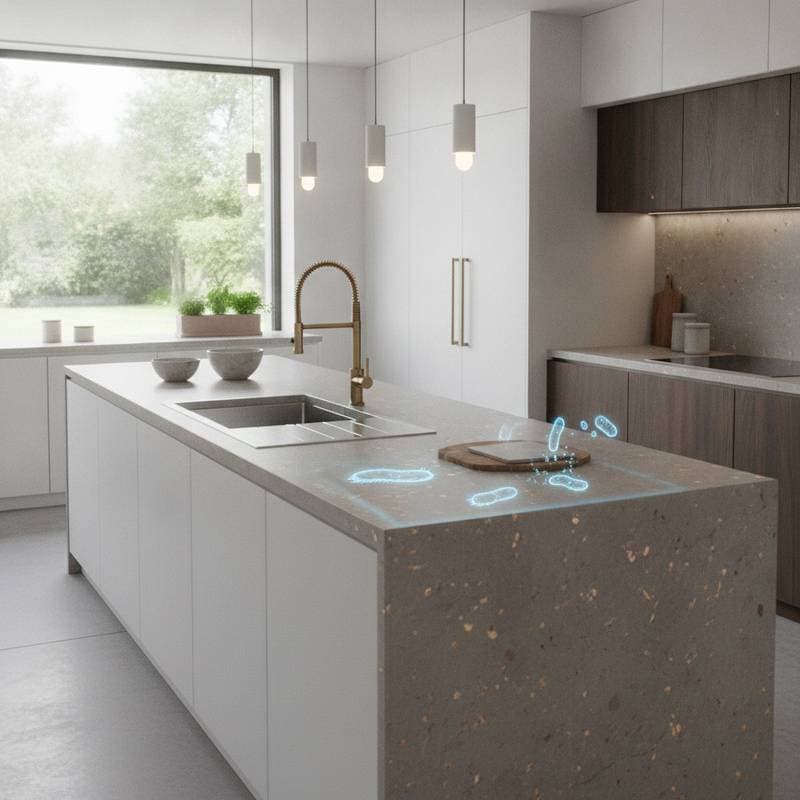
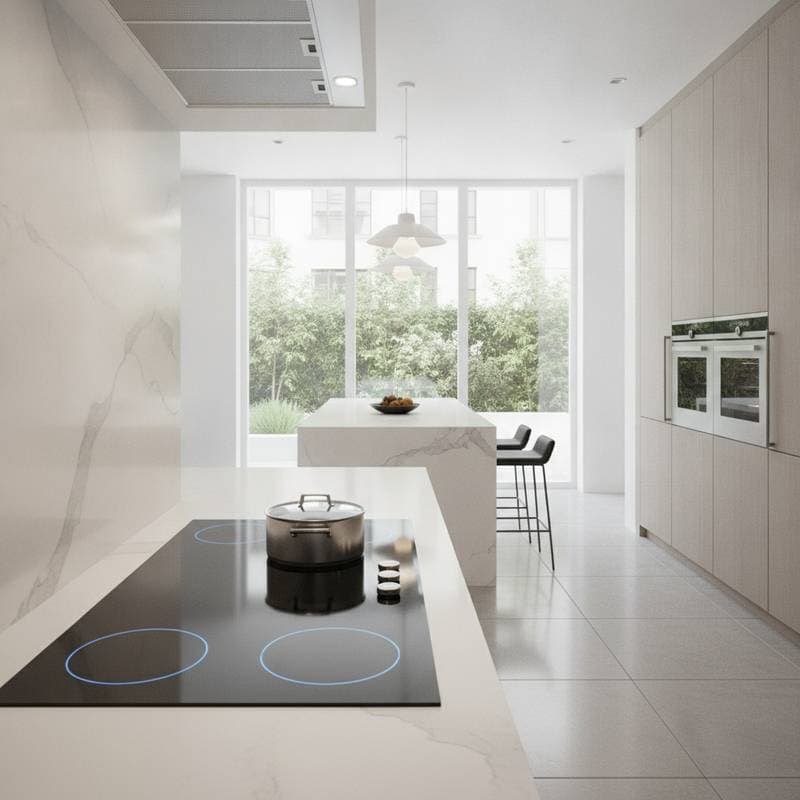
In kitchen settings, opt for matte finishes that showcase grain patterns and remind users of human craftsmanship. Choose countertops in honed marble or soapstone for tactile contrast. Their subtle veining reflects the imperfection valued in Japanese design philosophy.
To source materials, prioritize suppliers offering reclaimed or sustainably harvested options. Install these elements to allow natural patina development over time. This choice ensures durability and aesthetic evolution.
Minimal Hardware, Maximum Function
Restraint defines Japandi kitchens. Cabinetry includes integrated pulls or slim matte black handles that blend into the wood grain. This design keeps the visual field uncluttered. Storage solutions hide behind flush fronts to prioritize functionality.
The outcome is a space that appears effortless but proves deeply intentional. Select hardware in non-reflective finishes to avoid glare during meal preparation. Organize drawers with modular dividers for efficient access to utensils and ingredients.
Open Shelving and Curated Displays
Designers replace upper cabinets with open shelving in solid oak or bamboo. These shelves display ceramics, handmade bowls, and linen-wrapped jars in tonal palettes. Each item contributes to the overall composition.
Tokyo-based ceramicist Yumiko Iihoshi’s muted glazes and Copenhagen’s Menu tableware collections suit these arrangements. They infuse the space with artisanal character. Curate displays by grouping items by function or color to maintain order amid openness.
Rotate seasonal pieces to keep the display fresh while adhering to minimalism. This practice encourages mindful selection and prevents accumulation of unused items.
Lighting with Purpose
Japandi lighting emphasizes softness and intention. Pendant fixtures with rice paper shades or white opal glass diffuse light evenly. They produce a warm halo instead of harsh beams. Designers like Norm Architects and Nendo create sculptural yet understated forms.
These pieces highlight the interplay between light and material. Pair them with concealed LED strips under shelving for added depth. During evening hours, this layered approach fosters intimacy and reduces eye strain.
Install dimmable options to adjust brightness for different activities, from cooking to conversing. Position fixtures to illuminate work areas without casting shadows on countertops.
Sustainable Choices
Sustainability aligns seamlessly with Japandi philosophy. Designers choose FSC-certified woods, recycled stone composites, and low-VOC finishes. The emphasis falls on longevity rather than fleeting trends.
A kitchen in this vein endures aesthetically and physically. Verify certifications when purchasing materials to support ethical practices. Opt for energy-efficient appliances that integrate with the natural aesthetic.
Plan for modular components that allow future adaptations without full replacements. This strategy minimizes waste and extends the design’s relevance.
The Role of Texture
Texture adds dimension to the neutral palette. Linen seat cushions, matte ceramic tiles, and brushed brass fixtures introduce subtle variation. A backsplash in handmade zellige tiles from Clé Tile offers tactile shimmer that changes with light.
In Japandi kitchens, touch holds equal importance to sight. Select fabrics and surfaces that invite interaction during daily use. Mix textures sparingly to avoid visual chaos.
Test combinations in the actual space to ensure harmony. This step guarantees that textures enhance rather than compete with the serene backdrop.
The Flow of Space
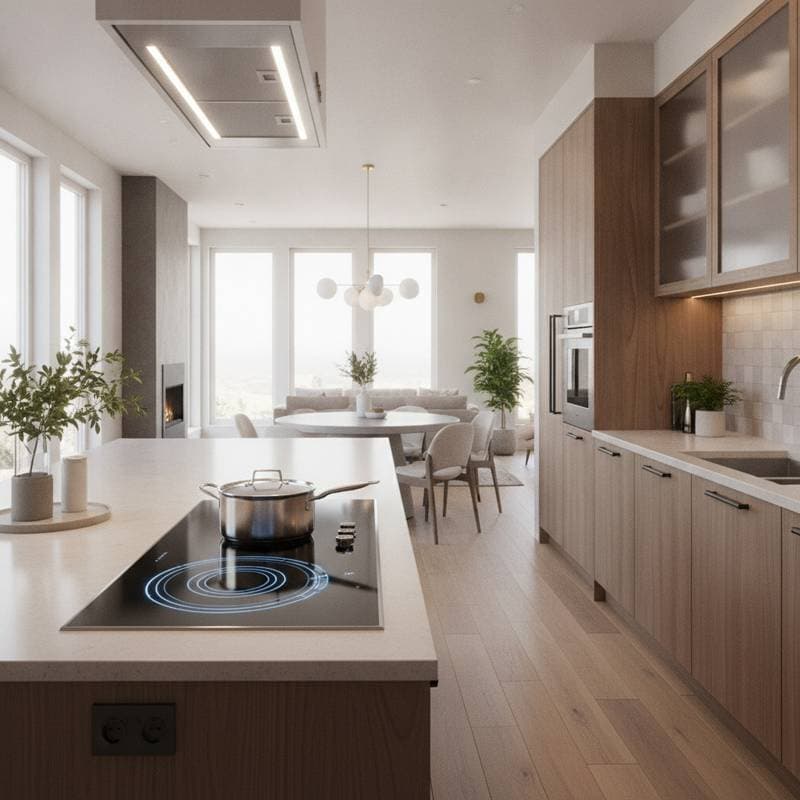
Open-plan living shapes kitchen design, but Japandi maintains quiet separation. Sliding shoji-style screens or slatted wood partitions delineate zones without isolation. This setup enables fluid transitions between cooking, dining, and living areas.
Family life unfolds naturally in such environments. Position partitions to direct natural light while preserving privacy. Use low-profile furniture to reinforce the open yet defined layout.
Embracing Daily Rituals in Japandi Design
A Japandi kitchen avoids perfection. It welcomes daily rituals, from morning coffee to unhurried evening meals, that engage the senses. Over time, wood develops patina, stone acquires softness, and objects accumulate stories.
Homeowners find refuge from clutter in this thoughtful restraint. Japandi provides a blueprint for balance, beauty, and the quiet joy of living well. By prioritizing mindful choices, these spaces nurture well-being and inspire lasting harmony.