Why Japandi Wabi-Sabi Dominates Kitchen Design in 2025
The kitchen remains the heart of the home, and in 2025, one design trend commands attention: Japandi Wabi-Sabi. This aesthetic fuses Japanese minimalism with Scandinavian coziness, while honoring the beauty of imperfection. It transcends mere decoration to embody a philosophy of authenticity and serenity.
Professionals who have crafted numerous kitchens for media and residential projects recognize its versatility. The style translates seamlessly from high-end renovations to modest updates in rental spaces. It inspires environments that prioritize intention, ease, and personal resonance.
Embracing Imperfection in Kitchen Elements
Wabi-Sabi philosophy posits that true beauty lies in transience and flaws, rather than flawless uniformity. In kitchen design, this principle manifests through elements that reveal natural variations and histories. Such details forge a genuine connection between the space and its inhabitants.
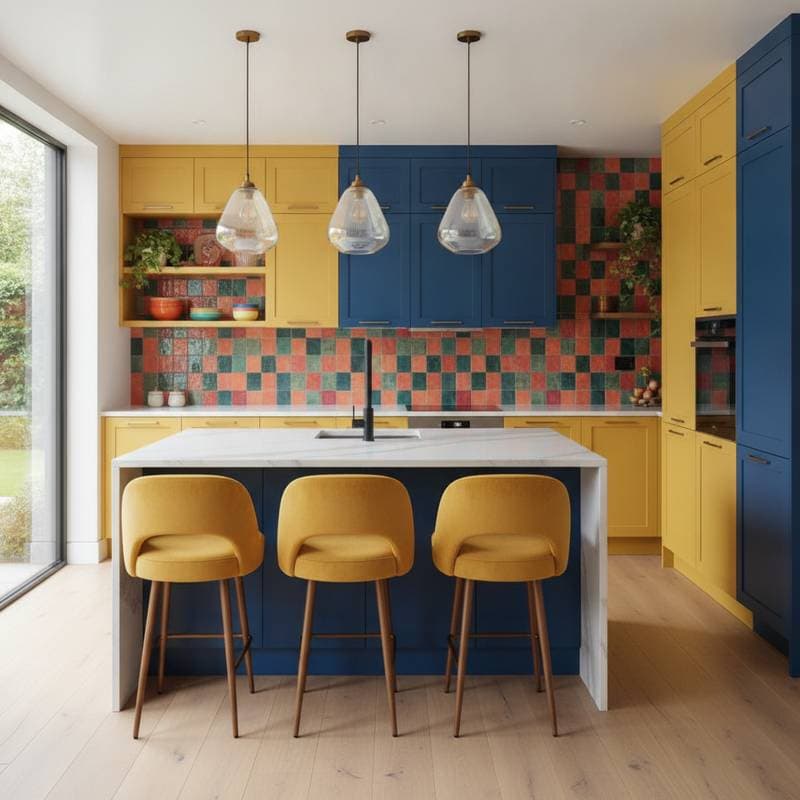
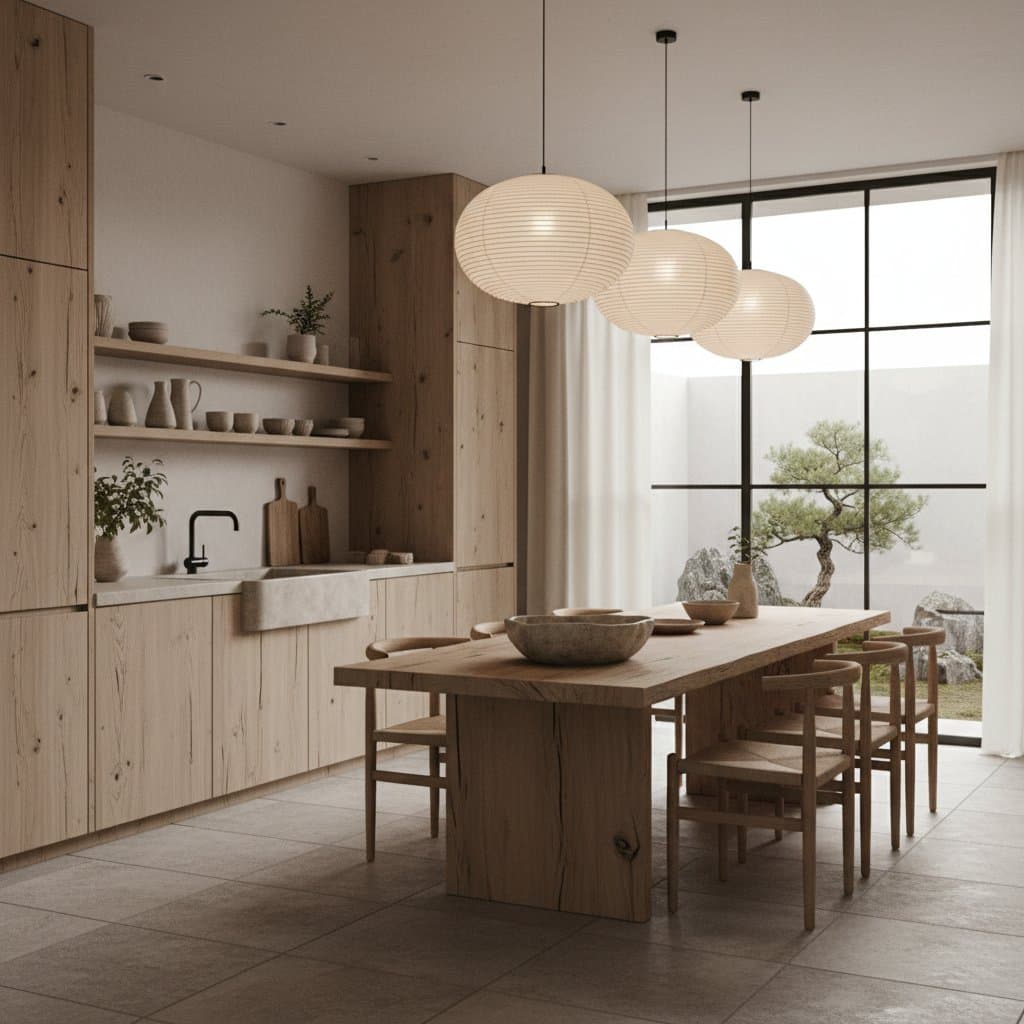
Consider incorporating a ceramic backsplash with tiles that exhibit subtle irregularities in color and shape. Reclaimed wood countertops, bearing knots and grains from their origins, add depth without overwhelming the composition. For a recent television feature, vintage hardware sourced from markets provided character that enhanced both visual appeal and narrative.
Budget constraints need not hinder adoption. Seek out:
- Handcrafted tiles with organic variations
- Refurbished furniture pieces customized through sanding or staining
- Open shelving supported by exposed brackets or live-edge shelves
- Patina-developing metals such as brass fixtures or iron accents
These choices often prove more economical than bespoke fabrication, yet they impart a profound sense of narrative. Each imperfection narrates a tale, integrating seamlessly into daily life.
Layering Light for Serenity
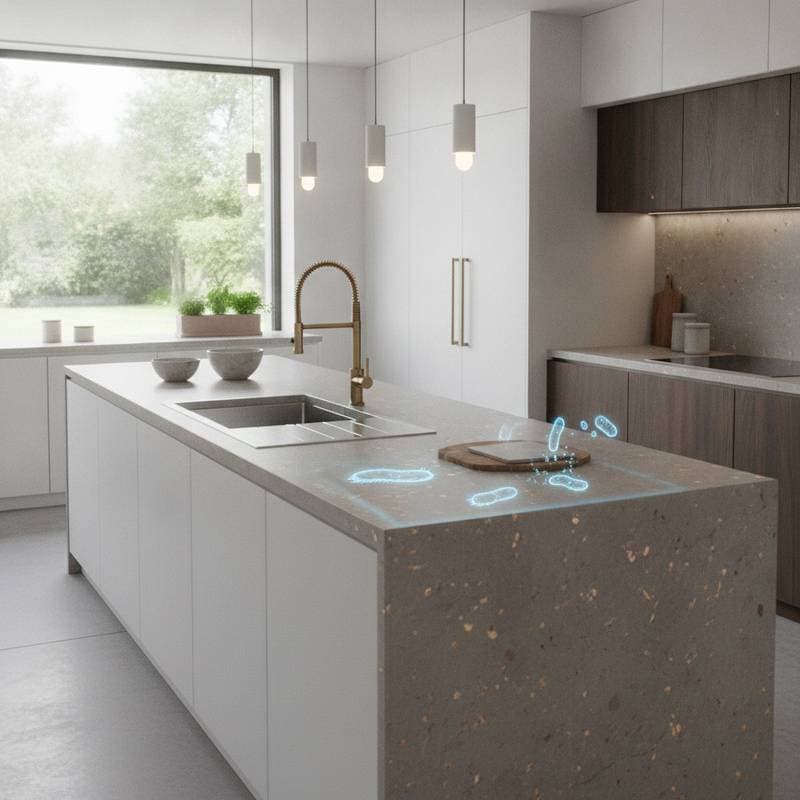
Effective lighting in a Japandi Wabi-Sabi kitchen evokes natural diffusion, blending ambient, task, and accent sources. Harsh overhead fixtures disrupt the calm; opt instead for diffused options that harmonize with organic textures.
Rice paper lanterns or woven fiber pendants serve as ideal overhead features, emitting a soft radiance that accentuates wood grains and stone surfaces. Complement these with under-cabinet LED strips to ensure functionality during preparation tasks. This combination achieves equilibrium between aesthetics and utility.
For cost-effective enhancements, select bulbs with warm color temperatures to temper starkness. Installing a dimmer switch allows nuanced control, amplifying the tranquil atmosphere with minimal investment.
Implementing Japandi Wabi-Sabi Across Budgets
Japandi Wabi-Sabi adapts fluidly to varying financial scopes, emphasizing purposeful selections over extravagance. The following strategies outline implementation at different tiers.
Entry-Level (Under $300):
- Apply a muted neutral paint to cabinetry
- Update hardware with brushed metal or wooden pulls
- Introduce open shelving using untreated wood boards
- Incorporate thrifted pottery for display and utility
Intermediate ($300 to $1,500):
- Install countertops mimicking concrete textures
- Hang linen drapes or upholstery covers
- Upgrade to a faucet in brushed brass
- Feature a backsplash of artisanal tiles
Premium ($1,500 and Above):
- Select authentic stone or solid timber cabinetry
- Commission bespoke lighting or cabinetry elements
- Apply natural plaster or limewash to walls
At each level, the focus remains on deliberate choices that cultivate enduring appeal.
The Appeal of Japandi Wabi-Sabi in Contemporary Living
In an era marked by constant stimulation, individuals seek refuge in tranquil environments. Japandi Wabi-Sabi kitchens provide this sanctuary, promoting mindfulness amid routine activities. The design encourages presence over perfection, fostering a sense of gratitude in everyday use.
Media productions benefit similarly; sets in this style elicit immediate viewer affinity, conveying comfort and relatability. Homeowners and designers value its ecological merits, as reliance on reclaimed and natural resources minimizes environmental impact. This timeless quality ensures relevance beyond fleeting trends.
Sustaining and Evolving Your Kitchen Space
Upon completion, allow the Japandi Wabi-Sabi kitchen to mature organically. Woods acquire richer tones, metals gain subtle patinas, and ceramics develop faint marks from use. These evolutions enrich the space, aligning with Wabi-Sabi tenets.
Maintain intentionality while permitting flexibility. Place fresh herbs in a crafted vessel or drape a linen cloth for utility. Engage the kitchen through cooking and gatherings, letting it adapt to your rhythm.
Authentic design prioritizes reality over ostentation. Japandi Wabi-Sabi delivers tranquility, intention, and elegance, whether for professional showcases, permanent residences, or temporary refreshes.