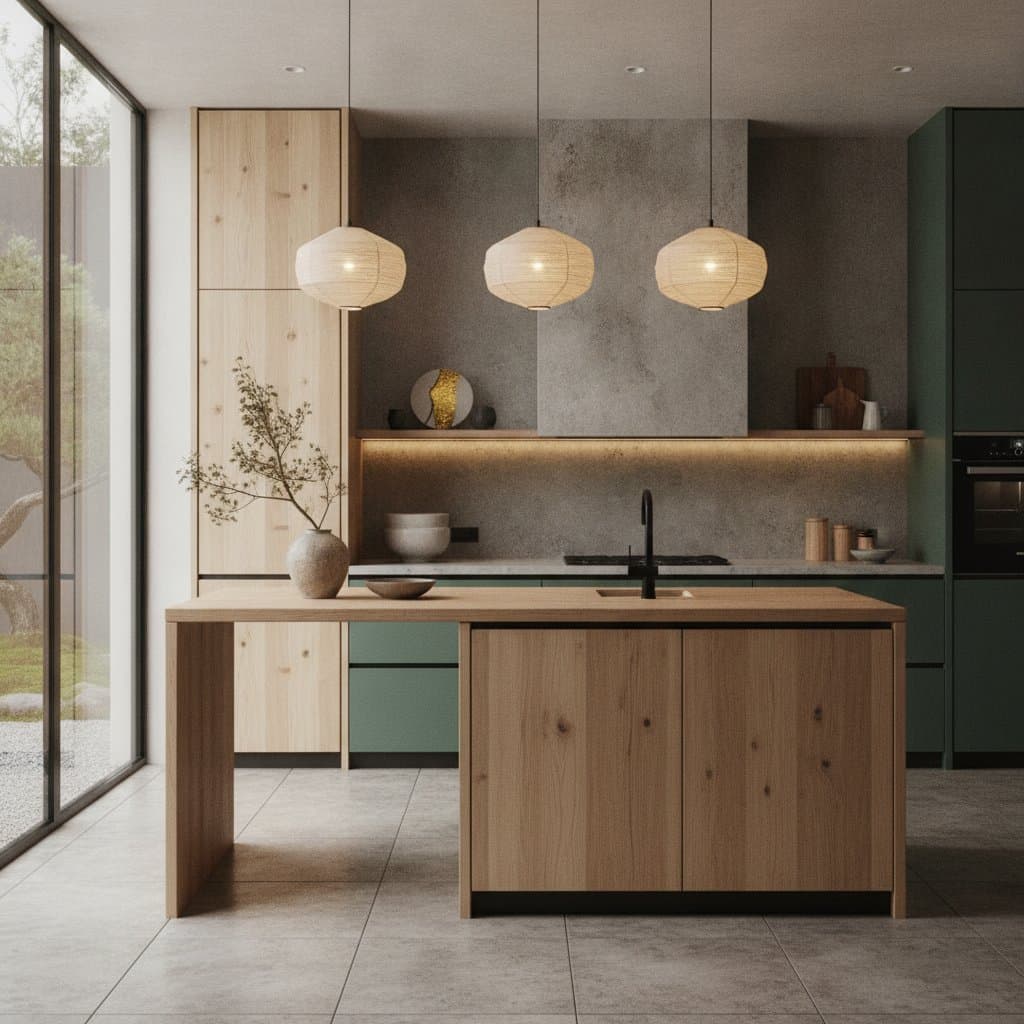
2026 Kitchens Fuse Japandi Style With Wabi-Sabi Charm
Homeowners are moving away from flashy kitchen trends. They seek quieter, more intentional spaces grounded in craftsmanship. The upcoming wave of kitchen design blends the clean precision of Japanese minimalism with the warmth of Scandinavian simplicity. This combination, known as Japandi, now carries an extra layer of authenticity drawn from Wabi-Sabi, the Japanese philosophy of beauty in imperfection. The result is a kitchen that feels lived-in, calm, and effortlessly balanced.
As a remodeling professional, I have seen this shift firsthand. Homeowners tire of sterile spaces that look good in photos but feel cold in daily life. They want kitchens that function well, age gracefully, and tell a story through materials and textures. This design philosophy delivers exactly that outcome.
The Core of Japandi Design
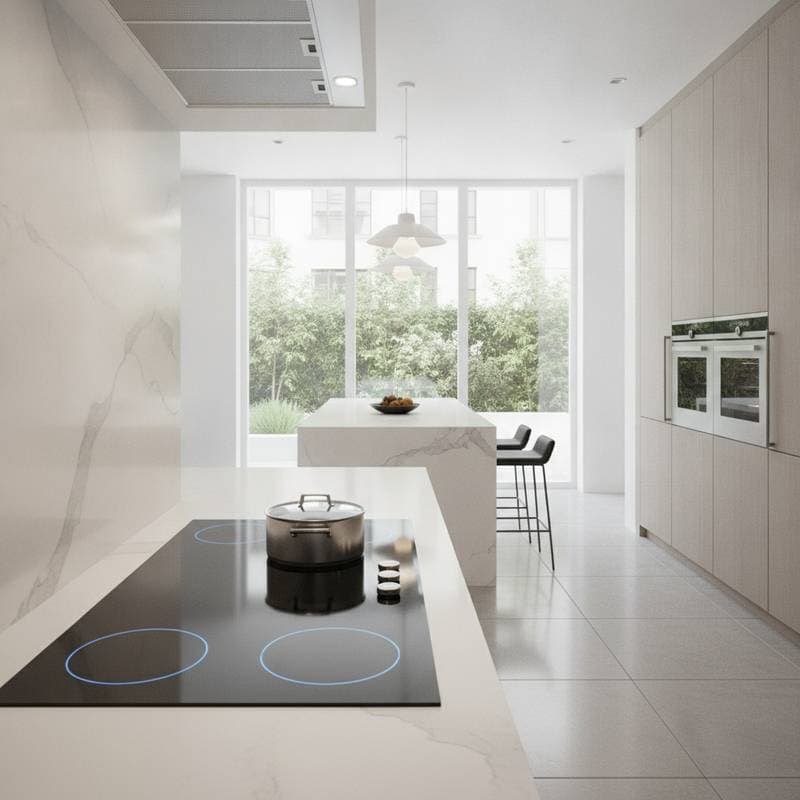
Japandi kitchens rely on a balance between restraint and warmth. The layout stays simple. Surfaces remain uncluttered. Every element serves a purpose. The color palette leans toward muted neutrals such as soft taupe, warm beige, and natural wood tones. Lighting stays subtle and functional rather than decorative.
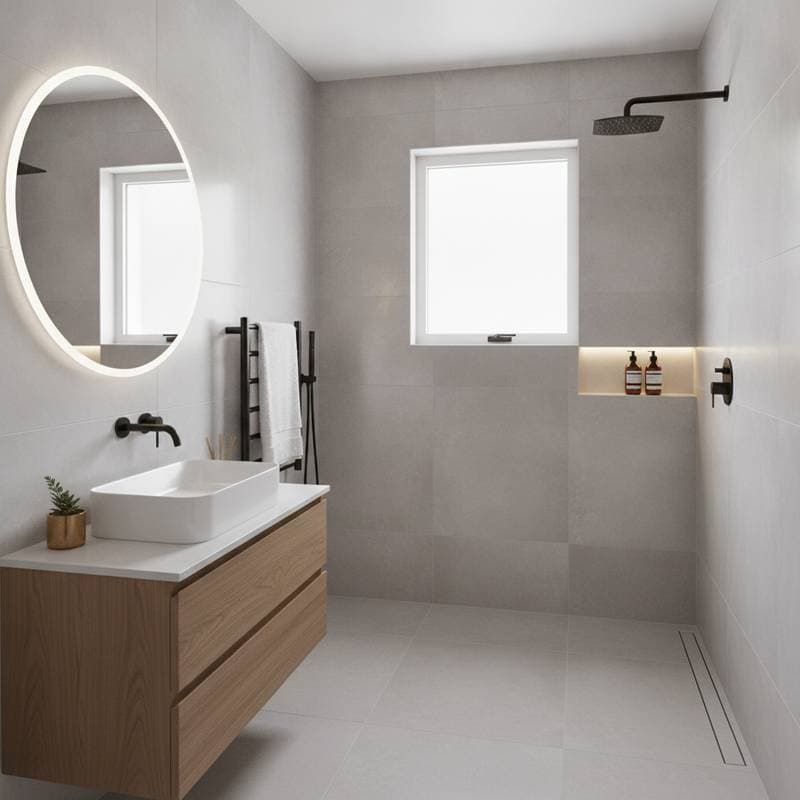
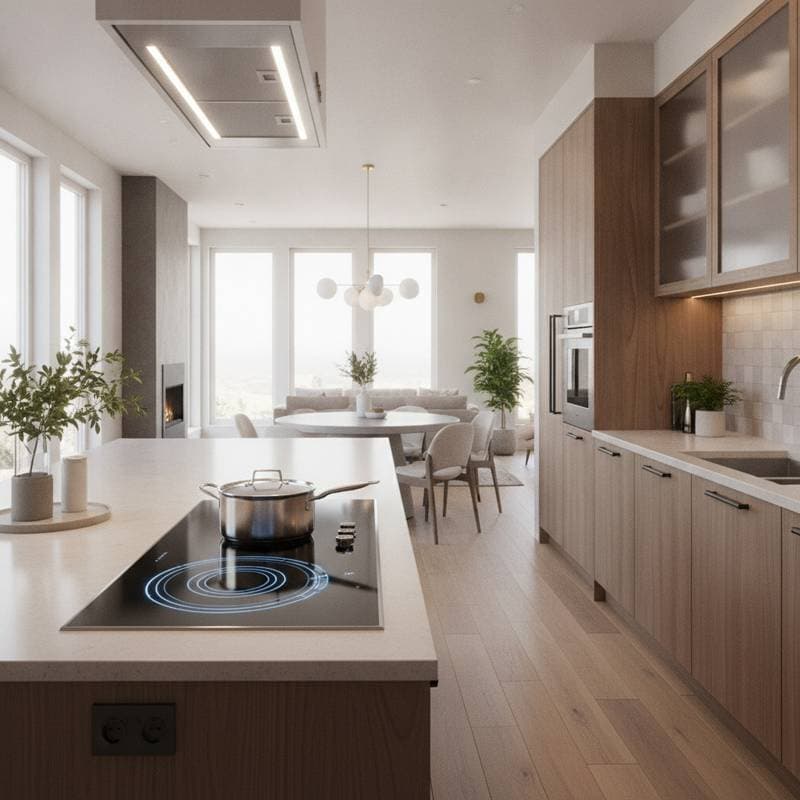
In my projects, I often recommend combining light oak cabinets with matte black fixtures and handmade ceramic tiles. This mix feels modern yet human. The materials improve with age, which fits the Wabi-Sabi mindset. A small scratch in a wooden countertop or slight variation in a tile glaze becomes part of the story instead of something to hide.
Wabi-Sabi: The Soul Behind the Style
Wabi-Sabi adds emotional depth to the Japandi look. It celebrates the imperfect and the impermanent. This approach offers a refreshing break from the glossy perfection often pushed by design magazines. In practice, that means choosing materials that show their natural character.
For example, I worked on a project where the homeowner wanted marble countertops. Instead, I suggested soapstone, which develops a soft patina over time. The subtle marks and shifts in color added warmth and authenticity. This is Wabi-Sabi in action, turning normal wear into beauty.
This approach also helps manage expectations. Homeowners who understand the Wabi-Sabi philosophy stress less over every small ding or stain. They appreciate that a home is a living environment, not a museum display.
Materials That Matter
The most successful Japandi kitchens rely on honest materials. Natural wood, stone, clay, and linen appear frequently. Synthetic surfaces stay minimized. Finishes remain matte or lightly textured.
Consider these material recommendations that fit this design direction:
- Cabinetry: Select oak, birch, or ash with a natural or lightly stained finish. Avoid high-gloss treatments.
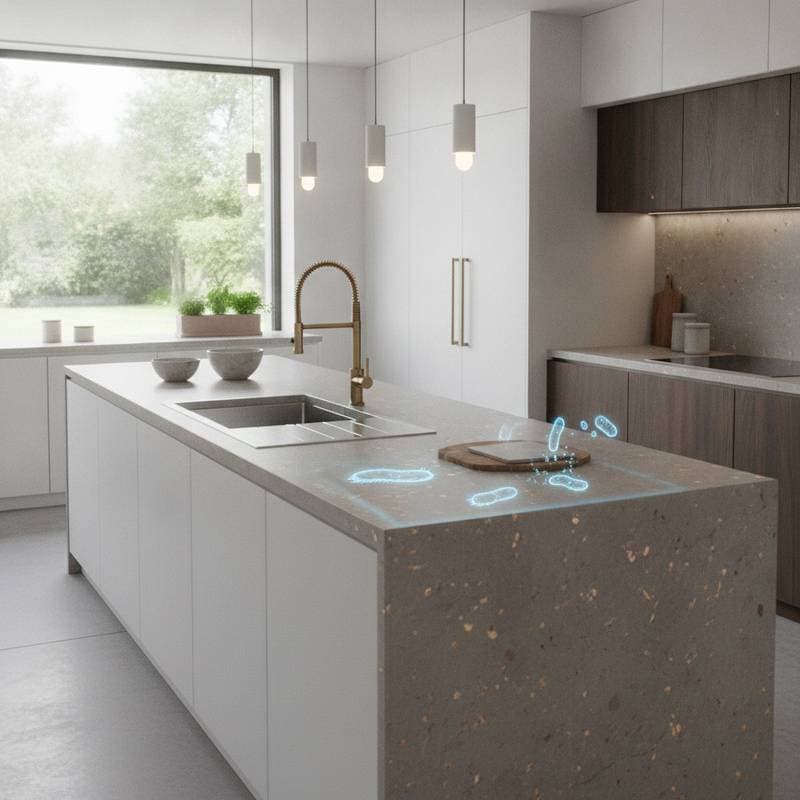
- Countertops: Choose soapstone, honed granite, or concrete. They age beautifully and handle daily use.
- Flooring: Install wide-plank wood or natural stone tile to keep the look cohesive and grounded.
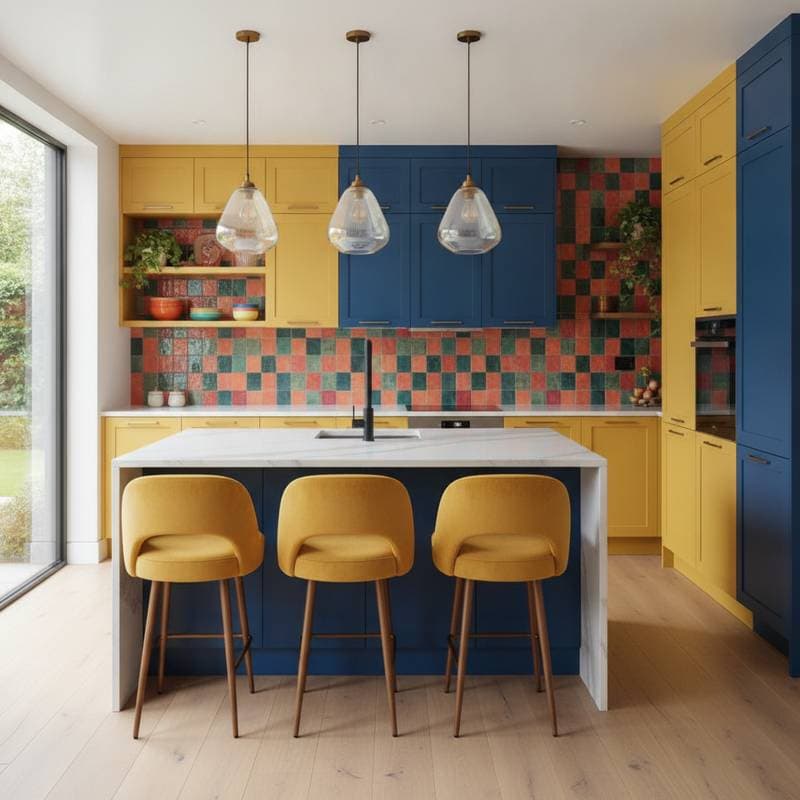
- Backsplash: Use handmade tiles or plaster to create subtle texture without visual noise.
- Hardware: Add blackened steel, brushed brass, or aged bronze for understated character.
These materials look authentic and stand up to real cooking life. As a contractor, I always caution clients to choose surfaces they can live with, not ones they must constantly maintain.
Function With Flow
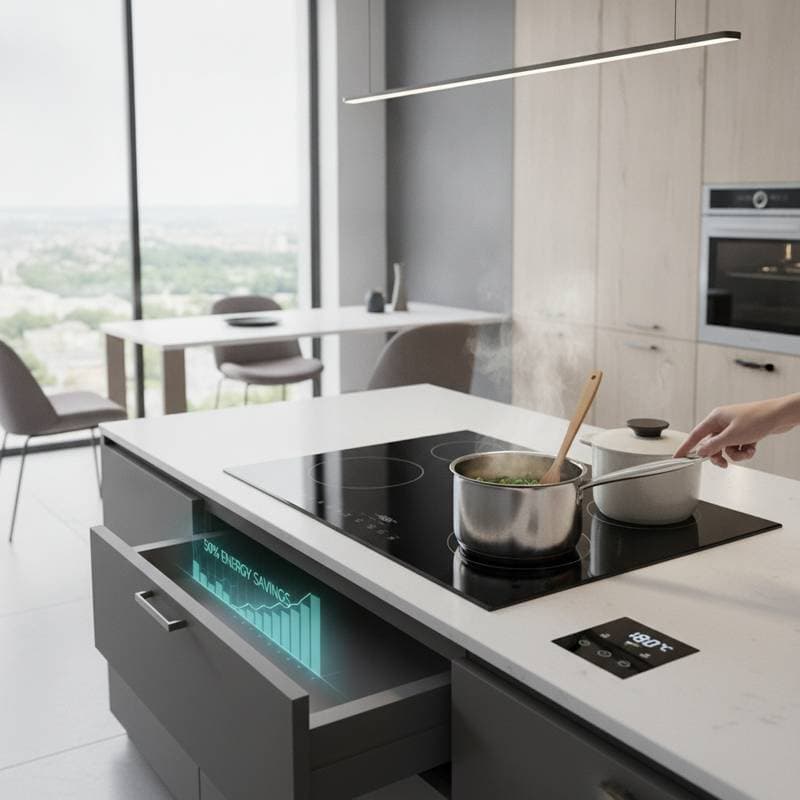
Japandi design values efficiency and ease of use beyond appearance. The kitchen layout should promote smooth workflow between prep, cooking, and cleaning zones. Storage must stay organized but not excessive.
In one recent remodel, we removed upper cabinets on one wall and replaced them with open shelving. This change opened the space visually. It encouraged the homeowner to keep only what they actually used. A small pantry nearby handled the rest. The result was a lighter, calmer workspace that still functioned beautifully.
Creating Balance Through Light and Texture
Lighting defines the mood of a Japandi kitchen. Natural light works best, supported by warm, diffuse artificial light. Avoid harsh overheads. Use concealed LED strips under cabinets or pendant lights with linen shades instead. The goal is gentle illumination that flatters the materials.
Texture holds equal importance. Pair smooth countertops with rough plaster or woven textiles. Contrast light wood with dark stone. These subtle shifts make the space feel layered and alive without clutter.
Maintaining Your Investment
A Japandi kitchen built with Wabi-Sabi principles lasts both structurally and aesthetically. Follow these steps to preserve it:
- Oil wood surfaces regularly to preserve their natural tone.
- Accept small imperfections as part of the charm rather than damage.
- Clean with mild, natural products that protect finishes.
- Reevaluate storage annually to keep clutter at bay.
This design style rewards mindfulness and care. It creates a space that grows with you over time.