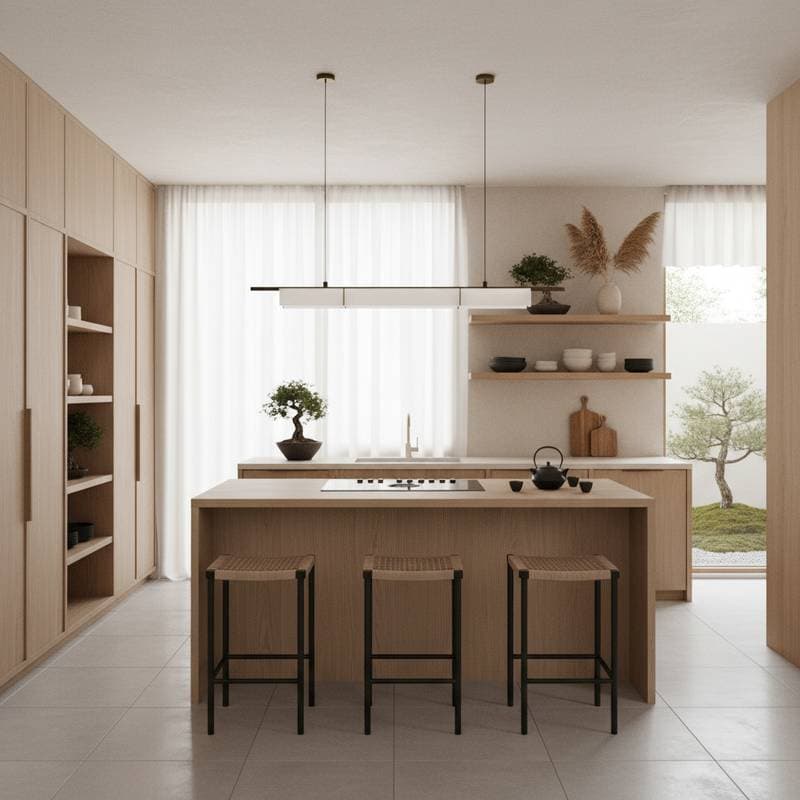
Japandi Kitchens: The 2025 Fusion of Serenity and Functionality
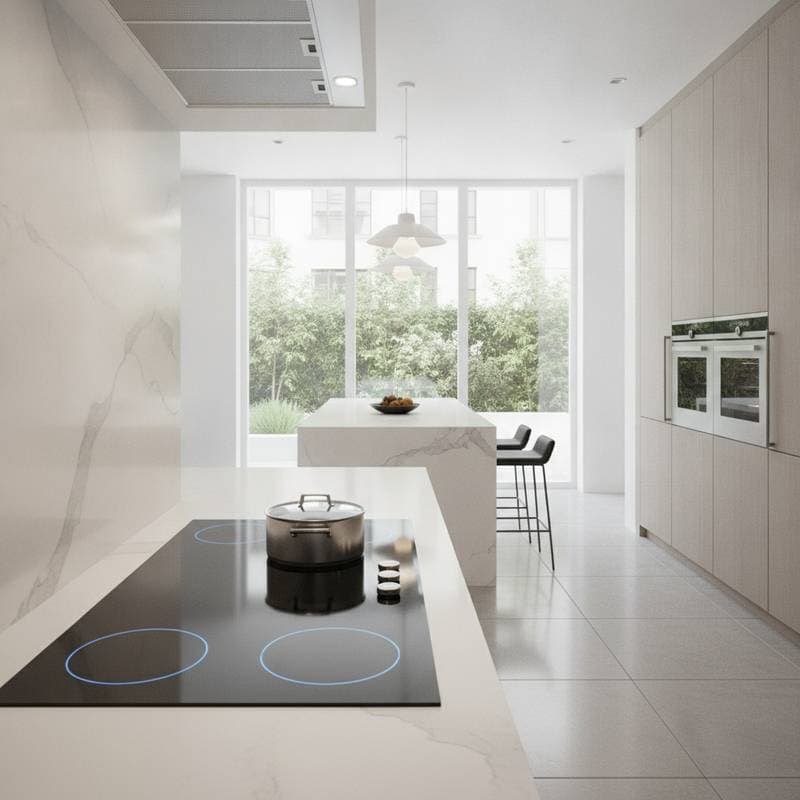
The kitchen serves as the core of the home, where aesthetics intersect with everyday routines. Japandi design introduces a harmonious approach by integrating Japanese principles of serenity with Scandinavian emphasis on utility. This style prioritizes skilled workmanship, subtle elegance, and inviting warmth, resulting in kitchens that ground users while inspiring elevation.
Foundations in Harmony and Balance
Japandi embodies a commitment to equilibrium through thoughtful proportions, organic materials, and serene organization. The Japanese concept of wabi-sabi, which honors imperfection and transience, aligns seamlessly with the Scandinavian ideal of hygge, fostering coziness and contentment. These elements combine to form spaces that exude understated beauty, modesty, and profound solace. To incorporate this, select cabinetry with asymmetrical layouts that echo natural forms, ensuring visual calm without rigidity.
Authentic Materials for Tactile Appeal
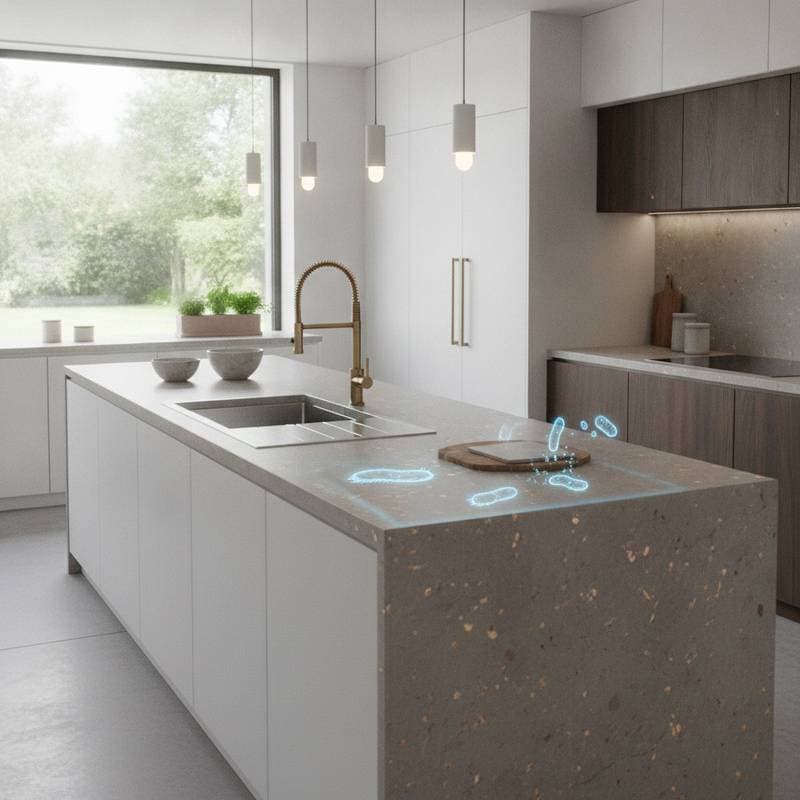
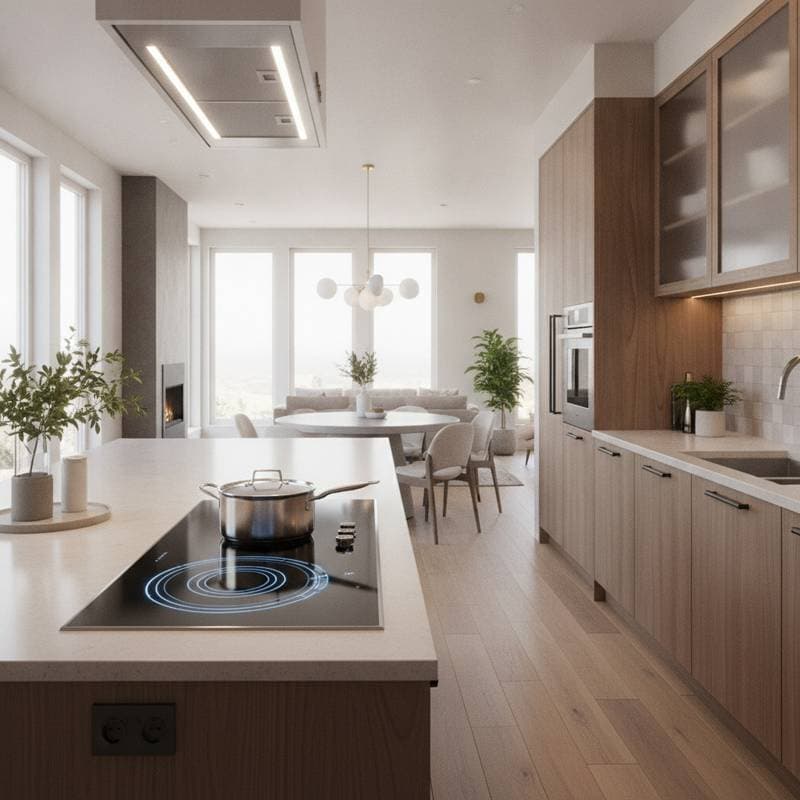
Authenticity drives material selection in Japandi kitchens. Opt for European white oak cabinets finished with matte oil for a soft, durable surface. Pair these with honed Basaltina stone countertops, which offer a matte texture resistant to daily wear. Introduce ceramic tiles in subdued clay hues, like Farrow & Ball’s Elephant’s Breath, to provide layered interest. These choices encourage interaction, as each surface reveals subtle variations under touch, enhancing the sensory experience of preparation and gathering.
Warm Minimalism to Soften Restraint
Minimalism in Japandi avoids cold sterility by incorporating gentle textures and tones. Light woods, linen accents, and rounded furniture edges infuse softness into clean lines. As designer Mariko Tanaka of Studio Kanso notes, “A Japandi kitchen should calm the mind but still make you want to cook.” Maximize natural light through large windows and layer neutral fabrics on stools or aprons. This approach elevates simplicity, turning essential spaces into havens of refined comfort.
Intentional Functionality Through Craft
Every element in a Japandi kitchen serves a deliberate purpose, blending efficiency with ritual. Choose drawer pulls in brushed nickel or blackened brass for ergonomic grip and subtle patina over time. Install open shelving from rift-sawn oak to display handcrafted pottery or glassware, keeping frequently used items accessible. Position cutting boards and tea kettles within arm’s reach to streamline workflows. Such arrangements foster a meditative atmosphere, where tasks become seamless extensions of daily life.
Subtle Color Palettes Inspired by Nature
Colors in Japandi kitchens evoke quietude, drawing from earthy inspirations like warm grays, stones, sands, and soft sages. Apply Benjamin Moore’s Revere Pewter or Little Greene’s French Grey to cabinetry for versatile depth. These selections prevent visual overload while highlighting wood grains and stone veining. For accents, integrate pale green herbs in planters to introduce living color, maintaining harmony and supporting a tranquil backdrop for culinary creativity.
Layered Lighting for Ambient Glow
Effective lighting enhances the Japandi mood without overwhelming. Layer sources strategically: suspend rice paper or hand-blown glass pendants over islands for diffused warmth, and embed LED strips beneath shelves for task illumination. Avoid direct glare by using dimmable fixtures that adjust to evening routines. This setup creates inviting pools of light, ideal for both precise chopping and relaxed dining, while underscoring the space’s serene character.
Expressive Craftsmanship in Details
Japandi honors artisanal skill through visible techniques like precise joinery and exposed wood grains. Mortise-and-tenon connections in cabinetry showcase durability and human touch. Collaborations between Japanese woodworkers and Nordic designers, such as those from Norm Architects and Keiji Ashizawa Design, exemplify this synergy. To replicate, seek custom pieces with hand-planed edges, allowing the kitchen to tell a story of meticulous creation and timeless appeal.
Sustainable Practices as Core Ethos
Sustainability forms the bedrock of Japandi, prioritizing enduring quality over fleeting trends. Source FSC-certified timber for framing and shelving, recycled stone for surfaces, and low-VOC finishes to minimize environmental impact. These materials align with cultural values of resourcefulness and respect for nature. Design for adaptability, such as modular cabinetry that accommodates future needs, ensuring the kitchen evolves gracefully and reduces waste over decades.
Bridging Indoors and Nature
Japandi dissolves boundaries between kitchen and environment. Install sliding panels reminiscent of shoji screens to frame outdoor vistas, facilitating seamless transitions. Place herb planters on sunlit sills or integrate built-in gardens for fresh ingredients. Natural materials like bamboo accents or linen curtains further this connection, attuning the space to seasonal shifts. Residents gain a sense of rootedness, transforming cooking into an extension of the natural world.
Serenity as the Ultimate Indulgence
Amid constant stimulation, Japandi kitchens provide luxury through restraint and presence. They encourage pauses during tea brewing or meal assembly, where unadorned forms reveal inherent grace. Select matte porcelain vessels or handwoven linen textiles to reinforce this ethos. The result is a sanctuary that nurtures well-being, proving that true opulence lies in intentional simplicity.
Bringing Japandi into Your Kitchen
Embracing Japandi involves adopting mindful habits alongside design choices. Start small by updating hardware to sleek, tactile options or repainting walls in neutral earth tones. For larger transformations, consult professionals to integrate sustainable materials during renovations. This style not only refines aesthetics but also cultivates clarity, turning routine moments into opportunities for peace and connection.