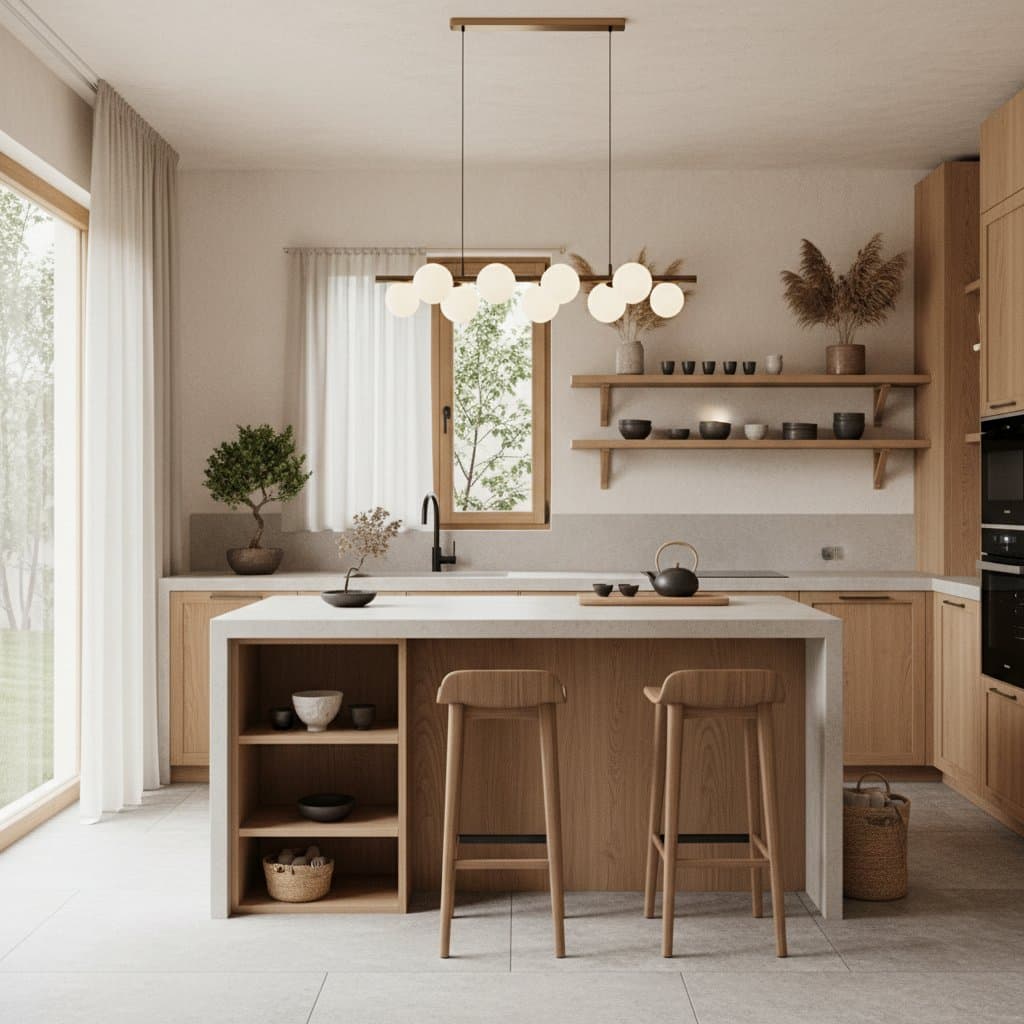
Japandi Kitchens: Serenity in Scandinavian-Japanese Fusion
The kitchen serves as the core of the home, evolving into a deliberate retreat of tranquility and refined order. Japandi design embodies this shift by combining Japanese minimalism with Scandinavian warmth, resulting in spaces that balance serenity and invitation. In kitchens, where daily interactions shape the environment, this style promotes a philosophy of mindful existence alongside visual appeal.
The Essence of Japandi Harmony
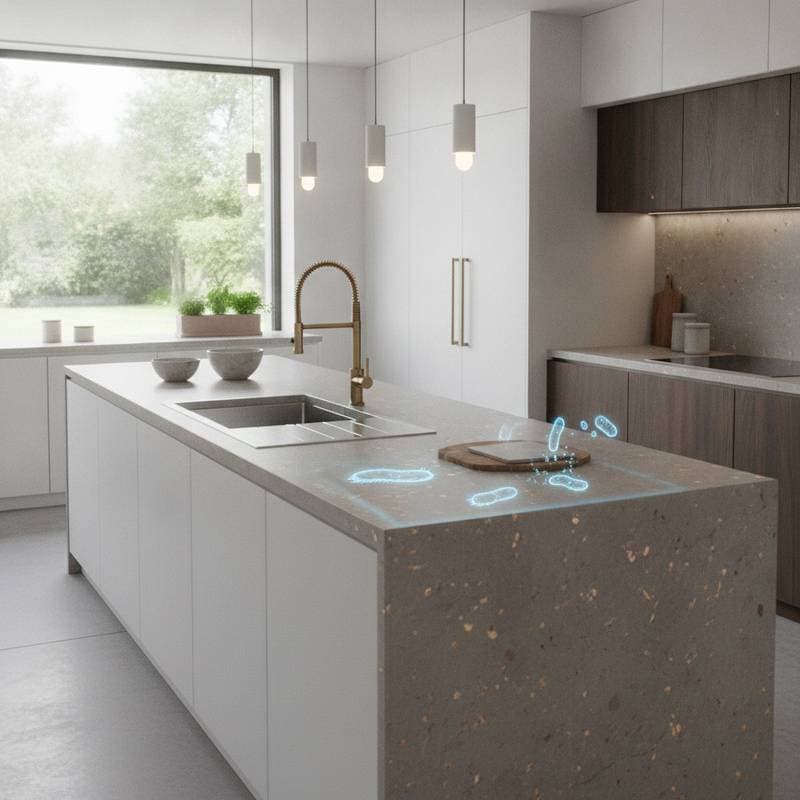
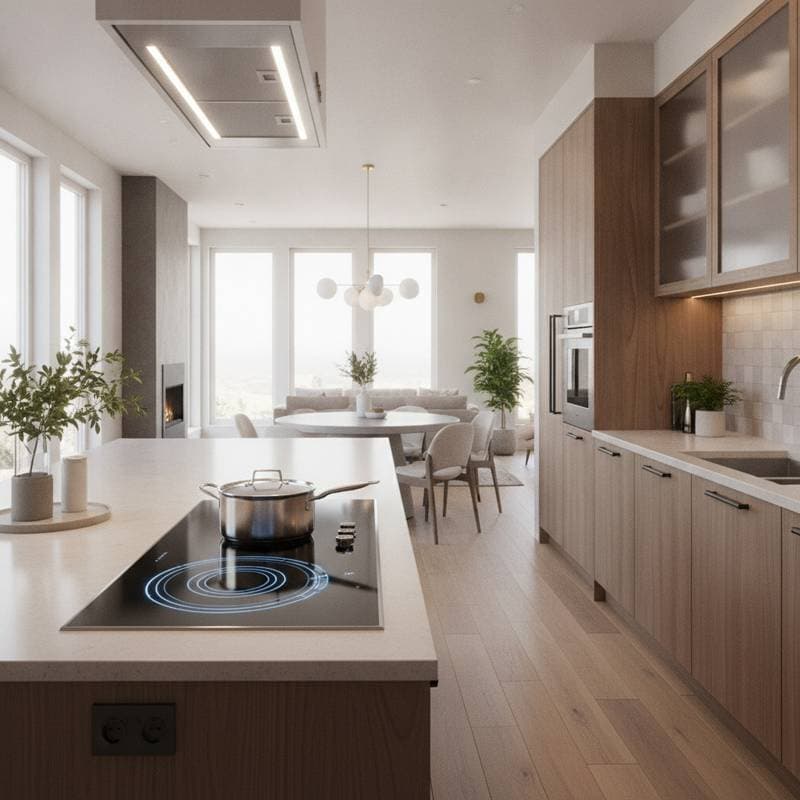
Japandi draws from Scandinavian hygge, which emphasizes coziness, and Japanese wabi-sabi, which honors imperfection. These principles unite in kitchens through muted palettes, tactile elements, and rhythmic layouts. Select cabinets in light European oak or ash, matched with porcelain counters in neutral shades such as Farrow & Ball’s Skimming Stone or Benjamin Moore’s Classic Gray to achieve this grounded feel.
Architect Mina Otsuka of Studio Nendoform notes, “Japandi kitchens feel grounded. Every material is chosen for its honesty, every texture for its calm presence.” This mindful selection supports slower, more intentional daily routines.
Color Stories That Evoke Stillness
Japandi colors remain subdued, creating depth through subtle variations rather than bold statements. Build a foundation with warm whites, soft taupes, and clay tones, then introduce contrast via graphite cabinets or smoked oak details. For instance, layer Matte Black from Little Greene Paint Company with pale birch shelving to add dimension without overwhelming the space.
This organic palette mirrors natural elements like river stones or sunlit wood. To apply it, assess your kitchen's natural light and test samples on walls and counters to ensure tones harmonize and enhance functionality.
Natural Materials and Honest Craft
Japandi prioritizes materials that endure and invite touch over superficial gloss. Opt for woods with visible grain, hand-thrown ceramics, and metals that patina naturally. In a design by Hiro Tanaka Architects, brushed European oak flooring pairs with hand-glazed zellige tiles from Clé Tile for a backsplash, balancing smoothness and subtle irregularity.
Incorporate brushed brass hardware that develops character over time. This approach ties into sustainability by favoring durable, natural options that reduce the need for frequent replacements and promote long-term care.
The Power of Simplicity in Form
Japandi forms emphasize clean lines and thoughtful proportions without starkness. Replace upper cabinets with open shelving to foster openness, while using concealed storage below counters for organization. Interior designer Lena Forsberg of Nordic Kin Studio recommends floating timber shelves with hidden brackets to display items lightly, as if floating.
This setup creates an uncluttered flow where each piece serves a purpose. To implement, measure your space to ensure shelves align with sightlines, maintaining visual rhythm and ease of access.
Lighting as Atmosphere
Lighting in Japandi kitchens shapes mood through gentle diffusion rather than harsh brightness. Choose pendant fixtures in hand-thrown stoneware or matte opal glass over islands to highlight textures softly. Design firm Kado Atelier pairs Louis Poulsen’s PH 5 pendants with recessed ceiling and undercabinet lights for even, layered illumination.
This arrangement adapts from daytime tasks to evening relaxation. Test light placements during different times of day to confirm they enhance materials and create inviting shadows without glare.
The Role of Function and Flow
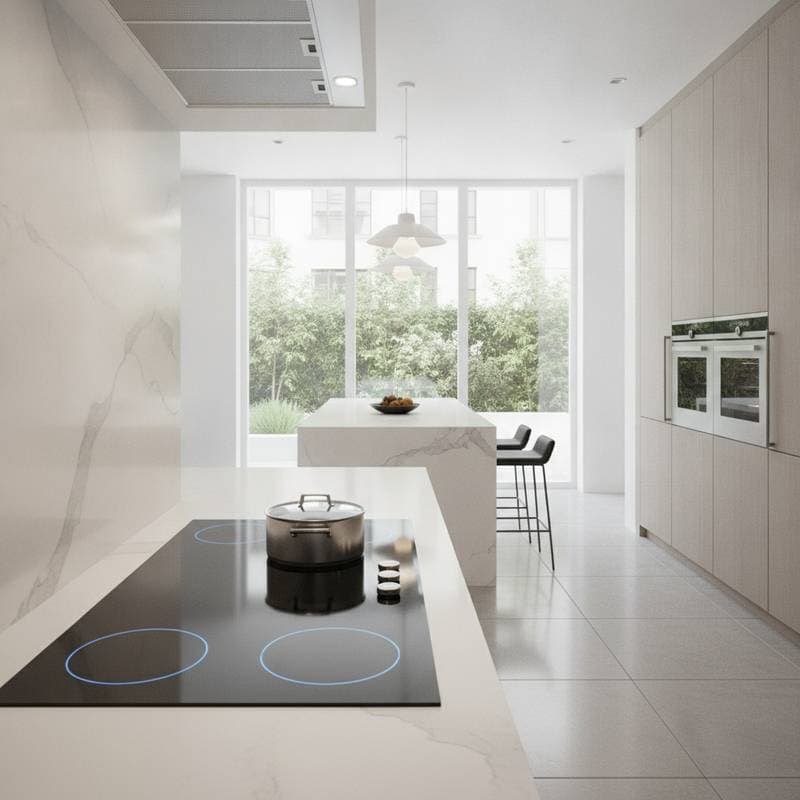
Japandi excels in blending aesthetics with utility, where practicality supports calm. Integrate appliances seamlessly and design discreet storage to minimize clutter. Cabinet systems from Reform Copenhagen, featuring Fenix NTM surfaces and flush joins, offer matte durability and smooth operation.
Focus on workflow by positioning prep areas near sinks and stoves. This setup turns cooking into a deliberate process, with every element facilitating efficient, aware movements.
Textural Balance and Sensory Experience
Textures in Japandi provide quiet contrast to build warmth and depth. Pair smooth honed marble counters with rough linen accents or wooden boards. In projects by Okada + Finn Design, tadelakt plaster walls meet rattan fronts and cast-concrete surfaces, blending natural flaws with skilled execution.
Designer Erik Finn explains, “A Japandi kitchen should feel like it breathes. Every surface should invite touch.” Select textures by considering hand feel and visual interplay, ensuring they complement rather than compete.
Greenery and Organic Life
Incorporate plants sparingly to connect the kitchen to nature without overcrowding. Place single stems in handmade vessels or small bonsai on counters, and position herb pots by windows for aroma and utility. A monstera leaf in a glass cylinder or eucalyptus branch in ceramic adds subtle vitality.
These elements soften lines and evoke renewal. Choose low-maintenance varieties suited to your light conditions to sustain the organic dialogue effortlessly.
The Influence of Craft and Collaboration
Japandi thrives on artisanal input, bridging Scandinavian and Japanese traditions. Seek custom details like hand-carved pulls or clay sconces from collaborative workshops. Studio Haven partners with Kyoto potter Arata Saito for fixtures that fuse Nordic lines with Japanese subtlety.
This human element ensures authenticity. When sourcing, prioritize makers who emphasize precision and cultural sensitivity to infuse your kitchen with genuine narrative.
Living with Japandi Design
Japandi kitchens adapt over time, with materials like wood darkening and metals patinating as signs of use. Embrace this evolution by choosing pieces that improve with care. The design supports routines such as brewing morning tea or preparing evening meals in a steady, soothing pace.
It transforms the space into a restorative hub where form and function align.
Implementing Japandi Principles
Begin your Japandi kitchen by auditing existing elements and committing to a neutral base. Invest in quality woods and ceramics that age well, and experiment with light to reveal textures. Select statement items like a Carl Hansen & Søn stool or Hasami Porcelain teapot to anchor the design.
Allow empty spaces to promote rest. This intentional approach counters modern excess, delivering enduring calm and practical beauty for daily refuge.