Japandi Kitchens: Serenity in a Scandinavian-Japanese Fusion
Step into a Japandi kitchen, and a sense of calm envelops you. The design achieves a quiet assurance through its equilibrium of form and function, simplicity and warmth. This style merges the disciplined minimalism of Japanese interiors with the rustic ease of Scandinavian aesthetics, yielding a space that promotes peace and utility while encouraging a slower pace in daily tasks.
As a contractor experienced in numerous kitchen remodels, I find Japandi designs among the most fulfilling to execute. They require exactitude, reverence for materials, and insight into how light, texture, and proportion interact. Clients selecting this style often pursue more than aesthetic upgrades; they seek environments that foster a tranquil lifestyle and ease upkeep without compromising visual appeal.
The Foundations of Japandi Design
Japandi transcends superficial trends; it rests on principles common to Japanese and Scandinavian traditions: simplicity, utility, and veneration of craftsmanship. The Japanese wabi-sabi ethos celebrates imperfection and organic materials, whereas the Scandinavian hygge ideal prioritizes comfort and intimacy. Combined, these elements craft a design vocabulary that appears genuine, rooted, and enduring.
In a Japandi kitchen, excess decoration or fleeting finishes find no place. Each component fulfills a role. Streamlined cabinets, uncluttered countertops, and selections based on longevity and sensory appeal define the space, ensuring it conveys purpose and serenity rather than austerity.
Pitfalls to Avoid in Japandi Projects
Homeowners frequently attempt Japandi aesthetics by emphasizing mere visuals, such as pale wood cabinets and neutral walls. Yet, neglecting the essential harmony leads to spaces that appear incomplete or mismatched. Consider these frequent errors observed in practice:
- Incorporating excessive wood variations. Harmony defines Japandi, not diversity. Blending oak, pine, and walnut within one area risks chaos over composure.
- Excessive reliance on white or black. Contrasts must remain subtle. Overuse of these hues renders the kitchen monotonous.
- Overlooking organic textures. Uniform smooth surfaces drain vitality from the room. The inherent patterns in wood, stone, and fabric introduce dimension and coziness.
- Opting for synthetic substitutes. Materials like laminates or vinyl that imitate naturals seldom capture true authenticity. They degrade uniquely and reveal artificiality in daylight.
- Neglecting practicality. Minimalism in Japandi demands robust function. An attractive layout lacking storage or workflow efficiency breeds ongoing irritation.
Addressing these issues begins with grasping how choices influence aesthetics and usability.
Essential Components of a Japandi Kitchen
A Japandi kitchen thrives on omissions as much as inclusions. Surfaces, fixtures, and materials must collaborate to form a unified, tranquil ensemble.
Natural Materials
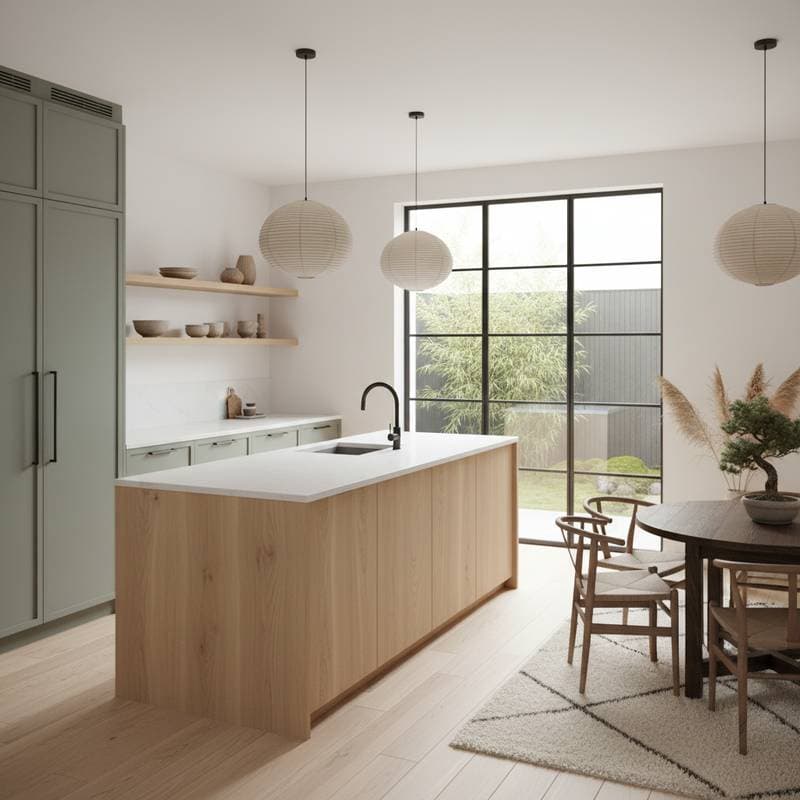
Wood forms the core of Japandi. Lighter options like ash, birch, and oak echo Scandinavian roots, while deeper tones such as walnut and chestnut nod to Japanese heritage. To blend them successfully, select one primary wood for major elements and reserve a secondary for subtle features, like exposed shelves or edging.
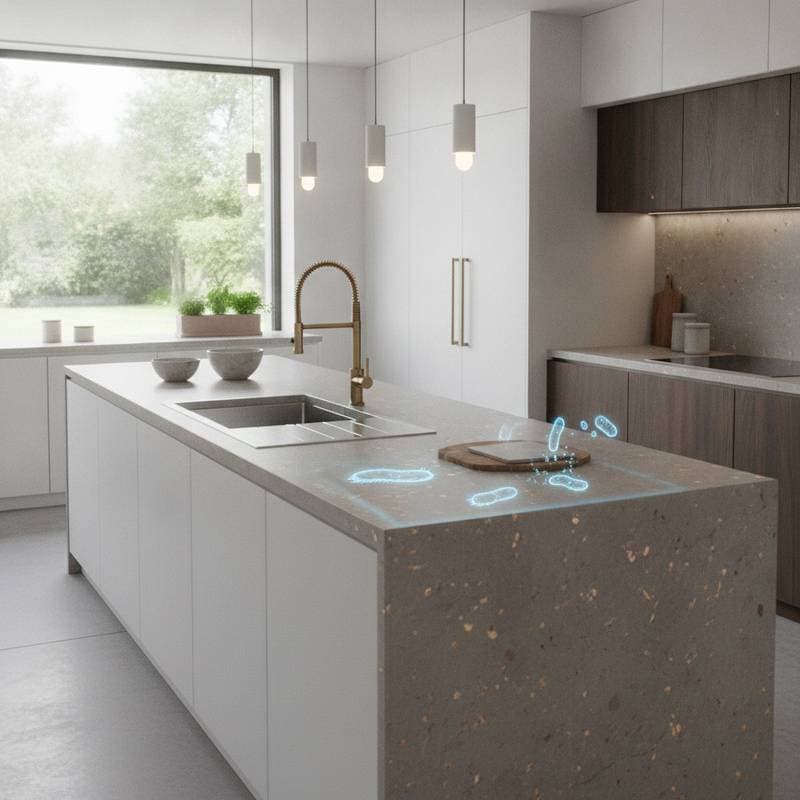
Incorporate stone, bamboo, or clay for added authenticity. Opt for countertops in matte-finish granite or soapstone to ensure resilience with understated elegance. Clay tiles or plaster on walls contribute tactile interest without overwhelming the palette.
Neutral Color Scheme
Colors in Japandi evoke quietude and earthiness: gentle whites, taupes, charcoals, and subdued greens or blues. These tones reflect natural surroundings and provide a restful foundation. Steer clear of glossy surfaces or vivid highlights; select subdued metals, such as brushed brass or matte black fittings, over shiny alternatives.
Efficient Layout
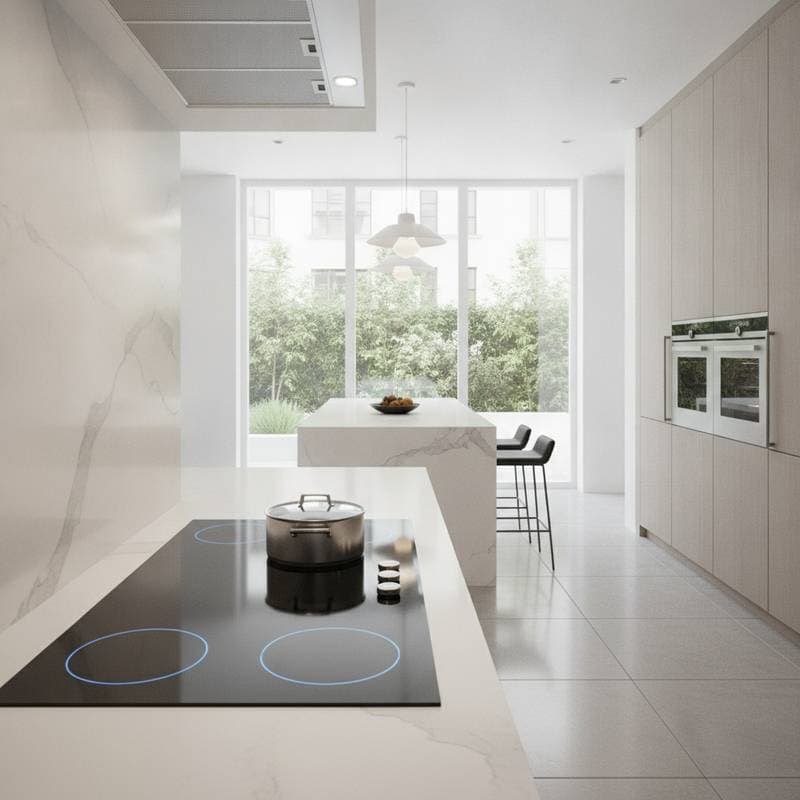
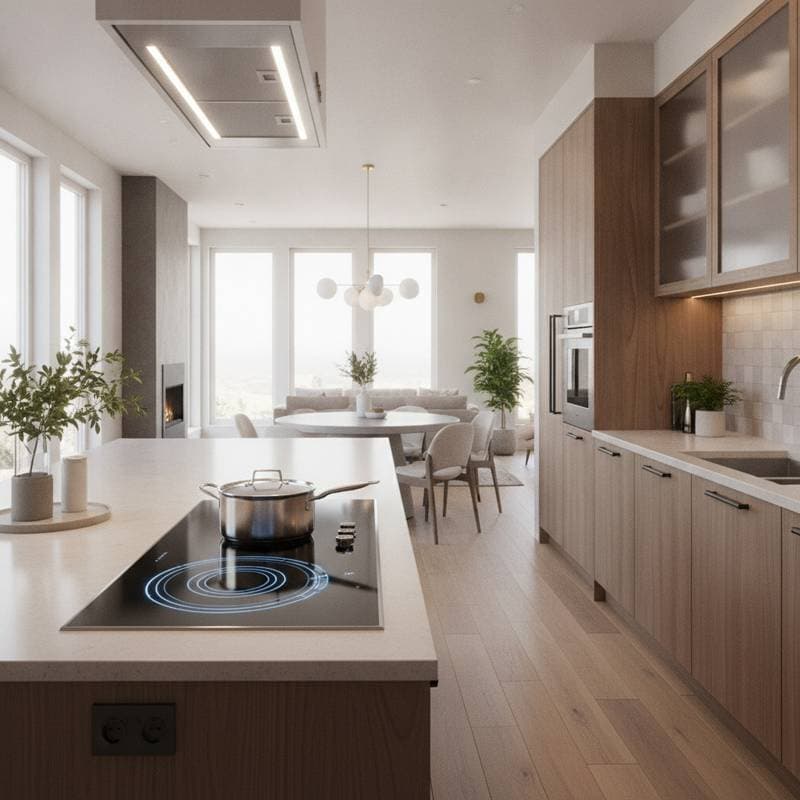
Prioritize seamless movement and productivity in the arrangement. Design supports actual cooking and cleaning routines. Employ open shelving or transparent cabinet doors for accessible items, paired with concealed storage to manage disarray. Islands remain unadorned, focusing on integrated storage or seating without excess.
Layer lighting for versatility. Maximize daylight where possible; supplement with warm artificial sources that diffuse gently, avoiding intense spots.
Sleek Lines and Subtle Details
Cabinet faces feature flat panels or minimal framing. Hardware integrates seamlessly or remains understated. Ornate moldings or elaborate trims disrupt the harmony; instead, derive appeal from balanced proportions, skilled execution, and material integrity.
Ties to the Natural World
Japanese and Scandinavian influences both cherish outdoor connections. Ample windows, abundant light, and potted greenery reinforce this link. During one project, installing a broad window above the sink with a garden view transformed routine chores for the client, infusing them with serenity.
Constructing a Japandi Kitchen: A Sequential Guide
For a remodel embracing Japandi, adhere to this order to uphold the aesthetic and safeguard value.
- Clarify Objectives. Determine preferences toward Scandinavian coziness or Japanese restraint. This directs wood selections, colors, and finishes.
- Establish Budget Parameters. Premium naturals and bespoke joinery demand initial investment, yet they endure and patina attractively. Compromises often necessitate premature updates.
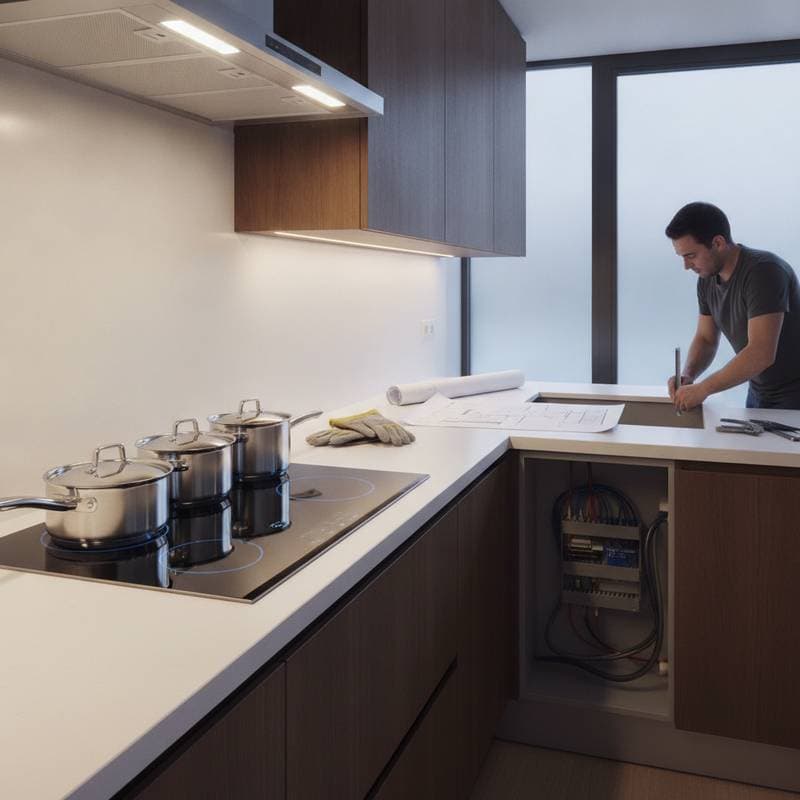
- Engage Skilled Experts. Seek contractors proficient in precision woodworking and sparse designs. Accurate alignment proves crucial at joints and edges.
- Select Materials Promptly. Finalize options like flooring, surfaces, and cabinets before building commences. Test samples in ambient light to verify cohesion.
- Design Ample Storage. Sparse aesthetics falter without organization. Include deep drawers, concealed mechanisms, and integrated dividers to sustain tidiness.
- Incorporate Lighting Strategically. Blend overhead recessing, task-oriented under-cabinet lighting, and hanging pendants. Aim for uniform glow minus shadows.
- Maintain Uniformity. After setting the scheme, forgo impulsive additions. Steadfastness imparts Japandi's subtle power.
Safeguarding Your Japandi Investment
Remodels involve inherent challenges, yet Japandi's simplicity amplifies the visibility of flaws. Gaps in cabinetry, uneven tiling, or ill-fitted edges draw immediate notice.
To mitigate risks:
- Secure comprehensive plans and specs in documentation. This clarifies expectations throughout the build.
- Conduct periodic reviews collaboratively with the team. Address issues promptly and constructively.
- Inquire on protective treatments. Woods and stones require suitable sealants against humidity.
- Retain records of warranties and care instructions. These facilitate future upkeep or adjustments.
Clients who economize on labor by choosing novices often face costly corrections. In restrained designs, execution defines success.
Maintaining Harmony in Daily Use
Post-remodel, habits shape the kitchen's enduring appeal. Disorder undermines equilibrium, so cultivate routines that preserve order. Clear surfaces, stow unused tools, and display only cherished essentials.
Introduce linen or cotton textiles for window treatments and upholstery. Feature select artisanal pottery or a handcrafted board, but refrain from overcrowding. Allow materials and illumination to dominate.
Upkeep proves straightforward with apt choices. Dust wood with moistened cloth and gentle cleanser; reseal stone periodically. Eschew abrasives that erode coatings or stain seams. Regular attention upholds both allure and durability.
Embracing Intentional Living Through Design
A Japandi kitchen extends beyond aesthetics; it prompts deliberate, balanced existence. Executed with care, it transforms meal preparation into renewal rather than haste. Materials mature elegantly, configurations enable fluid navigation, and elements fulfill distinct roles.
For those desiring tranquility alongside efficiency, this fusion of traditions offers sustained fulfillment. Honor skilled work, deliberate selections, and unwavering consistency to yield a kitchen that performs and pleases across years.