Universal Design: Creating Bathrooms for Lifelong Use
Home spaces must accommodate current needs and future changes. Universal design principles enable bathrooms to serve individuals of all ages and abilities while maintaining aesthetic appeal and functionality. This approach integrates accessibility seamlessly, ensuring the space remains intuitive and elegant without specialized modifications.
Understanding Universal Design
Universal design focuses on environments that accommodate diverse users regardless of age, mobility, or physical capabilities. It emphasizes independence, ease of use, and adaptability. Rather than viewing accessibility as a clinical requirement, consider it an element of intelligent, inclusive architecture that enhances daily life for everyone.
Effective universal bathrooms avoid obvious adaptive features. They incorporate subtle solutions that promote effortless navigation and comfort, blending form and function in a way that feels natural.
Optimizing the Layout
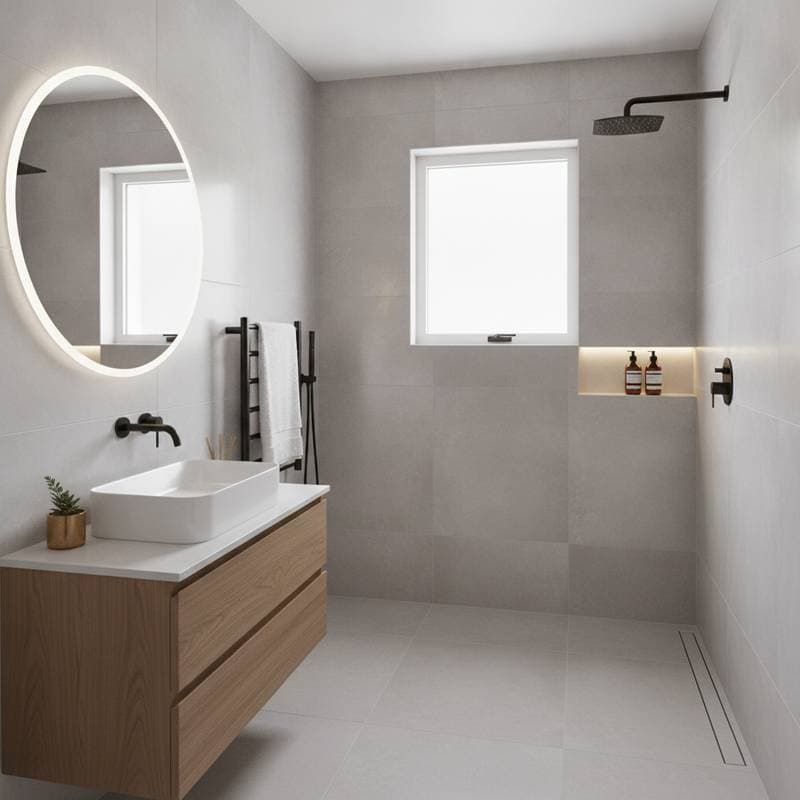
Prioritize functionality by evaluating spatial flow before selecting finishes or appliances. Design pathways that allow unobstructed movement, with minimum widths of 36 inches to accommodate wheelchairs, walkers, or strollers. In compact areas, install wall-mounted vanities or suspended toilets to maximize floor space and improve accessibility.
Opt for pocket doors or doors that swing outward to conserve room and facilitate entry. These choices enhance usability while contributing to a streamlined appearance.
Enhancing the Shower Area
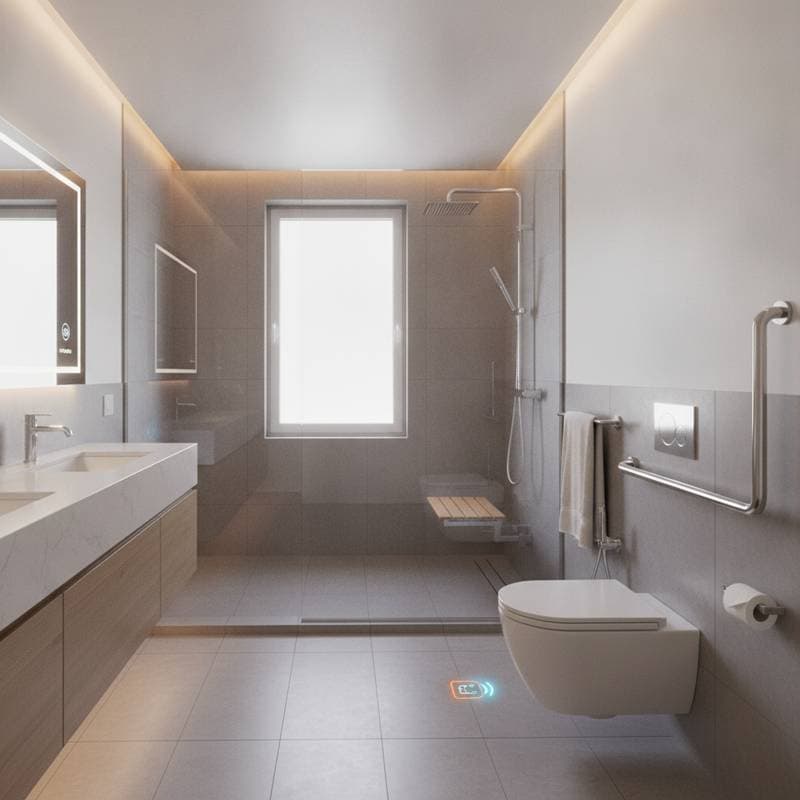
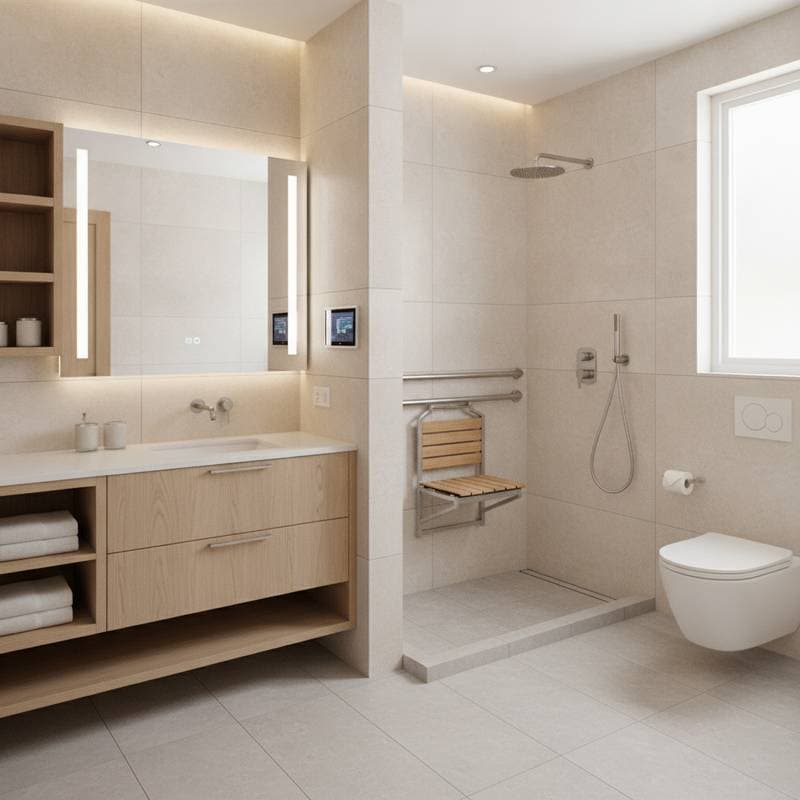
Incorporate a curbless walk-in shower to eliminate barriers and promote safety. This design features a level entry with a gentle floor slope toward a linear drain, creating a modern, spa-like atmosphere. Professional installation can adapt this feature to existing structures with minimal disruption.
For cost-effective options, select prefabricated low-threshold pans available at home centers for under a few hundred dollars. These units offer customizable styles that replicate high-end tile work. In upscale renovations, use large-format porcelain or quartz tiles to reduce seams and elevate visual appeal.
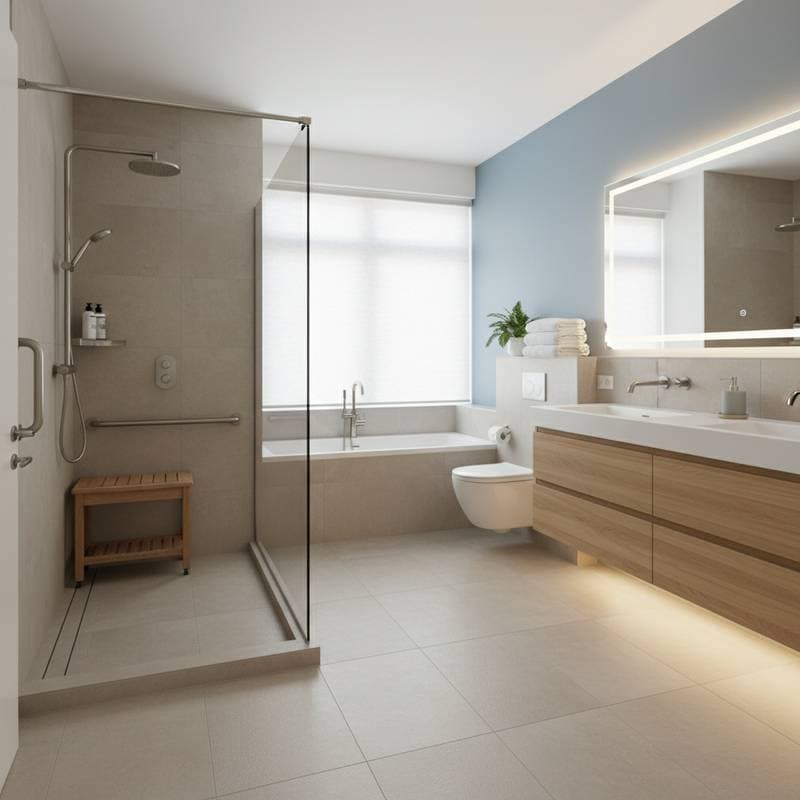
Include a fixed or folding bench within the shower for seated use or convenience. Materials such as teak or solid-surface composites provide durability and a luxurious feel. Complement this with a handheld showerhead on an adjustable slide bar, allowing users of varying heights to operate it comfortably.
Selecting Supportive Fixtures
Choose lever-style faucet handles over twist knobs to accommodate limited dexterity. Sensor-activated faucets further improve hygiene and ease, with entry-level models priced around sixty dollars and premium versions in coordinating finishes.
Install comfort-height toilets, elevated by approximately two inches from standard units, to simplify transitions for all users. Retrofit risers, available for less than fifty dollars, offer a simple upgrade to existing installations.
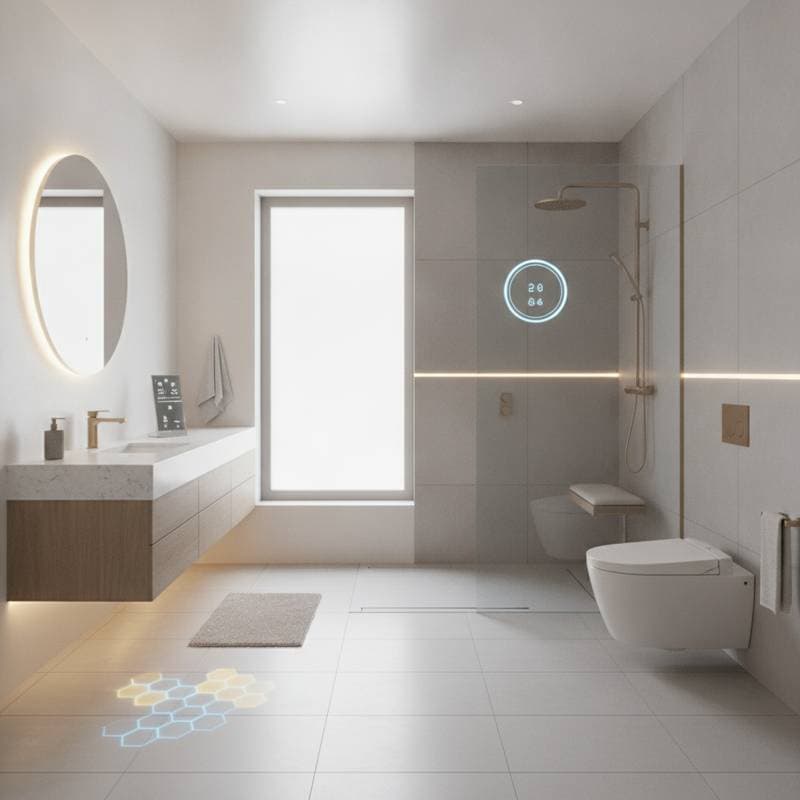
Incorporate motion-activated lighting for nighttime visibility. Position low-level LED strips under vanities or along baseboards to provide soft guidance, achieving an upscale effect for under a hundred dollars.
Layering Effective Lighting
Strategic lighting enhances both usability and ambiance. Employ a combination of ceiling-mounted ambient sources, mirror-adjacent task lights, and subtle accents to eliminate shadows and support varied activities.
Select LED options with adjustable color temperatures and dimming capabilities to suit changing visual needs. Backlit mirrors distribute even illumination, reducing glare and facilitating precise grooming for users of all ages.
Choosing Safe and Attractive Materials
Prioritize slip-resistant surfaces without compromising style. Options include matte porcelain tiles, textured vinyl flooring, or naturally grippy stone. Budget-conscious selections like vinyl sheets mimic tile patterns while offering waterproofing and warmth.
For instance, large porcelain tiles with inherent texture can emulate limestone, providing a premium look suitable for multigenerational households. This balance ensures safety aligns with sophisticated design.
Select durable, low-maintenance countertops such as quartz or solid surfaces that resist stains. Affordable laminates with contemporary patterns deliver realistic stone appearances and straightforward cleaning.
Integrating Discreet Grab Bars
Modern grab bars serve as stylish hardware elements. Match their finishes to surrounding fixtures for harmony, or select multifunctional designs that double as towel holders or shelves.
Position bars adjacent to toilets, within showers, and at entry points for stability. During renovations, reinforce wall structures behind finishes to allow future adjustments. Temporary suction models suit rentals, offering support without permanent alterations.
Implementing Adaptable Storage
Maximize storage efficiency to reduce clutter and support routines. Utilize vertical space with modular shelving and pull-out organizers. Open designs keep items reachable, while divided drawers maintain order.
Design vanities with open undercarriage space for wheelchair access, supported by concealed framing. This configuration aids cleaning and expands perceived roominess, applicable to both expansive and confined bathrooms.
Infusing Color and Texture
Personalize the space while upholding universal principles. Use contrasting colors between floors, walls, and fixtures to delineate boundaries, aiding those with visual impairments and adding depth.
Build around neutral bases accented by metallic or bold elements, such as white tiles paired with matte black hardware or beige tones with brass details. Moisture-resistant paints, costing under fifty dollars per gallon, refresh the palette affordably. Introduce patterns via curtains or accessories to inject character.
Planning for Future Adaptations
Anticipate evolving requirements by selecting versatile components. Adjustable fixtures, reinforced walls, and resilient materials enable modifications without full overhauls.
This forward-looking strategy benefits families, caregivers, and guests alike, preserving the home's value and usability over time.
Innovations in Accessible Design
Advancements in products expand possibilities for inclusive bathrooms. Developers create slip-resistant surfaces resembling marble, multifunctional grab bars with storage, and fixtures compliant with accessibility standards yet luxurious in execution.
Homeowners can seek modular, sustainable options from reputable brands to enhance longevity. Professionals gain a competitive edge by specializing in these solutions, addressing broader markets with purpose-driven expertise.
Realizing the Benefits of Your Design
A completed universal bathroom delivers seamless performance and visual appeal. It fosters independence, accommodates changes, and provides reassurance for long-term living. Experience enhanced daily comfort and enduring satisfaction in a space tailored for life's journey.