Why Touchless Technology Defines the Future of Smart Bathrooms
As a remodeling contractor, I observe bathroom design evolve from basic utility to interactive environments that operate seamlessly. Touchless technology leads this change. Initially popular in commercial settings, it now forms a cornerstone of smart home integration. Homeowners seek the convenience, sanitation, and efficiency these systems provide in personal spaces.
Touchless technology extends beyond indulgence. It promotes hygiene, security, and precise management. Proper design and installation yield water conservation, decreased upkeep, and prolonged surface cleanliness. Faucets that detect motion and showers responsive to voice commands establish touchless bathrooms as standard for renovations and constructions.
Challenges of Conventional Fixtures
Conventional bathroom fixtures demand direct contact. Each flush, tap operation, or switch activation transfers bacteria. In busy family bathrooms, accumulation occurs rapidly. Dampness and heat foster mold and pathogens. Despite routine cleaning, these areas remain persistent concerns.
Hygiene issues aside, manual fixtures prove wasteful. Dripping faucets, overflowing baths, and overlooked lights squander water and electricity. Such inefficiencies inflate utility costs and accelerate plumbing deterioration. I replace numerous faucets damaged by corrosion and residue from frequent manual use.
Reasons Homeowners Adopt Touchless Solutions
Touchless fixtures address multiple issues simultaneously. They react to motion, voice instructions, or scheduled configurations. Users avoid contact when washing hands, flushing toilets, or modifying shower settings. Convenience attracts initially, yet the primary benefits protect health and property value.
Consider these key advantages of touchless bathroom technology:
-
Enhanced Hygiene
Motion sensors minimize germ transmission. Family members and visitors utilize facilities without handling communal surfaces. In active households, this approach limits disease propagation and decreases deep-cleaning frequency. -
Water Conservation
Many touchless faucets and toilets incorporate low-flow mechanisms. They deactivate after a predetermined duration or dispense precise flush volumes. This accuracy conserves substantial water annually without compromising functionality. -
Increased Durability
Reduced mechanical wear from handling extends fixture lifespan. Sealed sensors and valves resist corrosion. I install units that function reliably for years with minimal servicing. -
Accessibility for Diverse Users
Voice-controlled showers and automated illumination support children and seniors in independent operation. Gestures or commands replace challenging knobs and switches. -
Energy Optimization
Programmable smart lighting and heating deactivate automatically. Motion detection illuminates spaces only during occupancy, balancing efficiency with user satisfaction.
Essential Elements of a Touchless Smart Bathroom
An effective touchless bathroom combines interconnected systems for responsiveness and economy. Each component contributes to overall performance.
-
Sensor-Operated Faucets
Infrared or ultrasonic detectors sense hand proximity and initiate flow. Superior models offer temperature customization for reliable comfort. Select options with tunable sensitivity to prevent unintended activations. -
Automated Toilets
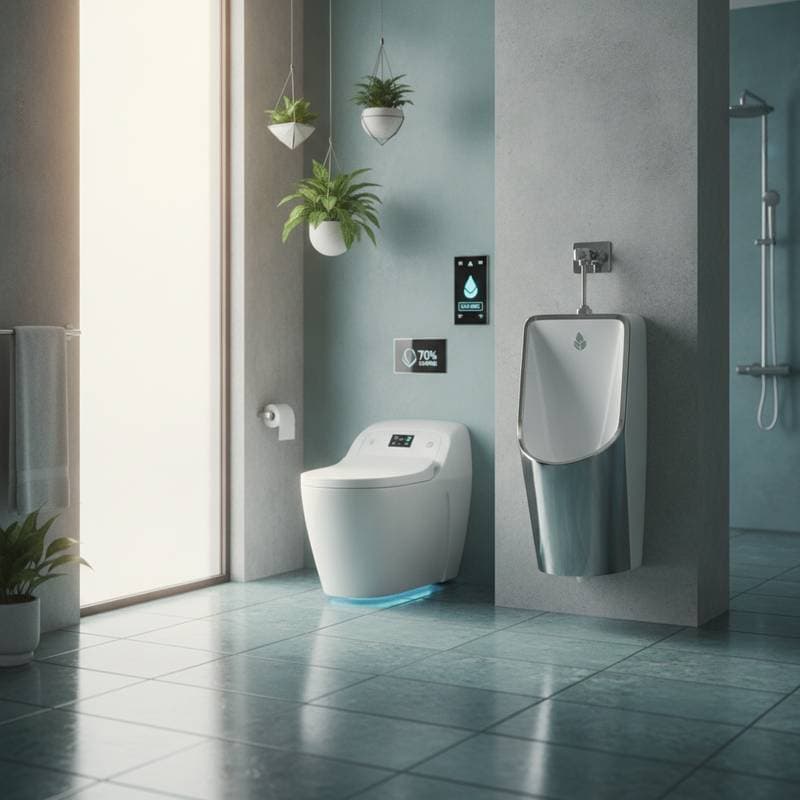
Flushing mechanisms now deliver dependable operation. Advanced versions feature self-sanitizing cycles, odor neutralizers, and integrated illumination. Prioritize dual-flush capabilities for optimal resource use. -
Voice-Responsive Shower Systems
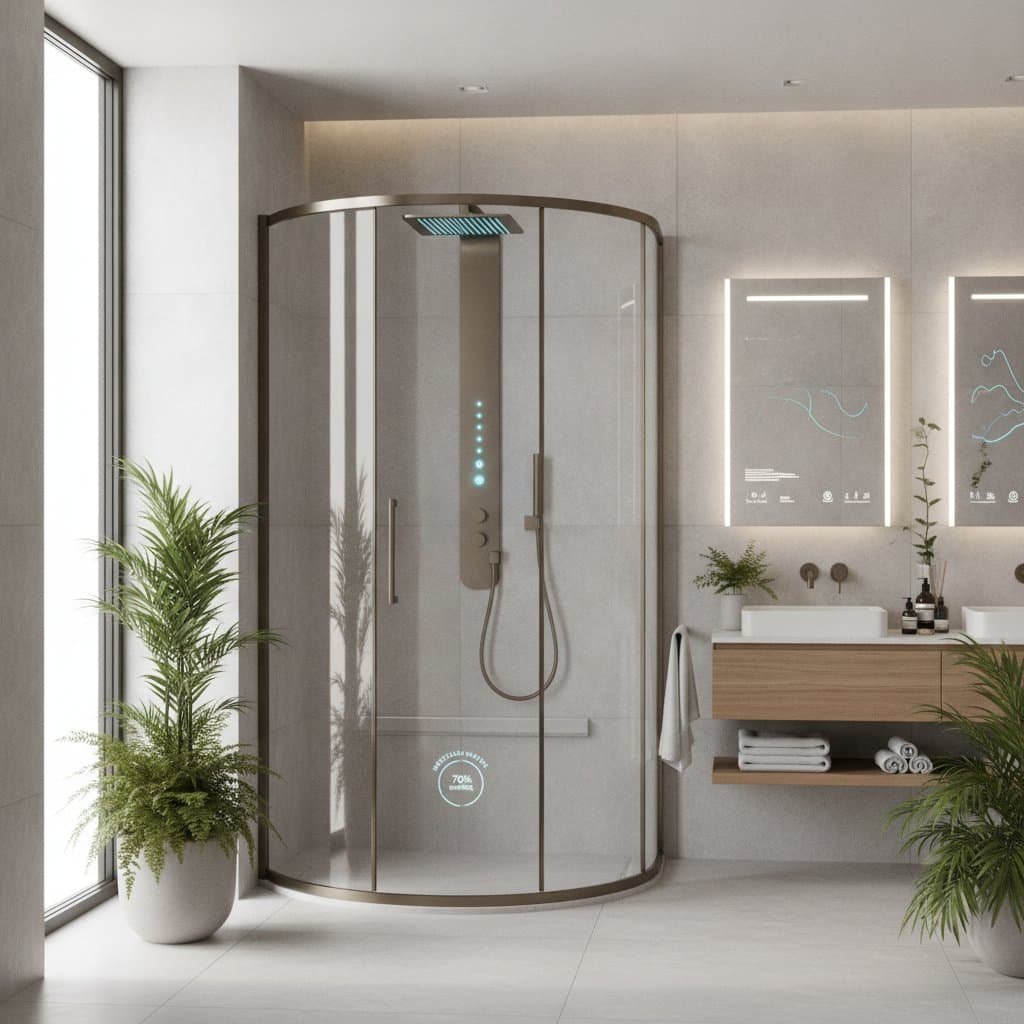
These integrate luxury with practicality. Commands initiate water flow, adjust heat levels, and select spray modes. Compatibility with home automation hubs or bathroom-specific applications enables remote management via smartphone or speaker. -
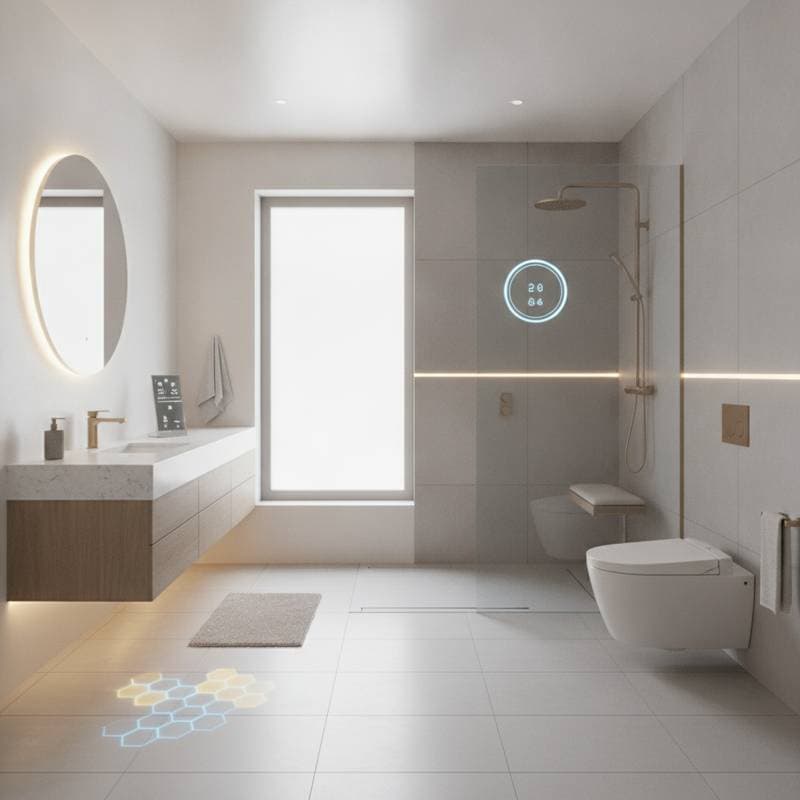
Intelligent Mirrors and Illumination
Proximity triggers lighting upon approach. Mirrors project information such as forecasts, schedules, or vital signs. Adaptive dimming suits varying times, enhancing ambiance while curbing consumption. -
Automated Air Circulation
Humidity monitors engage fans as required. This strategy inhibits mold development and preserves finishes by limiting dampness.
Key Considerations for Homeowners
Successful touchless implementation hinges on accurate installation. Homeowners sometimes purchase devices without verifying infrastructure needs, leading to complications. Evaluate these factors prior to acquisition:
-
Electrical Supply and Cabling
Certain fixtures operate on batteries; others demand hardwired power. Address electrical planning during renovations, particularly in legacy bathrooms. -
System Integration
For voice or app functionality, ensure compatibility with current smart ecosystems. Device interoperability varies. -
Expert Placement
Accurate sensor and valve positioning guarantees reliability. Certified professionals prevent performance lapses and preserve warranties.
Pitfalls to Sidestep
Even superior touchless setups falter with flawed execution. Observe these frequent errors:
-
Excessive Complexity
Multiple gadgets demanding separate apps or updates overwhelm users. Opt for unified platforms to simplify control. -
Neglected Upkeep
Clean sensors and filters periodically. Monthly checks avert operational failures. -
Absence of Fallback Mechanisms
Select products with manual alternatives. Power outages or sensor glitches require basic access. -
Low-Quality Purchases
Inexpensive imports often feature unreliable detectors. Choose reputable manufacturers offering robust guarantees and assistance.
Cost-Benefit Analysis of Touchless Upgrades
Initial expenses for touchless systems exceed those of traditional options. However, savings from diminished resource use and maintenance offset costs quickly. Enhanced property appeal boosts long-term value.
Contractors benefit from these installations through revenue, yet demand precision. Adhere to regulations and protocols. Thorough documentation safeguards all parties.
Implementing Touchless Features for Lasting Benefits
Touchless advancements represent enduring progress in residential design. They deliver sanitation, economy, and simplicity. Homeowners gain reduced contaminants, trimmed expenses, and steady usability.
During renovations, focus first on high-impact items: faucets, toilets, and showers. Subsequent additions like lighting, mirrors, and fans complete the transformation.