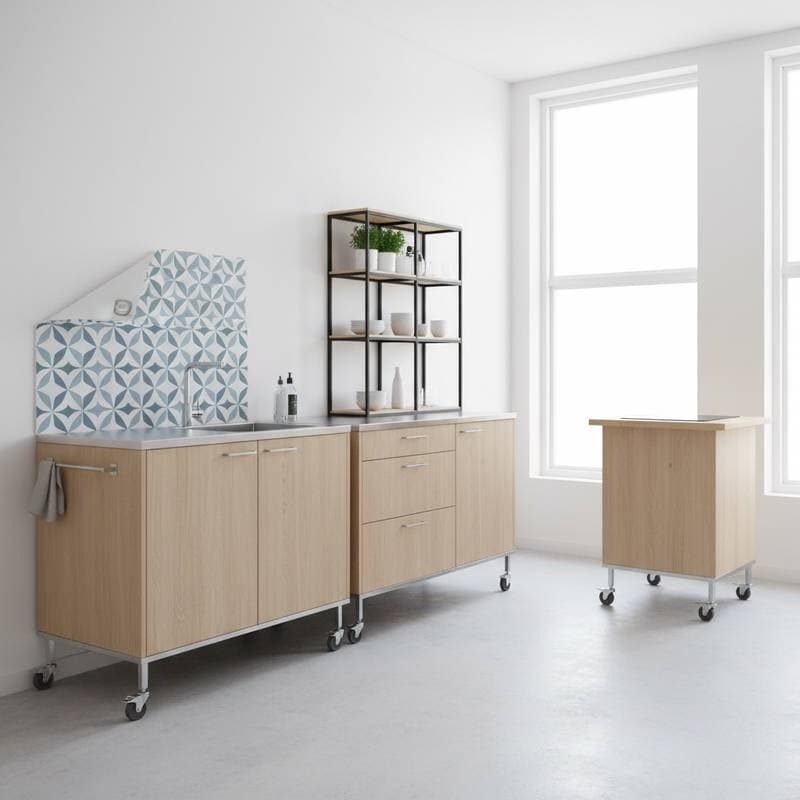
Renter-Friendly Modular Kitchens: Easy Lease-Safe Upgrades
You love cooking, but your rental kitchen feels cramped, outdated, or simply not suited to your style. The cabinets might feature a dull beige finish, the storage proves awkward, and the layout lacks inspiration. Your lease restricts major changes. Modular kitchen systems provide a solution to upgrade the space without violating the agreement or forfeiting the deposit.
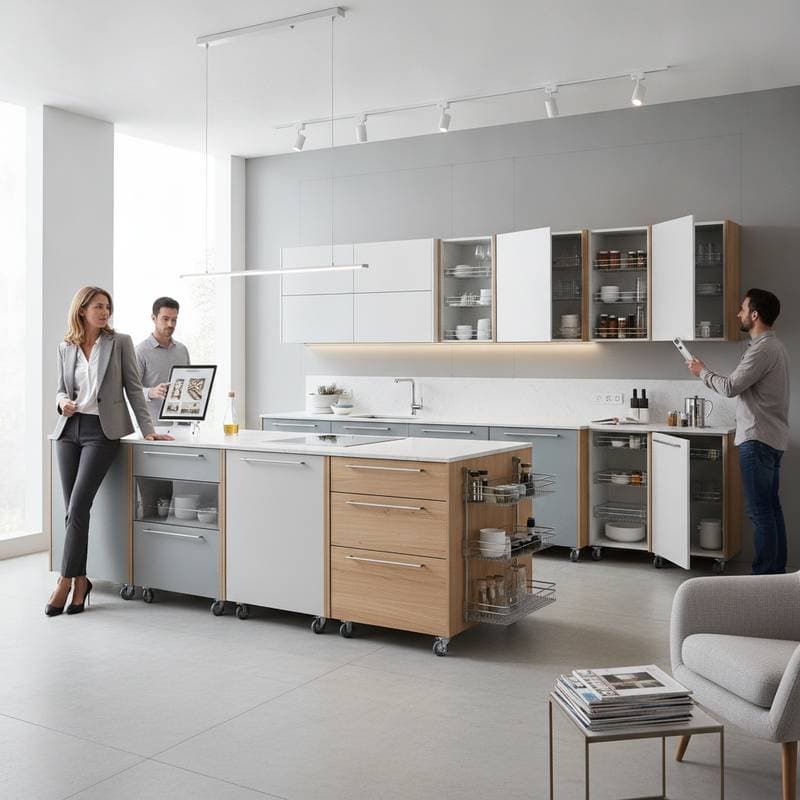
A modular kitchen consists of prefabricated units that assemble like building blocks. Most components remain removable, which allows for a custom appearance and functionality without permanent alterations. Whether you reside in a compact apartment or a rented townhouse, these adaptable systems enhance efficiency, attractiveness, and usability in the kitchen.
Why Modular Kitchens Suit Renters
Traditional kitchen remodels require removing cabinets, modifying plumbing, and installing new fixtures. Such projects prove costly and irreversible. Modular kitchens employ self-contained units, including base cabinets, wall shelves, and countertop modules, which install, rearrange, or remove with little disruption.
These systems align well with rental constraints for several reasons:
- No structural modifications: Units rest on adjustable legs or secure with non-invasive brackets.
- Simple disassembly: You can transport the entire system to a new residence.
- Adaptable configurations: Rearrange modules to accommodate various kitchen layouts.
- Scalable investment: Begin with essential pieces and add more over time.
Consider modular kitchens as specialized furniture that mimics built-in designs while functioning as portable elements.
Planning Your Modular Kitchen Upgrade
Measure the space meticulously before purchasing units. Record wall dimensions, appliance measurements, and door swing paths. Create a basic sketch to map out storage areas and preparation zones.
Follow these planning strategies:
- Focus on functionality: Determine the primary frustrations, such as insufficient storage, inadequate lighting, or restricted counter space.
- Establish a practical budget: Allocate between $500 and $1500 for a basic modular arrangement, or $2000 to $4000 for a comprehensive replacement with premium materials.
- Review the lease terms: Verify permissions for removable items and temporary finishes, and seek approval for any wall attachments.
- Emphasize portability: Select modules suitable for relocation to future homes.
Incorporate traffic flow into your design. Position high-use items like utensils within arm's reach, and ensure at least 36 inches of clearance around key appliances for safe movement.
Essential Lease-Safe Components
Modular kitchens incorporate reversible upgrades that deliver style and practicality. Explore these options to build a cohesive setup.
Freestanding Base Cabinets
These provide storage and surface area without wall mounting. Brands often include adjustable feet to accommodate uneven flooring. Prices range from $200 to $600 per unit, influenced by dimensions and material quality. Opt for soft-close drawers and ventilated doors to maintain organization and airflow.
Modular Wall Shelves and Rails
For vertical organization without drilling, install tension-mounted rods or adhesive-supported rails. These accommodate utensils, spices, or baskets. Units typically cost less than $100 and detach without residue. Layer shelves at varying heights to maximize accessibility while preserving sightlines.
Portable Kitchen Islands
A mobile island expands workspace and serves as an informal dining spot. Select models with locking casters and sturdy tops, such as butcher block for heat resistance. Entry-level options begin at $150, with hardwood variants up to $800. Integrate pull-out drawers for hidden storage to keep surfaces clear.
Clip-On or Peel-and-Stick Backsplashes
Vinyl or PVC panels replicate tile aesthetics without grout or permanent adhesive. Materials cost $5 to $10 per square foot. Prioritize heat-resistant varieties for areas near heating elements. Apply in sections for easy replacement if wear occurs.
Temporary Countertop Overlays
Cover existing laminate with custom-fitted panels that sit atop the surface. Suppliers offer cuts to precise specifications in materials like quartz or wood-look laminate. Expect $150 to $400 based on size and finish. Seal edges to prevent moisture buildup and ensure a seamless fit.
Modular Lighting Systems
Under-cabinet LED strips or magnetic fixtures illuminate tasks without electrical modifications. Adhesive installation keeps setup straightforward, with kits priced from $20 to $80. Dimmable options allow adjustment for ambiance, and battery-powered models avoid outlet dependency.
Installation Guidance for Renters
Modular systems facilitate straightforward assembly with few tools, yet precision ensures longevity.
- Employ a level and tape measure to position cabinets and shelves accurately.
- Safeguard wall surfaces with painter's tape prior to applying adhesives.
- Adhere to weight capacities for suspended elements to prevent damage.
- Mark components clearly for future disassembly and transport.
For integrations involving electricity or water, such as a modular sink unit, consult a licensed expert. This approach upholds safety standards and landlord expectations. Test all installations immediately to confirm stability and functionality.
Cost Analysis and Value Assessment
Modular upgrades contrast sharply with full remodels, which often surpass $15,000. Renters benefit from portability, retaining value across moves. Typical investments include:
- Basic DIY refresh: $500 to $1500, completed over one to two weekends.
- Intermediate setup: $2000 to $4000, with optional professional help.
- High-end configuration: $5000 to $7000, featuring bespoke elements and advanced lighting.
Time efficiency adds appeal; most assemblies finish in days using standard tools like screwdrivers and drills. Calculate long-term savings by factoring in reuse potential, which offsets initial costs over multiple rentals.
Pitfalls to Sidestep
Certain oversights complicate modular projects unnecessarily:
- Selecting oversized cabinets that impede appliance access.
- Neglecting required clearances for ventilation near cooking appliances.
- Combining modules from mismatched manufacturers, leading to fit issues.
- Applying adhesives excessively on sensitive surfaces like fresh paint.
Double-check measurements and compatibility before orders. Retain documentation for warranties and returns to streamline adjustments.
Realizing Your Vision
A modular kitchen empowers renters to personalize a typically rigid area. Initiate with select freestanding items or commit to a complete ensemble of cabinets and accessories. The result yields improved performance and a tailored atmosphere, all while safeguarding the deposit.
Careful preparation, lease compliance, and durable selections transform your rental into a bespoke haven. Modular designs adapt seamlessly, supporting transitions to subsequent residences with equal ease.