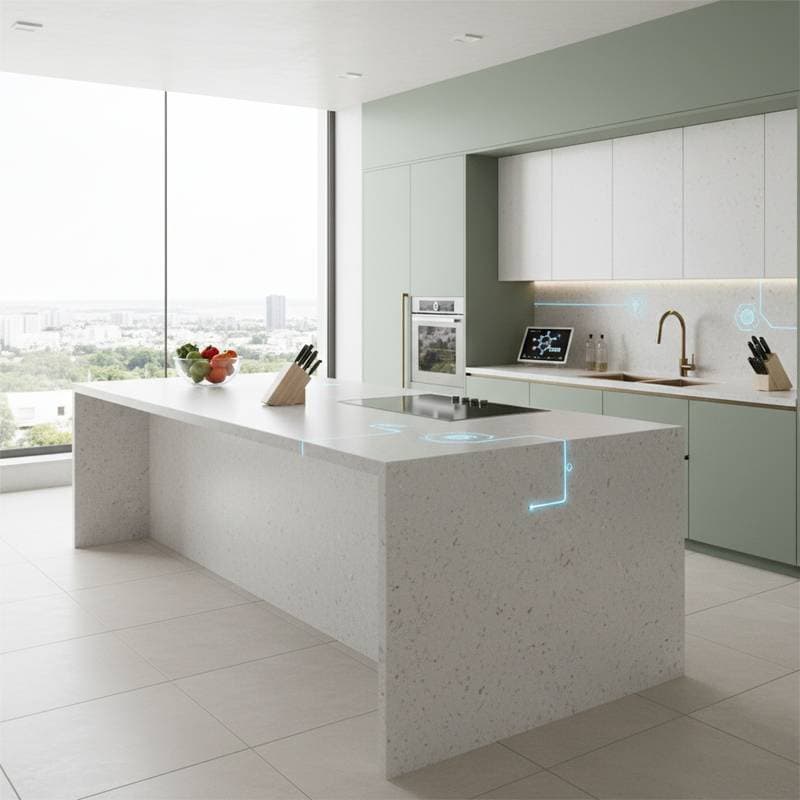
Why Antimicrobial Surfaces Will Dominate Kitchen Design by 2026
Professionals who work daily in residential kitchens recognize the challenges posed by constant exposure to spills, heat, and moisture. These environments serve as high-traffic areas where raw ingredients introduce potential contaminants. Standard materials often fail to prevent bacterial buildup, leading to health risks and premature wear. Antimicrobial surfaces address these issues by incorporating advanced technologies that actively combat germs, resulting in safer, more resilient kitchens with reduced upkeep demands.
Homeowners benefit from these innovations beyond mere aesthetics. Such surfaces enhance overall hygiene while preserving structural integrity over time. This shift toward proactive protection aligns with growing awareness of food safety and home maintenance efficiency.
The Drawbacks of Conventional Countertop Materials
Many traditional countertops, including premium options like granite or wood, develop microscopic fissures and joints over time. These imperfections trap food residues and moisture, fostering bacterial colonies that routine wiping fails to eliminate. Professionals frequently encounter installations where surfaces appear pristine yet conceal mold or persistent odors beneath, necessitating costly replacements.
The financial implications extend beyond initial repairs. Hidden contamination compromises air quality and family health, particularly in households with young children or immunocompromised individuals. Selecting materials without inherent protective qualities often leads to recurring maintenance expenses and diminished property appeal.
Antimicrobial alternatives mitigate these problems through integrated formulations that suppress microbial proliferation. While regular cleaning remains essential, these surfaces ensure that efforts yield more thorough results. In settings where meal preparation occurs daily, this reliability provides substantial peace of mind.
Mechanisms Behind Antimicrobial Protection
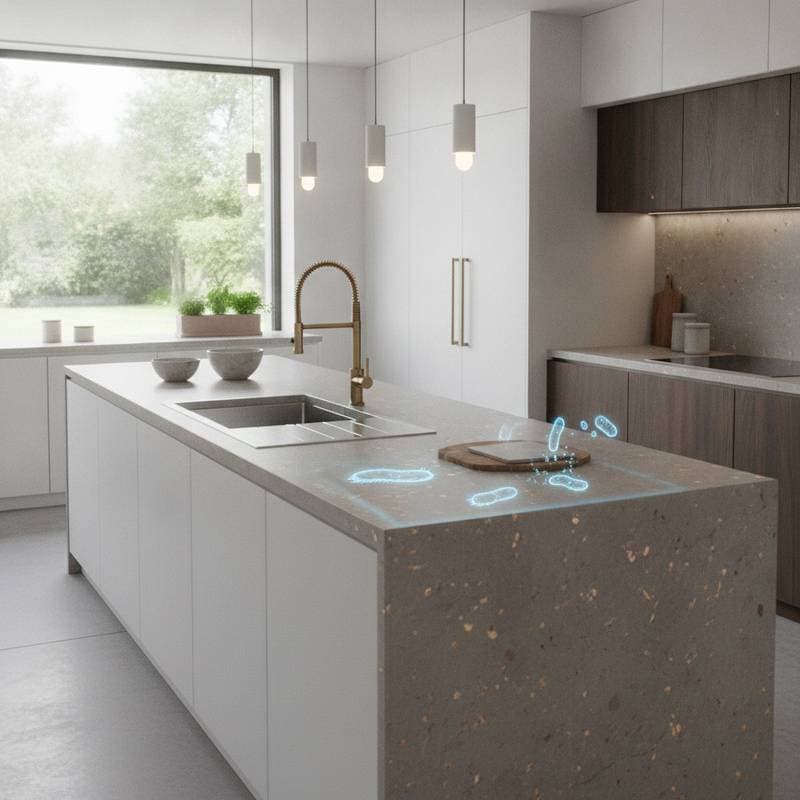
Antimicrobial surfaces embed agents such as silver ions or proprietary polymers directly into the material matrix. These components interfere with bacterial cell functions, preventing reproduction without relying on temporary applications like chemical sprays. Unlike surface treatments that degrade with abrasion, embedded protections endure throughout the product's lifespan.
Common substrates include engineered quartz, solid surface composites, and high-pressure laminates certified for antimicrobial efficacy. Installation best practices, such as seamless edging, further enhance performance by minimizing areas susceptible to ingress. Contractors observe that these features translate to surfaces that maintain cleanliness longer between professional deep cleans.
From an installation perspective, discussing these technologies with clients streamlines project expectations. Homeowners appreciate knowing their investment supports effortless hygiene without frequent interventions. This durability reduces service calls and fosters long-term satisfaction.
Reasons Homeowners Opt for Antimicrobial Upgrades
Health considerations drive many decisions in modern kitchen renovations. Antimicrobial surfaces provide a passive barrier against pathogens, including E. coli and Salmonella, which commonly contaminate food prep areas. This layer of defense proves invaluable for families prioritizing wellness.
Maintenance routines simplify significantly with these materials. Stains and residues adhere less readily, allowing quick wipes with standard cleaners to suffice for daily care. Homeowners report spending less time scrubbing, freeing moments for other activities.
Enhanced longevity represents another key factor. These surfaces withstand etching, cracking, and discoloration better than untreated counterparts, extending usability by years. Fewer imperfections mean reduced opportunities for microbial harboring.
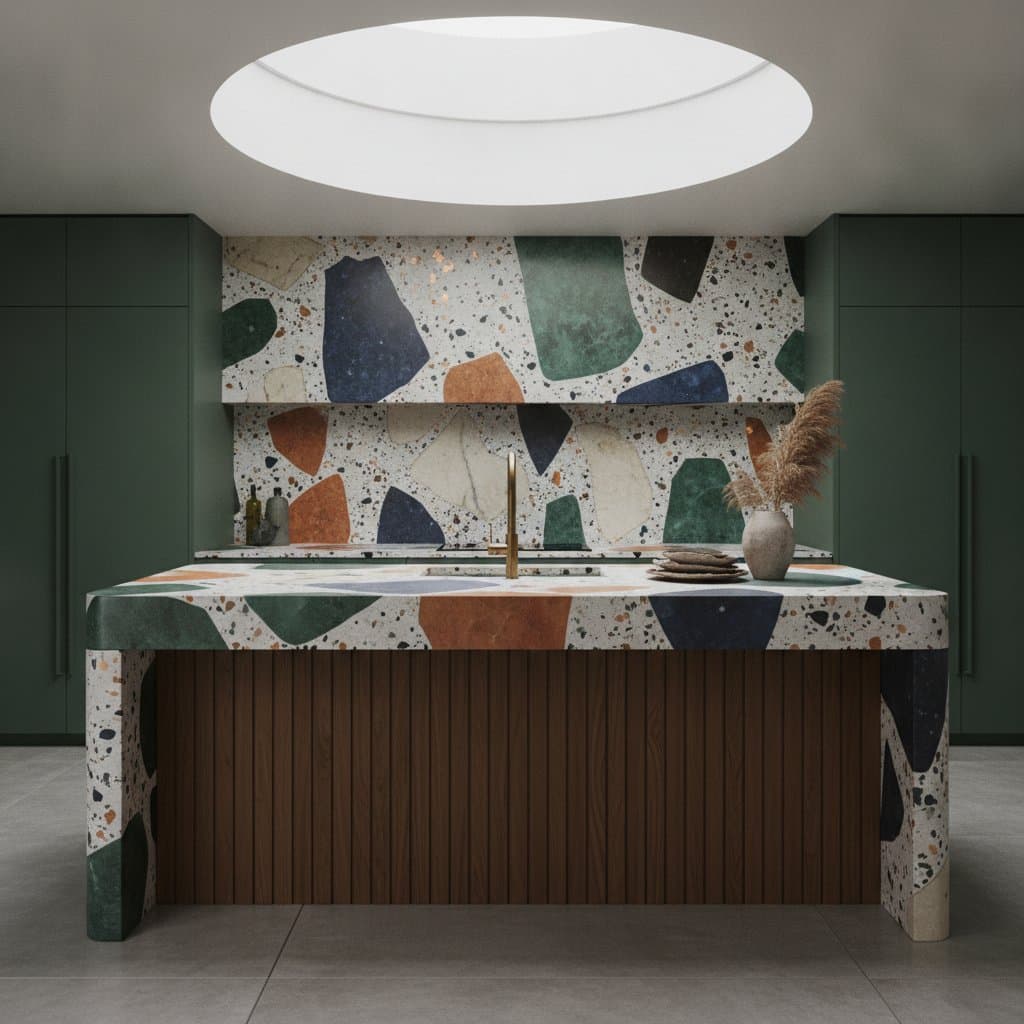
Design versatility ensures integration into any style. Options range from matte finishes mimicking natural stone to glossy hues complementing contemporary palettes. Health benefits thus complement visual appeal without sacrificing personalization.
Market trends favor properties equipped with such features. Prospective buyers scrutinize hygiene elements during viewings, viewing them as indicators of thoughtful upkeep. Incorporating antimicrobials can elevate a home's market position and accelerate sales.
Expert Guidance on Selecting Antimicrobial Products
Product claims vary widely, so discerning genuine efficacy requires scrutiny. Prioritize options backed by independent testing from organizations like NSF International or the EPA. Certifications confirm measurable reductions in bacterial survival rates, often exceeding 99 percent under controlled conditions.
Examine the technology's integration method. Avoid products dependent on leachable coatings, which diminish effectiveness after repeated cleanings. Instead, seek those with molecularly bound agents for consistent performance.
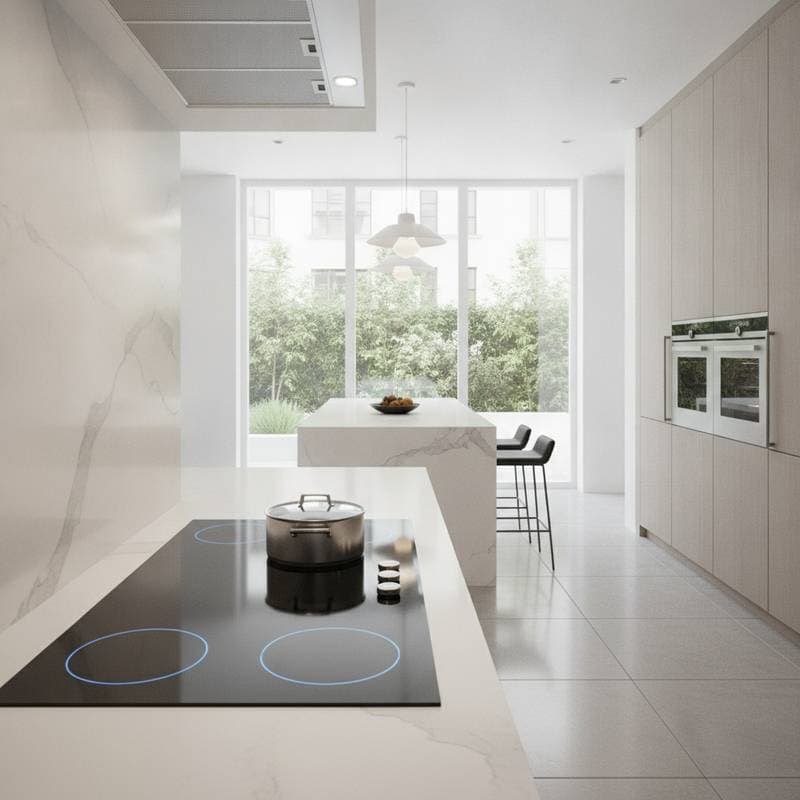
Consult material specifications for compatibility with kitchen demands, such as heat resistance up to 300 degrees Fahrenheit and non-porous qualities. Pair selections with complementary elements like seamless backsplashes and integrated drains to form a cohesive hygienic system.
During consultations, professionals advise evaluating warranties that cover antimicrobial properties explicitly. This assurance protects against performance failures. Thoughtful choices ensure the upgrade delivers on promises of safety and endurance.
Practical Care for Antimicrobial Installations
Routine upkeep mirrors that of high-quality countertops. Apply gentle, non-abrasive cleaners diluted in water, and address spills immediately to prevent etching. Avoid harsh chemicals or scrubbers that could compromise the surface integrity.
Periodic inspections help identify early signs of wear, such as joint separations. Schedule professional resealing for grout areas if applicable, though seamless designs minimize this need. Consistent habits preserve both appearance and protective capabilities.
Investing in antimicrobial surfaces establishes a foundation for superior kitchen functionality. These materials deliver ongoing defense against contaminants while supporting aesthetic and economic value. Homeowners gain environments that prioritize health without complicating daily life, ensuring every space remains a reliable hub for nourishment and gathering.
Long-Term Benefits of Antimicrobial Kitchens
Beyond immediate hygiene gains, these surfaces contribute to sustainable homeownership. Reduced replacement frequency lowers environmental impact from manufacturing and disposal. Energy-efficient cleaning methods further align with eco-conscious practices.
Financial returns manifest in lower ongoing costs and heightened resale potential. Appraisals increasingly factor in advanced features, rewarding forward-thinking renovations. Families enjoy compounded advantages, from safer meals to enduring beauty.
As adoption grows toward 2026, antimicrobial integration becomes standard in premium designs. Early adopters position their homes ahead of evolving expectations, blending innovation with practicality for lasting satisfaction.