Navigating Gas Stove Restrictions and Embracing Induction Cooking
Homeowners across various regions may soon encounter limitations on gas stoves due to evolving regulations. These changes target new constructions primarily, yet they prompt many to reconsider existing kitchen setups. Induction cooking emerges as a compelling alternative, offering enhanced efficiency and safety without the complexities often associated with such transitions.
This guide explores the reasons behind these restrictions, the mechanics of induction technology, and practical steps for integration. By understanding these elements, individuals can make informed decisions that align with both personal needs and broader environmental goals.
Reasons for Gas Stove Limitations
Gas stoves emit pollutants such as carbon monoxide and nitrogen dioxide into indoor environments. Research indicates these substances contribute to respiratory issues, particularly in homes with inadequate ventilation. In response, several municipalities impose bans on gas infrastructure in new developments to curb overall emissions and promote sustainable alternatives.
Such policies extend beyond immediate health concerns; they support larger initiatives to reduce reliance on fossil fuels. For existing homes, these shifts mean limited availability of gas appliances in the future. Homeowners benefit from exploring induction options early, as these systems deliver precise heat without combustion byproducts.
Induction cooktops function through electromagnetic fields that heat compatible cookware directly. This method avoids warming the surrounding air, resulting in up to 90 percent energy efficiency. Consequently, cooking becomes quicker and more controlled, with minimal risk of accidental burns from hot surfaces.
How Induction Cooktops Operate
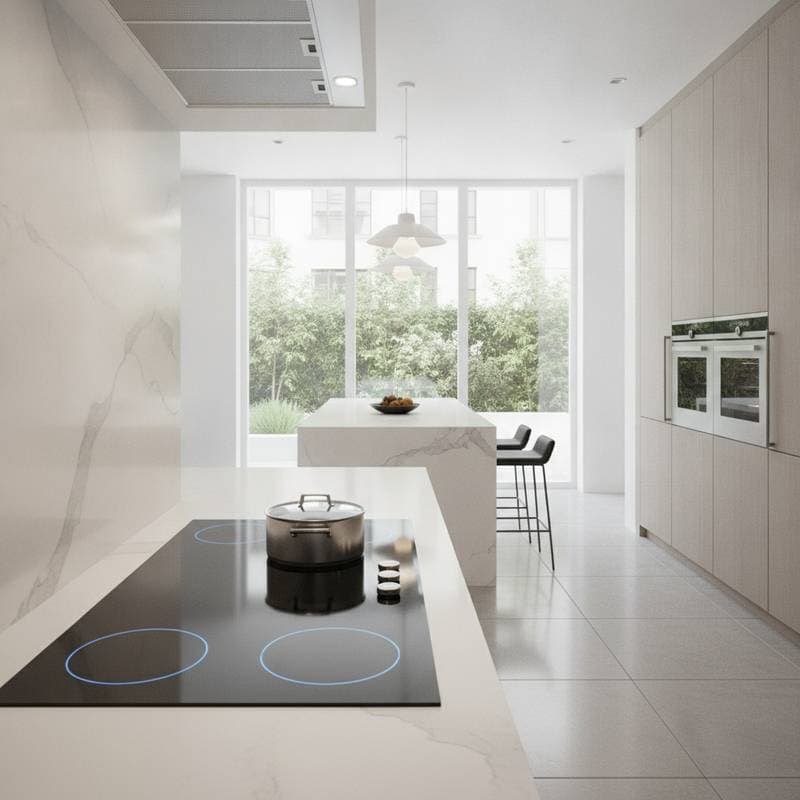
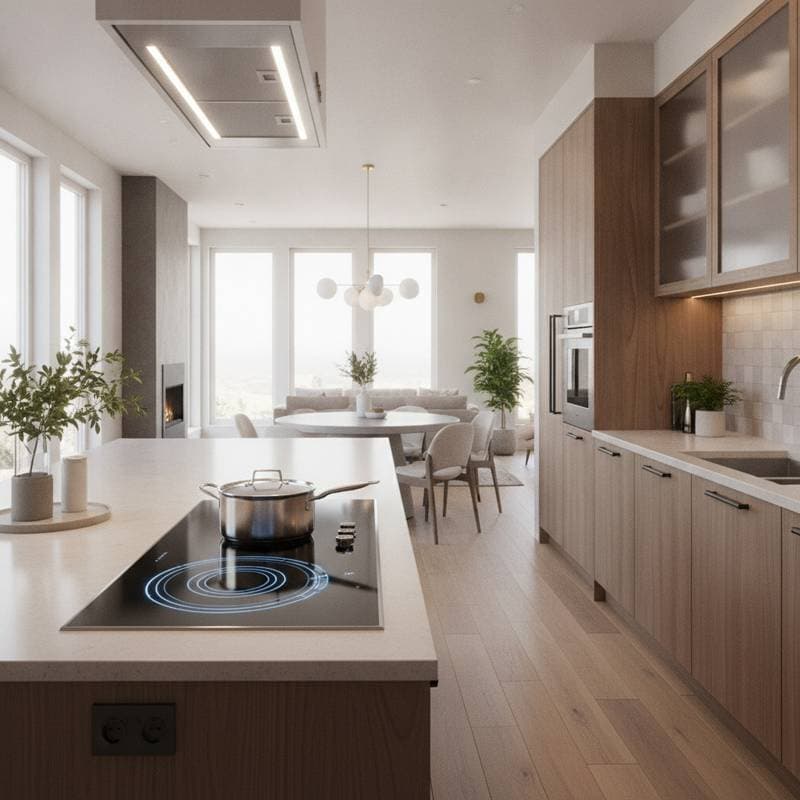
Induction units resemble standard electric cooktops in appearance but rely on a unique energy transfer process. An alternating current generates a magnetic field beneath the glass surface, which induces heat in ferromagnetic materials within the cookware. This direct heating eliminates energy loss common in gas or traditional electric systems.
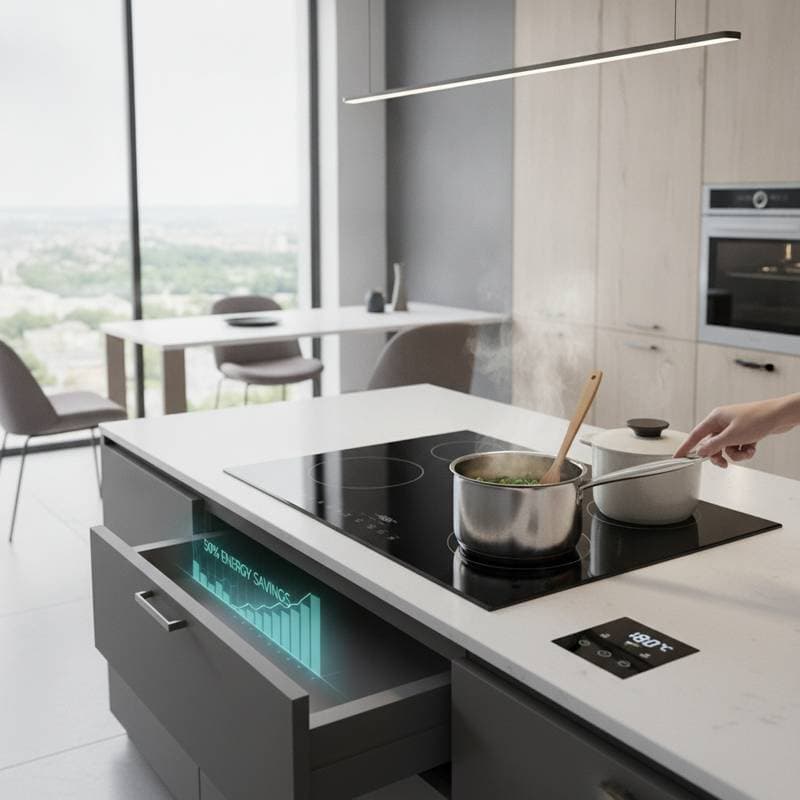
Key advantages include rapid response times; for instance, boiling water requires roughly half the duration compared to gas methods. Temperature regulation proves instantaneous, allowing seamless adjustments during preparation. The cooktop surface remains cooler to the touch, enhancing safety in households with children or frequent entertainers.
Maintenance simplifies further with seamless glass designs that resist staining and clean effortlessly. Users simply wipe away residues without disassembling components. However, compatibility demands attention: only pots and pans with magnetic bases, verifiable by a simple magnet test, function effectively.
Steps for Converting to Induction
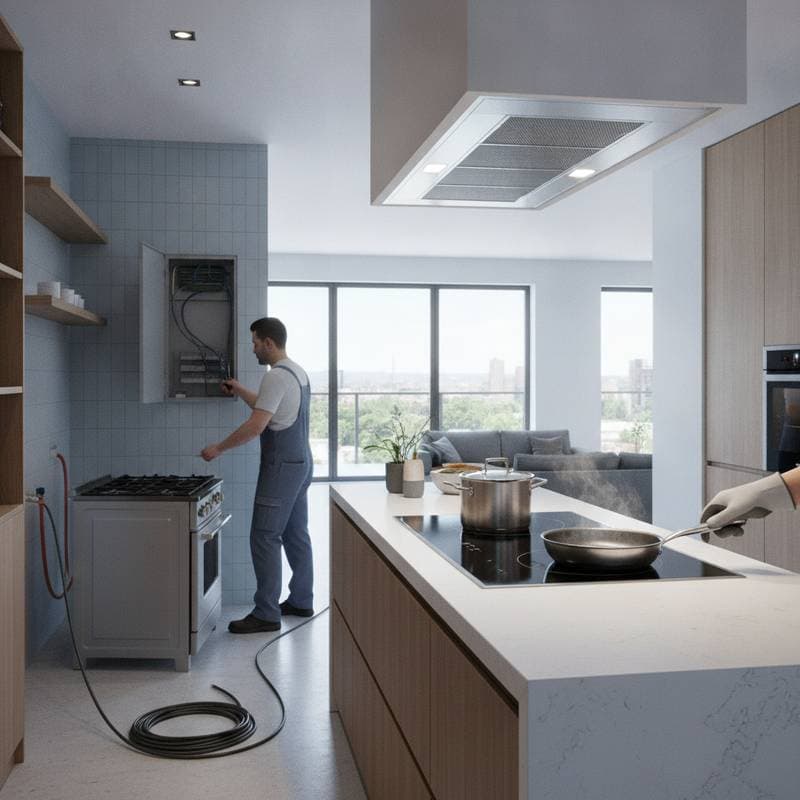
Transitioning from gas requires coordinated electrical modifications, especially if the home lacks sufficient power capacity. Induction models typically demand a 240-volt dedicated circuit, akin to those for electric ovens. Consulting a licensed electrician ensures compliance with safety standards and local codes.
The process unfolds in these structured phases:
-
Disconnect and secure the gas line: A professional caps the line to prevent leaks, adhering to regulatory protocols.
-
Upgrade electrical infrastructure: Install or verify a circuit capable of handling the cooktop's amperage, often 40 to 50 amps.
-
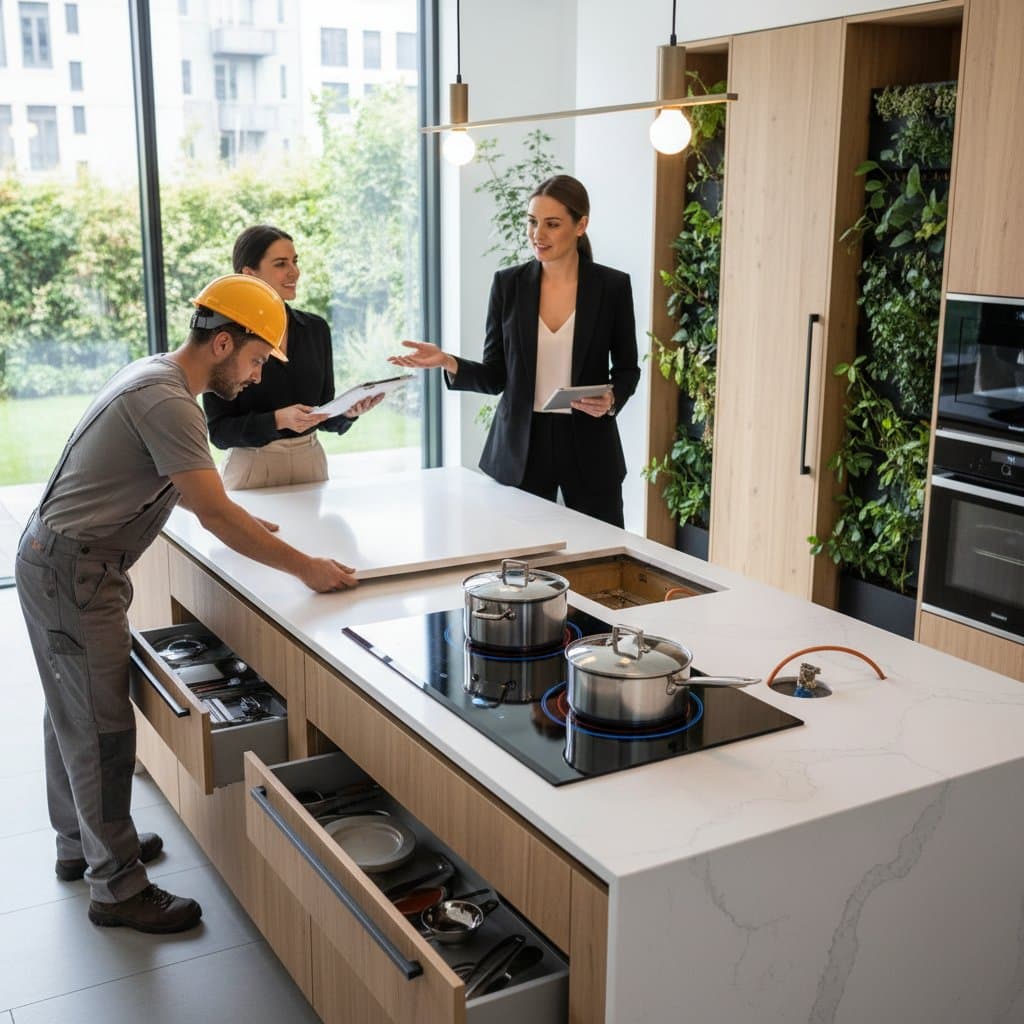
Modify installation space: Resize countertop openings or adjust cabinetry to accommodate the new dimensions, which may differ slightly from gas units.
-
Acquire suitable cookware: Invest in induction-ready items if current sets prove incompatible; many brands offer conversion kits.
Completion generally spans one to two days, minimizing disruption. Post-installation testing confirms even heating and functionality across all burners.
Budgeting for the Switch
Expenses for induction adoption vary based on model features and home requirements. Entry-level portable units suit testing or supplemental use, priced from $100 to $200. These single-burner options connect to standard outlets, ideal for renters or small spaces.
Built-in four-burner cooktops in mid-tier ranges cost $800 to $1,500, providing durability and consistent performance. Premium selections, incorporating Wi-Fi connectivity or touch controls, exceed $2,500. Factor in $300 to $800 for electrical labor, with potential panel upgrades adding $1,000 or more in older properties.
Long-term savings materialize through reduced energy consumption; induction uses 20 to 30 percent less electricity than resistive elements. Shorter cooking durations further lower utility bills. Rebates from utility providers or government incentives may offset initial outlays, particularly in regions prioritizing green upgrades.
Key Factors to Assess Prior to Installation
Evaluate electrical panel capacity first, as outdated systems in pre-1980s homes often necessitate subpanel additions. Local permits streamline the process, ensuring adherence to fire and building codes. Professional assessments reveal any hidden challenges, such as shared circuits that could overload during peak usage.
Ventilation remains essential, despite induction's lack of emissions. Overhead hoods capture moisture and odors effectively; ducted models outperform recirculating ones for thorough extraction. In compact kitchens, under-cabinet vents maintain aesthetics while fulfilling requirements.
For those attached to gas responsiveness, hybrid appliances merge induction surfaces with gas-compatible ovens. These configurations preserve familiar baking results alongside modern stovetop efficiency. Testing via demonstration models in retail settings helps gauge comfort with the technology.
Implementing Your Induction Upgrade
Adopting induction aligns kitchens with progressive energy standards while enhancing daily functionality. Safer operations and precise control elevate cooking experiences, from simmering sauces to searing proteins. Environmental benefits extend to lower household carbon footprints, contributing to community-wide sustainability efforts.
Initiate the process by scheduling an electrician consultation to map electrical needs. Experiment with portable induction tools to familiarize yourself with heat patterns. Select a unit that complements your culinary style, whether focused on speed for weeknight meals or versatility for elaborate gatherings.
This upgrade transforms routine tasks into efficient pleasures, fostering a healthier home environment. With methodical planning, the shift from gas proves rewarding and forward-thinking.