The All-Electric Kitchen Revolution Starts with Induction
The kitchen undergoes rapid transformation, driven by advancements in home design. Induction cooking leads this shift, offering a pathway from gas to electric appliances that fosters creativity and innovation. Homeowners can implement changes gradually, regardless of budget constraints.
Why Induction Leads the Charge
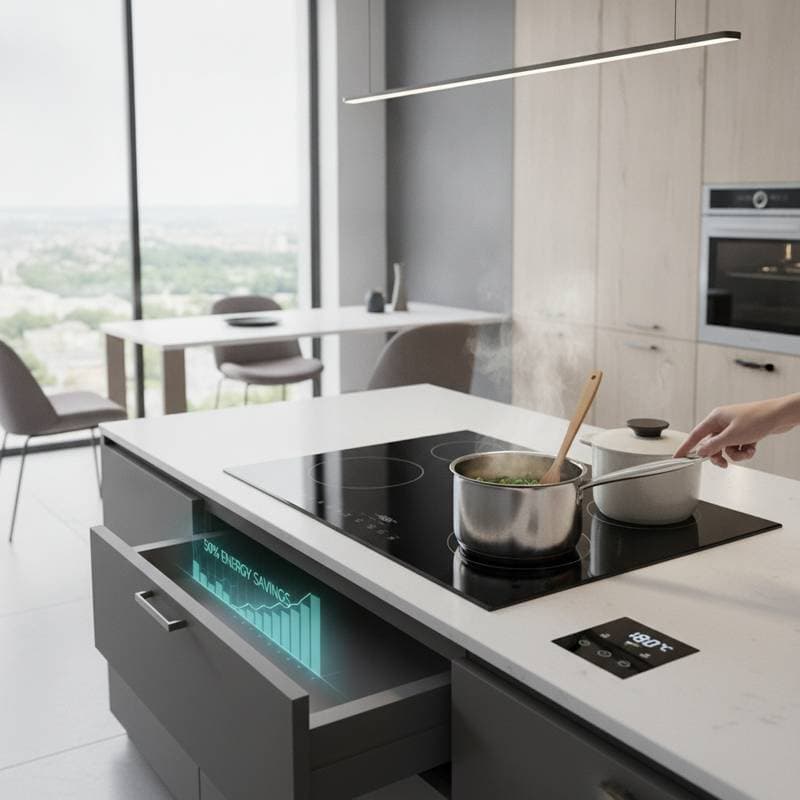
Induction cooking employs magnetic energy to heat cookware directly, bypassing traditional burner heating. This method delivers faster cooking times, maintains cooler kitchen environments, and provides precise temperature control. For instance, water reaches a boil in under two minutes, and adjustments to a simmer occur instantly.
During a recent kitchen renovation project, induction proved ideal when gas installation posed challenges. The resulting cooktop offered a modern appearance, satisfied the clients, and simplified maintenance for the team. Such versatility highlights induction's practical advantages in real-world applications.
Safety and Cleanliness Benefits
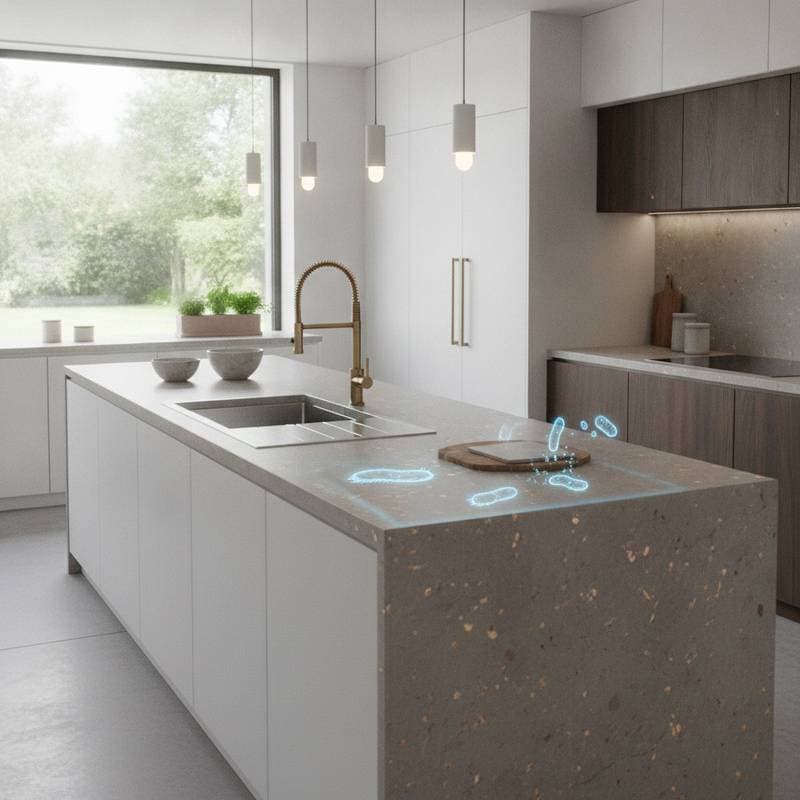
Induction reduces risks associated with open flames, particularly in households with children or pets. The cooktop surface remains cool except where it contacts the pan, minimizing burn hazards. Spills wipe away easily since they do not bake onto the surface.
Renters and those in compact spaces benefit from portable induction burners. These units, available for under fifty dollars in single or double configurations, connect to standard outlets without installation. Built-in models, starting at around eight hundred dollars, deliver performance comparable to premium gas ranges, accommodating various needs.
Environmental and Health Advantages
All-electric kitchens promote healthier indoor air quality by eliminating pollutants from gas combustion, such as nitrogen dioxide. Induction cooking avoids these emissions entirely, ensuring a fresher atmosphere during meal preparation.
Integration with renewable energy sources enhances these benefits. Homeowners with solar panels can power induction cooktops using generated electricity, reducing reliance on fossil fuels. This approach lowers utility costs while supporting environmental sustainability.
Design Flexibility and Aesthetic Options
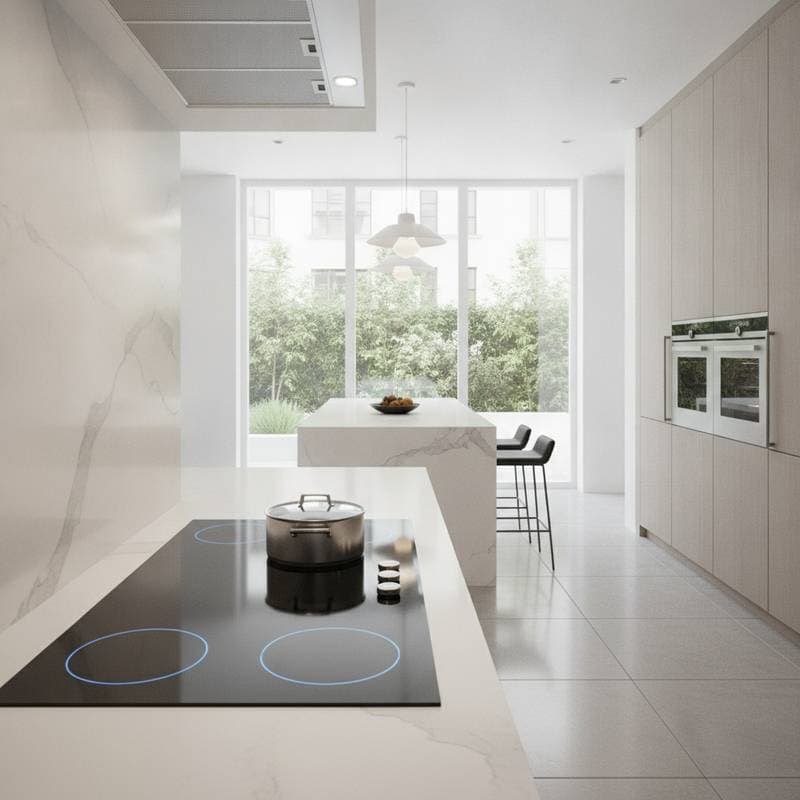
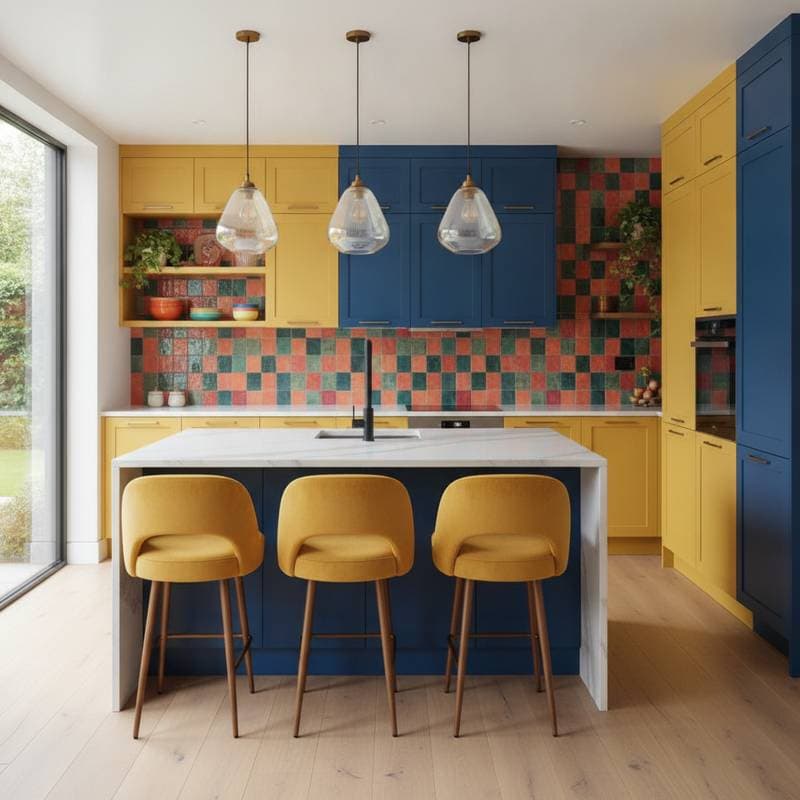
Induction cooktops feature smooth glass surfaces that integrate seamlessly into diverse kitchen styles. Pair them with traditional cabinetry for contrast or with minimalist counters for a unified look. The absence of visible elements creates a clean, contemporary aesthetic.
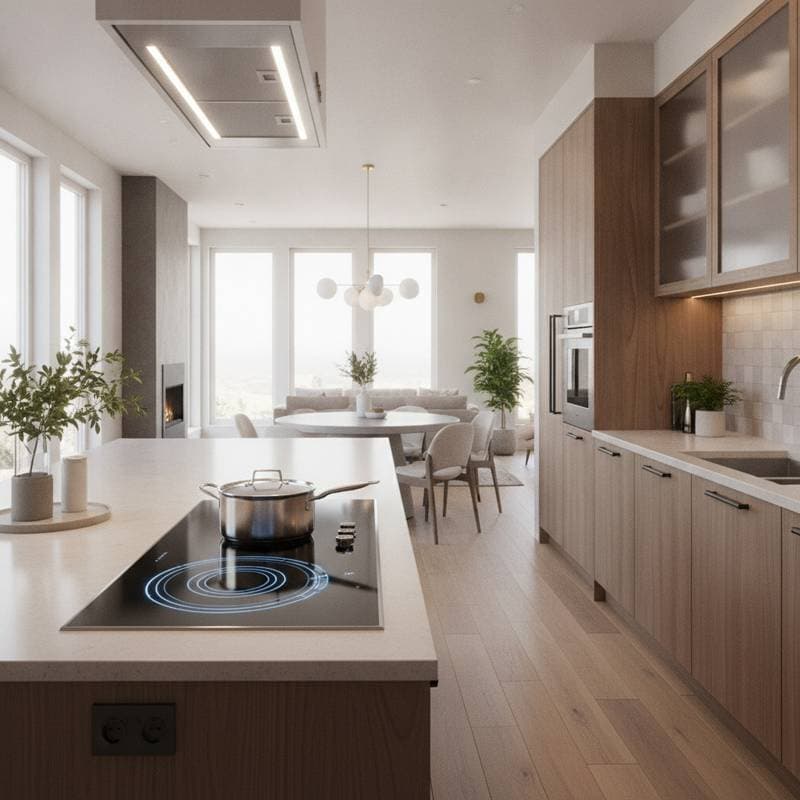
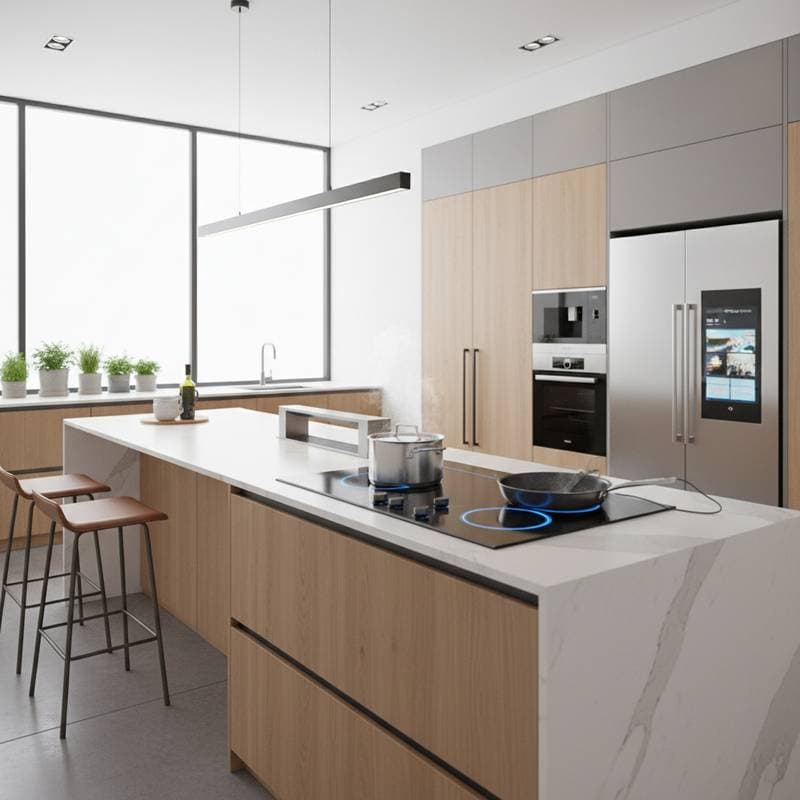
Unlike gas setups, induction requires minimal ventilation, allowing greater layout freedom. Install cooktops on islands, beneath windows, or on mobile carts to adapt to cooking habits. This flexibility aligns kitchen design with daily routines.
For compact areas, a two-burner induction cooktop combined with a wall oven optimizes space. In larger kitchens, a five-burner model with an integrated downdraft vent achieves a streamlined, professional appearance. These configurations expand design possibilities.
Advanced Features for Contemporary Use
Modern induction appliances incorporate intelligent technologies, including automatic pan detection and precise temperature regulation. Smartphone integration enables remote preheating or notifications for recipe progress, streamlining multitasking.
Certain models provide guided cooking interfaces that direct users through recipes. These tools build confidence for novice cooks and support busy schedules. For professionals, such features enable the creation of interactive kitchen environments that enhance user engagement.
Budget Considerations
Induction options scale to fit different financial levels, ensuring accessibility.
- Low budget: Acquire a portable single-burner unit for essential tasks like boiling or sautéing. These devices promote energy savings and quick results without upfront costs.
- Mid-range budget: Select a freestanding induction range to replace an existing stove. Prices begin at one thousand dollars, often including convection ovens and digital controls.
- High-end budget: Invest in a built-in cooktop, wall oven, and custom cabinetry with ventilation solutions. Systems in this category range from three to six thousand dollars, yielding a high-performance setup.
Incremental upgrades allow gradual progression toward a fully electric kitchen, maximizing value at each stage.
Opportunities in Innovation and Product Development
The rise of induction inspires advancements in related products and collaborations. Designers explore efficient cookware and modular systems that embed induction zones into countertops. These innovations demonstrate the technology's adaptability.
Professionals in design and manufacturing should consider impacts on materials, partnerships, and certifications for energy efficiency. Clients increasingly seek sustainable options, positioning induction as a key element in these discussions.
Daily Life with Induction
Adopting induction alters kitchen routines positively. Meals prepare more quickly, surfaces remain manageable, and maintenance requires minimal effort. This efficiency redirects focus toward culinary creativity.
To preserve the cooktop, select cookware with flat bases and lift rather than drag pots. Clean with a soft cloth and mild solution daily. In family settings, demonstrate safe usage by emphasizing pan compatibility.
Steps to Implement Induction
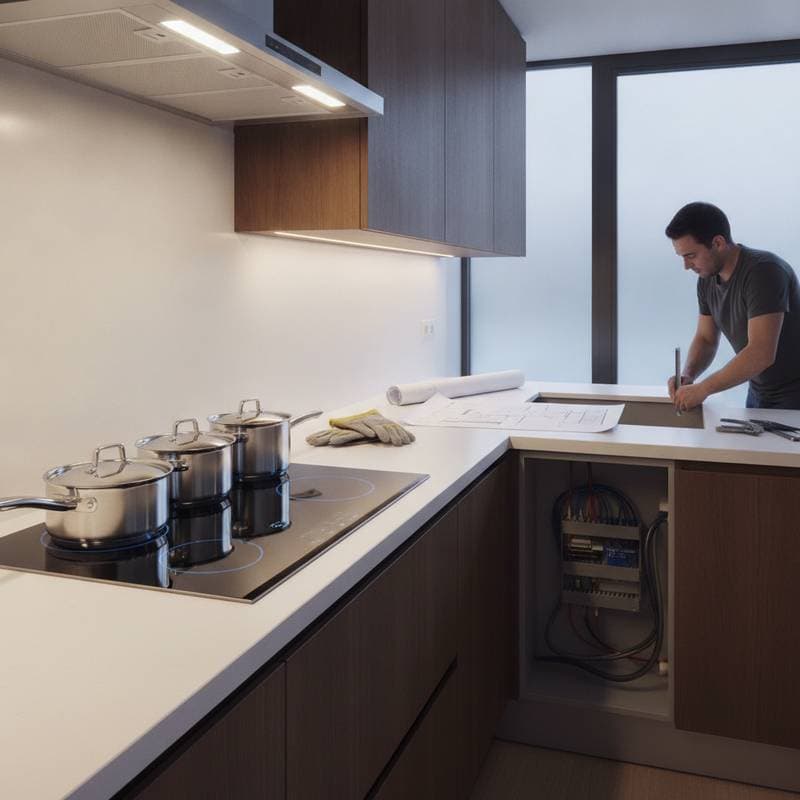
Begin the transition by evaluating electrical capacity and exploring rebates for efficient appliances. Test a portable unit to gauge performance before committing to larger installations.
Homeowners, renters, and designers alike find induction unites innovation, safety, and elegance. Beyond gas replacement, it redefines cooking, living, and communal experiences centered on food.