Why Induction Cooking Excels in Energy Efficiency
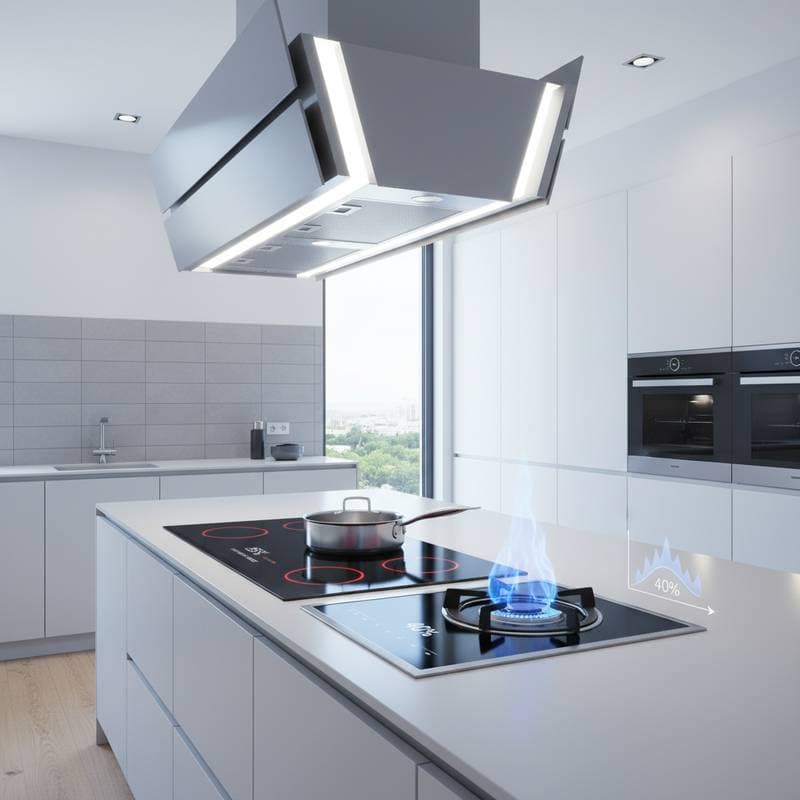
Induction cooktops transfer 85 percent of energy directly to cookware, far surpassing the 40 percent efficiency of traditional gas stoves. This direct electromagnetic heating eliminates the need to warm the surrounding air or cooktop surface, resulting in faster boil times and precise temperature control. Home cooks appreciate the immediate response, which allows for adjustments as subtle as a simmer or sear without delays.
Gas systems lose significant heat through flames that escape upward or dissipate sideways, contributing to higher utility bills and warmer kitchens. In contrast, induction keeps the cooking area cool to the touch, reducing the risk of burns and simplifying cleanup. These advantages position induction as a practical upgrade for energy-conscious households.
Essential Considerations for Induction Adoption
Cookware Compatibility
Induction technology requires cookware with a magnetic base, such as cast iron or certain stainless steel varieties. To check existing pots and pans, hold a refrigerator magnet against the bottom; if it adheres firmly, the item works with induction. Non-compatible pieces, like aluminum or glass, fail to heat because they do not respond to the magnetic field.
For those building a collection, prioritize flat-bottomed pots with smooth, ferrous bases to maximize contact and efficiency. Many manufacturers now label induction-ready cookware clearly, and affordable adapters exist for legacy items. This setup ensures even heating and prevents hot spots that could affect cooking results.
Countertop and Installation Fit
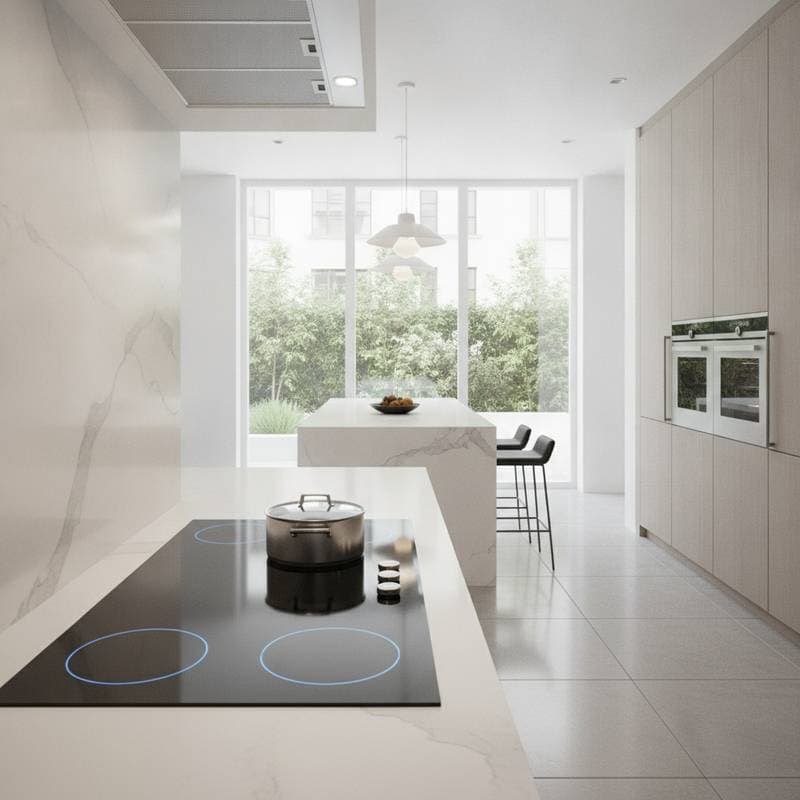
Standard induction cooktops measure approximately 30 inches wide, fitting most existing cutouts designed for gas or electric ranges. Measure your current opening precisely, including depth and height clearances, to avoid surprises during installation. Some models offer flexible zones that adapt to various pan sizes, enhancing versatility on limited surfaces.
If your kitchen features non-standard dimensions, consider built-in or portable units that accommodate unique layouts. Professional measurements during planning prevent costly modifications, ensuring the cooktop integrates smoothly with cabinets and backsplashes.
Environmental and Health Benefits
Gas stoves produce nitrogen dioxide, carbon monoxide, and particulate matter during combustion, which can compromise indoor air quality. In well-insulated modern homes, these pollutants linger longer, potentially exacerbating asthma or allergies. Health organizations highlight the risks, particularly for children and those with sensitivities.
Induction eliminates combustion entirely, relying on electricity to generate heat within the cookware itself. This approach yields zero direct emissions, fostering a fresher cooking space when combined with range hoods or ventilation fans. The result is a healthier environment that supports daily meal preparation without added irritants.
Environmentally, induction aligns with sustainable practices by leveraging renewable energy sources like solar or wind power. As electrical grids incorporate more clean energy, the carbon footprint of cooking shrinks dramatically compared to fossil fuel-dependent gas. Over time, this shift contributes to broader reductions in household emissions.
Analyzing Long-Term Financial Impacts
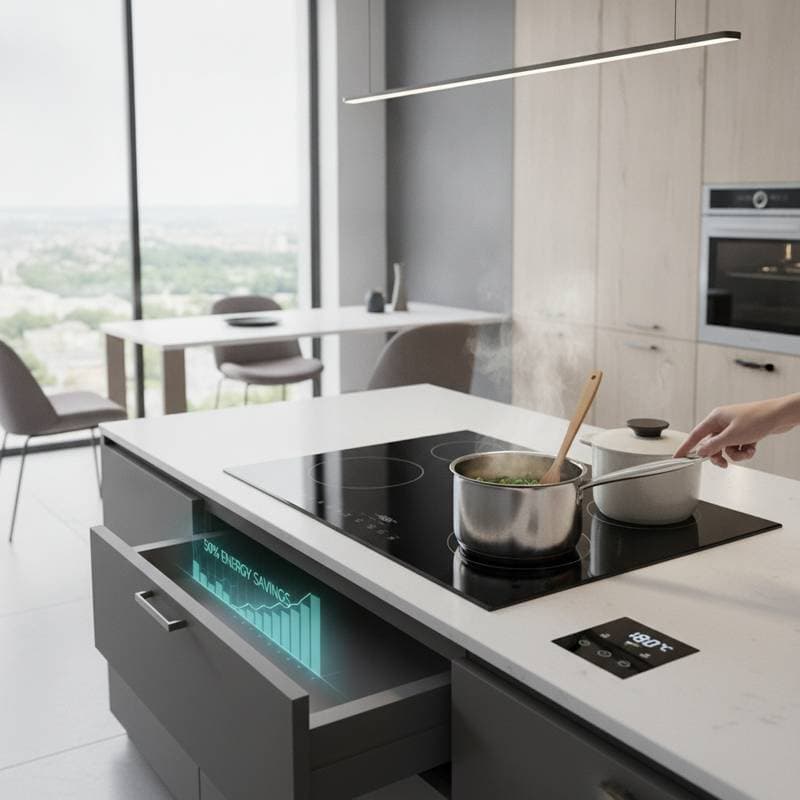
Initial costs for induction cooktops range from $1,000 to $3,000, exceeding basic gas models by 20 to 50 percent. Yet, the higher upfront investment recoups through operational savings. With 85 percent energy transfer, electricity usage drops by up to 50 percent versus gas, translating to annual savings of $100 or more in utility expenses for average households.
Maintenance further favors induction, as sealed surfaces resist spills and require no cleaning of grates or igniters. Gas systems demand periodic checks on lines and valves, adding service fees over years. In regions with escalating gas rates or rebates for efficient appliances, payback periods shorten to two or three years.
For frequent cooks, the precision of induction reduces food waste from overcooking or uneven heating. Pair this with smart features in newer models, such as timers and auto-shutoff, to optimize energy use and extend appliance life.
Professional Installation Guidance
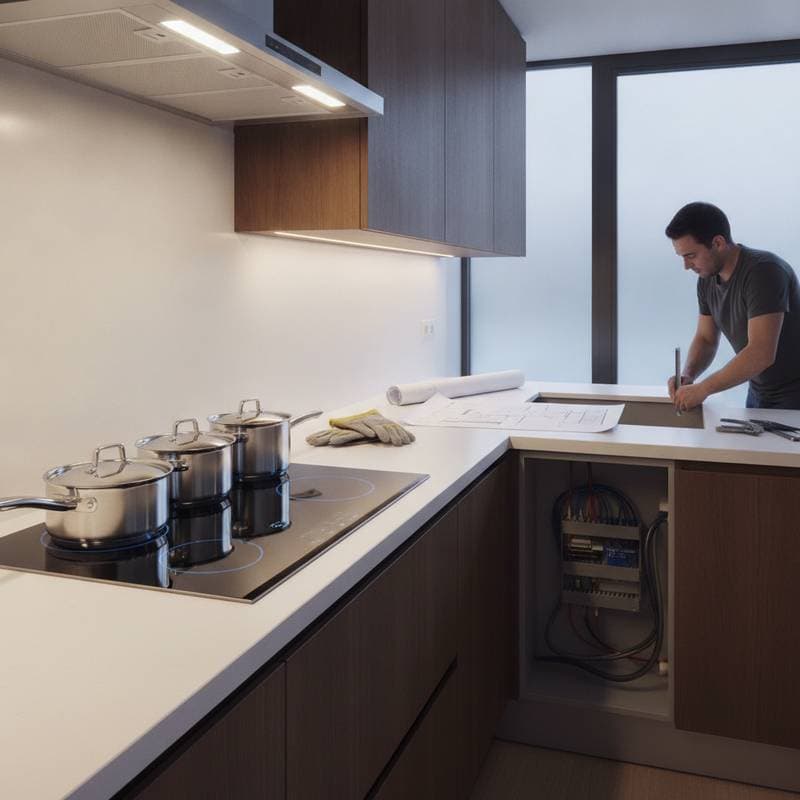
While experienced DIY enthusiasts manage basic swaps, most installations benefit from a licensed electrician's expertise. Upgrading demands a 240-volt circuit capable of 40 to 50 amps, often requiring panel assessments to confirm capacity. Local codes mandate permits and inspections to ensure safety and compliance.
Switching from gas involves capping the fuel line securely to prevent leaks, a task best left to professionals. Coordinate with kitchen remodelers if countertops or cabinets change, as precise cutouts and ventilation placements avoid future adjustments. Budget $500 to $1,500 for installation, depending on home age and electrical setup.
Post-installation, test all burners and controls thoroughly. Address any issues promptly to maintain warranty coverage and performance standards.
Steps to Integrate Induction into Your Kitchen
Begin your transition by evaluating electrical infrastructure through a panel inspection. Next, inventory cookware for magnetic compatibility and identify gaps to fill affordably. Research models from reputable brands, focusing on features like bridge zones for large pans or Wi-Fi connectivity for recipe integration.
Set a realistic budget that includes installation and potential incentives from utility providers. Visit showrooms to experience the responsive heat firsthand, confirming it suits your cooking style. With planning, the switch enhances daily routines without disruption.
Realizing the Full Value of Induction
Adopting induction transforms cooking into a more efficient, secure, and enjoyable process. The technology's maturity brings reliable performance in sleek designs that complement any aesthetic. Homeowners gain not just savings but also the confidence of a forward-thinking kitchen equipped for sustainable living.
From quick weeknight dinners to elaborate gatherings, induction adapts seamlessly, delivering consistent results with minimal effort. This evolution in cooking methods empowers users to focus on flavors and creativity, free from outdated inefficiencies.