Why Induction Cooktops Are Replacing Gas Stoves
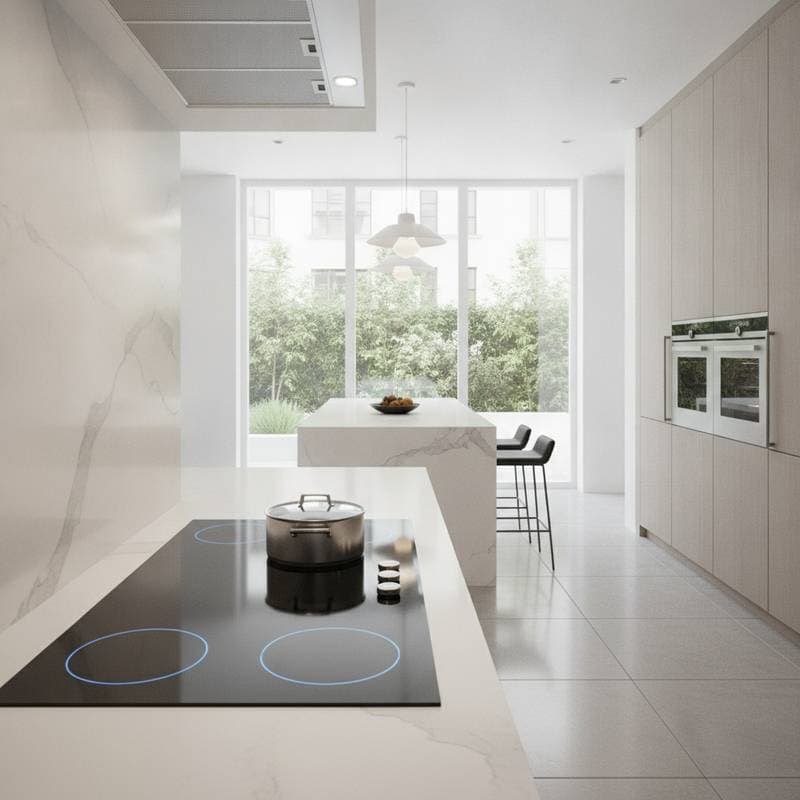
Picture a kitchen where water boils in moments, without the flicker of an open flame or the escape of excess heat into the air. The cooktop surface remains safe to touch, even during intense cooking sessions. This scenario describes an induction cooktop, a technology gaining widespread adoption among homeowners. The transition from gas stoves stems from tangible benefits in performance, safety, and efficiency, rather than mere fashion.
Homeowners increasingly consider induction as a viable alternative to gas. This shift accelerates due to advantages in air quality, reduced expenses, and superior cooking control. The following sections explore the key drivers of this trend and provide guidance on evaluating induction for your own space.
Key Reasons Homeowners Choose Induction Over Gas
Practical factors propel this change. Homeowners frequently highlight these elements when explaining their decision.
Faster and More Precise Cooking
Induction cooktops heat pots directly, boiling water in about half the time required by gas burners. Adjustments to heat levels occur instantly, akin to flipping a switch. Users accustomed to the gradual response of gas flames appreciate this responsiveness right away.
Exact temperature management stands out as a significant benefit. This capability suits tasks like preparing delicate sauces, melting chocolate evenly, or maintaining a gentle simmer for soups, all without the risk of burning.
Improved Indoor Air Quality
Gas stoves emit nitrogen dioxide, carbon monoxide, and additional combustion byproducts. Ventilation systems like range hoods capture only a portion of these substances, leaving residues in the home. Research associates gas stove operation with elevated instances of respiratory issues, particularly among children.
Induction cooking avoids combustion processes altogether. As a result, it produces no emissions, prevents soot accumulation, and enhances overall air purity. Families dealing with allergies or asthma often report improvements shortly after installation.
Greater Energy Efficiency and Lower Costs
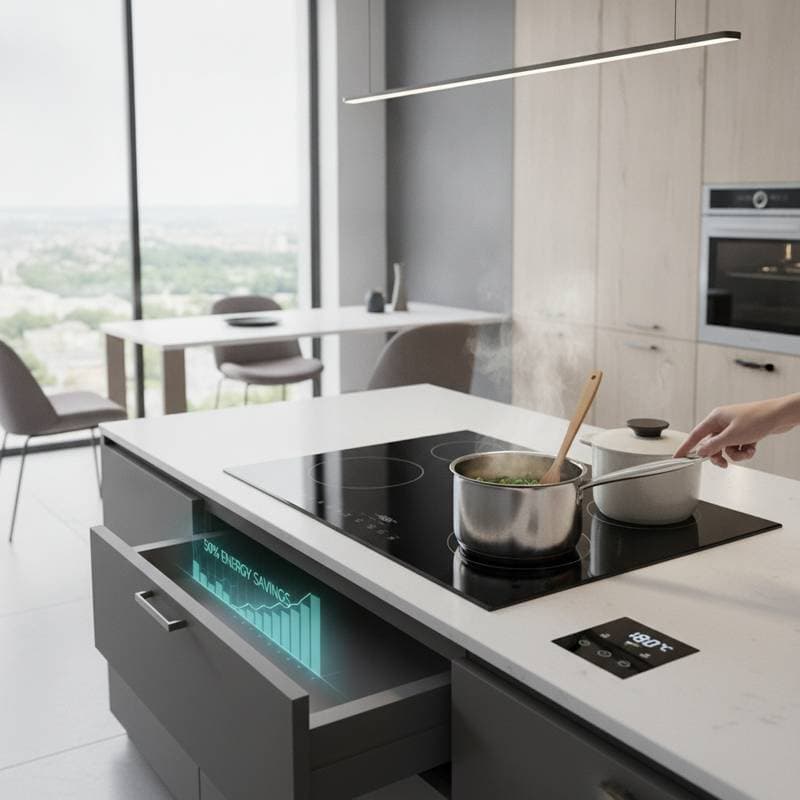
Induction delivers heat straight to the cookware, minimizing energy loss. Although initial prices exceed those of gas models, operational expenses prove more economical over time.
A standard induction unit consumes 2 to 3 kilowatt-hours during active use. With typical electricity rates, daily cooking for a household might yield savings of 10 to 20 percent relative to gas. These reductions accumulate substantially across years of service.
Enhanced Safety Features
The cooktop surface stays cool outside the area of cookware contact, lowering burn risks for children and seniors. Absence of open flames eliminates chances of unintended fires or gas escapes.
Many models incorporate sensors that deactivate power upon removal of a pan. This automatic function contributes to induction's appeal in safety-conscious households.
Simplified Cleaning and Upkeep
Gas grates demand thorough scrubbing to remove residue. In contrast, induction's smooth glass tops clean easily with a damp cloth. Spills rarely harden, as the surface avoids extreme temperatures that char food.
Upkeep remains straightforward and inexpensive. No inspections of gas lines, ignition systems, or clogged components prove necessary.
Broader Environmental and Regulatory Influences
Numerous municipalities promote or mandate electric appliances in new constructions to support climate objectives and healthier indoor environments.
Incentive programs from utilities proliferate, even absent local mandates. Rebates ranging from 100 to 500 dollars assist in covering upfront investments for induction upgrades.
Environmentally, induction curtails direct pollutant output by depending on electricity, a sector shifting toward renewables. Individuals seeking to diminish their ecological impact find this aspect particularly valuable.
Steps to Transition to Induction
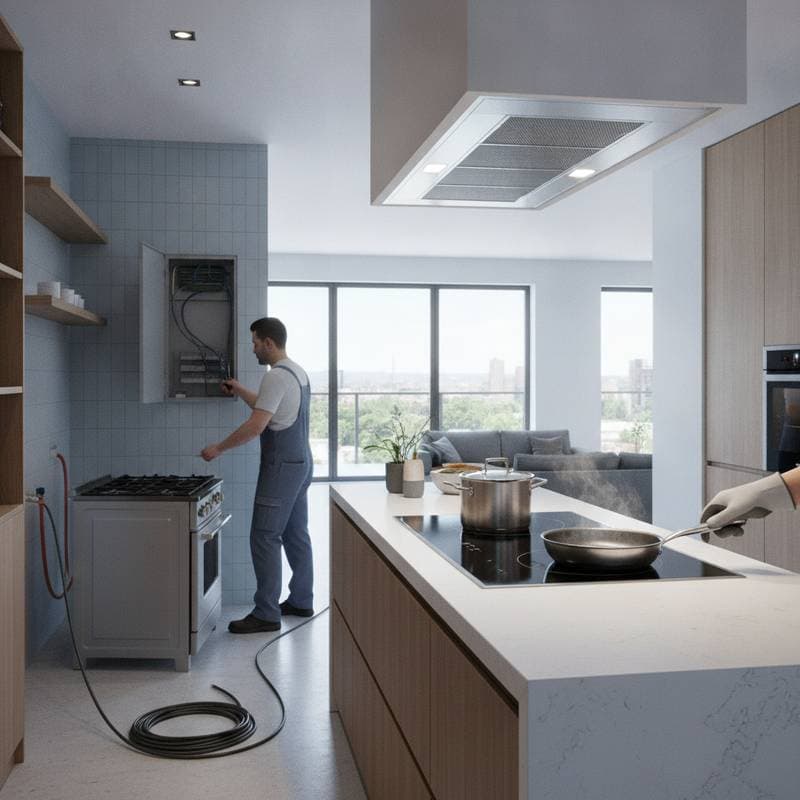
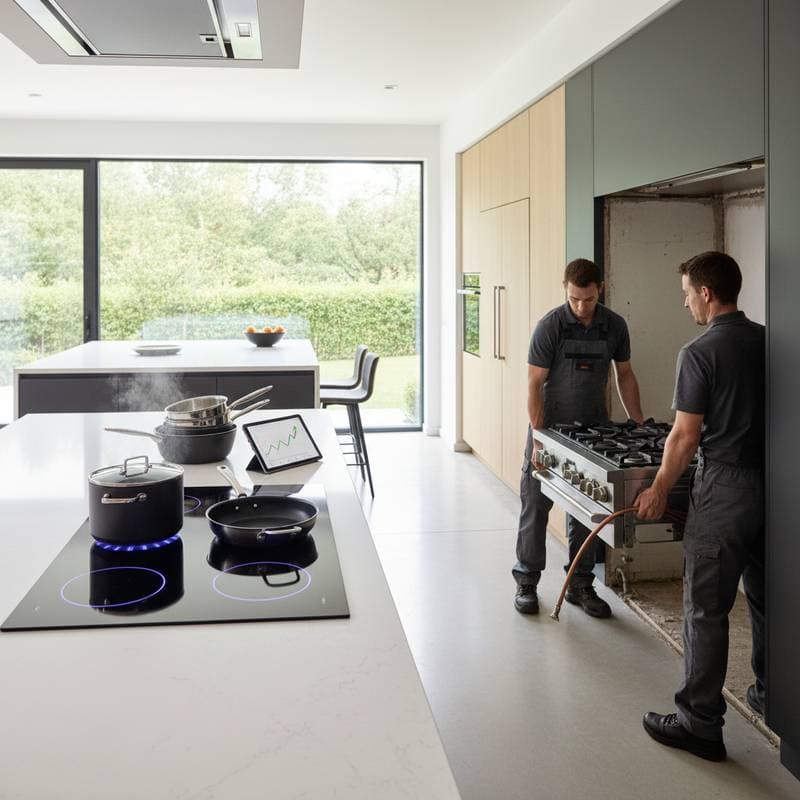
To proceed with an upgrade, first evaluate your kitchen's electrical infrastructure. Engage a qualified electrician to verify if the circuit panel supports the additional demand.
Select models aligned with your preferences and finances. Prioritize these aspects:
- Power outputs and adaptable burner configurations
- Accuracy of controls and user interface ergonomics
- Extent of manufacturer warranties and local support options
- Operational noise from fans and cooling mechanisms
After installation, allow an adjustment period. Expect quicker boiling times and immediate heat responses, often requiring lower settings than with gas.
Maximizing Benefits from Your Induction Setup
Integrate induction into daily routines to fully realize its advantages. Experiment with recipes that leverage precise heat for consistent outcomes. Over time, the combination of efficiency, safety, and ease fosters a more enjoyable cooking experience, aligning with modern demands for sustainable and practical kitchen solutions.