Revolutionize Rooms with Mood-Responsive Lighting
A room's atmosphere shifts dramatically with alterations in lighting. The living room might appear stark under evening illumination, while the home office could seem lackluster during daylight hours. Lighting profoundly impacts feelings, concentration, and relaxation, yet it remains an underappreciated aspect of interior design. Mood-responsive lighting addresses this oversight by aligning with natural rhythms and emotional needs, thereby reshaping the home's overall ambiance.
What Mood-Responsive Lighting Entails
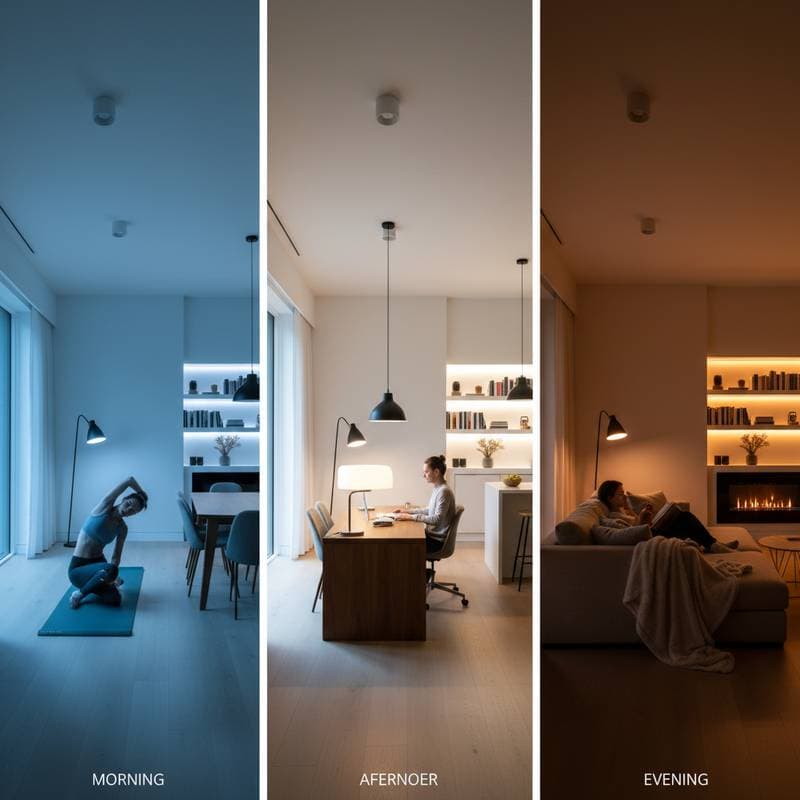
Mood-responsive lighting, sometimes referred to as circadian or biodynamic lighting, automatically modifies brightness and color temperature to synchronize with the body's internal clock. This approach replicates the progression of natural sunlight throughout the day. Bright, cool light in the morning promotes wakefulness and alertness. Dim, warm light in the evening facilitates relaxation and sleep preparation.
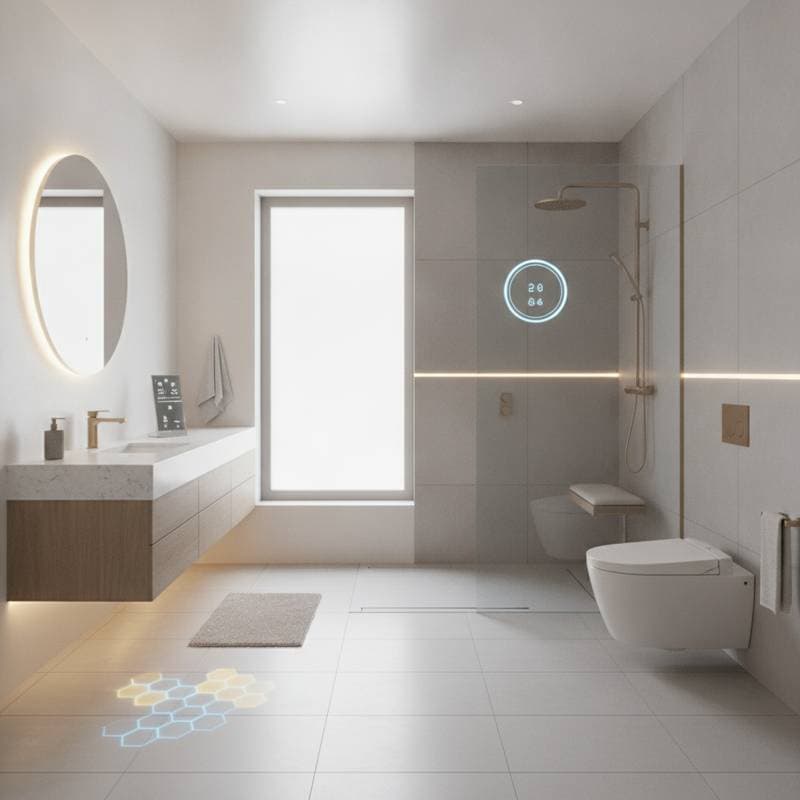
Advanced systems extend beyond time-based adjustments by incorporating responses to activity levels or emotional states. Lights might transition to soothing amber hues during evening routines or intensify to clear white tones at the start of work sessions. The primary objective is to foster an environment that bolsters daily activities and emotional health seamlessly.
The Influence of Lighting on Mood and Energy Levels
The body depends on light signals to manage sleep patterns, attention spans, and hormone production. Inconsistent lighting, such as intense illumination at night or subdued light during the day, disrupts the circadian rhythm. This disruption frequently results in exhaustion, diminished focus, or interrupted sleep. Mood-responsive systems counteract these effects by providing appropriate light quality precisely when required.
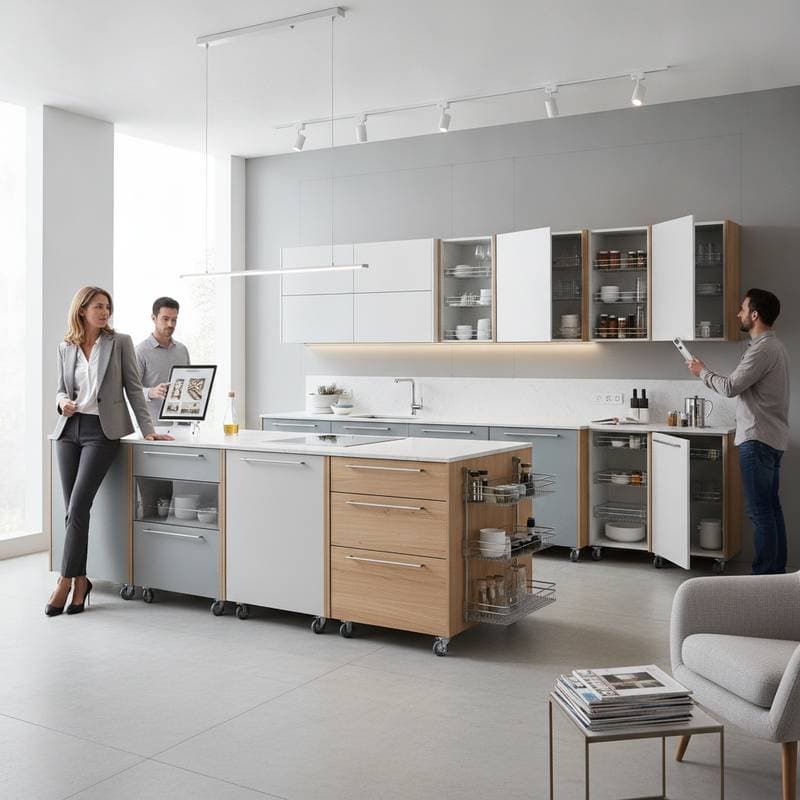
Consider a kitchen scenario where lights shift from vivid white in the morning to gentle golden tones at dinner. This adjustment enhances morning vitality and promotes evening calm. Consistent application of such changes cultivates a more harmonious and inviting home environment over time.
Steps to Implement Mood-Responsive Lighting
Transitioning to mood-responsive lighting requires no extensive renovation. Begin modestly and scale according to financial resources. Follow this structured approach:
- Incorporate smart bulbs. Substitute bulbs in primary areas with adjustable models. Reputable smart bulbs range from $15 to $35 per unit and support variable color temperatures and intensities.
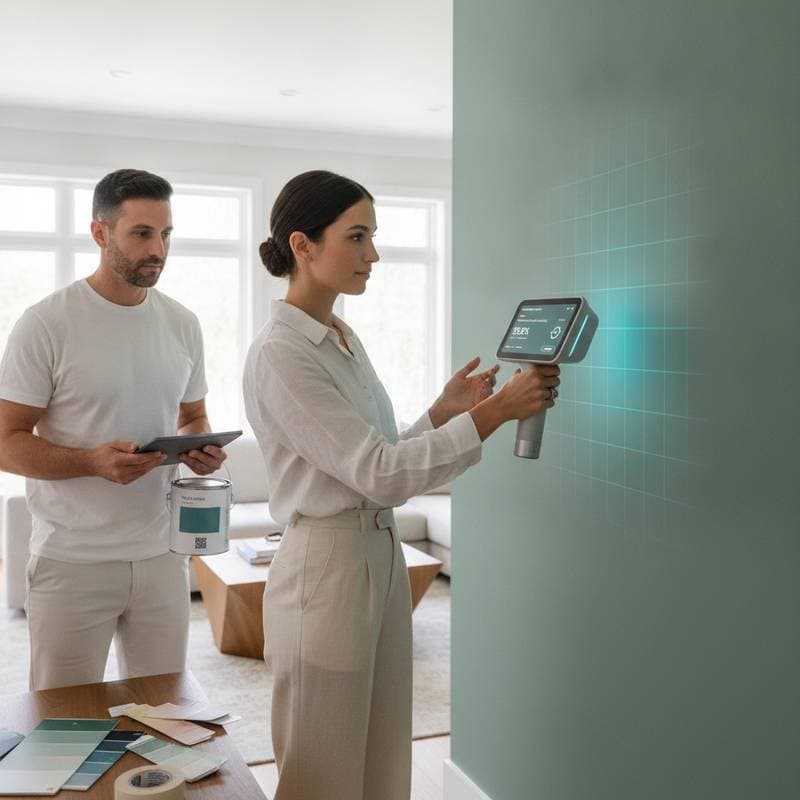
- Integrate a smart hub or application for control. Schedule transitions or define scenes like "focus mode," "relaxation," or "evening wind-down." Most bulbs link via Wi-Fi or Bluetooth, eliminating additional wiring needs.
- Establish lighting zones. Categorize fixtures by space or function. Align kitchen and living room lights with natural daylight cycles, while configuring bedroom lights for consistently softer, warmer settings.
- Incorporate sophisticated sensors. Premium setups, priced from $500 to $1,500 per room, utilize motion detection, voice commands, or biometric data like heart rate for automated adjustments.
Key Practical Factors
Cost Breakdown: Assemble a fundamental setup with several smart bulbs and app integration for less than $200. Mid-tier configurations featuring zoned controls and intelligent switches typically cost $1,000 to $2,500. High-end biodynamic systems, fully embedded in home automation, surpass $5,000 based on area size and intricacy.
Installation Complexity: Bulb replacement qualifies as a simple task suitable for novices. Fitting smart switches or centralized controls demands basic electrical expertise. Disconnect power sources prior to any wiring modifications. Engage a certified electrician if uncertain; professional services add $200 to $400 per room.
Regulatory Compliance: Standard lighting enhancements seldom necessitate permits. However, wiring alterations or new circuit installations may fall under local building codes. Verify requirements with local authorities or a professional contractor prior to commencement.
Energy Savings: Systems based on LED technology consume significantly less power than conventional bulbs. Upgrading from outdated fixtures yields reduced utility expenses in the long term.
Ongoing Maintenance: Smart bulbs endure for multiple years, though regular software updates and connectivity verifications prove essential. Update applications routinely and replace bulbs upon failure.
Integrating Lighting for Optimal Daily Living
View mood-responsive lighting as an enhancement to both aesthetics and wellness. Prioritize high-traffic areas like the kitchen, office, or bedroom for initial implementation. Evaluate the impact of various settings on personal comfort and efficiency, refining configurations progressively for intuitive results.
Emphasize warm, subdued evening illumination to improve sleep quality. Opt for bright, cool morning lights to elevate energy. These tailored adjustments harmonize with individual routines, yielding a supportive living space from dawn until dusk.
Strategic lighting elevates beyond mere visibility. It nurtures emotional balance, vitality, and physical health consistently. Through methodical integration, homes evolve into sanctuaries that align with natural cycles.