Gas Bans Ignite Demand for Induction Kitchen Upgrades
Imagine relying on a gas stove for decades, appreciating its responsive flame and quick heating. Recent news about gas restrictions in various cities prompts questions about the future of home cooking. Appliance retailers now highlight electric induction options, signaling a potential need for change.
Homeowners face a mix of uncertainty and pressure as these bans spur upgrades. Induction cooktops emerge as a popular choice, balancing performance with practicality. The following sections provide a straightforward overview of gas restrictions, induction mechanics, conversion expenses, and strategies for a seamless transition.
Understanding Induction Cooking Technology
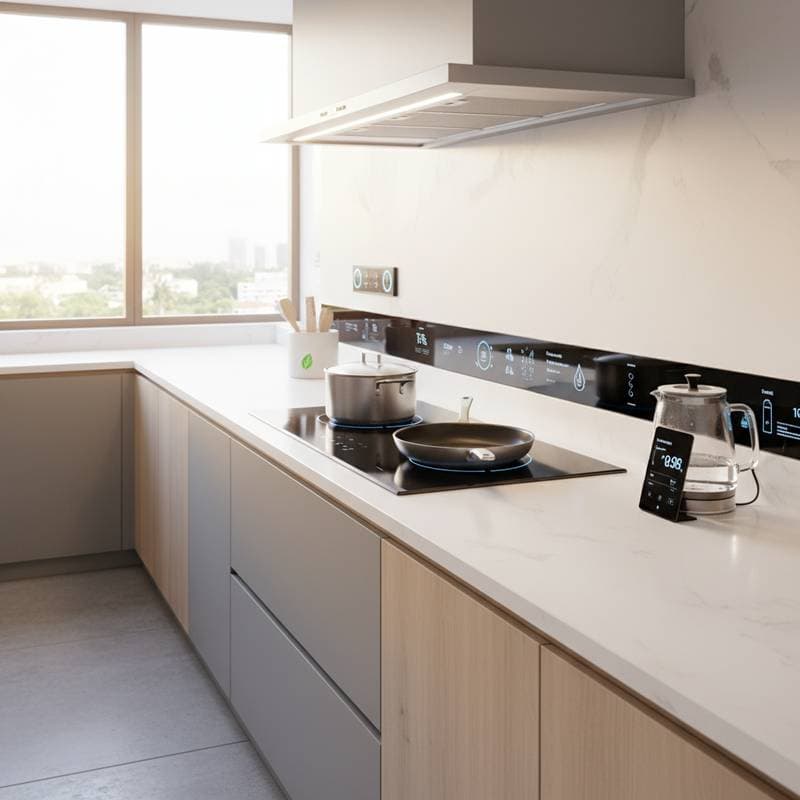
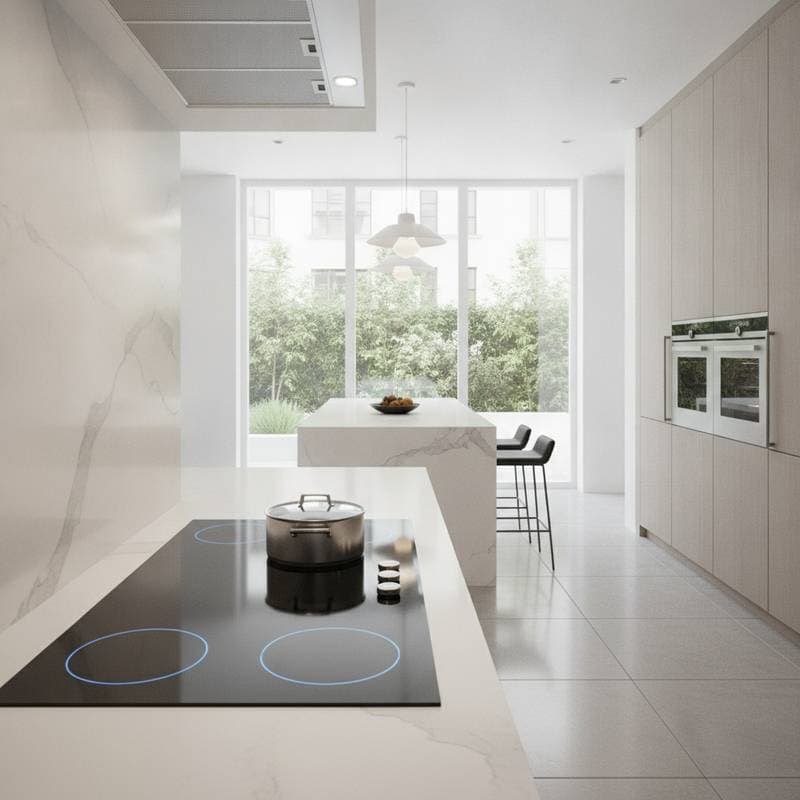
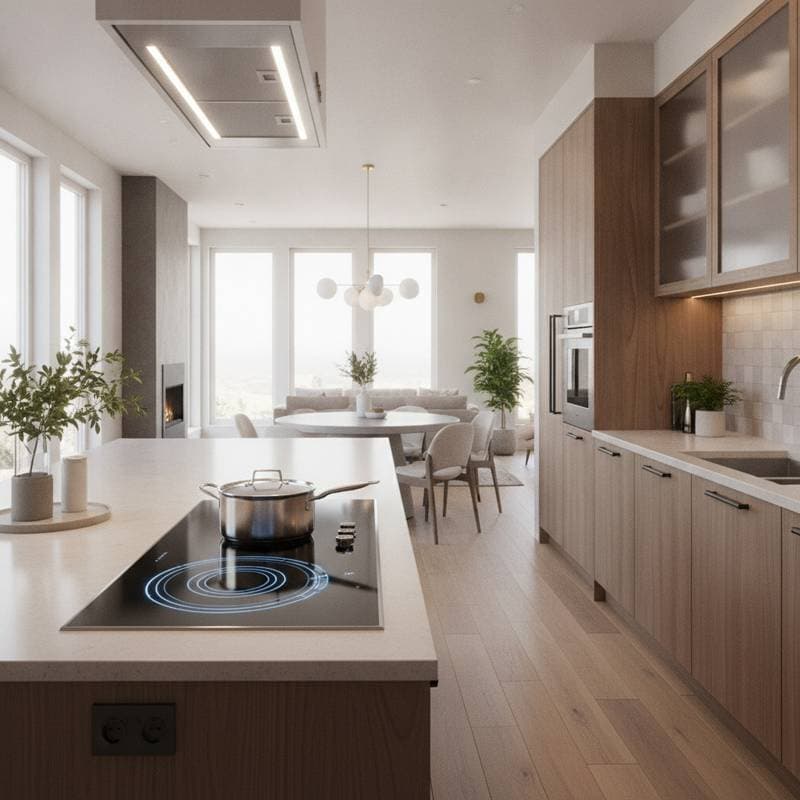
Induction cooktops generate heat through electromagnetic fields that interact directly with compatible cookware. When a ferromagnetic pan contacts the surface, the field induces currents in the metal, producing heat within the vessel. The cooktop surface remains cool outside the pan area, enhancing safety.
This method delivers several practical advantages:
- Water boils in approximately half the time required on a gas burner.
- Precise temperature regulation supports delicate tasks, such as simmering sauces or melting butter evenly.
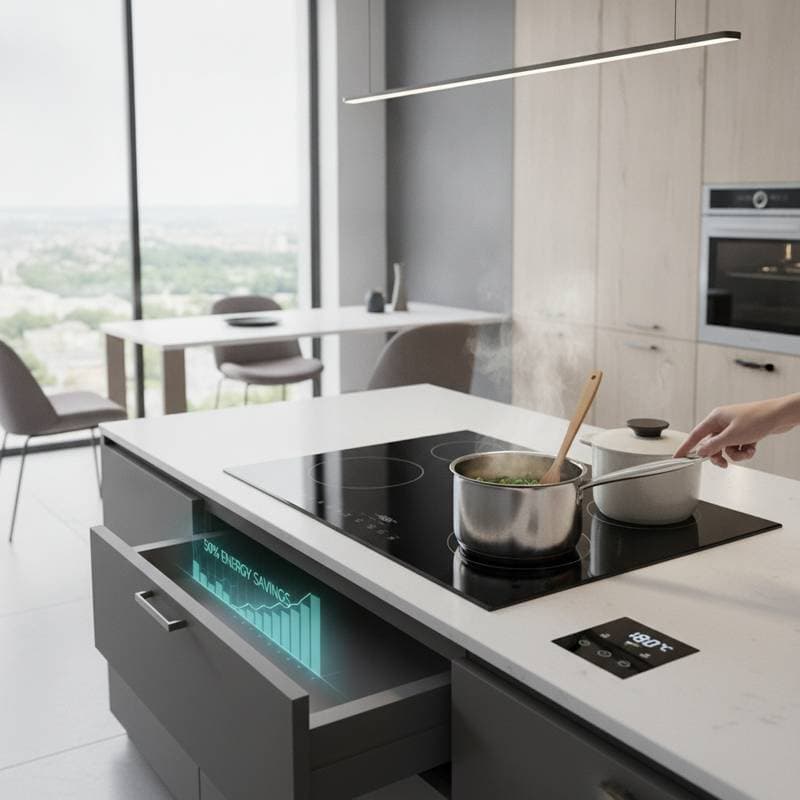
- Energy efficiency reaches 85 to 90 percent, far surpassing gas's 40 percent utilization.
- Spilled foods wipe away easily since the surface avoids extreme temperatures.
Compatibility hinges on cookware material. Test with a magnet: if it adheres to the base, the item functions. Non-magnetic options like pure aluminum or glass require a ferromagnetic layer for use.
Electrical Infrastructure and Installation Essentials
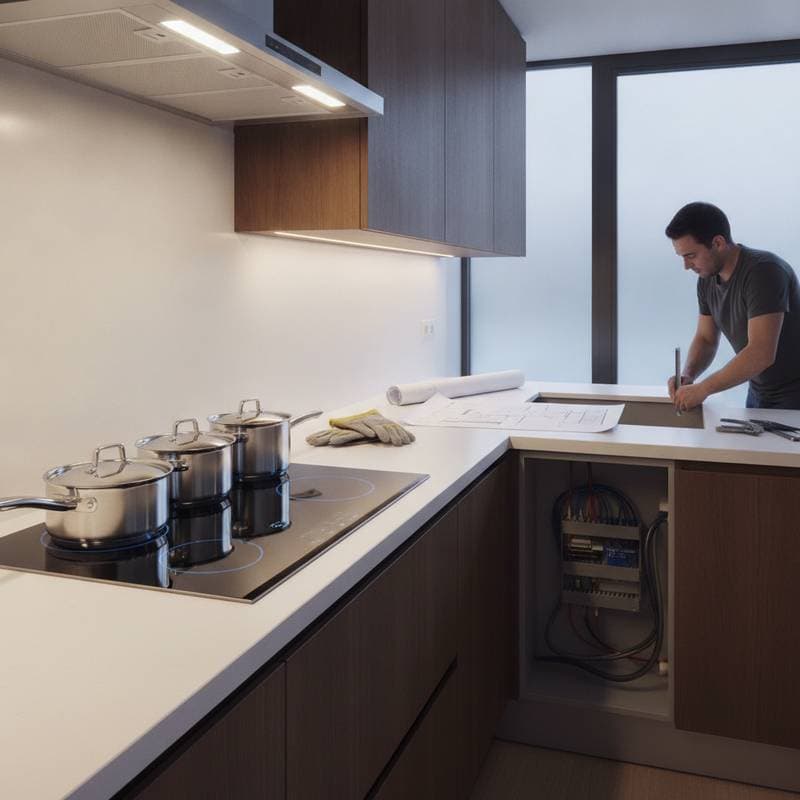
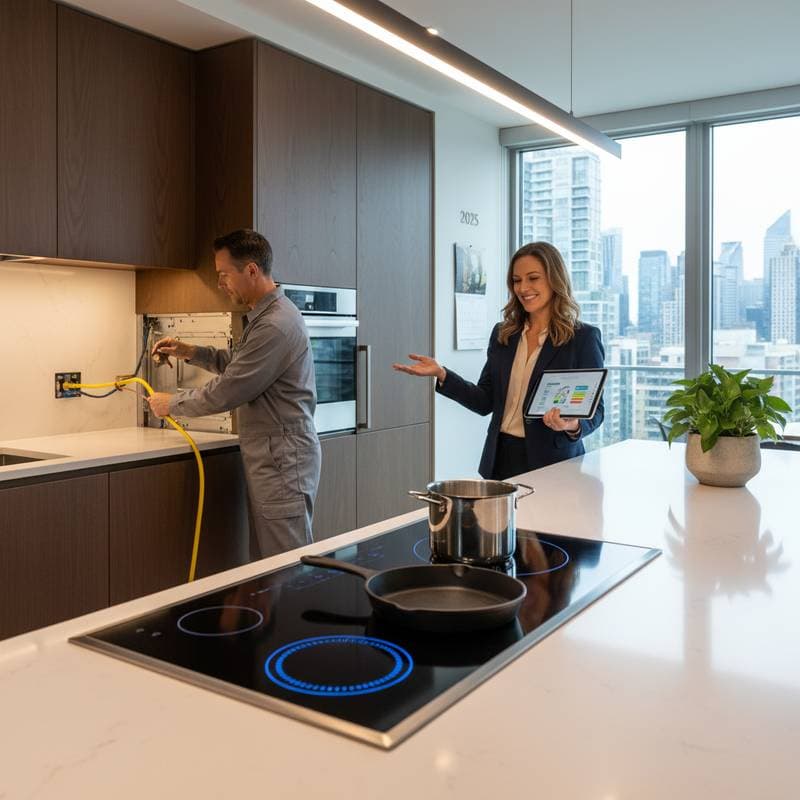
Induction appliances demand robust electrical support, typically a dedicated 240-volt circuit with 30 to 50 amps capacity. Older panels may lack sufficient space, necessitating an upgrade prior to installation.
Essential preparation steps include:
-
Evaluate panel capacity by consulting an electrician to identify available amperage.
-
Verify outlet configuration, often a 4-prong receptacle positioned behind or beneath the unit.
-
Measure countertop cutouts, standard at 30 or 36 inches wide for built-in models.
-
Ensure adequate ventilation underneath to protect electronics from heat buildup.
Engage a licensed electrician for any high-voltage work. Such tasks exceed DIY capabilities and require professional expertise.
Navigating Local Regulations and Permits
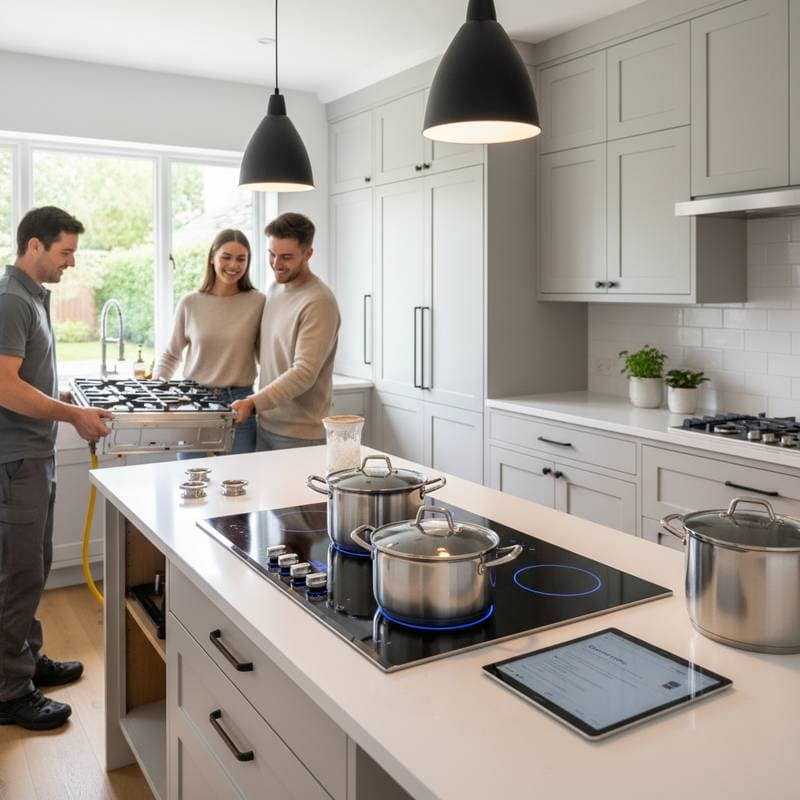
Local codes govern gas line disconnection and electrical additions. Permits often apply to both processes, with gas capping reserved for certified plumbers to eliminate leak risks.
In regions with gas limitations, incentives abound. Utilities provide rebates of $100 to $500 for induction purchases, alongside potential reimbursements for panel enhancements. Research programs specific to your area to maximize savings.
Prioritizing Safety and Routine Maintenance
Induction excels in safety features. The surface heats only under the pan, reducing burn hazards. Removing cookware halts heating immediately, complemented by auto-shutoff, child safeguards, and spill sensors in most units.
Daily upkeep proves straightforward. Clean the glass with a soft cloth post-use, applying mild, non-abrasive solutions for residue. Absent gas components or grates, no disassembly occurs.
Sustain performance by clearing vents, lifting rather than sliding pots, and inspecting cords regularly.
Advancing Health and Environmental Outcomes
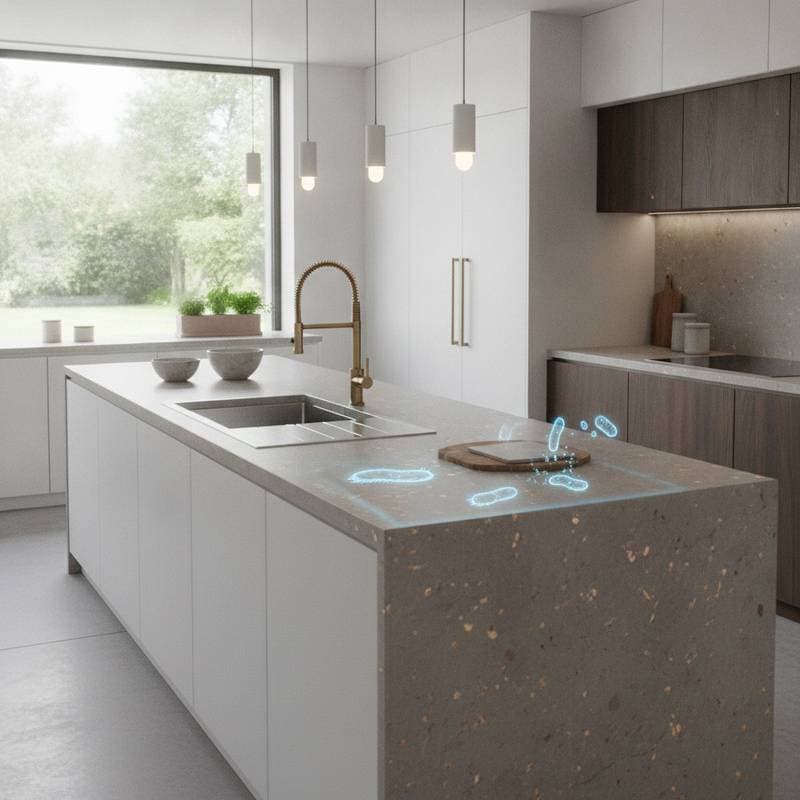
Gas combustion emits carbon dioxide and nitrogen dioxide, degrading indoor air and aggravating respiratory issues, particularly among vulnerable groups.
Induction avoids these pollutants entirely. Retain hood ventilation for vapors and aromas, but eliminate combustion byproducts. Integration with renewables like solar amplifies sustainability, curbing overall emissions.
This transition fosters healthier homes and reduced energy demands, especially alongside insulated spaces and efficient tools.
Addressing Frequent Questions and Myths
High costs deter adoption.
Recent price reductions align entry-level induction ranges with comparable gas units.
Full cookware replacement looms necessary.
Existing stainless steel items often suffice; magnet testing confirms usability without wholesale changes.
Operational noise disrupts use.
High settings may yield a subtle hum with thin pans, a benign trait of the technology.
Service proves challenging.
Modular designs allow straightforward repairs by qualified service providers. Select brands offering robust warranties and widespread support.
Strategizing Your Upgrade Project
Treat the gas-to-induction switch as a targeted renovation. Follow this sequence for success:
-
Inspect electrical infrastructure to verify load compatibility.
-
Document precise measurements for cutouts and clearances.
-
Evaluate models based on elements like zone bridging, boost functions, and interface types.
-
Allocate funds covering the unit, wiring, compatible pots, and surface adjustments.
-
Secure licensed professionals for electrical and plumbing tasks.
-
Schedule around brief interruptions, typically one to two days.
During full kitchen overhauls, align induction specs with cabinetry and airflow designs from the outset.
Realizing Enduring Value and Savings
Upfront expenses may exceed gas alternatives, yet efficiency yields returns via lower utility bills and durable construction. Direct heating shortens cook times, conserving power, while simplified mechanics minimize breakdowns.
Market trends favor induction-equipped homes, appealing to eco-conscious buyers attuned to regulations. Beyond resale, daily benefits include enhanced safety, purity, and performance in a forward-thinking space.
Executing the Transition Effectively
Converting to induction demands preparation but rewards with reliability. Initiate by assessing your setup, pursuing rebates, and trialing a portable model to gauge compatibility with your routines.