Furniture That Adapts to Every Room
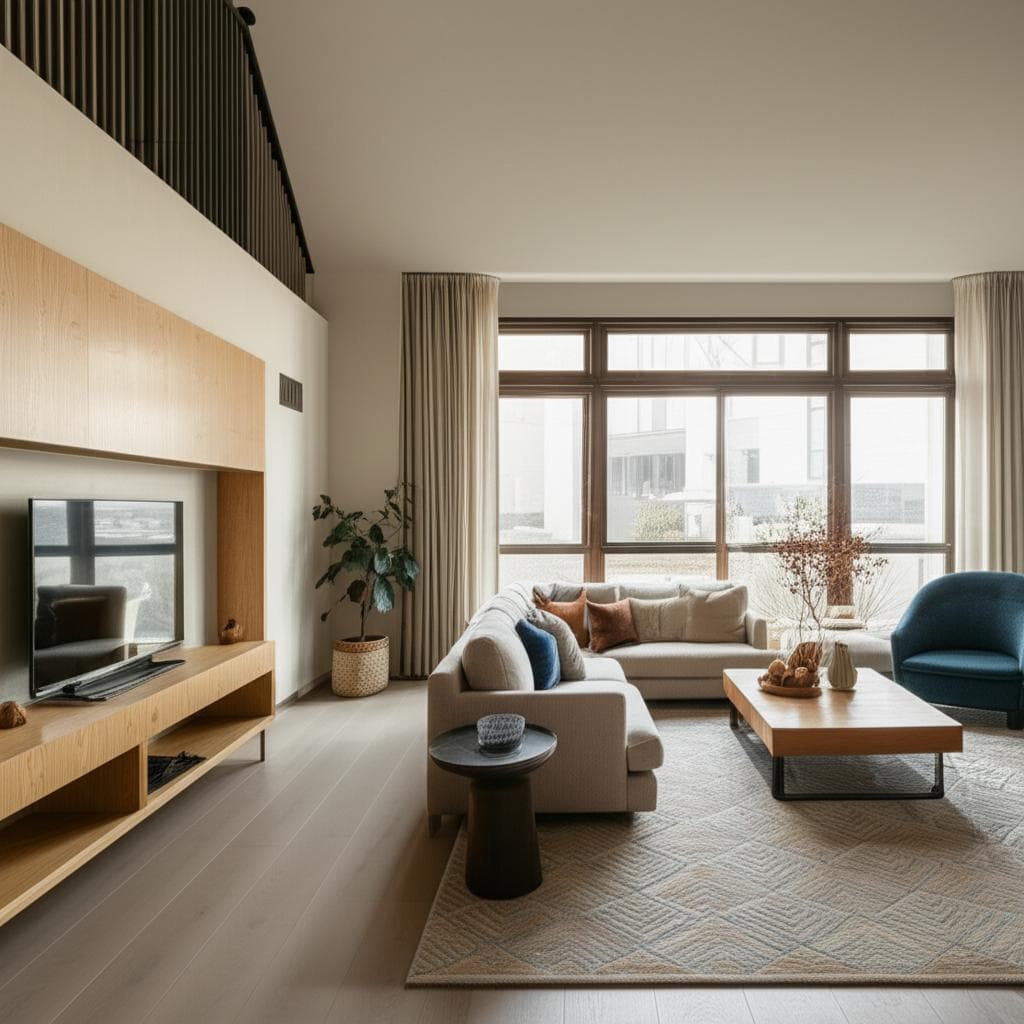
Your furniture should support multiple activities throughout the day. A sofa that accommodates movie night, remote work, and cleared floor space for gatherings provides more value than a piece limited to one function. Flexible furniture creates this adaptability in apartments, family homes, studios, guest rooms, and creative workspaces.
This principle transforms spaces when dramatic results must happen quickly and budgets remain controlled. The approach involves selecting components that move, fold, stack, expand, and change purpose rather than filling rooms with expensive single-use pieces. Adaptable furniture makes great design achievable across any budget.
Identify Your Room's Multiple Functions
List every activity a room needs to support before making purchases. Living rooms often handle conversation, reading, gaming, exercise, overnight guests, and work. Dining areas may serve as craft stations or homework zones. Bedrooms might require dressing areas, study corners, and storage walls.
Write each activity on a separate line, then measure the available floor space. Maintain clear walking paths around doors, windows, and frequently used storage. A flexible layout succeeds when furniture can move without creating daily obstacles.
Select pieces with at least two useful functions. Nesting tables separate for snacks, projects, or entertaining. Storage ottomans provide seating, footrests, and hidden organization. Sleeper sofas or daybeds accommodate guests. Drop leaf tables expand for meals and fold flat afterward. Stacking stools disappear into closets when not needed. Modular shelving grows as storage needs change.
This planning prevents impulse purchases and ensures every inch earns its place.
Modular Seating Offers Instant Flexibility
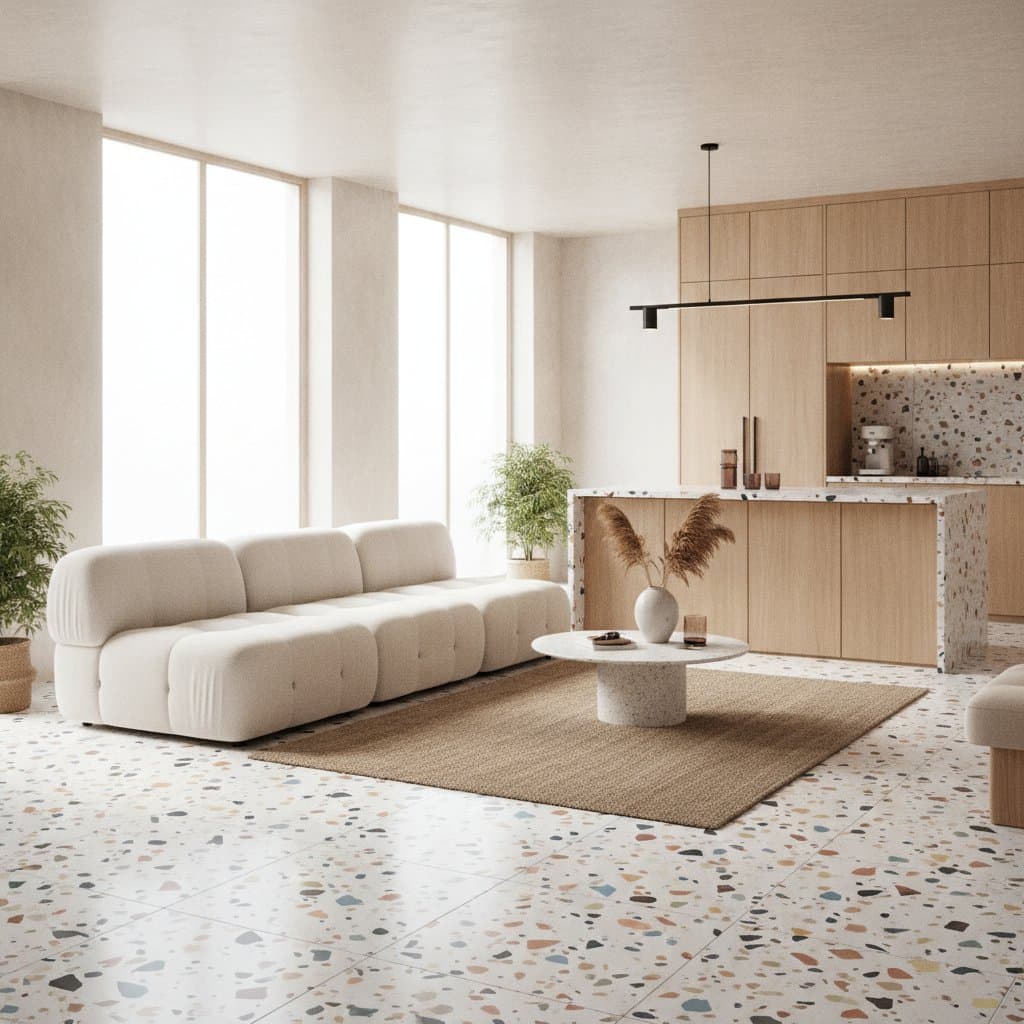
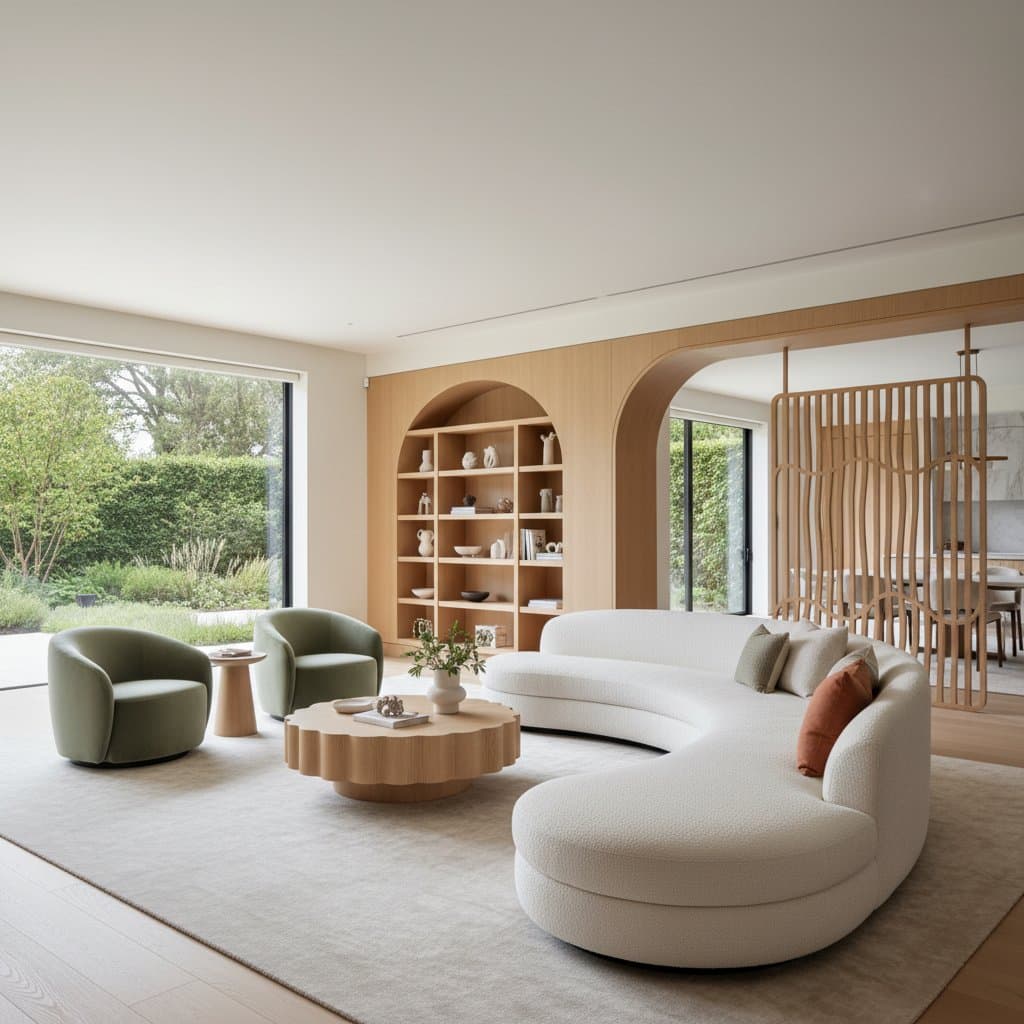
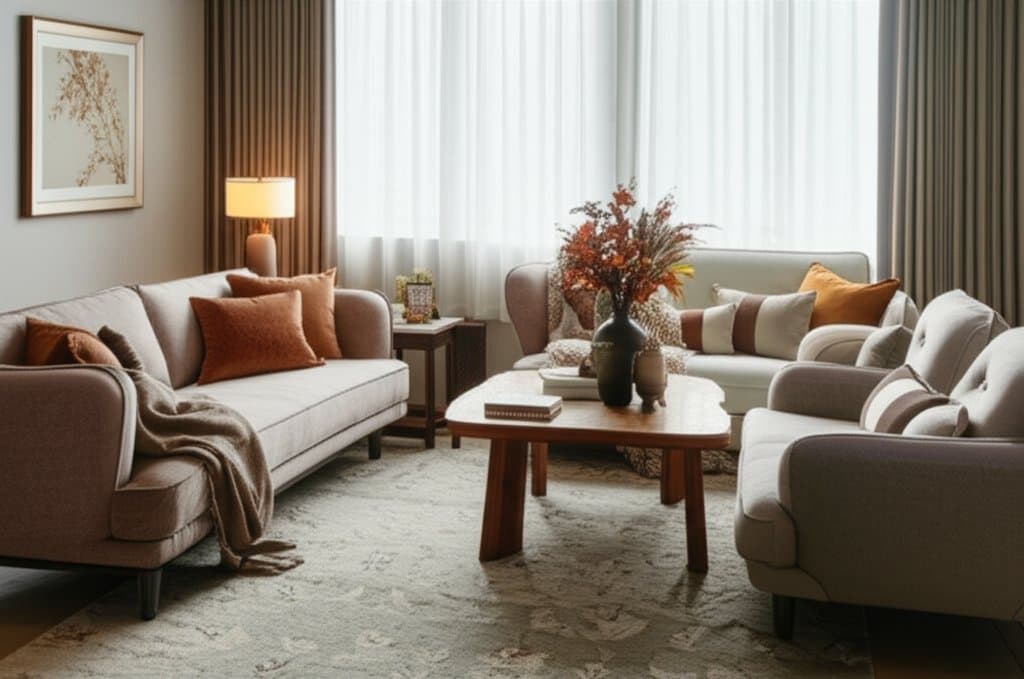
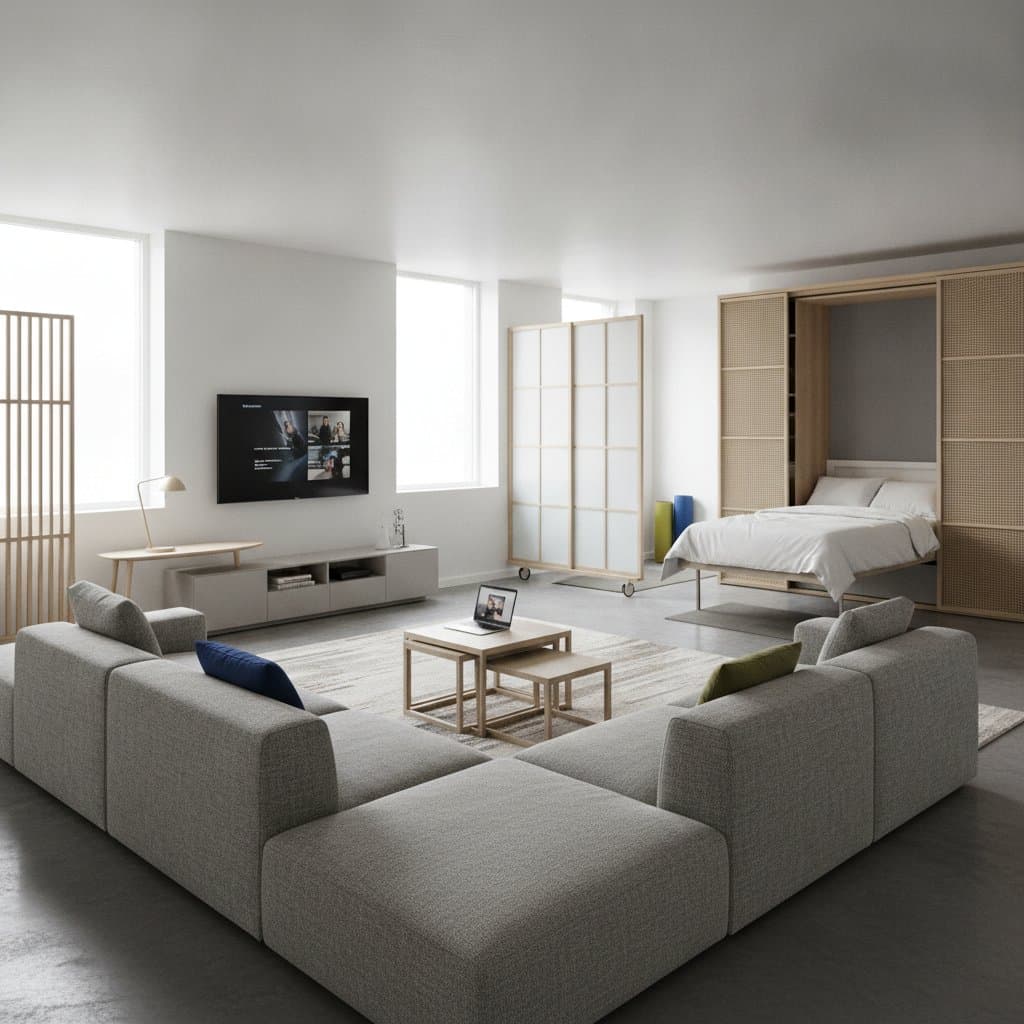
Modular sofas provide adaptable solutions for changing spaces. Individual seats, corners, chaises, and ottomans can form long sofas, compact loveseats, corner arrangements, or separate chairs. Choose systems with washable covers when children, pets, or creative activities are present. Removable covers also simplify future color updates.
Lower-cost alternatives include combining two matching apartment sofas or pairing a loveseat with movable floor cushions. Large area rugs visually connect separate pieces and create intentional arrangements. Thrift stores and resale marketplaces often offer sturdy ottomans and occasional chairs that can be refreshed with fabric paint, slipcovers, or new legs.
Inspect connectors, frame construction, cushion density, and replacement cover options when evaluating modular sofas. Low prices lose appeal if pieces slide apart or replacement parts become unavailable. Ask suppliers about delivery access, especially for narrow hallways and upper-level rooms.
Tables That Adjust to Daily Needs
Fixed coffee tables can consume valuable floor space, while lift-top, nesting, or wheeled tables serve multiple purposes. Lift-top tables support laptops or meals at comfortable heights, then close for cleaner appearances. Nesting tables separate when guests arrive and tuck together when rooms need breathing space.
Dining areas benefit from drop-leaf tables with slim legs or wall-mounted folding tables. Renters can use freestanding console tables behind sofas, then open folding tables only when needed. Pairs of sturdy folding tables can join for large dinners, separate for crafts, and store vertically in closets.
Local woodworkers can build custom tabletops for awkward alcoves. Request durable laminate, bamboo, or sealed plywood for polished appearances without rare hardwood costs. Add locking casters for easy movement and specify rounded corners for family safety.
Storage Solutions That Move With You
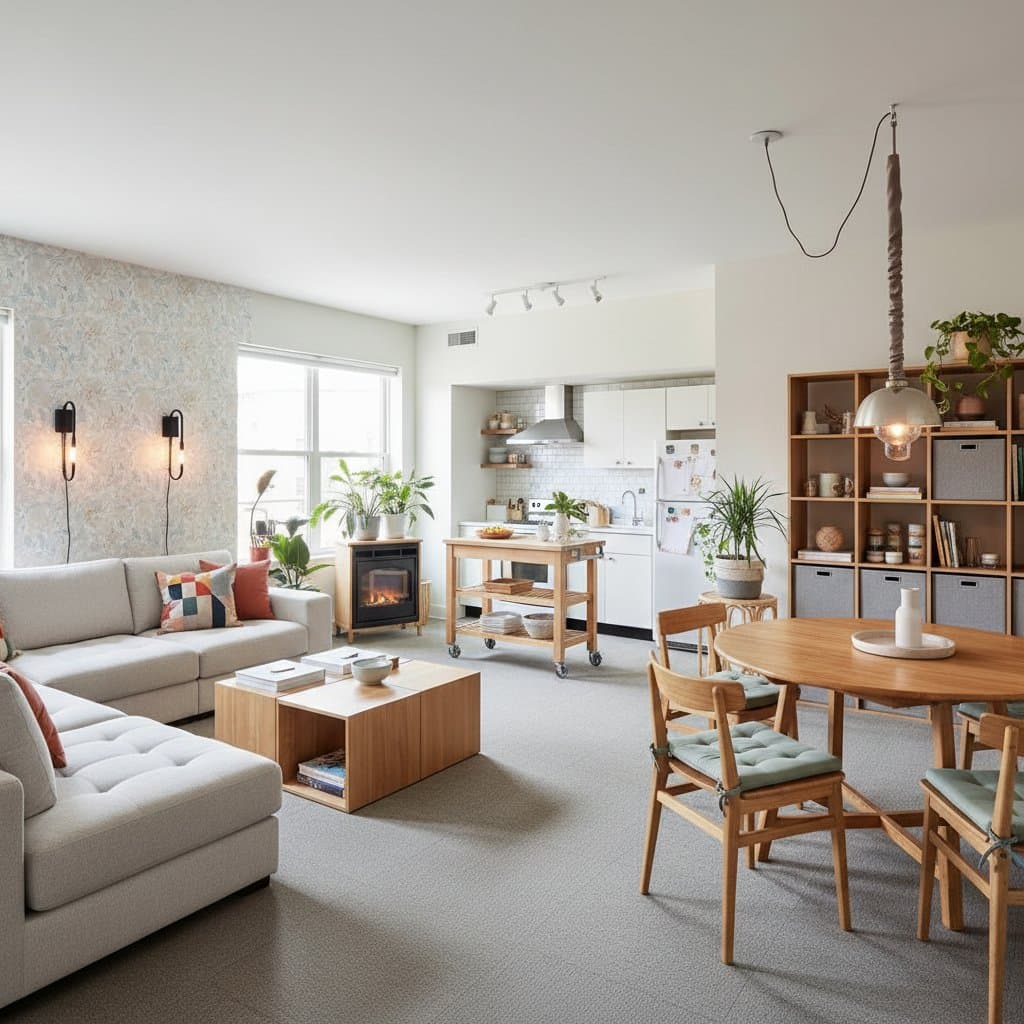
Flexible storage prevents rooms from becoming visually crowded. Bookcases with adjustable shelves, cabinets on casters, and cube systems that stand vertically or horizontally offer multiple configurations. Cube units can divide studios, anchor media walls, or organize toys without blocking light.
Open shelving displays attractive books, baskets, and art supplies effectively. Closed storage conceals visual clutter and helps rooms feel calmer. Every object should have a clear place, allowing the eye to rest between expressive details.
Rearrange existing furniture when budgets are limited. Turn dressers toward entries for drop-zone storage, place sturdy crates beneath consoles, or use curtains to conceal open shelves. Secure tall units to wall studs, especially in homes with children or pets.
Furniture for Small and Shared Spaces
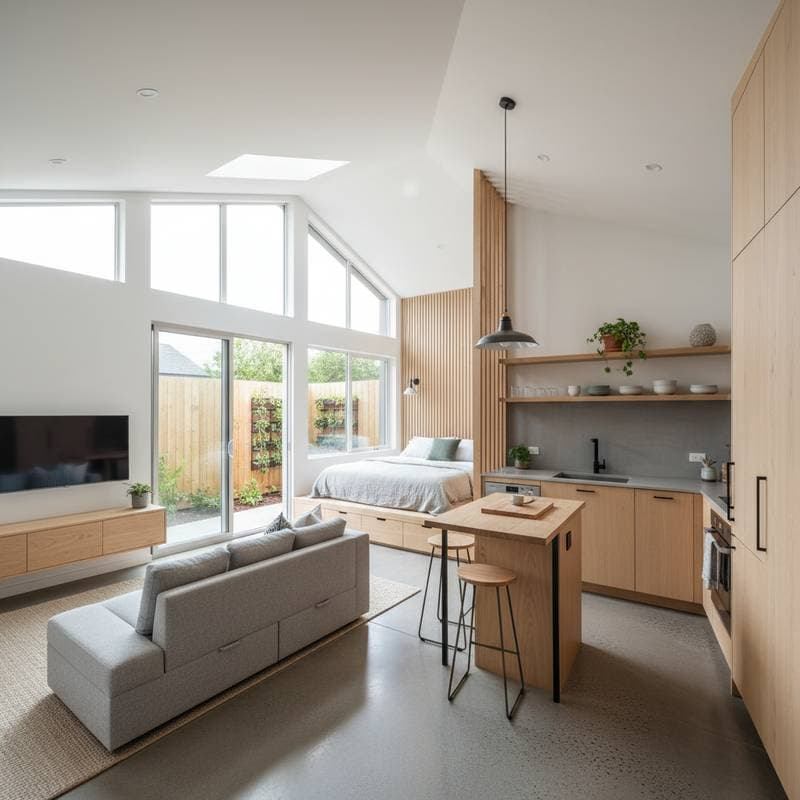
Small rooms require furniture that respects circulation patterns. Choose slim profiles, exposed legs, and pieces that tuck away. Benches beneath windows provide seating without blocking daylight. Wall-mounted desks close when work ends. Folding screens create privacy around beds, video call areas, or changing spaces.
Shared rooms benefit from visual boundaries. Bookcases, curtain tracks, rolling garment racks, or backless shelving units divide zones while preserving light access. Place desks on one side and reading chairs on the other, keeping centers open for movement.
Prioritize stable seating, clear turning space, reachable shelves, and comfortable heights for accessibility. Rolling side tables bring supplies closer to seated users. Handles, pullout trays, and lighting controls should remain easy to reach. Adaptability must support real bodies and daily routines.
Planning for Visual Cohesion
Plan room arrangements from multiple viewpoints. Spaces should feel cohesive whether someone enters through doors, sits on sofas, or views them in photographs. Repeat one finish, such as black metal, warm wood, or woven texture, across movable pieces. This creates connection without requiring matched furniture sets.
Keep bulky furniture low when possible and use vertical storage to draw eyes upward. Add one bold backdrop, such as removable wallpaper, painted plywood, or fabric panels. Portable backdrops can hide untidy work zones during gatherings or create polished backgrounds for content creation.
Test arrangements before purchasing. Mark furniture footprints with painter's tape, then walk through rooms carrying laundry, groceries, or trays. Tight paths will feel tighter with final furniture in place.
Shopping Across Price Points
Flexible rooms can develop gradually through strategic purchases. Rearrange existing furniture, borrow folding chairs, repurpose crates, and sew simple cushion covers from clearance fabric when budgets are minimal. Add nesting stools, folding screens, casters, or storage ottomans from resale shops around one hundred dollars. Invest in quality drop-leaf tables, modular cube storage, or compact sleeper chairs around five hundred dollars. Higher investments include modular sofas, custom cabinetry, or professionally built wall beds with durable hardware.
Purchase the best mechanisms affordable. Hinges, sliders, casters, and connectors receive daily wear. Sturdy frames and replaceable components protect investments.
Maintaining Your Adaptable Space
Assign every movable piece a home position, then allow rooms to change when life changes. Label storage baskets, keep measuring tapes nearby, and photograph arrangements that work well. Adjust existing furniture when new needs appear rather than making immediate purchases.