Flexible Induction Zones: Revolutionizing Kitchen Layouts
Imagine preparing a family meal with several pots on the stove, each requiring precise temperature management. One vessel heats unevenly while another risks overflowing. This common scenario highlights the limitations of traditional setups. Flexible induction zones address these challenges by offering a dynamic cooking surface that adjusts to your needs.
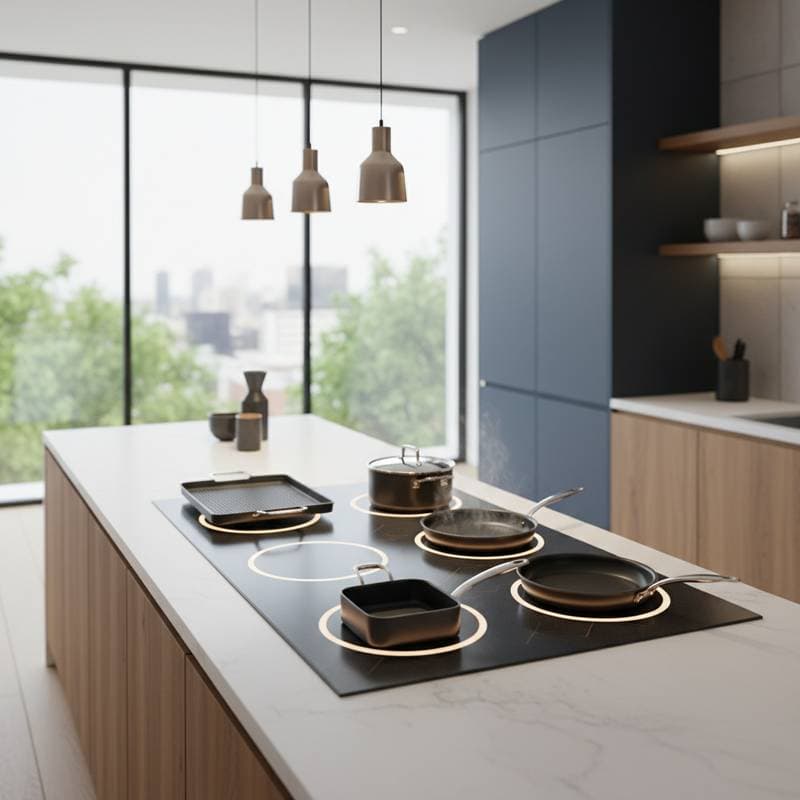
Induction technology has evolved significantly, and flexible zones represent the latest advancement in kitchen innovation. Homeowners no longer face rigid four-burner configurations. Instead, they gain a continuous, adaptable surface that matches the dimensions and placement of various cookware items. This evolution extends beyond mere convenience to encompass energy savings, enhanced safety, and refined visual appeal.
The following sections detail the key advantages of flexible induction zones and provide guidance for potential adopters.
Reasons Homeowners Choose Flexible Induction Zones
Precision and Control
Flexible induction zones react immediately to adjustments in power settings. Reducing the heat level produces an instant response, which proves invaluable for tasks such as preparing delicate sauces or melting chocolate. Even minor temperature variations can alter outcomes, and this technology ensures consistent results. Cooks appreciate the ability to maintain exact conditions without constant monitoring.
Safety Advantages
The cooking surface remains cool to the touch in areas not covered by cookware, significantly reducing burn risks. Many units feature automatic shutoff mechanisms that activate when no compatible pan is present. These safeguards prove particularly beneficial in homes with young children or older adults, minimizing accidents during daily use.
Energy Efficiency
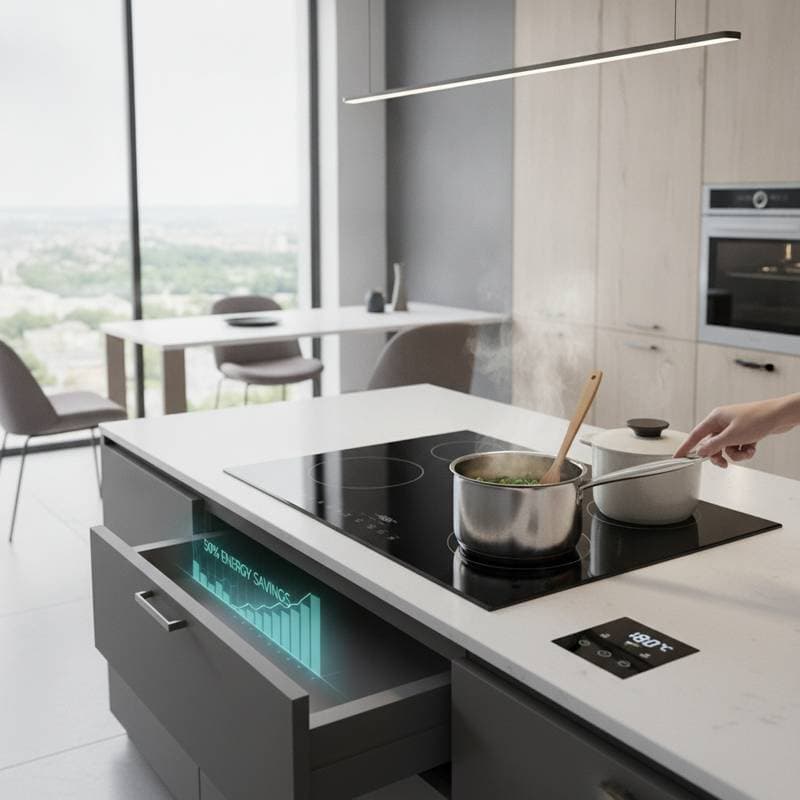
Induction systems direct 85 to 90 percent of energy straight to the cookware, far surpassing the 50 to 60 percent efficiency of gas or conventional electric options. This direct transfer accelerates cooking times and lowers utility costs over time. Environmentally conscious users value the reduced energy consumption, which aligns with sustainable living practices.
Design Versatility
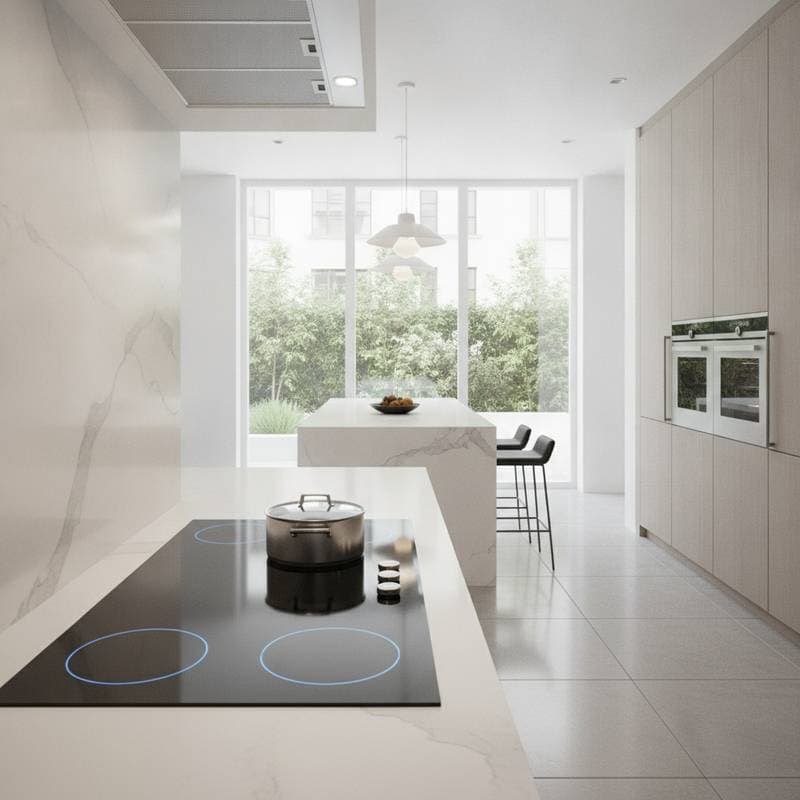
Absent the protruding burners and grates of traditional cooktops, flexible induction zones create a smooth, uninterrupted look. They integrate seamlessly into contemporary or minimalist kitchen aesthetics. Some installations sit flush with countertops, transforming the surface into additional prep area when idle, thus maximizing space utilization.
Investment Considerations
Initial costs for induction systems exceed those of basic gas or electric models, yet long-term benefits in performance and savings often offset the expense.
- Entry-level two-zone models range from $800 to $1,200.
- Mid-range options with multiple zones fall between $1,500 and $2,800.
- High-end modular configurations start at $3,000 and can exceed $6,000, varying by manufacturer and integrated features.
Professional installation fees depend on current electrical infrastructure and cabinet modifications, typically amounting to $300 to $1,000. If a kitchen update already involves electrical enhancements, incorporating induction zones becomes a strategic, economical addition.
Upkeep and Maintenance Practices
Maintaining a flexible induction zone requires minimal effort, though adhering to specific habits preserves its condition and longevity.
- Select cookware with flat bases to achieve optimal contact and uniform heating. Avoid distorted bottoms, which lead to inconsistent performance.
- Address spills promptly while the surface stays relatively cool, preventing hardened residues. Employ a soft cloth with a gentle cleaner for routine wiping.
- Steer clear of abrasive scrubbers that might damage the glass. Opt for non-scratch sponges or microfiber materials to safeguard the finish.
- Lift cookware rather than sliding it between zones to prevent scratches on the delicate surface.
- Inspect and clean magnetic detection areas if a zone fails to engage. Ensure the cookware base remains free of buildup or debris.
Consistent application of these steps ensures the system operates reliably and retains its pristine appearance for extended periods.
Steps to Adopt Flexible Induction Zones
Consider integrating flexible induction zones during a full kitchen overhaul or as a targeted upgrade to elevate daily cooking. Begin by analyzing your cooking habits: Do you prepare expansive meals for gatherings or streamlined options for busy evenings? Assess preferences for streamlined designs versus familiar arrangements to guide your selection.
In compact spaces, a compact two-zone unit liberates counter area and streamlines post-cooking cleanup. Larger families benefit from expandable modular arrays that accommodate diverse tasks, from high-heat grilling to gentle simmering. Evaluate compatible cookware inventories, as induction requires ferromagnetic materials for effective operation.
Flexible induction zones deliver tangible advantages in energy conservation, aesthetic refinement, and operational precision. This technology transcends passing fads, providing a robust framework that simplifies culinary routines and amplifies enjoyment. By aligning the system with personal requirements, users unlock unrestricted cooking potential without sacrificing efficiency or style.