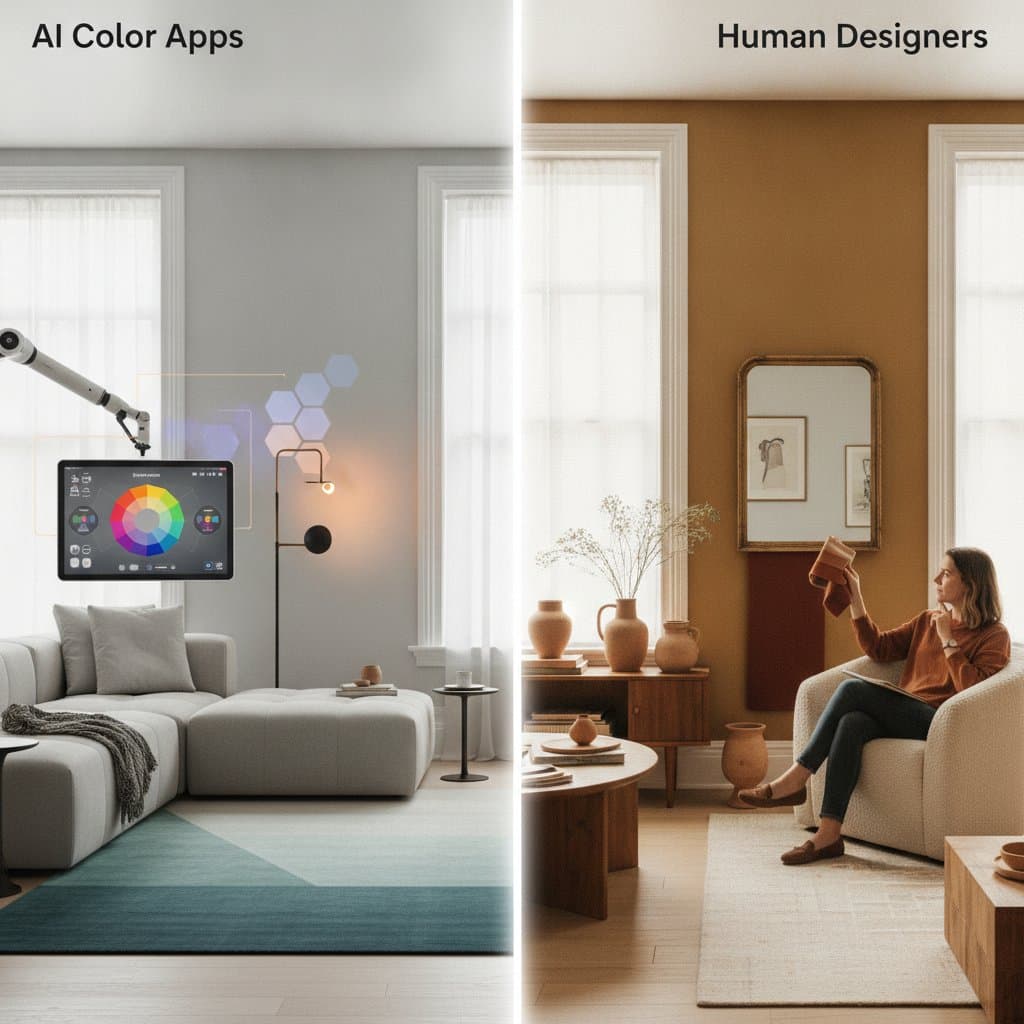
AI Makes Picking the Right Color Palette Effortless
Choosing the right color palette used to be one of the most stressful parts of an interior design project. Homeowners often agonize for weeks over a single shade of paint. They tape dozens of samples to the wall, squint under different lights, and still feel unsure.
Even professionals can second-guess a palette when client preferences shift mid-project. Smart design tools powered by artificial intelligence now change how color decisions are approached. What was once a drawn-out process becomes a confident, data-backed choice.
When Color Choices Go Wrong
Color mistakes prove expensive. One error can require repainting entire rooms because a chosen warm gray appears purple at night. A single color misstep disrupts the balance of furniture, flooring, and lighting.
Color also influences mood, energy, and comfort. When the palette misses the mark, it affects how people feel in their own home. Homeowners often underestimate how lighting, surface texture, and nearby finishes alter color appearance.
How AI Simplifies Color Selection
Smart design tools use artificial intelligence to analyze photos, materials, and lighting conditions. These programs generate color palettes that work in real spaces. They read patterns, detect undertones, and predict emotional responses to combinations.
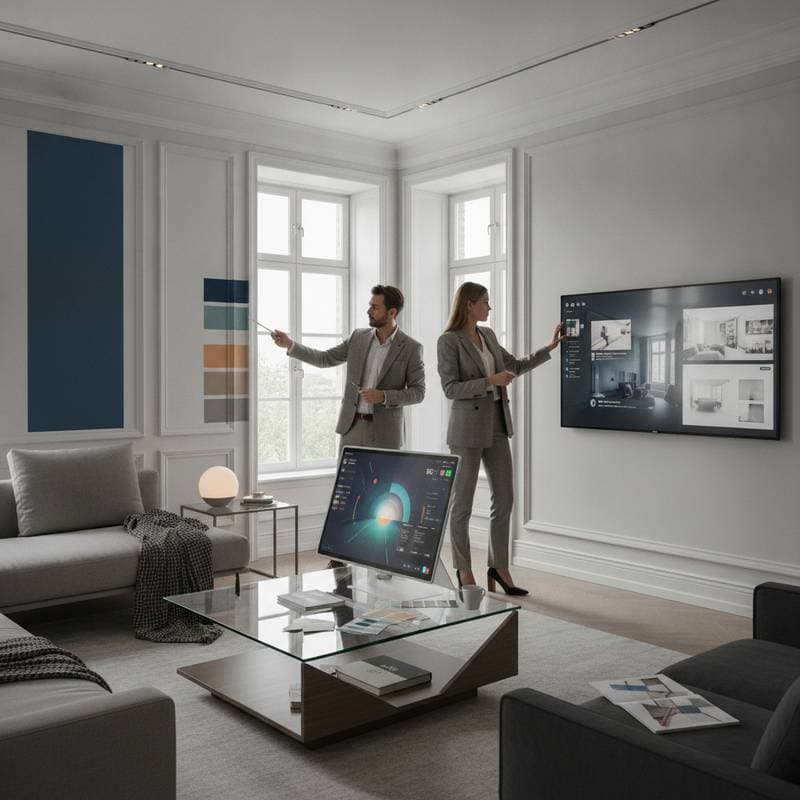
An AI color assistant evaluates a photo of a living room and suggests complementary wall and accent colors suited to furniture and flooring. Some tools account for the direction of natural light and adjust recommendations accordingly. Homeowners receive similar insight in minutes.
The Science Behind Smart Color Tools
Artificial intelligence tools draw from databases of design outcomes, user feedback, and psychological research on color perception. They recognize combinations that produce balance, flow, and visual harmony. When an image or preferences are uploaded, the system compares inputs to thousands of successful palettes.
This process relies on algorithms that track relationships between hue, saturation, and brightness. The system detects subtle undertones that most people miss. It minimizes risk by previewing realistic renderings before application.
Real-World Benefits for Homeowners
-
Faster Decisions
Homeowners upload photos, answer questions about the space, and receive options that already consider lighting and furniture. -
Reduced Waste
Fewer mistakes mean fewer gallons of paint wasted on test samples or full repaints. Both budget and environmental impact benefit when a color choice succeeds the first time. -
Confidence in Results
Palettes serve as a reliable starting point even when working with a professional designer. They narrow choices to what works and keep the project focused. -
Personalized Experience
Many AI tools learn preferences over time. They refine future recommendations based on prior likes and dislikes.
A Contractor Perspective on AI Color Tools
These tools change how professionals communicate with clients. AI-assisted previews show how shades interact with existing finishes and eliminate confusion. Approvals happen faster as a result.
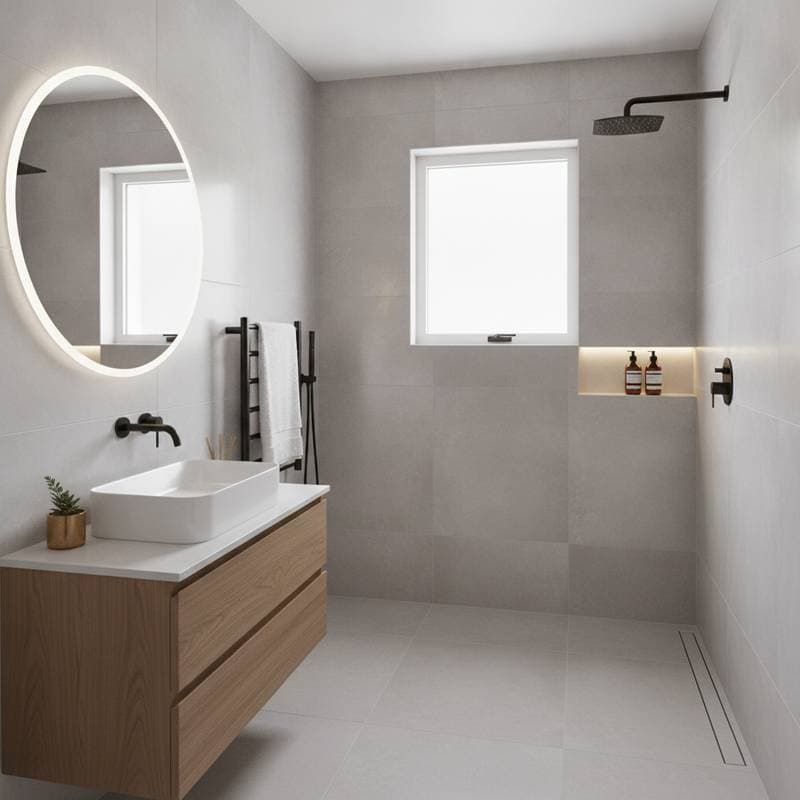
One remodel client wanted a bathroom that felt fresh but not cold. A smart color program analyzed tile and vanity finishes. It suggested a soft green-gray that balanced cool marble with cabinetry warmth, and the result matched the vision exactly.
Understanding Color Psychology Through AI
Color choices remain deeply psychological. Certain tones evoke calm, energy, or focus. AI tools incorporate research that predicts emotional responses to combinations.
The programs translate vague requests such as a desire for peace into tangible options like soft greens or pale blues. They consider lighting and space proportions during the process.
Avoiding Common Pitfalls
Even with smart tools, mistakes occur if key steps are skipped. Always preview recommendations under actual lighting conditions. Upload accurate photos of flooring, trim, and major furniture pieces.
AI tools provide strong support but do not replace human judgment. Confirm colors with physical samples before final application. Share palettes early with any contractor or designer to prevent conflicts.
Why Professional Oversight Still Matters
AI tools work best when paired with professional insight. A contractor understands how lighting, surface texture, and paint finish affect final appearance. Experience confirms performance under actual construction conditions.
Paint behaves differently on drywall than on plaster. Sheen levels influence durability in high-traffic areas. Technology supplies options while professionals verify real-world results.
Putting AI Color Tools Into Practice
Explore a reputable AI color selection tool when planning a remodel or repaint. Gather accurate photos of the space and upload them to experiment with generated palettes. Note how each color interacts with lighting and existing materials.
Combine technology with professional experience to eliminate guesswork and reduce costly mistakes. The process that once caused hesitation now becomes quick and reliable.